
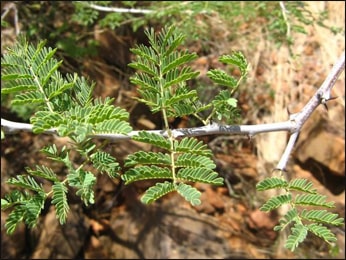
ACACIA (ACACIA SENEGAL) (Back)
9 $ - Consultation for 5 Minutes on Phone
Also known as gum arabic, it is obtained from the sap of the variety of acacia tree native to North Africa, and has traditionally been used to soothe inflammations of the respiratory, digestive and urinary tracts. Gum arabic is usually dissolved in water to make a mucilage (1-4 teaspoonfuls per cup of water) which can be used to alleviate coughs, sore throats, diarrhoea and dysentery. In addition to its med icinal uses, gum arabic is also used commercially in the making of confectionery, particularly Middle Eastern sweetmeats, and as a thickener (E414) in the preparation and cooking of some foods. Available from larger health food stores, commercial food suppliers and herbalists.
ACID-ALKALINE BALANCE Top
Although the body has its own natural acid-alkaline balancing mechanisms, an over-indulgence of acidic foods - especially the rich and spicy foods that tend to form the basis of the modern Western diet - can impair this delicate balance. A healthy body needs to be slightly alkaline (pH 7.35-7.45) to counteract these effects. This alkalinity serves, as a natural buffer against acid-forming conditions such as stress, lack of exercise, poor eating habits and chronic constipation.
The digestion of acid-forming foods (meat, fish, poultry, eggs, most dairy products, and most grains and pulses) produces acidic residues which need to be eliminated. Excess acidity in body tissues (acidosis) can result in metabolic and respiratory problems and cause many diseases from arthritis to colds and infections. Severe acidosis can occur in diabetes and kidney disease. Excess alkalinity (alkalosis) is quite rare; it can result from taking too many antacid drugs or because of frequent vomiting.
Since alkalinity neutralizes acidity, in conditions of mild acidity, the balance can be restored by a diet containing plenty of alkaline foods. Most fruits and vegetables are alkalizing, as are soybeans, lima beans, millet and buckwheat. Milk is neutral. Among the most alkaline forming foods are figs, carrots, celery and pineapple.
ACIDOPHILUS, LACTOBACILLUS Top
Intestinal bacteria (flora), which are the 'friendly bacteria living in the gut, are vital for the proper absorption of nutrients; they also inhibit the growth of the candida albicans yeast (thrush). The Lactobacillus acidophilus bacteria are abundant in yogurts and serve to strengthen the intestinal flora. They can alleviate, and even prevent, a wide range of conditions, including intestinal putrefaction (food decaying in the intestines), vaginal yeast infections, constipation and flatulence. Their main antagonists are antibiotics, which kill all micro-organisms, whether 'friend' or 'foe'. Thus, when on antibiotics, it is very important to replenish the flora by eating plenty of yogurt and by supplementing with acidophilus capsules.
AGAR, AGAR-AGAR Top
A gelatinous substance produced from certain species of Japanese seaweeds, especially the Gelidium variety. Agar is unaffected by enzymes and, since seaweed is rich in minerals and vitamins, it provides an important source of nutrients. It is often used as a stabilizing agent (E406) in ice cream and other foods, and has traditionally been used by the Japanese as a form of gelatin. As such, agar is superior to the animal derived gelatins in that it contains no calories, has a firmer texture and does not easily melt. It is available from health food shops as either flakes or bars, and dissolves readily in boiling water. It is easily digestible, making it particularly beneficial for sick people and children, and, due to its ability to absorb water and increase in bulk, it is also useful as a laxative.
AGRIMONY (ACRIMONIA EUPATORIA) Top
A perennial herb that grows wild in Northern Europe, it has astringent and anti-inflammatory properties and contains tannins which can tone the mucous membranes of the gut. Prepared as a herbal tea or infusion, it can have a very beneficial effect on the digestive organs - stomach, intestines, gallbladder and liver - and can also alleviate inflammation of the intestines caused by food irritants or infection (enteritis). As an infusion, it can be used as a gargle for treating mouth infections and is also helpful in the treatment of diarrhoea. Available from herbalists and health food stores.
ALCOHOL Top
Although the consumption of alcoholic beverages has been central to the social rituals of mankind throughout recorded history, nutritionally, alcohol has little to recommend it. As with wine and beer, if consumed in moderation, particularly in a social setting, it can add to the pleasure of the occasion and thereby reduce stress. However, it can become addictive and, onsumed to excess, alcohol has extremely detrimental effects on the body's metabolism.
The alcohol in beverages is produced by the fermentation of fruit sugars and, when this is metabolized by the body, it produces a harmful chemical called acetaldehyde. It is this that causes the well-known after-effects, or 'hangovers', that so often afflict drinkers. As in the case of refined sugar, alcohol can deplete the body of essential B vitamins, vitamin C, vitamin K, zinc, magnesium and potassium. Even moderate consumption reduces the liver's ability to metabolize glucose and eliminate waste poisons, while higher consumption can result in liver and brain damage, ruptured blood vessels, agglutinated blood, varicose veins, hemorrhoids, thrombosis, damage to the prostate gland and sterility. In the final months of pregnancy, alcohol is suspected to increase the risk of premature birth. Alcohol can also increase the possibility of developing age-related conditions such as heart attacks, cataracts and skin wrinkles, and psychological disorders such as anxiety, depression, mental retardation and distorted emotions.
Vitamin B1, niacin, vitamin C and the amino acid cysteine can be helpful in protecting the body from some of
the harmful effects of alcohol, and cravings can be alleviated by nutritional supplementation. The Chinese herb kudzu as well as the amino acid L-glutamine can be effective in this way and both are available in health food shops. Sometimes, the craving can be due to hypoglycaemia (low blood sugar). This can be verified by a Glucose Tolerance Test (GTT),
and in this case a suitable diet prescribed by a nutritionist can help.
ALDER(ALNUS GLUT/NOSA) Top
A small tree which is found wild throughout the British Isles and Europe. Traditionally, infusions of the shredded bark can relieve constipation and stimulate bile secretion, which is necessary for the process of digestion. Decoctions (boiled and simmered teas) can be used to make poultices to ease rheumatic joints, while infusions of the leaves can be used to treat inflammations. Available from larger health food stores, or herbalists.
ALFALFA (MED/CAGO SATIVA) Top
a legume, it is a member of the pea family and is widely grown in Europe, North and South America, Asia and Australia. The seeds and sprouts of the plant are an excellent source of beta carotene and many key nutrients. They are especially rich in minerals (potassium, iron, phosphorus, magnesium, calcium) and vitamins B1, B3, B12, D, C, E and K). The sprouts are widely available in supermarkets and health food shops and are popularly eaten in salads; they can also be used to make alfalfa tea. Alfalfa acts as a tonic, stimulant, appetizer and diuretic, and can assist in the relief of urinary disorders and the alleviation of water retention (oedema).
ALLERGY FOOD Top
afood allergy is an abnormal immune system reaction to a substance in food. Normally, when hostile substances enter the blood, the immune system promptly reacts by producing antibodies to engulf and destroy them. In allergic conditions, however, the immune system reacts with the same hostility to certain 'innocent' substances, releasing histamine. This can cause a wide variety of distressing symptoms, from a simple rash to headaches and hypertension.
The causes of allergies are not fully understood by science, although it is known that the protein parts of foods and dust can trigger allergies. Two common causes of food allergies are low levels of stomach acid and a shortage of certain pancreatic digestive enzymes.
The pancreas secretes enzymes which break down protein into its components, the amino acids. A shortage of these enzymes can result in partly digested protein and it is this protein fragments that can induce food allergies in the intestines which produce not only physical, but also mental, symptoms. Some common food additives, such as benzoic acid and tartrazine are known to cause allergic reactions in people with sensitivities, especially children.
The most common allergenic foods are cow's milk, eggs, chocolate, oranges, wheat, cheese, tomatoes, beef and maize, while among the least allergenic foods are rice, peas and avocados. A craving for a specific food can signal a food allergy and the detection of these allergy-causing foods can be done by the 'pulse test.
A number of nutrients can alleviate or cure these allergies, including vitamin C and quartering, both potent antihistamines, vitamin B6, zinc, vitamin E and calcium.In fact, some nutritionists believe that allergies may be caused by nutrient deficiencies.
ALMOND Top
One of the few alkaline nuts, almond is highly respected and valued in traditional Indian medicine (Ayurveda). It
can help to relieve phlegm, alleviate coughs and lubricate the intestines. It can also be used for lung conditions and some types of constipation, especially when prepared as a drink by soaking the almonds overnight in water before peeling off the outer brown skin and then blending the nuts with water in a blender. Since almonds are low in two essential amino acids, lysine and isoleucine, as far as their amino acid profile is concerned, they are best complemented for protein utilization by pulses such as beans, peas, chickpeas, lentils, peanuts and soybeans. Almond oil extracts are used mainly' for cosmetic purposes. Available from supermarkets and health food stores.
ALOE VERA Top
A perennial plant indigenous to tropical areas of the Far East, southern Africa and the West Indies, it is now cultivated in some of the arid states of the USA, and is also grown in many places as a decorative plant. Nutritionally and medicinally, the plant is useful for the thick juice of its long leaves which has strong anti-fungal and anti-bacterial properties.
The aloe vera juice contains many important vitamins and minerals, as well as beta carotene, enzymes, amino acids and a complex carbohydrate called mucopolysaccharide. These are responsible for its many healing actions, whichinclude the soothing of inflammations of the digestive tract and the relief of constipation, flatulence and the symptoms of irritable bowel syndrome (IBS). The gelatinous juice of the fresh leaves can also be used externally. It is reputed to heal wounds and can also be rubbed on the skin to alleviate sunburns, wrinkles, skin irritations and minor cuts. Infusions are good for bathing wounds and eyes. The juice has a somewhat repellent taste so, when taken orally, it is usually blended with fruit juice to make it more palatable. Pure American aloe vera juice is now readily available in most health foods shops.
ALUMINIUM Top
Everyday sources of this toxic element are processed cheeses, baking soda, antacid tablets, table salt and antiperspirants (E173). It can also be ingested through the use of aluminium cookware and utensils. Aluminium disturbs the calcium-phosphorus balance and causes the loss of vitamin B1 and excesses of aluminium salts, which can accumulate in the brain and are implicated in memory loss, presenile dementia and Alzheimer's disease. Vitamin C is recommended to counteract the build up of these salts in the body, as well as garlic, seaweeds and wheat grass
Amaranth (AMARANTHUS HYPOCHONDRIACUSA) Top
This grain is also known as Inca wheat and was the main staple of the Aztec diet due to its high protein content. It is now cultivated commercially in the American Midwest and is incorporated into some breakfast cereals. The crimson flowers have an astringent property and infusions of these can beeffective in the treatment of diarrhoea and dysentery; they can also be used to reduce excessive menstrual bleeding. Amaranth is normally sold as a prepared cereal, but the flowers are also obtainable from some herbalists.
AMASAKE Top
A naturally processed sweetener of the macrobiotic range, which is becoming increasingly popular. Amasake is a fermented sweet rice, produced by cooking the whole rice grain in water with koji, a starter treated with a special yeast culture, Aspergillus oryzae, which converts the starch in the rice into simpler sugars. By the end of the fermentation stage, amasake resembles a thick rice pudding with a subtly balanced sweetness. Amasake is rich in maltose, and its sugars are not as refined or concentrated as honey. Being derived from whole rice, amasake is also nourishing.
AMINO ACIDS Top
Amino acids are the building blocks of proteins. They are made up of a nitrogen-containing group, known as the amino group (NH2), and a carboxyl group containing carbon, oxygen and hydrogen (COO H). Specific amino acids may also contain sulphur and iron and, to create the many forms of protein in the body, the amino acids link together into the various chain structures (peptides) that give each kind of protein - whether in bone, hair, nails or blood - its specific characteristics. The formation of these proteins is governed by other proteins, the nucleic acids DNA and RNA, often described as the genetic blueprint of the body. DNA contains the master code and RNA conveys its instructions to cells where different kinds of proteins are formed. Protein synthesis is vitally important for sustaining life as cells are constantly being broken down and must be recreated. Of the 24 known amino acids that make up the thousands of differing protein combinations, eight of these - leucine, isoleucine, valine, methionine, threonine, lysine, phenylalanine and tryptophan - are known as the 'essential amino acids' as all eight must be present simultaneously in the diet, and in the right proportions, in order to form what is termed 'complete protein'. None of these can be synthesized by the human body for itself and must be acquired from food. If even one is absent, or in a disproportionately low ratio to the others, then protein synthesis is halted or reduced. In this case, what is termed 'incomplete protein' results. This can happen in the diets of strict vegetarians or vegans subsisting on 'incomplete' vegetable protein, as it is the animal foods such as meat, fish, eggs and dairy produce that contain all the 'essentials' and form 'complete protein'. Individual free amino acids have been found to have specific beneficial effects, such as burning off fat, treating baldness, building muscle or relieving stress and, as such, they can be used as nutritional supplements. Some amino acids such as arginine, which are not adequately produced in many people, are considered 'semi-essential'.
ANGELICA (ANGEliCA ARCHANGEliCA) Top
Angelica is a large aromatic plant native to Northern Europe and Asia, which can be either biennial or perennial. It is found in damp places such as river banks and is also cultivated. For nutritional and medicinal purposes, the useful arts of the plant are its roots and seeds. Angelica tea, produced from both the roots and the seeds, will aid digestion, relieve flatulence and stimulate appetite. It is useful for a number of digestive problems, including ulcers, vomiting and colic. Applied externally as a lotion, angelica can help relieve rheumatic pain and gout. A decoction of the root can be applied to the skin to treat scabies or itching. An infusion can be made by adding half a cup of boiling water to one teaspoon of crushed seeds and steeping; a decoction can be made by boiling one teaspoon of crushed root in three-quarters cup of water, and then steeping for five minutes. For convenience, angelica is sold as a liquid extract by some herbalists and the larger health food stores. This can be
taken in a dosage of 10-30 drops in liquid, three times daily Caution: Angelica must not be taken by diabetics as it tends to elevate blood sugar level.
ANISE, ANISEED (PIMPINELLA ANISUM) Top
anise is an aromatic plant native to the Mediterranean regions, but also cultivated. Its sweet seeds are used in Mediterranean cooking, mainly for flavouring. As an infusion, anise helps digestion, relieves flatulence, improves appetite and alleviates cramps, nausea and colic in children. As a tisane, anise can be used to stimulate milk production in nursing mothers and an infusion of the seeds is reputed to bring on delayed menstruation. A tisane is made by boiling half a teaspoon of crushed seed in half a pint of water and straining it. An infusion is made with one teaspoon of crushed seed boiled with a cupof water and allowed to steep for 10 minutes. Anise is also known to promote energy circulation and increase the metabolic rate, which is valuable in any weight loss programe. Available from larger health food stores and herbalists.
ANTACIDS Top
Antacid drugs bring only temporary relief, not a permanent cure, and, unless prescribed, anyone using antacids should realize that the symptoms of too much acid in the stomach are similar to those of having too little. In the latter case, therefore, taking antacids will only serve to exacerbate the problem. In addition, some antacids contain aluminium, a toxic element which can build up in the body and give rise to an array of disorders. Heartburn resulting from low acidity in the stomach can be relieved with betaine HCI tablets. In fact, since stomach secretions are known to diminish with age, some authorities recommend that anyone over 40 should use a H CI supplement with each main meal. In some cases, digestive enzymes such as pancreatin tablets can help, but correct food combinations are considered to be the simplest and most effective way of preventing stomach over-acidity, heartburn and dyspepsia. For quick relief, taking 2-3 dolomite tablets with each meal is best. In the author's experience, a glass of cold milk or a few raw almonds can be very effective in cases of heartburn. Another simple way to avoid heartburn is to drink fluids before meals, rather than after, as this dilutes gastric juices.
ANTIBIOTICS Top
Once thought to eradicate all infectious diseases, the use of antibiotics is beginning to decline. While sensitivities to the drugs are on the increase, their actual effectiveness in treatments has decreased. Several strains of bacteria have developed immunity and resist antibiotic treatments. It is now estimated that 20 per cent of infections contracted in hospitals fail to respond to antibiotic treatment, and in the USA alone more than 100,000 people die each year from such infections.
Originally, antibiotics were very powerful and their use in emergencies saved many lives. Unfortunately, doctors developed a tendency to prescribe antibiotics indiscriminately and eventually, as a result of overuse, many bacteria developed resistance to the drugs and it became necessary to prescribe higher and higher doses. In time, a vicious circle was formed as the higher doses created stronger side-effects Since antibiotics are unable to distinguish between micro-organisms, they kill the 'friendly' intestinal bacteria (flora) needed for food absorption along with the pathogenic bacteria. One of the results of this has been a proliferation of vaginal yeast infections in women who have been prescribed tetracyclines. Antibiotics can also neutralize the effects of the contraceptive pill. As a result, doctors are now reserving the use of antibiotics as a last resort and there is a growing tendency to prepare patients for surgery by fortifying their immune system over a period of time with balanced, well-supplemented diets
ANTIDEPRESSANTS, NUTRITIONAL Top
Nutritional treatment of depression, stress and anxiety can include two of the amino acids: DLPA (DL-phenylalanine), which increases levels of noradrenaline and dopamine in the brain, and GABA (gamma-aminobutyric acid), which is gaining popularity for its anti-anxiety effects. The latter is derived in the body from glutamic acid and acts as an inhibitory neurotransmitter. That is, it slows down the frantic activity of the nerve cells in the brain's limbic system, which is the body's emotional alarm bell. Calcium is a well-known calming mineral which can even alleviate insomnia if taken at bedtime at doses of 500 mg. Helpful vitamins for treating stress and depression are Vitamin C and the B vitamins, especially Bl, niacin and pantothenic acid, while beneficial herbs include hawthorn, kava kava, linden, St John's wort and valerian.
Among the foods that can acerbate depression and anxiety and should be avoided are white sugar, white flour, caffeine and a high-fat diet. Similarly, alcohol consumption and smoking should be reduced or cut out completely.
ANTIOXIDANTS Top
Antioxidants are substances that neutralize free radicals. These are atoms or molecules that are formed during food metabolism, or by pollutants, smoking and radiation, and are electronically unbalanced. In stable molecules, electrons come in pairs, but free radicals have unpaired electrons either one is missing or there is an extra one - and to restabilize themselves they grab an electron from another molecule. In this way, another free radical is created and a destructive chain reaction is begun or continued.Free radicals, unless or until they are neutralized, damage various body cells. For instance, they can distort the DNA genetic blueprint, thus causing many of the degenerative diseases of ageing, such as heart disease, cancer and strokes; they also attack blood vessels, producing blood clots and atherosclerosis, and they can damage brain cells, creating memory loss and senility. The antioxidants serve as free radical scavengers, neutralizing and defending the body from their oxidative damage. The body protects itself with various antioxidant enzymes, such as superoxide dismutase (SOD) and catalase or glutathione peroxide. Free radicals are also neutralized by antioxidant nutrients such as the vitamins A, C, E, Bi, B5, B6, niacin and PABA, the amino acid cysteine (found in eggs), minerals zinc and selenium, catechols (found in bananas and potatoes), phenolics (found in grapes and other fruits), quercetin (found in onion and garlic), rutin (found in buckwheat) and hesperidin (found in citrus rind). Other foods high in natural antioxidants include wheat grass, berries and dark green vegetables Commercially, chemical antioxidants such as BHA (butylated hydroxyanisole) and BHT (butylated hydroxytoluene) are used in processed foods to protect them from spoilage and to prevent colour change from oxidation. BHA, which is widely used as a preservative in many foods, can be harmful to the kidneys, while BHT, its chemical cousin , can cause even more damage to the kidneys.
APPETITE Top
For anyone wishing to reduce weight, or needing to curb their appetite for other reasons, the following nutrients can be helpful if included in the diet: avocados, bran and fibrous foods, celery stalks, guar gum, hydroxycitric acid (HCA) as in Citrimax tablets, together with the amino acid L-phenylalanine, and also freshly squeezed lemon juice.
For those needing to stimulate their appetite, the following foods are recommended: alfalfa sprouts, apples, carrot juice, cayenne pepper, celery leaves, chicken, cider vinegar, corn, grapefruit, liver, mushrooms, oranges, strawberries and tomatoes. In addition, herbs such as agrimony, anise and camomile, together with the vitamin B complex, zinc and brewer's yeast are also useful.
APPLES Top
Apples are a highly nutritious and cleansing fruit, as well as a good source of vitamins A and B 1; they are also rich in a number of minerals including potassium, calcium, phosphorus and sodium, and the bioflavonoid quercetin. In addition, they contain malic and tartaric acids, which inhibit gastric fermentation and bacteria proliferation in the digestive tract. In fact, apple extracts can significantly reduce the risk of colon cancer. An average apple weighs 140 grams and contains about 80 calories and 5 grams of dietary fibre.
The fruit are rich in pectin, which has numerous uses: it can help reduce high cholesterol levels and remove toxic metals such as lead and mercury from the body; it is very beneficial for intestinal problems and it binds radioactive residues and excretes them from the body. It is also used as astabilizer in the commercial production of foods such as jams and preserves.
Apples can help cleanse the lungs of phlegm and protect them from smoking; they also boost immunity and stimulate the appetite. In addition, apple juice is very cleansing for the liver and gall bladder.
APRICOTS Top
Originating from China, apricots are a popular seasonal fruit, which ripen in June and July. Ripe apricots are an excellent source of vitamins A and potassium. A serving of 100g contains over 80g of vitamin A. Apricots are recommended eating in cases of lung conditions. They are also high in copper and cobalt and can therefore be beneficial in the treatment of anemia. In addition, they contain substantial amounts of calcium, silicon, phosphorus and vitamin C.
Caution: Apricots should be used cautiously during pregnancy and avoided in cases of diarrhoea.
ARACHIDONIC ACID (AA) Top
It is one of the essential fatty acids, which have numerous duties, and cause the production of prostaglandins of the type PGE2. These are hormone-like compounds, which stimulate and control many bodily functions. PGE2 accelerates blood clotting and increases water retention, but excesses of it, which arise primarily from consumption of animal products, can cause pain and inflammation. AA also releases leukotrienes ; these are substances which can help to heal wounds and injuries but, in excess, will stimulate such conditions as breast lumps and arthritis, especially rheumatoid arthritis, asthma, psoriasis and lupus erythematosus. Aspirin and steroid drugs inhibit the synthesis of PGE2 and can therefore reduce blood clotting, pain and fever. Indeed, aspirin is now widely used to protect vulnerable people from heart attacks. However, as it also inhibits PGE1, which counteracts the action of PGE2, a better choice is to increase the level ofPGE1, which has a natural anti-inflammatory action. This can be done by taking evening primrose oil and excluding animal foods (except for some fish)
ARGININE (L-ARGININE) Top
Arginine is a semi-essential amino acid, which, with its derivative ornithine, stimulates the secretion by the pituitary gland of growth hormone in the brain. This is essential not only for children's growth, but also for adults, since it promotes repair of worn tissues and helps to heal wounds. In addition, it stimulates the growth of T-lymphocytes immune cells that identify, engulf and destroy invading bacteria and carcinogenic chemicals. In this respect, arginine can be extremely useful in the treatment of autoimmune diseases such as arthritis and multiple sclerosis. Arginine and ornithine have also been reported to stimulate weight loss and increase sperm count and motility. Supplemental arginine can raise nitric oxide level, a compound that increases blood flow and facilitates penile erection. Arginine is usually taken in doses of 2-4 g on an empty stomach, preferably at bed time, as peak secretion of growth hormone are released after falling asleep, or one hour before strenuous exercise. Caution: Arginine and ornithine should not be used by children or pregnant and lactating women. Arginine is contra-indicated in herpes.More recently, with the resurgence of interest in natural living and complementary medicines, aromatherapy has become increasingly popular. Around three thousand essential oils are used by trained aromatherapists, most of whom use a holistic approach, i.e. they do not treat merely the symptom, but consider the complete physical and emotional state as an entity. An essential oil may contain many different compounds, all working together to provide benefit. Many aromatherapy blends are available which are carefully balanced to produce specific effects such as relaxation, sensuality, clarity and inspiration. For example, a sensual blend can be made from ylang ylang, lavender and sandalwood, while premenstrual tension can be eased with a blend of clary, sage and geranium. Essential oils are quickly absorbed, and inhalation is very effective for delivering the active ingredients to the bloodstream. Many essential oils are also very effective as antimicrobial and antifungal agents.
ARTICHOKE (CYNARA SCOLYMUS) Top
A large, thistle-like perennial plant, which originated in the Mediterranean region, it produces edible flower buds and is sometimes known as globe artichoke. It is now widely cultivated in temperate climates, including in the USA where the plant is grown commercially, chiefly in California. The flower heads are commonly eaten as vegetables, but extracts of the leaves and roots were once used to treat arteriosclerosis, jaundice and post-operative anaemia. Artichokes provide a number of vitamins and minerals; they can also stimulate bile evacuation and act as a diuretic. In some cultures the artichoke is considered to be an aphrodisiac.
ASCORBIC ACID SEE VITAMIN Top
CASPARAGINE
This is a non-essential amino acid which, with glutamic acid, is most commonly found in the brain. It is thought to regulate brain and nerve metabolism, and is used in the treatment of mental and emotional disorders. Available from health food stores.
ASPARAGUS
A nutritious green vegetable, it is a perennial that originated in the Mediterranean region and in Attica. It grows best in moderate climates and the young shoots, which are mainly used in cooking, are a rich source of vitamins and minerals. It is especially rich in vitamin E and two ounces can provide a good daily dose. Asparagus contains asparagine, an amino acid, which has calming properties. The plant is also a diuretic and can aid the elimination of water through urination, a special boon in cases of water retention (oedema). Asparagus can be used to treat many kidney conditions, but it should not be used in cases of inflammations. It is also helpful in cleansing cholesterol from arteries and hence is useful in treating vascular problems such as hypertension and arteriosclerosis.
Caution: In excessive amounts, asparagus can irritate the kidneys.
ASPARTAME
This is a popular artificial sweetener used widely in diet products, from soft drinks to cereals, but also sold as a tabletop sweetener for tea and coffee under such brand names as Nutrasweet or Equal. Made up of aspartic acid, phenylalanine and methanol, aspartame is 180 times sweeter than sugar and lacks the bitter aftertaste of saccharin. It is unsuitable for use in cooking because its flavour is changed when heated.
Phenylalanine, an amino acid component of aspartame, poses a problem for people with phenylketonuria (PKU), a congenital hereditary condition caused by the body's inability to oxidise phenylalanine to tyrosine due to a defective enzyme. Such people risk brain damage if they use aspartame and that is why Nutrasweet diet
products carry the warning 'contains phenylalanine.' Although no serious adverse effects were documented, a small segment of the population is known to be sensitive to aspartame. High intake of aspartame through excessive use of diet sodas is claimed to cause complaints such as headaches, nausea, dizziness or irritabilty, probably by over consumption of phenylalanine and methanol.
ASPARTIC ACID
A non-essential amino acid, it has chelating effects - that is, it can bind toxic elements such as lead and mercury and assist in their excretion from the body. Aspartic acid, with phenylalanine, produces the popular artificial sweetener aspartame, which is 180 times sweeter than sugar and is used mainly in diet soft drinks and sweetening tablets.
ASPIRIN
Aspirin is an anti-inflammatory drug originally isolated from willow bark which is readily obtainable over-the-counter and has become widely used as an inexpensive painkiller. It is commonly used to treat the aches and pains of conditions such as migraine and arthritis. However, aspirin is not a cure; it can only mitigate or alleviate pain and, in spite of its popularity and being freely available, it is not totally harmless. Not only does it deplete the body's supply of vitamin C, large or frequent dosing with aspirin can irritate the stomach and cause stomach haemorrhages and ulcers.
In recent years, aspirin has been widely prescribed in the treatment of arthritis and to protect from heart disease, as it is known to block the production of PGE2, a prostaglandin. This is a hormone-like compound and excesses of it can increase blood clotting and contribute to heart attack. However, aspirin also inhibits PGE1 and PGE3, which are beneficial prostaglandins that counteract the effects of PGE2. A preferable choice of treatment, therefore, is to increase the body's levels of PGE 1 by using supplements such as evening primrose oil and, at the same time, reducing the intake of animal foods
ASTRAGALUS(ASTRAGALUS MA MBRANACEUS)
A traditional Chinese herb, its root was found to increase resistance to disease by fortifying the immune system. For example, it increases the body's secretion of interferon, which fights viruses. According to Chinese studies, astragalus reduces susceptibility to colds and their duration. Astragalus is indicated, together with echinacea and ginseng, for use in the degenerative conditions of ageing such as heart disease,cancer and arthritis. Since it is a diuretic, astragalus can be useful to reduce water retention (oedema). During the past decade, astragalus has been 'discovered' by Western science, and is increasingly being incorporated into nutritional formulas sold in health food shops
AUBERGINE
A tropical plant, also known as eggplant, its non-starchy fruit combine well with other foods and provide a versatile ingredient in casseroles, dips and salads. It is high in fibre, low in fat and contains an array of nutrients, such as vitamins A and C, niacin and folic acid, and the minerals iron, calcium, magnesium and potassium. It is also rich in antioxidant bioflavonoids which can provide protection from stomach cancer. In addition, its mucilaginous fibre can help to lower cholesterol levels, while its high potassium content is useful in the prevention of water retention. Aubergine is reputed to reduce bleeding and has traditionally been used for the treatment of hemorrhoids and bleeding in general. It is an astringent food and is useful in the treatment of diarrhoea. It is also very suitable for inclusion in weight loss programes as one cup of cooked cubes contains only 27 calories, 3 mg of sodium and a trace of fat, but, due to its high fibre content, it provides a feeling of fullness. It is best bought fresh when it is firm, weighty, and free of scars and cuts.
AVOCADO
Native to Mexico, Guatemala,Jamaica and Cuba, the avocado is now grown in many tropical and subtropical regions of the world such as Israel, and particularly in the fruit-growing regions of Florida and California.
Containing an abundance of vitamins, minerals and oils, avocados are particularly rich in vitamins E, A, B and in potassium. Avocado provides an excellent source of nutritious protein and is often recommended for nursing mothers. It is a good internal lubricator and can be used as a natural remedy for ulcers. It is also known to beautify the skin. Avocado is a fruit high in lecithin, which is a brain food, and most of its calorific value (80 per cent) comes from easily digested fat, mainly monounsaturated fatty acids. It is very beneficial to people with low blood sugar (hypoglycaemia) as it contains manoheptulose, a special type of sugar which depresses secretion of insulin; thus, in contrast to refined white sugar, it actually prevents low blood sugar. For this reason, avocados can be a valuable contribution to weight loss programes as they help to satisfy hunger for long periods of time. They are also a useful ingredient for any food-combining diet as they will combine well with both proteins and starches
AYURVEDA
A traditional Indian approach to healthy living and longevity, ayurveda means 'Science of Life.' With more and more ayurvedic formulas sold in health food stores, ayurveda is increasingly becoming a Western alternative medicine modality. First mentioned in ancient Sanscrit texts, it is a complete natural health care system, treating both body andmind, using various healing therapies to ensure and maintain health and well-being and ultimately to reach a state of bliss. Ayurveda is thus the first holistic system of diagnosis and treatment, integrating nutrition, herbalism, meditation and awareness.
Ayurvedic medicine uses complex herbal and mineral formulations to restore the balance of every bodily function, preferably before minor imbalances become diseases. Sometimes, this preventive approach is reinforced to cure a fully developed disease. But even then, ayurveda aims at restoring the power of the body to heal itself, thus ensuring that the treatment is effective and permanent. In doing so, ayurveda treats first the patient, not just the symptoms. Ayurvedic medicines include formulations consisting of plants and minerals in fixed, precise proportions according to a vast pharmacopoea. This grain is also known as Inca wheat and was the main staple of the Aztec diet due to its high protein content. It is now cultivated commercially in the American Midwest and is incorporated into some breakfast cereals. The crimson flowers have an astringent property and infusions of these can bemeals, rather than after, as this dilutes gastric juices. |