
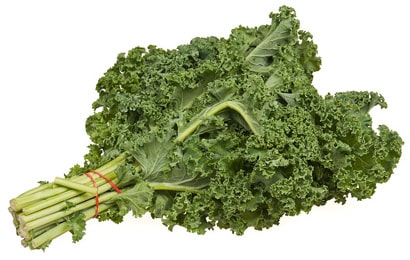
What is Kale?
Kale is a very nutritious green vegetable, which contains almost all the vitamins and nutrients in it. It’s a cruciferous vegetable like cabbage, cauliflower, collard, and broccoli. The leaves of the vegetable are green, purple, and curly in shape. They are also very smooth. There are different varieties of kale. It’s a winter vegetable and contains very high fiber content. Along with fiber content kale is rich in potassium which is good for reducing the heart disorders.
Kale is the native of coastal southern and western Europe, but due to its great nutritional value it is cultivated in many countries such as Canada, Russia, and India.
What is the Classification of Brassica Oleracea?
- Kingdom: Plantae
- Subkingdom: Tracheobionta
- Superdivision: Spermatophyta
- Division: Magnoliophyta
- Class: Magnoliopsida
- Subclass: Dilleniidae
- Order: Capparales
- Family: Brassicaceae
- Genus: Brassica L.
- Species: Brassica oleracea
What Vitamins and Nutrients are Present in Kale?
Kale is very nutritious vegetable it contains a very high amount of vitamin A, vitamin K, vitamin C, vitamin E, vitamin B6, vitamin B1, B2, B3, B5 B6 and B9 and minerals such as manganese, calcium, potassium, copper, selenium, sodium, iron, calcium and magnesium. Along with these minerals and vitamins, it is also a rich source of proteins and carbohydrates. It is considered in the superfoods category. The cooked kale contains more iron content than beef. Kale also contains alpha-linolenic acid and omega-3 fatty acids which are also good for your health.
What is the Nutritional Value of Kale per 100g?
- Calories: 51
- Fats: 1g
- Sodium: 43mg
- Potassium: 491mg
- Calcium: 150mg
- Magnesium: 47mg
- Phosphorus: 92mg
- Selenium: 0.9microgram
- Zinc: 0.6mg
- Total carbs: 10g
- Dietary fibers: 2g
- Protein: 3g
- Vitamin A: 30%
- Vitamin C: 145%
- Vitamin E: 10%
- Vitamin K: 371%
What are the Health Benefits of Kale?
Diabetes
Kale is a very good source of fibers and high intake of fiber may provide protection against diabetes and it lowers the blood glucose level in the body. The patients who have type-2 diabetes, kale helps to control the lipid and insulin level in the body. You can take one cup of chopped kale and cook them. This one cup of cooked kale may contain about 130g of fibers. The alpha- lipoic acid in kale act as an antioxidant which reduces the oxidative damage in the body.
Good for Heart Patients
The high content of fiber, vitamins C, B6, and potassium support the good health of the heart. Potassium is very good for cardiovascular disorders because it helps to ease the tension in your blood vessels and which further lowers the increased blood pressure in the body. It also reduces the coronary artery risk factor. Juice of kale is also good for thyroid patients. The light cooking of kale is good for health. The regular consumption of kale provides a good amount of potassium which reduces the risk of stroke and protection against loss of muscles mass, reduction in kidney stones formation, and also helpful for the preservation of bone mineral density.
Good for Skin and Hair
Kale is a rich source of beta-carotene which is good for skin and proper hair nourishment. It also contains vitamin C which is good for hair and skin because it helps in absorption of iron in the body. One cup of cooked kale contains 1.15mg of iron. Due to this, it is very good for an anemic person because iron helps in the formation of hemoglobin.
Good for Cancer
Kale contains a very good amount of chlorophyll which prevents our body from absorbing heterocyclic amines. These chemicals are produced when you grilled your animal-derived food at high temperature. These chemicals are also one of the reasons for cancer development in your body. Chlorophyll in kale binds with this carcinogen and prevent the absorption of these harmful carcinogens in our body. So kale is very helpful to reduce the risk of cancer in the human body.
Blood Clotting
Vitamin K in kale is the main factor which is helpful for the blood coagulation in the body. vitamin K1 maintain the proper functioning of blood coagulation mechanism and Vitamin K2 is helpful for activating the osteocalcin protein and matrix gla protein this protein inhibit the calcium to strike with the walls of arteries and keep them healthy. The high antioxidant properties of kale neutralize the action of free radicals. Carotenoid and flavonoids are present in kale which acts as a very good antioxidant.
Detoxify the Body
Kale contains sulphur and fiber both are great for flushing out the toxin from the body. This will ultimately help your liver and make them healthy.
Lower Cholesterol
Cholesterol helps the production of bile acids. Which helps you in the digestion of food. When all the food has been absorbed by the body, then bile acids are reabsorbed and ultimately the cholesterol level in the body increase which is not good but there is one substance in kale known as sequestrants can easily bind with these bile acids and inhibits there reabsorption in the body. This will helps to reduce the total amount of cholesterol in the body. High Cholesterol level is one of a major risk factor for heart disease so kale also reduces the risk of coronary heart disorders.
This is one of the best herbal and natural vegetable which is used by the Ayurveda for many body disorders. Many doctors recommend this vegetable for better health. So you should add kale to your daily dietary habits.