
INTRODUCTION
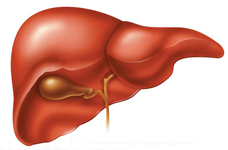
Liver is one of the busiest organs of the human body. It has to deal with the major metabolic processes controlling the body functions and is also the site of detoxification of toxic metabolites, processing of many nutrients and purifying blood.
Many a times due to diseases like hepatitis, or prolonged alcohol abuse or other pathological conditions, the liver cells stop functioning due to the permanent damage of these liver cells that turns into nonfunctional areas of the liver having fibrosis and permanent scarring at that place.
Although there are many health problems associated with Liver and the hepato – biliary system but cirrhosis is one problem associated with the Liver which is like an ultimate situation which is a result of a long standing disease affecting the liver.
ABOUT LIVER CIRRHOSIS

Liver cirrhosis is a progressively damaging disease that occurs over the years with no initial symptoms. The patient may feel lethargic and weak with increased loss of appetite and fatigue at the same time.
These symptoms proceed silently wherein a stage is reached when the liver is no longer able to perform its functions properly. This is when grave symptoms like ascites, peritonitis, and hepatic encephalopathy and other disorders affecting the major organs in the body start appearing.
Liver cancer is one of the most dreadful and terminal stages of liver cirrhosis. All types of inflammation of the liver such as alcoholic, non – alcoholic and viral hepatitis when left uncontrolled result in hepatitis which has far reaching consequences.
DIET AND LIFESTYLE MODIFICATIONS
Modern ways of treating the disease aim at controlling its progression and providing symptomatic relief. Other treatment lines include prevention and management of liver cancer.
A check on diet and an alteration in lifestyle are very much recommended when it comes to taking care of a patient with liver cirrhosis. This includes total abstinence from the use of alcohol and tobacco, making small but long term dietary changes like consuming a low salt diet to prevent water retention in ascites. Healthy vegetable proteins should be included in diet and animal proteins need to be maximally avoided.
Regular vaccination and other health checks are also required to prevent catching any kind of bacterial or viral infection as patients of liver cirrhosis are very prone to develop serious complications from infections that may be as common as flu.
ARE THERE ANY HERBAL REMEDIES FOR LIVER DISEASES?
There are many herbal remedies available that can improve the quality of life and maintain the Liver.
These remedies help to improve general health and wellbeing. Use of such herbal remedies is not aimed at reviving the damaged liver cells but to reestablish body’s natural state of health in the most natural way.
They act as great supporting agents which fulfil the nutritional gaps in the diet of a person and make food wholesome and absolutely healthy to eat.
HERBAL REMEDIES FOR LIVER DISEASES BY PLANET AYURVEDA
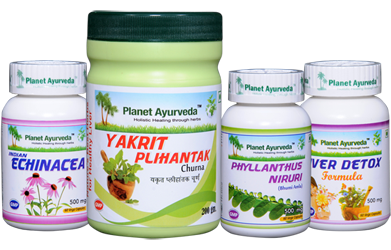
Planet Ayurveda offers best combination of effective herbal remedies such as Liver Care Pack for ayurvedic treatment of liver diseases such as liver cirrhosis. These herbal remedies contains natural herbs, which are very beneficial in the treatment of liver diseases.
DOSAGE
- Indian Echinacea – 2 capsules twice daily after meals with warm water.
- Yakrit Plihantak Churna – You can boil the powder 1 teaspoonful in 400 ml water, keep it boiling until it remains 50 ml. Strain it and drink the water. Leave the residue. Do it twice daily. Make fresh every time.
- Phyllanthus Niruri – 2 capsules twice daily after meals with warm water.
- Liver Detox Capsules – 2 capsules twice daily after meals with warm water.
PRODUCTS DESCRIPTION
1. Indian Echinacea
Echinacea has been used in Ayurveda for stimulating the immune system. This herb is very effective for the liver and lymph nodes. It also helps fight infections such as coughs, tonsillitis, skin inflammations and general infections. Echinacea comes in many different forms. Indian Echinacea are good for promoting the immune system. The parts of the plant i.e. flower, root and leaves all contain immune boosting properties.
2. Yakrit Plihantak Churna
Yakrit Plihantak Churna is an herbal mixture of specific herbs to improve liver function. It helps the liver in clearing away the toxins. It regenerates the liver cells and prevents liver failure. It is useful in liver cirrhosis, jaundice, liver damage due to alcohol, toxins and infection. The herbs increase the bile production and improve liver function. The combination of herbs is an excellent remedy for all liver problems. Yakrit Plihantak Churna is purely an herbal formulation and free from any chemicals.
3. Phyllanthus Niruri
Phyllanthus has been used safely in Ayurveda since ancient times. It is a liver cleanser which may reduce the effect of some modern medicines. Phyllanthus helps to cleanse the liver and also rejuvenates the liver with protection.
4. Liver Detox Formula
Liver Detox Formula combines some of the finest liver stimulating herbs available. The liver plays a key role in the body’s natural self defense system. It converts and neutralizes toxins into safe by products. The liver is one of most important organs of the body. A liver failure affects every organ and tissue of the body. Liver has many functions in the body and the most important is the secretion of bile. A malfunctioning liver can have far reaching effects throughout the body. It leads to symptoms like poor digestion, fatigue, bloating and hormonal irregularities. The combination of various herbs in Liver Detox Formula can help to restore and stimulate liver function. It can be taken daily for continued liver support.
To buy Liver Care Pack, please visit store.planetayurveda.com/products/liver-care-pack