


Ayurveda Ophthalmology – Ayurvedic Science That Deals With Eye And Its Disorders
Abstract
Ayurveda regards the human eye as one of the supreme sense organs, crucial for intellectual development and perceiving the world’s beauty. The eyes begin developing in the 7th week of pregnancy and continue to mature until adulthood. Healthy eyes are essential for clear vision, balance, coordination, and overall quality of life. Neglecting eye care can lead to problems such as eye strain, dryness, infections, or long-term issues like cataracts, glaucoma, and retinal damage, etc. Since the eyes are closely connected to the nervous system and overall body balance, taking care of them is vital for complete well-being. In this context, we will study Ayurveda Ophthalmology (Shalakya Tantra) to understand natural ways to protect and nourish the eyes. In this study, we will also see how Planet Ayurveda is helping people by providing authentic herbal formulations and guidance that support eye health, and strengthen vision naturally.
Introduction
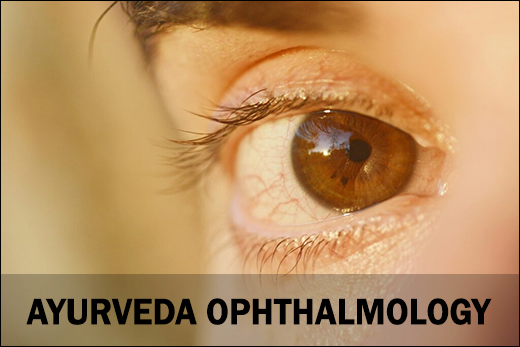
Ayurveda Ophthalmology comes under Shalakya Tantra Vigyaan, which is one of the eight main branches of Ayurveda. This branch focuses on the eyes, head, ears, nose, throat, and upper neck, using natural remedies and therapies to keep them healthy and strong. Neither Acharya Charaka nor Acharya Sushruta clearly defined the term Shalakya, but commentator Dalhana explained it as: “Shalakayah yath karma kriyate taccha shalakayam,” meaning that Shalaka is a tool frequently used for examination and treatment in this branch, therefore the science is called Shalakya Tantra. The word Tantram refers to a method that protects and maintains the body. Shalaka is described as a tool used for piercing or cutting the Netra Patalas (layers or tunics of the eyeball). Although the term Netra Patala refers to the eye structures, this branch is not limited to eye care alone. According to Shivadasa Sena, Shalakya Tantra also deals with diseases of the Karna (ear), Nasa (nose), and Kantha (throat).
The Main Sources For Ancient Indian Eye Medicine
The foundational knowledge of Ayurvedic Ophthalmology that is the part of Shalakya Tantra (One of the eight branches of Ayurvedic medicine), is primarily derived from the major Samhitas, though the original text, Nimi Tantra which is not available nowadays. Nimi, also known as Janaka-Videha, is the traditional, yet controversial, originator of Shalakya Tantra, said to have taught it after being cursed and losing his body. The very act of opening and closing eyelids is termed Nimesha, derived from Nimi. He is believed to have lived centuries before other prominent figures.
Key References Come From The Works Of Several Scholars
- Sushruta explained eye, ear, nose, and head diseases extensively.
- Charaka detailed related head and throat conditions and specific eye ailments.
- Vagbhata recognized up to 96 types of eye diseases.
- Other Rishis who contributed include Galava, Sathyaki (famous for introducing couching surgery for cataract), Bhoja, Bhrigu, Shaunaka, and Kankayana. These scholars, sometimes collectively referenced by the term Nimi, compiled and refined the knowledge, ensuring the continuity of Ayurvedic principles for treating eye diseases.
Global Prevalence Of Vision Impairment
The World Health Organization (WHO) reports that a vast number of people live with some form of vision difficulty:
- Total Affected: At least 2.2 billion people globally have a near or distance vision impairment.
- Avoidable Cases: In at least 1 billion of these cases, the vision impairment could have been prevented or has yet to be addressed.
- Age Factor: The majority of people with vision impairment and blindness are over the age of 50.
- Economic Impact: The annual global cost of lost productivity due to vision impairment is estimated at over US$ 411 billion.
Top Causes of Global Visual Impairment & Blindness: The leading causes of vision loss worldwide are conditions that are often treatable or preventable.
- Uncorrected Refractive Errors: Like nearsightedness, farsightedness, or astigmatism are the main cause of vision impairment.
- Cataract: Clouding of the eye’s lens; this remains the single leading cause of blindness globally.
- Diabetic Retinopathy
- Glaucoma
- Age-Related Macular Degeneration (AMD)
Prevalence in India: India carries a substantial portion of the global burden of eye diseases, with millions of people affected by blindness and visual impairment.
- Blindness: Approximately 4.95 to 6.2 million people in India are blind (around 0.36% of the population).
- Visual Impairment: Around 55 million individuals have moderate to severe visual impairment.
- Disparity: Blindness and moderate to severe visual impairment are significantly more prevalent in rural areas compared to urban regions.
Leading Causes of Blindness in India: Similar to global trends, the most common causes in India are:
- Cataract
- Glaucoma
- Refractive Errors
- Diabetic Retinopathy
Common Causes Of Eye Diseases According To Ayurveda
The great Acharyas (Ayurvedic masters) like Sushruta, Vagbhata, Bhavamishra, Yogaratnakara, Dalhana, and Saranga-dhara compiled following causative factors based on their extensive practical observations and clinical experience. These traditional texts provide a detailed classification of all the errors related to diet, lifestyle, physical activity, and mental state that lead to the unbalancing and vitiation of the Doshas (Vata, Pitta, and Kapha). This imbalance is ultimately identified as the root cause of all diseases, including the complex spectrum of Netra Roga.
Doshaja Causes (Internal)
These result from vitiation of bodily Doshas (Vata, Pitta, Kapha) and psychological factors:
1. Shareera Doshaja (Physical Factors)
- Improper Diet/Lifestyle (Midhyaahara Vihara): Excessive intake of specific tastes (ushna, kshara, katu rasa), alcohol, or liquids.
- Sleep Abnormalities (Swapna Viparyaya): Excessive day sleep (vitiates Kapha) or night waking (vitiates Vata/Pitta).
- Suppressing Urges (Vegavarodha): Suppressing tears (Bhashpa graha) or vomiting (Chardhir vighatath) causes internal pressure (Udavartha Vyadhi) and strains the eyes.
- Excessive Actions: Quick walking (Athi sheeghra yaanath), excessive sexual indulgence (Ati Maithunna), and not following seasonal routines (Ruthunancharya viparyayena).
2. Manasa Doshaja (Psychological Factors)
Anger (Kopa), grief (Shoka), stress, suffering, and pain (Klesha) vitiate Doshas, particularly Pitta and Vata.
Aganthuja Causes (External/Traumatic)
These are direct or indirect external injuries and strains:
- Instrumental Injuries (Abhighaatha): Minute irritative, contusion, or penetrating injuries.
- External Exposure:
- Dust/Smoke (Rajo Dhooma Nisevanath): Causes pricking sensation and injury.
- Exposures: Exposing the head to heat (Shiro Abhitapa) or immediately using cool water after heat (Ushnabhitapthasya jala praveshath).
- Bright Objects (Bhaaswara Vasthu Veskhanam): Eye exposure to bright light causes strain and Timira (visual disorders).
- Strainful Activities:
- Continuous Weeping (Prasaktha Samrodhana)
- Looking Distantly (Doorekshanath)
- Observing Minute Objects (Sukshma Nireeksha Nath)
Classification Of Eye Diseases In Ayurveda
Ayurvedic texts provide a very systematic classification of ocular disorders under Netra Roga. Acharya Sushruta described 76 types of eye diseases, while Vagbhata elaborated further and recognized 96 types of eye disorders. These diseases are classified based on the specific part of the eye involved:
- Sandhigata Roga: Disorders of the junctional areas of the eye
- Vartmagata Roga: Diseases of the eyelids
- Shuklagata Roga: Disorders of the white part of the eye (sclera/conjunctiva)
- Krishnagata Roga: Diseases of the cornea and iris
- Drishtigata Roga: Disorders of the lens, retina, and optic nerve affecting vision
Preventive Principles Of Eye Care In Ayurveda
Ayurveda focuses strongly on preventive care to maintain healthy eyes throughout life. Classical texts recommend:
- Regular washing of eyes with clean, cool water
- Avoiding excessive screen time and intense light exposure
- Protecting eyes from dust, smoke, and pollutants
- Maintaining proper sleep and mental calmness
- Regular use of herbal eye tonics and Rasayana herbs
- Anjana (collyrium) and gentle eye exercises are emphasized for maintaining visual strength
Ayurvedic Therapies For Eye Health
Ayurveda offers specialized therapies to nourish and heal the eyes naturally:
- Netra Tarpana: Nourishing therapy using medicated ghee over the eyes
- Anjana: Application of herbal collyrium to cleanse and strengthen the eyes
- Aschyotana: Instillation of medicated eye drops
- Seka: Continuous pouring of medicated liquids over closed eyes
- Nasya: Nasal administration of medicated oils to strengthen sensory organs
How Planet Ayurveda Is Supporting Eye Health
Planet Ayurveda is a trusted Ayurvedic healthcare company dedicated to promoting natural healing through authentic, herbal formulations. It combines the wisdom of classical Ayurveda with modern scientific standards to create safe, chemical-free products. The brand focuses on root-level healing by balancing the body’s natural energies and strengthening immunity. Planet Ayurveda offers a wide range of herbal supplements, personal care products, and wellness solutions for various health concerns. With a strong commitment to quality, purity, and customer well-being, Planet Ayurveda aims to spread the true essence of Ayurveda worldwide and support a healthier, more natural way of life. The following are the key products offered by Planet Ayurveda for effective eye care:
- Amalaki Rasayan
- Angel Eye Vitale
- Triphala Capsules
- Bilberry Capsules
- Gotukola Capsules
- Jasnoor Eye Drops
- Dhatri Loha
- Mahatriphala Ghrit
- Saptamrit Loha
To buy these Products, please visit store.planetayurveda.com
Conclusion
Ayurveda Ophthalmology offers a profound and holistic understanding of eye health by addressing both the physical and subtle causes of eye disorders. Through balanced diet, disciplined lifestyle, preventive practices, and specialized eye therapies, Ayurveda provides a natural and sustainable approach to preserving vision. In today’s era of increasing screen exposure, stress, and environmental pollution, these time-tested principles are more relevant than ever. With its authentic herbal formulations and expert guidance, Planet Ayurveda is playing a significant role in helping individuals protect their eyesight, strengthen vision, and maintain long-term eye health naturally, thereby supporting a better quality of life through the wisdom of Ayurveda.