


CA 15.3 Test – What is It? Why is It Done? How Can It Help in Breast Cancer Monitoring?
Abstract
The CA 15.3 Test is a blood test used primarily as a tumor marker to monitor certain types of cancers, especially Breast Cancer. CA 15.3 (Cancer Antigen 15.3) is a protein released into the bloodstream by some cancer cells, particularly those originating from breast tissue. Although it is not commonly used to diagnose cancer in the early stages, it plays an important role in monitoring treatment response, detecting recurrence, and evaluating disease progression. From an integrative health perspective, regular monitoring of tumor markers helps physicians assess disease behavior, while supportive Ayurvedic measures focus on improving metabolism, enhancing immunity, and maintaining tissue balance.
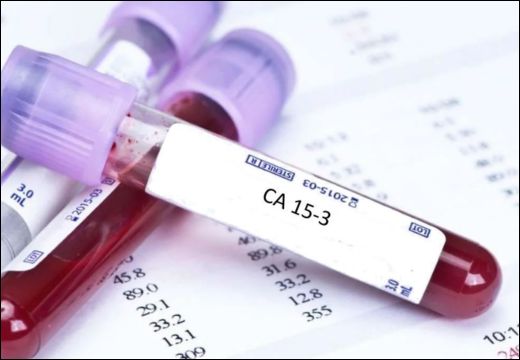
What Is The CA 15.3 Test?
The CA 15.3 test is a laboratory blood test that measures the level of Cancer Antigen 15.3, a protein found on the surface of certain cells. In some cancers, especially breast cancer, this protein is released into the bloodstream in higher amounts.
Key Points
- It is a blood-based tumor marker test
- Primarily used to monitor breast cancer
- Helps track treatment effectiveness
- Useful in detecting cancer recurrence
- Often performed along with other tests and imaging studies
Unlike imaging tests, CA 15.3 does not show the location of cancer but provides information about disease activity.
Why Is The CA 15.3 Test Done?
Doctors recommend the CA 15.3 test mainly for monitoring known cancer cases, rather than for screening healthy individuals.
Monitoring Breast Cancer Treatment
This is the most common reason for performing the CA 15.3 test.
It helps:
- Evaluate response to chemotherapy or radiation
- Determine whether treatment is working
- Monitor disease progression
- Assess effectiveness of ongoing therapy
If CA 15.3 levels decrease during treatment, it usually indicates positive response.
Detecting Cancer Recurrence
After successful treatment, cancer may sometimes return. The CA 15.3 test helps in:
- Early detection of recurrence
- Monitoring long-term follow-up
- Identifying disease activity before symptoms appear
Assessing Metastatic Disease
In advanced stages of breast cancer, cancer cells may spread to other organs such as:
- Bones
- Liver
- Lungs
How Is The CA 15.3 Test Performed?
Procedure Steps
- A healthcare professional collects a blood sample from a vein in the arm.
- The sample is sent to a laboratory.
- The level of CA 15.3 protein is measured.
- Results are typically available within 24–48 hours.
Normal Range Of CA 15.3
The normal range may vary slightly between laboratories, but generally:
- Normal Range: Less than 30 U/mL
- Borderline: 30–40 U/mL
- Elevated: Above 40 U/mL
What Do The Results Mean?
Low levels usually indicate:
- No active disease
- Effective treatment response
- Stable cancer condition
Moderate increases may indicate:
- Ongoing cancer activity
- Partial treatment response
- Non-cancerous conditions
Very high CA 15.3 levels may suggest:
- Advanced breast cancer
- Metastatic disease
- Cancer recurrence
Conditions Other Than Cancer That May Increase CA 15.3
CA 15.3 levels may rise in certain non-cancerous conditions, including:
- Liver diseases
- Benign breast conditions
- Autoimmune disorders
- Chronic inflammatory conditions
- Pregnancy (rarely)
Therefore, this test alone cannot diagnose cancer.
Limitations Of The CA 15.3 Test
Many early-stage breast cancers do not produce high CA 15.3 levels. Therefore, it is not recommended as:
- A screening test
- A standalone diagnostic test
Some non-cancerous conditions may cause elevated levels, leading to confusion. Doctors usually combine CA 15.3 with:
- Clinical examination
- Imaging tests
- Other tumor markers
When Is The CA 15.3 Test Repeated?
Typical frequency:
- Every 1–3 months during active treatment
- Every 3–6 months during follow-up
- As advised by the oncologist
Other Tests Used Along With CA 15.3
Doctors often combine CA 15.3 with other investigations such as:
- Imaging studies
- Mammography
- Ultrasound
- CT scan
- PET scan
- Other tumor markers like CA 27.29 or CEA
Who Should Get A CA 15.3 Test?
The CA 15.3 test is not meant for routine screening in healthy individuals. It is mainly recommended for patients who have already been diagnosed with Breast Cancer or are undergoing treatment. Doctors may advise this test for individuals receiving chemotherapy, radiation therapy, or hormonal therapy to evaluate treatment response. It may also be suggested during follow-up visits after cancer treatment to monitor for possible recurrence. In patients with advanced or metastatic disease, regular CA 15.3 testing helps assess disease progression and guide future treatment decisions.
The Ayurvedic Perspective
From an Ayurvedic viewpoint, tumor development is associated with long-standing metabolic imbalance, accumulation of Ama (toxins), and disturbance in Dhatu (Tissue) metabolism, particularly Rakta (Blood Tissue) and Mamsa Dhatu (Adipose Tissue).
Ayurvedic Interpretation
| Element | Ayurvedic Concept | Modern Correlation |
|---|---|---|
| Ama | Toxic metabolic waste | Cellular toxins/inflammation |
| Meda & Mamsa Dushti | Tissue imbalance | Tumor formation |
| Srotorodha | Channel obstruction | Tumor growth/metastasis |
| Agni Mandya | Weak digestion | Poor metabolism |
Ayurvedic Support In Breast Health And CA 15.3 Monitoring
From an Ayurvedic perspective, conditions such as Breast Cancer are associated with long-standing Dosha imbalance, accumulation of Ama (metabolic toxins), and disturbances in Rakta and Mamsa Dhatu (blood and muscle tissues). While the CA 15.3 test helps monitor disease progression and treatment response, Ayurveda focuses on strengthening the body’s internal defense system, improving metabolism, and maintaining tissue health. The primary goals include enhancing Agni (digestive fire), promoting detoxification, improving immunity (Ojas), and maintaining proper circulation in the Stanya and Raktavaha Srotas (breast and blood channels).
Important Ayurvedic Herbs Supporting Breast Health
- Ashwagandha (Withania somnifera): Ashwagandha is a powerful adaptogenic herb known for enhancing immunity, reducing stress, and improving overall vitality. Chronic stress weakens immunity and contributes to disease progression, so Ashwagandha helps strengthen Ojas (Vital Nectar of Life) and supports recovery during long-term illness. It also improves strength, stamina, and tissue nourishment.
- Guduchi (Tinospora cordifolia): Guduchi is widely known for its Rasayana (rejuvenating) properties and strong immune-modulating effects. It helps detoxify the blood, supports liver function, and improves resistance against infections. Guduchi also aids in removing Ama, thereby promoting proper tissue metabolism and overall systemic balance.
- Turmeric (Curcuma longa): Haridra (Turmeric) possesses powerful antioxidant and anti-inflammatory properties. It supports healthy cellular function and helps reduce inflammatory processes in tissues. Turmeric also promotes liver detoxification and supports healthy digestion, which is essential for preventing toxin accumulation.
- Kanchanar (Bauhinia variegata): Kanchanar is traditionally used in Ayurveda to support glandular and lymphatic health. It helps regulate abnormal tissue growth and supports detoxification of lymphatic channels (Rasavaha Srotas). It is commonly used in conditions involving glandular swelling or abnormal tissue accumulation.
- Tulsi (Ocimum sanctum): Tulsi supports immunity, improves respiratory health, and helps reduce oxidative stress. Its rejuvenating properties help protect cells from damage and support overall systemic resilience during long-term health challenges.
- Manjistha (Rubia cordifolia): Manjistha is considered one of the best blood-purifying herbs in Ayurveda. It supports proper circulation, detoxifies the blood, and helps maintain healthy tissue metabolism. Its action on Rakta Dhatu (Blood Tissue) makes it valuable in maintaining cellular health.
Ayurvedic Daily Routine (Dinacharya) For Preventing Breast Cancer Spread
Morning Routine
- Wake up early, preferably during Brahma Muhurta (around sunrise)
- Drink warm water to stimulate digestion and detoxification
- Practice gentle yoga and stretching to improve circulation
- Perform Pranayama, such as Anulom Vilom (Alternate nasal breathing) and Bhramari (Humming Bee Breath), to enhance oxygenation and reduce stress.
- Take a light and nourishing breakfast
Dietary Routine
Recommended foods:
- Fresh fruits and vegetables
- Whole grains such as barley and millets
- Warm and freshly prepared meals
- Turmeric, cumin, coriander, and garlic in cooking
- Herbal teas made with Tulsi or ginger
Foods to avoid:
- Processed and packaged foods
- Excess sugar
- Deep-fried and oily foods
- Cold or refrigerated meals
- Artificial additives and preservatives
Afternoon Routine
- Eat lunch at a regular time, preferably when digestion is strongest
- Avoid overeating
- Maintain adequate hydration
Evening Routine
- Practice meditation or relaxation techniques
- Engage in light physical activity such as walking
- Eat a light dinner before sunset or at least 2–3 hours before sleep
- Avoid heavy meals at night
Sleep Routine
- Sleep by 10–10:30 PM
- Maintain a calm and quiet sleeping environment
- Avoid late-night screen exposure
- Ensure 7–8 hours of restful sleep
Difference Between CA 15.3 And Other Tumor Markers
The CA 15.3 test is often used along with other tumor markers to provide a more complete understanding of disease status in conditions like Breast Cancer. While CA 15.3 focuses mainly on monitoring breast cancer, other tumor markers such as CA 27.29 and CEA (Carcinoembryonic Antigen) may also be used depending on the clinical situation. Each marker has its own role, sensitivity, and limitations. Doctors usually interpret these tests collectively rather than individually, as combined analysis improves diagnostic accuracy and helps track treatment progress more effectively.
Conclusion
The CA 15.3 test plays a valuable role in monitoring conditions such as Breast Cancer by helping assess treatment response, detect recurrence, and evaluate disease progression over time. Although it is not used as a primary diagnostic or screening tool, its regular monitoring provides important clinical insights when combined with imaging studies and medical evaluation. From an integrative perspective, modern diagnostic tools like the CA 15.3 test help track disease status, while Ayurveda supports overall health through improving Agni (digestive strength), reducing Ama (toxins), and enhancing Ojas (Vital nectar of life). The combined use of appropriate medical monitoring, Ayurvedic herbs, balanced nutrition, stress management, and disciplined daily routine offers a comprehensive approach to maintaining systemic balance and supporting long-term well-being.