


Devdaru / Deodar / Himalayan Cedar / Cedrus Deodara – Medicinal Properties, Benefits & Dosage
Abstract
Devdaru (Cedrus deodara), commonly known as Deodar or Himalayan Cedar, is a majestic evergreen conifer revered in Ayurveda for its strong therapeutic and aromatic properties. The name Devdaru literally means “wood of the gods,” reflecting its sacred status and medicinal importance in classical texts. Traditionally, Devdaru is valued for its Kaphavata-shamaka, Deepana, Shothahara, and Vedanasthapana actions, making it useful in disorders of the respiratory system, joints, skin, and urinary tract. Its heartwood, bark, and essential oil have been extensively used in Ayurvedic formulations for managing inflammation, pain, infections, and metabolic imbalances. Modern scientific studies further support these traditional claims by highlighting Devdaru’s anti-inflammatory, antimicrobial, analgesic, antioxidant, and immunomodulatory activities. Due to its dual relevance in classical Ayurveda and contemporary research, Devdaru holds an important place as a medicinal plant bridging traditional wisdom with evidence-based herbal science.
Classical Reference Of Devdaru (Cedrus Deodara)
Bhavprakash Nighantu Karpooradi Varga Page no. 187
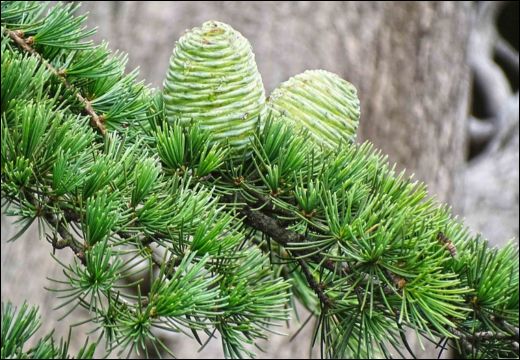
Scientific Classification Of Devdaru (Cedrus Deodara)
- Kingdom: Plantae
- Subkingdom: Tracheobionta (Vascular plants)
- Superdivision: Spermatophyta (Seed-bearing plants)
- Division: Pinophyta (Conifers)
- Class: Pinopsida
- Order: Pinales
- Family: Pinaceae
- Genus: Cedrus
- Species: deodara
Synonyms Of Devdaru (Cedrus Deodara)
- Devadaru: Wood of the Gods.
- Darubhadra: The auspicious wood.
- Darvindra: King of woods.
- Mastadaru: High-quality timber.
- Drukilimam / Kilimam: Referring to its oily or resinous bark/wood.
- Surabhuruha: The divine tree.
- Daru: Wood/Timber
- Surahva: Called by the gods
- Kilima: Pine-like wood
- Snehaviddha: Permeated with oil/resin
- Mahadaru: Great wood
- Bhadradaru: Auspicious wood
- Indradaru: Wood of Indra
- Devakastham: Wood of the gods
- Bhadrakastham: Auspicious wood
- Putikastham: Wood with a strong/pungent scent (referring to the aromatic resin)
- Sudaru: Excellent wood
- Suradaru: Divine timber
- Indravrksa: The tree of Lord Indra
- Amaradaru: Immortal/Divine wood
- Sivadaru: The wood belonging to Lord Shiva
- Sambhava: Originating from Shambhu a name for Lord Shiva
- Bhutahari: The destroyer of evil spirits or the purifier
- Bhavadaru: The wood of Bhava another name for Lord Shiva
- Rudradaru: The wood of Rudra the fierce form of Lord Shiva
Vernacular Names Of Devdaru (Cedrus Deodara)
- Sanskrit: Devdaru, Suradruma, Amaradaru
- Hindi: Devdar, Deodar
- English: Deodar, Himalayan Cedar, Pinus Deodar
- Marathi: Devdar
- Gujarati: Devdaar
- Bengali: Debdar
- Tamil: Devadaram
- Telugu: Devadaru
- Kannada: Devadaru
- Malayalam: Devadaram
- Punjabi: Devdar
- Urdu: Deodar
Habitat Of Devdaru (Cedrus Deodara)
Geographical Distribution
Devdaru (Cedrus deodara) is a native conifer of the Himalayan region and is predominantly distributed across the north-western Himalayas. It occurs naturally in India, Pakistan, Afghanistan, and Nepal. In India, Devdaru forests are mainly found in the states of Himachal Pradesh, Uttarakhand, Jammu & Kashmir, and parts of Arunachal Pradesh. Due to its ecological and ornamental value, it has also been introduced and cultivated in temperate regions of Europe, North America, and other parts of the world.
Climatic Requirements
Devdaru thrives in cool to temperate mountain climates. It prefers regions with cold winters and mild summers, tolerating temperatures ranging from approximately –15 °C in winter to about 25 °C in summer. The tree requires moderate to high rainfall and performs well in areas receiving annual precipitation of around 100–200 cm, including snowfall at higher altitudes. Prolonged extreme heat and humid tropical climates are unsuitable for its growth.
Soil Preferences
Devdaru grows best in deep, well-drained loamy or sandy-loam soils rich in organic matter. Slightly acidic to neutral soils with good aeration are considered ideal. Although the tree shows some tolerance to rocky and shallow mountain soils, waterlogged, highly compacted, or saline soils adversely affect root development and overall growth.
Altitude Range
Floristic and forestry records indicate that Devdaru is commonly found at elevations ranging from about 1,200 to 3,200 meters above mean sea level. Its optimal growth is usually observed between 1,800 and 2,800 meters, where climatic and soil conditions are most favorable.
Ecological And Forest Habitat
Devdaru is a dominant or co-dominant species in temperate Himalayan forests. It often grows in association with other conifers such as Pinus wallichiana, Abies pindrow, and Picea smithiana, as well as with broad-leaved species like oak (Quercus spp.). The extensive root system of Devdaru helps prevent soil erosion on mountain slopes, contributing significantly to ecological stability. Due to its long lifespan, strong timber, and environmental benefits, Devdaru plays an important role in sustainable forest ecosystems of the Himalayan region.
Morphology Of Devdaru (Cedrus Deodara)
Habit
Devdaru (Cedrus deodara) is a tall, evergreen coniferous tree known for its graceful, pyramidal shape. It commonly grows to a height of about 40–50 meters, and under favorable conditions may become even taller. The crown is conical in young trees and becomes broader with age. The branches spread horizontally, while the smaller branchlets characteristically droop downward, giving the tree a distinctive elegant appearance.
Root System
The tree develops a strong and extensive root system that provides firm anchorage on mountain slopes. This well-developed rooting pattern contributes to its resistance against wind and soil erosion, an important ecological feature in Himalayan terrains.
Bark
The bark is dark gray to brownish-gray in color. In young trees it is relatively smooth, but with maturity it becomes thick, rough, and deeply fissured or ridged. The aromatic nature of the wood and bark is a notable identifying feature.
Stem / Trunk
The trunk is straight, massive, and cylindrical, often attaining a large girth. The wood is hard, durable, and strongly scented due to the presence of essential oils, which also provide natural resistance to insects and decay.
Leaves
Leaves are needle-shaped, narrow, and rigid, remaining on the tree throughout the year. They usually measure 2.5–5 cm in length, sometimes longer. Needles are borne singly on elongated shoots and in dense clusters on short shoots. Their color ranges from light green to bluish-green, contributing to the tree’s ornamental value.
Reproductive Nature
Devdaru is monoecious, meaning male and female cones are present on the same plant, but as separate structures.
Male Cones
Male cones are elongated and cylindrical in shape. They appear singly on short shoots and release pollen during the reproductive season, facilitating wind pollination.
Female Cones
Female cones are larger, upright, and barrel-shaped. They take about one year to mature. At maturity, the cones do not fall intact; instead, they disintegrate on the tree to release seeds.
Seeds
The seeds are small and provided with broad wings, which help in wind dispersal. This adaptation allows natural propagation over wide mountainous areas.
Classical Categorisation Of Devdaru (Cedrus Deodara)
- Bhavprakash Nighantu: Karpooradi Varga
- Dhanwanthari Nighantu: Guduchyadi Varga
- Raj Nighantu: Chandanadi Varga
Ancient Verses For Devdaru (Cedrus Deodara)
Verse No. 1
देवदारु स्मृतं दारुभद्रं दार्विन्द्रदारु च ।
मस्तदारु द्रुकिलिमं किलिमं सुरभूरुहः ॥
देवदारु लघु स्निग्धं तिक्तोष्णं कटुपाकिक च।
विबन्धाध्मानशोथामतन्द्राहिक्काज्वरास्त्रजित् ।
प्रमेहपीनसश्लेष्मकासकण्डूसमीरनुत् ॥
Bhavprakash Nighantu Karpooradi Varga Verse No. 24-25
Verse Interpretation
1. Synonyms
- Devadaru: Wood of the Gods.
- Darubhadra: The auspicious wood.
- Darvindra: King of woods.
- Mastadaru: High-quality timber.
- Drukilimam / Kilimam: Referring to its oily or resinous bark/wood.
- Surabhuruha: The divine tree.
2. Physical & Chemical Attributes
- Laghu (Light): Easily digestible and doesn’t linger in the system.
- Snigdha (Unctuous/Oily): It has a natural oiliness that balances dryness.
- Tikta (Bitter): Its primary taste is bitter.
- Ushna (Hot): It has a heating potency (Virya).
- Katu-pakika: It has a pungent post-digestive effect (Vipaka).
3. Therapeutic Benefits
- Vibandha: Constipation
- Adhmana: Bloating or flatulence
- Shotha: Inflammation or swelling
- Ama: Metabolic toxins
- Tandra: Drowsiness or lethargy
- Hikka: Hiccups
- Jvara: Fever
- Asra-jit: Blood purifier (conqueror of blood disorders)
- Prameha: Urinary disorders or diabetes
- Pinasa: Chronic rhinitis/sinusitis
- Shleshma-Kasa: Cough related to excess Kapha
- Kandu: Itching
- Samiranut: Balances Vata
Verse No. 2
देवदारु स्मृतं दारु सुराह्वं किलिमं च तत् ।
स्नेहविद्धं महादारु भद्रदार्विन्द्रदारु च ॥
Dhanwanthari Nighantu Guduchyadi Varga Verse No. 75
Verse Interpretation
1. Synonyms Of Devdaru
- Devadaru (Wood of the Gods)
- Daru (Wood/Timber)
- Surahva (Called by the gods)
- Kilima (Pine-like wood)
- Snehaviddha (Permeated with oil/resin)
- Mahadaru (Great wood)
- Bhadradaru (Auspicious wood)
- Indradaru (Wood of Indra)
Verse No. 3
देवकाष्ठं भद्रकाष्ठं पूतिकाष्ठं सुदारु च ।
सुरदार्विन्द्रवृक्षश्च तथैवासंरदारु च ॥
Dhanwanthari Nighantu Guduchyadi Varga Verse No. 76
Verse Interpretation
- Devakastham: Wood of the gods.
- Bhadrakastham: Auspicious wood.
- Putikastham: Wood with a strong/pungent scent (referring to the aromatic resin).
- Sudaru: Excellent wood.
- Suradaru: Divine timber.
- Indravrksa: The tree of Lord Indra.
- Amaradaru: Immortal/Divine wood.
Verse No. 4
देवदारु रसे तिक्तं स्निग्धोष्णं श्लेष्मवातजित् ।
आमदोषविबन्धाध्मप्रमेहविनिवर्त्तकम् ॥
Dhanwanthari Nighantu Guduchyadi Varga Verse No. 77
Verse Interpretation
This verse describes the medicinal properties and uses of the plant:
- Taste: Bitter
- Qualities: Snigdha (unctuous) and hot
- Dosha Action: Pacifies Vata and Kapha
Therapeutic Benefits
- Cures indigestion
- Relieves constipation
- Treats tympanites (bloating/gas)
- Treats polyuria (frequent urination/excessive volume)
Verse No. 5
देवदारु सुरदारु दारुकं स्निग्धदारुरमरादिदारु च ।
भद्रदारु शिवदारु शाम्भवं भूतहारि भवदारु रुद्रवत् ॥
स्निग्धदारु स्मृतं तिक्तं स्निग्धोष्णं श्लेष्मवातजित् ।
आमदोषविबन्ध्यार्शः प्रमेहज्वरनाशनम् ॥
Raj Nighantu Chandanadi Varga Verse No. 28-29
Verse Interpretation
Synonyms Of Devdaru
- Devdaru: Wood of the Gods
- Deva: God
- Daru: Wood
- Surdaru: Wood of the Deities
- Sura: Another term for a celestial being
- Darukam: Simply translates to The Wood or Log
- Snigdhadaru: Oily or unctuous wood referring to the trees high resin content
- Amardaru: Immortal wood highlighting its strength and longlasting nature
- Bhadradaru: Auspicious or blessed wood
- Sivadaru: The wood belonging to Lord Shiva
- Sambhava: Originating from Shambhu a name for Lord Shiva
- Bhutahari: The destroyer of evil spirits or the purifier
- Bhavadaru: The wood of Bhava another name for Lord Shiva
- Rudradaru: The wood of Rudra the fierce form of Lord Shiva
Properties Of Devdaru
Characterized by its bitter taste, oily nature, and warming effect. It is traditionally utilized to counteract imbalances in the Vata and Kapha Dosha. Medical applications for this plant include managing fevers, hemorrhoids, and digestive issues like constipation or ama dosha (metabolic toxins). Furthermore, it is regarded as an effective treatment for persistent urinary ailments, including prameha or diabetes mellitus.
Ayurvedic Properties Of Devdaru (Cedrus Deodara)
- Rasa (Taste): Tikta (Bitter)
- Guna (Qualities): Laghu (Light), Snigdha (Unctuous)
- Veerya (Potency): Ushna (Hot)
- Vipaka (Post-digestive effect): Katu (Pungent)
Action On Tridosha Of Devdaru (Cedrus Deodara)
Devdaru (Cedrus deodara) mainly balances Kapha and Vata dosha, but due to its hot potency, it may increase Pitta if used in excess.
Therapeutic Indications Of Devdaru (Cedrus Deodara)
- Vibandha: Constipation
- Adhmana: Bloating or flatulence
- Shotha: Inflammation or swelling
- Ama: Metabolic toxins
- Tandra: Drowsiness or lethargy
- Hikka: Hiccups
- Jvara: Fever
- Asra-jit: Blood purifier (conqueror of blood disorders)
- Prameha: Urinary disorders or diabetes
- Pinasa: Chronic rhinitis/sinusitis
- Shleshma-Kasa: Cough related to excess Kapha
- Kandu: Itching
- Samiranut: Balances Vata
- Arsha: Piles
Systemic Actions Of Devdaru (Cedrus Deodara)
- External Use: When applied externally, Devdaru helps relieve pain and swelling, cleanses wounds, and supports faster wound healing. Its antimicrobial and anti-inflammatory properties make it useful in various skin disorders. Devdaru oil is traditionally applied in fractures, joint disorders, traumatic injuries, and chronic wounds to reduce discomfort and promote tissue repair.
- Nervous & Musculoskeletal System: Devdaru is beneficial in osteoarthritis, rheumatic joint disorders, sciatica, headaches, and Vata-related pain conditions, where it helps reduce stiffness, inflammation, and pain.
- Digestive System: It acts as a carminative and digestive stimulant, aiding in conditions such as abdominal bloating, indigestion, constipation, and intestinal worm infestations (helminthiasis).
- Circulatory System: Due to its Ushna Veerya (hot potency), Devdaru enhances circulation and supports cardiac function. Its bitter principle helps in blood purification and reduction of inflammatory swelling, making it useful in blood-borne disorders, lymphadenitis, and filariasis.
- Respiratory System: Devdaru helps eliminate excess Kapha from the respiratory tract. It is indicated in cough (Kasa), running nose, respiratory congestion, and hiccups, supporting clearer breathing.
- Excretory System: It promotes urine output (Mutrala action) and supports urinary tract health. The bitter constituents also assist in blood sugar regulation, making it useful in painful urination, urinary tract infections, and diabetes-associated urinary complaints.
- Reproductive System: Devdaru is traditionally used to purify breast milk and cleanse the uterus, hence indicated in puerperal and post-delivery disorders.
- Metabolic Action: It supports metabolic balance and is useful in managing obesity by reducing excess Kapha and improving metabolism.
- Skin: Internally and externally, Devdaru is beneficial in various skin diseases, especially those associated with infection, inflammation, and itching.
- Febrile Conditions: Devdaru is indicated in Jirna Jwara (chronic or lingering fever), where it helps clear toxins and restore metabolic balance.
Chemical Composition Of Devdaru (Cedrus Deodara)
1. α-, β- And γ-Himachalene
The principal sesquiterpenes found in Devdaru wood and oil. These compounds exhibit strong anti-inflammatory and analgesic activities, which explains the traditional use of Devdaru in arthritis, joint pain, swelling, and other Vata-dominant musculoskeletal disorders. They also contribute to its antimicrobial action.
2. Himachalol
A sesquiterpene alcohol, possesses pain-relieving and muscle-relaxant properties. It supports Devdaru’s use in conditions such as sciatica, headache, stiffness, and nerve-related pain. Research also suggests a mild neuroprotective effect.
3. Cedrol
A key constituent of Devdaru essential oil. It shows sedative, calming, and antimicrobial actions, making Devdaru useful in stress-related conditions, insomnia, skin infections, and wound healing. Cedrol also contributes to its traditional external use as an antiseptic.
4. Atlantol And Deodarone
Exhibit anti-inflammatory and antiseptic properties, supporting Devdaru’s role in reducing swelling, controlling infections, and promoting tissue healing, especially in chronic wounds and inflammatory conditions.
5. Phenolic Compounds And Flavonoids
Act as antioxidants, protecting tissues from oxidative damage. These compounds support liver health, metabolic balance, and immune modulation.
6. Tannins
Provide astringent and antimicrobial effects, which help in wound cleansing, reducing secretions, and managing skin and mucosal infections.
7. Resins And Oleoresins
Contribute to the antiseptic, anti-parasitic, and protective actions of Devdaru, especially in external applications and respiratory disorders.
Practical Uses / Health Benefits Of Devdaru (Cedrus Deodara)
- Helps reduce joint pain, stiffness, and swelling, especially in arthritis, sciatica, and other Vata-related musculoskeletal disorders.
- Supports respiratory health by clearing excess mucus, making it useful in cough, cold, bronchitis, and asthma.
- Aids digestion and metabolism by stimulating appetite and reducing bloating, indigestion, and ama accumulation.
- Promotes urinary tract health by supporting urine flow and helping in urinary infections and discomfort.
- Assists in weight management by reducing excess Kapha and improving metabolic activity.
- Supports liver function and detoxification, useful in metabolic and toxin-related disorders.
- Helps in blood purification and reducing inflammatory conditions associated with heat and toxins.
- Beneficial in skin disorders, wounds, and infections due to its antimicrobial and wound-healing properties.
- Supports immune function by helping the body resist infections and parasites.
- Useful in chronic fever and inflammatory conditions by reducing toxins and restoring metabolic balance.
Part(S) Used Of Devdaru (Cedrus Deodara)
- Heartwood (Kashtha)
- Bark (Twak)
- Essential oil (extracted from wood)
- Resin / Oleoresin
Dosage Of Devdaru (Cedrus Deodara)
- Devdaru Churna (powder of heartwood): 1–3 g, once or twice daily, with warm water or honey.
- Devdaru Kwatha (decoction): 20–40 ml per day, taken in divided doses.
- Devdaru Taila (oil for external application): Applied locally over affected areas once or twice daily.
- Devdaru Essential Oil: For external use only; diluted and applied as needed or used in aromatherapy under professional guidance.
Home Remedies With Devdaru (Cedrus Deodara)
- For Joint Pain And Stiffness: Warm Devdaru oil and gently massage over painful joints. Regular external application helps reduce pain, swelling, and stiffness associated with arthritis and Vata disorders.
- For Cough And Respiratory Congestion: A decoction prepared from Devdaru heartwood, taken in small quantities, helps clear excess mucus and supports easier breathing in cough and cold conditions.
- For Skin Infections And Wounds: A paste made from Devdaru powder mixed with clean water or honey can be applied externally to minor wounds, itching, and skin infections to promote healing and prevent microbial growth.
- For Digestive Discomfort And Bloating: A mild Devdaru decoction taken after meals helps stimulate digestion, reduce gas, and relieve abdominal heaviness.
- For Stress And Mental Fatigue: A few drops of diluted Devdaru essential oil used in massage or aromatherapy help calm the mind and relieve fatigue.
Classical Products With Devdaru (Cedrus Deodara)
- Devadarvadi Kashaya
- Devadarvyarishtam
- Chandraprabha Vati
- Maharasnadi Kashayam
- Pushkaramoolasava
- Anu Taila
Planet Ayurveda Products With Devdaru (Cedrus Deodara)
- Tapyadi Loha
- Vriddhi Vadhika Vati
- Mahamanjishthadi Kwath
- Khadirarisht
- Maha Rasnadi Kwath
- Mahamash oil
- Dashmularisht
- Chavyakarisht
- Kottamchu Thailam
- Kalyanaka Ghrit
- Sarvjwarhar Loha
- Kumaryasav
- Cotton Asthiadi Thailam
- Barleria Sehchar Thailam
Research On Devdaru (Cedrus Deodara)
- Anti-Inflammatory And Analgesic Activity: Experimental studies demonstrate that extracts and essential oil of Cedrus deodara significantly reduce inflammation and pain in animal models. These effects support the classical Ayurvedic use of Devdaru in conditions like Sandhivata (osteoarthritis), Amavata (rheumatoid arthritis), Shoola (pain), and Shotha (swelling). The inhibition of inflammatory mediators and reduction of tissue edema are considered key mechanisms.
- Antioxidant Potential: Research shows that Devdaru possesses strong antioxidant activity, evidenced by its ability to neutralize free radicals and reduce oxidative stress. This property helps protect cells from damage and supports its role in chronic inflammatory diseases, degenerative disorders, and general tissue health.
- Antimicrobial And Antifungal Effects: Various in vitro studies confirm that Devdaru extracts and essential oil exhibit antibacterial and antifungal activity against multiple pathogenic organisms. This validates its traditional use in skin diseases, wounds, ulcers, and infections, as well as its external application in oils and lepas.
- Effects On Metabolism And Lipid Profile: Animal studies indicate that Cedrus deodara extracts may help regulate lipid metabolism by lowering cholesterol, triglycerides, and low-density lipoproteins while improving high-density lipoproteins. These findings support its potential role in managing obesity, dyslipidemia, and metabolic disorders, aligning with Ayurvedic concepts of Medohara and Ama-pachana actions.
- Neuroprotective And Anticonvulsant Activity: Research on the nervous system suggests that alcoholic extracts of Devdaru show anticonvulsant and neuroprotective effects in experimental models. These observations correlate with its classical use in Vata-dominant neurological disorders, tremors, and pain syndromes.
- Immunomodulatory And Antiparasitic Activity: Certain experimental studies indicate immunomodulatory properties of Devdaru, along with activity against parasitic organisms in laboratory models. These effects may explain its classical use in chronic infections, fever, and systemic inflammatory conditions.
Conclusion
Devdaru (Cedrus deodara) stands as a highly esteemed medicinal plant in Ayurveda, valued for its potent Kaphavata-shamaka, Deepana (Carminative), Shothahara (Anti-inflammatory), and Vedanasthapana (Analgesic) properties. Classical texts consistently describe its usefulness in managing disorders related to joints, respiration, digestion, urinary system, skin, and chronic inflammatory conditions. The heartwood, bark, and resin of Devdaru are traditionally employed both internally and externally, while its oil is mainly reserved for external therapeutic applications. Modern scientific research strongly supports these traditional claims by confirming its anti-inflammatory, antimicrobial, antioxidant, analgesic, neuroprotective, and immunomodulatory activities. Thus, Devdaru effectively bridges classical Ayurvedic wisdom with contemporary evidence-based research, reinforcing its importance as a versatile and reliable herbal drug in holistic healthcare and integrative medicine.