


CK-MB Test – What is It? Why is It Done? How Can Ayurveda Support Heart Health?
Abstract
The CK-MB (Creatine Kinase-MB) Test is a specialized blood test used to detect damage to the heart muscle. CK-MB is an enzyme primarily found in the heart muscle, and its levels increase in the bloodstream when heart muscle cells are injured. This test is commonly used in the diagnosis of heart attacks, evaluation of chest pain, and monitoring of heart muscle injury. When heart cells are damaged due to reduced blood supply or blockage of coronary arteries, CK-MB leaks into the blood, making it a valuable marker for identifying myocardial injury. The CK-MB Test is often recommended for patients presenting with symptoms such as chest pain, shortness of breath, nausea, or sweating. It plays an important role in assessing cardiac damage, determining severity, and monitoring recovery after cardiac events. As part of modern cardiac diagnostics, the CK-MB Test helps clinicians make timely treatment decisions and improve patient outcomes.
What Is CK-MB Test?
The CK-MB Test is a laboratory blood test used to measure the level of Creatine Kinase-MB (CK-MB), an enzyme that is primarily found in heart muscle cells. CK-MB is one of the three major forms of creatine kinase enzymes present in the body, and it plays an important role in energy production within muscle tissues, especially the heart. When the heart muscle becomes injured or damaged, CK-MB is released from the heart cells into the bloodstream. Measuring the level of CK-MB in the blood helps doctors identify whether damage to the heart muscle has occurred. An increase in CK-MB levels is often associated with conditions such as heart attacks or other forms of cardiac injury. This test is commonly performed along with other cardiac biomarkers, particularly cardiac troponins and markers associated with myocardial infarction, to provide a more accurate assessment of heart muscle damage and to support timely diagnosis and treatment.
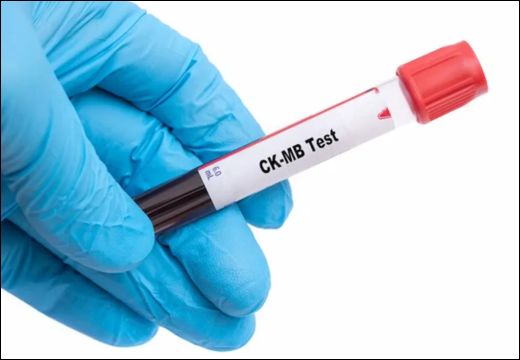
Key Benefits Of CK-MB Test Include
- Detection of heart muscle damage
- Diagnosis of heart attack
- Monitoring recovery after cardiac events
- Differentiation between cardiac and skeletal muscle injury
- Evaluation of severity of myocardial injury
- Assessment of reinfarction (second heart attack)
How Does CK-MB Test Work?
The CK-MB Test works by measuring the level of Creatine Kinase-MB (CK-MB) enzyme present in the bloodstream. CK-MB is normally found inside heart muscle cells, where it plays an important role in energy production required for proper muscle contraction. When the heart muscle is damaged, this enzyme leaks out of the cells and enters the bloodstream.
The CK-MB test works through the following mechanism:
- When the heart muscle is injured, such as during a heart attack or cardiac trauma, CK-MB is released from damaged heart cells into the blood.
- The amount of CK-MB in the blood increases within a few hours after heart muscle injury, making it a useful marker for detecting recent cardiac damage.
- Blood samples are analyzed using specialized laboratory methods to measure the concentration of CK-MB present in the bloodstream.
- The rise and fall pattern of CK-MB levels helps doctors determine the timing and extent of heart muscle injury.
- Higher CK-MB levels generally indicate greater damage to the heart muscle, while decreasing levels suggest recovery or stabilization of the condition.
Procedure Of CK-MB Test
The CK-MB Test is a simple and minimally invasive blood test used to measure the level of Creatine Kinase-MB (CK-MB) enzyme in the blood. It is commonly performed to detect heart muscle injury and assess cardiac health. The procedure is quick, safe, and usually does not require extensive preparation.
Preparation
- Fasting is usually not required, unless specifically advised by the healthcare provider.
- Inform the doctor about all medications being taken, including prescription drugs, over-the-counter medicines, and herbal supplements, as some medicines may influence CK-MB levels.
- Avoid strenuous physical activity before the test, as intense exercise may temporarily increase creatine kinase levels.
- Stay well hydrated to help make blood collection easier and more comfortable.
During The Procedure
- A small blood sample is collected from a vein, usually from the arm, by a trained healthcare professional.
- The skin at the collection site is cleaned with an antiseptic solution to prevent infection.
- A sterile needle is inserted into the vein, and blood is drawn into a collection tube.
- Once the required amount of blood is collected, the needle is removed, and gentle pressure is applied to the puncture site to stop bleeding.
- The collected blood sample is then sent to a laboratory, where specialized equipment is used to measure the level of CK-MB enzyme.
Duration Of The Test
- The blood sample collection usually takes 5–10 minutes.
- Test results are generally available within a few hours, depending on the laboratory facilities and urgency of testing.
Why Is CK-MB Test Done?
The CK-MB Test is performed to evaluate heart muscle health and detect possible damage to the heart. It is commonly recommended in situations where cardiac injury is suspected or needs to be monitored. The test is done for the following reasons:
- To detect heart muscle damage, especially in individuals suspected of having a heart attack (myocardial infarction).
- To help diagnose myocardial infarction, particularly when symptoms such as chest pain, shortness of breath, or discomfort in the arms, neck, or jaw are present.
- To monitor heart injury over time, as repeated CK-MB tests help determine whether heart damage is ongoing or improving.
- To assess the effectiveness of treatment given after a heart attack or cardiac event.
- To detect re-infarction (repeat heart attack), as a second rise in CK-MB levels may indicate new heart muscle injury.
- To evaluate heart muscle damage after cardiac procedures, surgeries, or trauma that may affect the heart.
Advantages Of CK-MB Test
The CK-MB Test offers several clinical benefits and is widely used to evaluate heart muscle injury and monitor cardiac conditions. Its advantages make it a useful diagnostic tool in both emergency and routine cardiac care.
- Helps detect heart muscle damage early, allowing timely diagnosis of conditions such as heart attack.
- Provides useful information about the extent of cardiac injury, helping doctors understand the severity of heart muscle damage.
- Useful for monitoring changes over time, as repeated testing helps track recovery or detect further injury.
- Helps identify repeat heart attacks (re-infarction), especially when CK-MB levels rise again after initially decreasing.
- Simple and quick blood test, requiring only a small blood sample for analysis.
- Supports other cardiac diagnostic tests, such as troponin testing, to improve the accuracy of diagnosis.
- Widely available and reliable, making it accessible in most hospitals and diagnostic laboratories.
Clinical Importance Of CK-MB Test
The CK-MB Test plays an important role in the diagnosis and management of heart-related conditions. It provides valuable information about the presence and extent of heart muscle injury and helps guide clinical decision-making in emergency and routine cardiac care.
- Helps confirm heart muscle injury, particularly in cases suspected of myocardial infarction (heart attack).
- Assists in early diagnosis of cardiac events, allowing timely medical intervention and improved patient outcomes.
- Useful in differentiating cardiac muscle damage from injury to other types of muscles in the body.
- Helps monitor the progression of heart muscle damage, especially when multiple tests are performed over time.
- Aids in detecting re-infarction (repeat heart attack) by identifying a second rise in CK-MB levels after initial recovery.
- Supports evaluation after cardiac surgery or procedures, helping detect any procedure-related heart muscle injury.
- Provides guidance for treatment planning, enabling physicians to adjust therapies based on the severity and progression of cardiac damage.
Ayurvedic View Of Dosha And Dhatu Involvement In Heart Health
- In Ayurveda, the healthy functioning of the heart depends on the balanced interaction of the three Doshas—Vata, Pitta, and Kapha, along with the proper nourishment of body tissues (Dhatus) and preservation of Ojas (vital essence). The heart functions efficiently when circulation remains steady, metabolic activity is controlled, and structural stability is maintained.
- Disturbance in Vata Dosha, which governs movement and rhythmic activity, can interfere with the natural pulsation of the heart and the smooth flow of blood. Such imbalance may manifest as irregular circulation, reduced efficiency in blood movement, and a tendency toward fatigue or instability in cardiac performance. Over time, excessive Vata can weaken the coordination required for proper heart function.
- Similarly, aggravation of Pitta Dosha, associated with metabolic heat and transformation, can create internal stress within blood vessels and heart tissues. Increased heat and inflammatory tendencies may gradually irritate tissues, affecting their strength and contributing to functional disturbances within the cardiovascular system.
- On the other hand, excess Kapha Dosha, which provides structural support and stability, may lead to heaviness and sluggish movement within circulatory pathways. Accumulation of Kapha can result in fluid retention and obstruction of channels, thereby increasing the workload on the heart and reducing the efficiency of circulation.
- Along with Dosha balance, the integrity of body tissues plays an equally important role in maintaining cardiac health. The heart relies heavily on the proper functioning of Rasa Dhatu, the primary nourishing fluid responsible for distributing nutrients throughout the body. When this nutritive flow becomes impaired, the heart tissues may not receive adequate sustenance, leading to reduced strength and endurance.
- The condition of Rakta Dhatu, which supports oxygen transport and vitality, also directly influences cardiac performance. If Rakta becomes weakened or deficient, oxygen delivery to the heart decreases, thereby affecting its ability to function optimally.
- Another essential factor in heart health is Ojas, regarded as the essence of vitality and immunity. Strong Ojas supports endurance, stability, and resistance to stress, whereas depletion of Ojas weakens cardiac resilience and increases susceptibility to fatigue and disease.
- Thus, from an Ayurvedic perspective, heart disorders arise not from a single cause but from a gradual disturbance in circulation, metabolism, tissue nourishment, and vital strength, all of which collectively influence the functional capacity of the heart.
Ayurvedic Management Approach For Supporting Heart Health
Ayurveda supports heart health through a comprehensive approach that includes the use of beneficial herbs, balanced dietary practices, and healthy lifestyle habits. This holistic method focuses on strengthening cardiac tissues, improving circulation, reducing fluid accumulation, and maintaining overall vitality.
Herbal Support
Certain herbs described in Ayurveda are traditionally valued for their cardioprotective and rejuvenating properties.
- Arjuna (Terminalia arjuna): Arjuna is considered one of the most important herbs for heart health. It helps strengthen heart muscles, improves cardiac efficiency, and supports proper functioning of the cardiovascular system.
- Punarnava (Boerhavia diffusa): Punarnava is known for its ability to reduce fluid retention and support healthy circulation. It helps maintain proper fluid balance in the body and reduces swelling associated with cardiac conditions.
- Pushkarmool (Inula racemosa): Pushkarmool supports improved oxygen supply to heart tissues and enhances overall cardiac function. It is traditionally used to promote better circulation and respiratory comfort.
- Ashwagandha (Withania somnifera): Ashwagandha helps manage stress, improves physical endurance, and supports overall strength. Its adaptogenic properties contribute to better cardiovascular resilience.
Dietary Guidelines
- Consume freshly prepared meals to ensure better nutrient availability and digestion.
- Include whole grains as a regular part of the diet to support sustained energy and heart health.
- Eat green leafy vegetables, which provide essential vitamins and minerals beneficial for circulation.
- Reduce salt intake to help prevent fluid retention and maintain healthy blood pressure levels.
- Avoid fried and oily foods, as excessive fats may burden the cardiovascular system.
- Limit refined sugar consumption, which can negatively affect metabolic health.
- Maintain regular meal timings to support proper digestion and metabolic balance.
- Stay adequately hydrated to support healthy circulation and fluid balance.
Lifestyle Recommendations
- Follow a regular daily routine (Dinacharya) to maintain internal balance.
- Practice walking regularly, as moderate physical activity supports heart health and circulation.
- Perform yoga practices such as Tadasana, which help improve posture and enhance circulation.
- Practice Pranayama (breathing exercises) to improve oxygen supply and support relaxation.
- Maintain a healthy body weight to reduce strain on the heart.
- Manage stress effectively, as emotional stress can negatively impact heart function.
- Ensure adequate and restful sleep to support recovery and overall vitality.
- Avoid smoking and alcohol, as these habits increase the risk of cardiovascular disorders.
Conclusion
The CK-MB Test is an essential diagnostic tool used to detect heart muscle damage and diagnose heart attacks. Its ability to identify myocardial injury and monitor recovery makes it an important component of modern cardiac care. Early detection through CK-MB testing allows prompt treatment and improved outcomes in cardiac emergencies. While laboratory tests provide valuable clinical insights, Ayurveda offers a holistic approach to strengthening the heart through herbal support, dietary regulation, and lifestyle management. The integration of modern diagnostic tools with Ayurvedic principles promotes improved cardiac function, enhanced circulation, and long-term cardiovascular health.