


Coffea arabica Linn./ Coffee/ Arabica Coffee – Medicinal Properties, Benefits & Dosage
Abstract
Coffea arabica is widely recognised for its superior quality and distinctive flavour, making it one of the most valued coffee species worldwide. High-quality Arabica beans are commonly associated with renowned coffee-growing regions such as Ethiopia, Saudi Arabia, Colombia, Brazil, Costa Rica, and Jamaica. Coffee is among the most significant agricultural commodities in international trade and ranks as the second most traded product globally after crude oil. It is cultivated in more than 80 countries, primarily in tropical and subtropical regions of Africa, Asia, and Central and Latin America, with Brazil leading global production, followed by Vietnam and Colombia. India also holds an important position, ranking sixth globally and third in Asia. Additionally, cascara, the dried husk of coffee cherries, has gained attention for its nutritional and therapeutic potential due to its rich content of antioxidants, polyphenols, and caffeine, transforming a traditional by-product into a valuable health-promoting ingredient.
Scientific Classification Of Coffea arabica Linn./ Coffee/ Arabica Coffee
- Kingdom: Plantae
- Subkingdom: Tracheobionta (Vascular plants)
- Super Division: Spermatophyta (Seed plants)
- Division: Magnoliophyta (Flowering plants)
- Class: Magnoliopsida (Dicotyledons)
- Order: Gentianales
- Family: Rubiaceae
- Genus: Coffea L.
- Species: Coffea arabica L.
- Common Names: Arabica coffee, Arabian coffee, Coffee plant
Vernacular Names Of Coffea arabica Linn./ Coffee/ Arabica Coffee
- Common English Names: Arabian Coffee, Arabica Coffee
- Arabic / Middle East: Qahwa, Kawa, Kahwa, Buna, Jaadi, Udaini, Tufahi, Dawairi
- India: Kahawa (Hindi), Coffee gida (Kannada), Cappie cottay (Tamil), Chaabe (Telugu)
- Southeast Asia: Kopi (Indonesian/Malay), Kahana (Tagalog), Kafae (Thai), Cà phê (Vietnamese)
- East Asia: Koohi noki (Japanese), K’eo p’i na mu (Korean), Ka fei (Chinese)
- Europe: Café (French/Spanish), Caféier d’Arabie (French), Parkkaffee (German)
Habitat Of Coffea arabica Linn./ Coffee/ Arabica Coffee
Coffea arabica is believed to have originated as an understory plant in the cool, highland rainforests of Ethiopia, where it naturally grows under shaded conditions. It was later introduced to Yemen and subsequently spread to regions of Southeast Asia, India, East Africa, and Latin America. The plant thrives in tropical and subtropical climates at elevations ranging from 600 to 2,000 meters above sea level. It prefers moderate temperatures, adequate rainfall, and well-drained, fertile soils for optimal growth. Coffea arabica grows best under partial shade provided by taller trees, which supports healthy development and enhances bean quality. Today, it is widely cultivated in major coffee-producing regions, including Brazil, Colombia, Costa Rica, and Jamaica.
Morphology Of Coffea arabica Linn./ Coffee/ Arabica Coffee
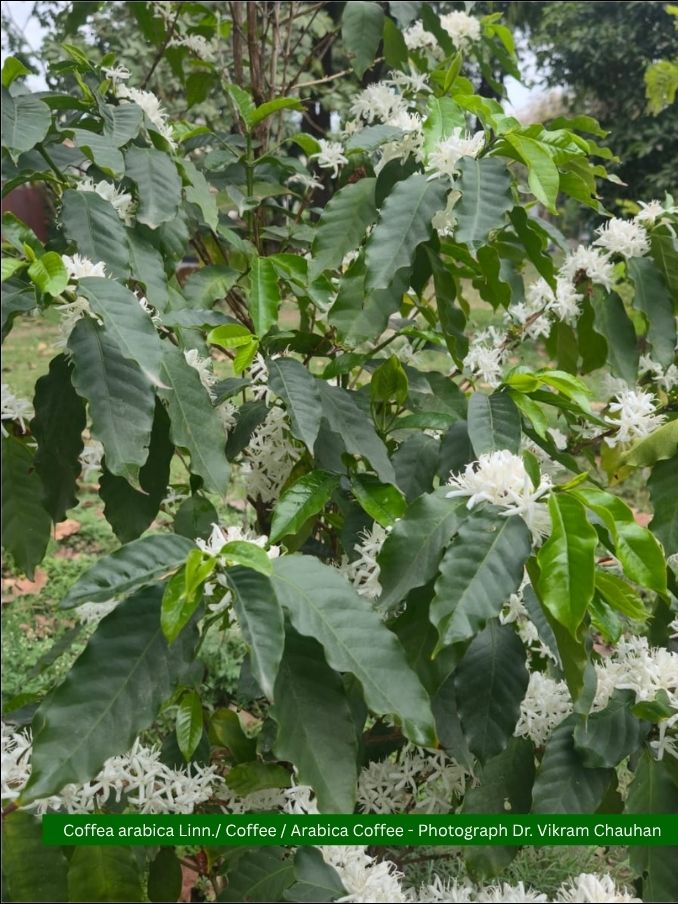
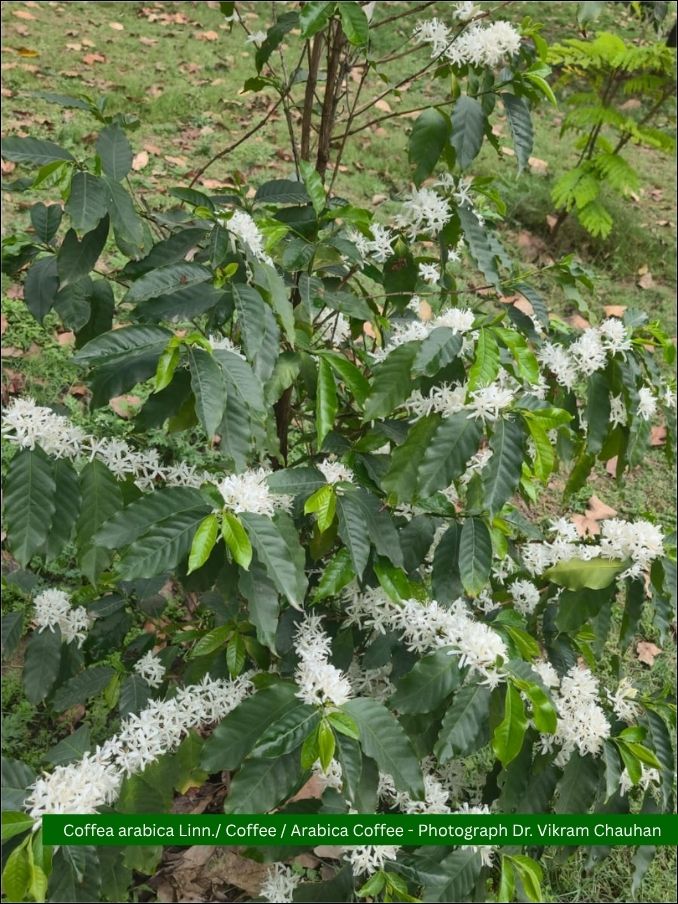
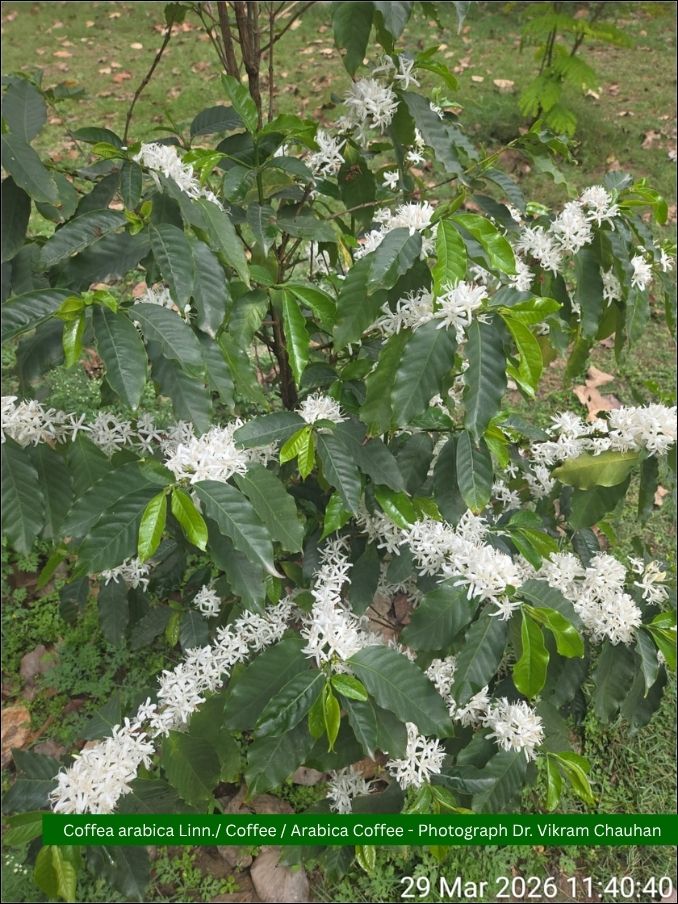
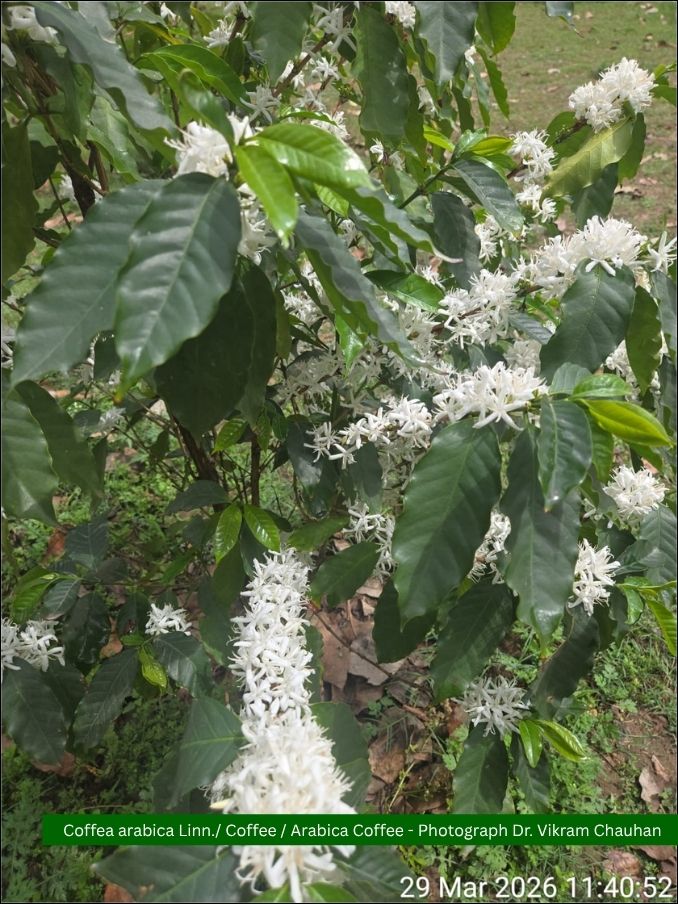
The Coffea arabica is an evergreen shrub or small tree characterised by opposite, glossy, dark-green leaves attached to short petioles, which appear light bronze or tan when young and become deep green at maturity. The leaves are shiny on the upper surface and dull beneath, contributing to efficient photosynthesis under shaded conditions. The plant produces small, white, fragrant flowers arranged in clusters along the leaf axils, followed by berry-like fruits known as coffee cherries. These cherries turn from green to red, violet, yellow, or orange when fully ripe, depending on the genotype. Each fruit typically contains two tropical dicotyledonous seeds known as coffee beans, surrounded by pulp, mucilage, parchment layer, and silver skin. The seeds are albuminous with abundant endosperm and a small embryo, adapted for nutrient storage and dispersal. Coffea arabica is tetraploid (2n = 44), self-fertile, and believed to have originated from natural hybridisation between Coffea canephora and Coffea eugenioides. In contrast, most other Coffea species are diploid and self-incompatible. Arabica and Coffea canephora are the two principal species dominating global commercial coffee production.
Historical Context Of Coffea arabica Linn./ Coffee/ Arabica Coffee
Coffea arabica is the earliest cultivated coffee species, originating in the highlands of southwestern Ethiopia before being introduced to Yemen during the 15th–16th centuries, where coffee culture developed, and the port of Mocha became a major centre for trade. In the 17th century, the plant spread globally through Dutch, British, and French colonial expansion to regions such as Indonesia and the Caribbean. According to Indian legend, a Sufi saint, Baba Budan, brought coffee to India around 1670 by secretly carrying seven coffee seeds from Yemen and planting them in the Chandragiri Hills of Karnataka, later known as Baba Budan Giri in the Chikmagalur district. Initially grown on a small scale, coffee cultivation expanded during the 18th and 19th centuries when British colonialists established plantations across the Western Ghats in Karnataka, Kerala, and Tamil Nadu. Although coffee leaf rust in the late 19th century led to increased cultivation of more resistant Robusta varieties, Arabica remains valued for its mild flavour, pleasant aroma, and higher acidity. Today, Chikmagalur is considered the birthplace of Indian coffee, with India known for its shade-grown cultivation methods, intercropping with spices, and unique processing techniques such as Monsoon Malabar, making the country one of the world’s leading coffee producers.
Types Of Coffea arabica Linn./ Coffee/ Arabica Coffee
- Garut Arabica Coffee – West Java
- Arjuno Arabica Coffee – East Java
- Mandailing Arabica Coffee – North Sumatra
- Aceh Gayo Arabica Coffee – Aceh
- Toraja Kalosi Arabica Coffee – Toraja
- Kintamani Arabica Coffee – Bali
- Papua Wamena Arabica Coffee – Papua
Ayurvedic Properties Of Coffea arabica Linn./ Coffee/ Arabica Coffee
- Taste (Rasa)- Bitter (Tikta)
- Physical property (Guna) – Light (Laghu), Sharp (Teekshna)
- Potency (Veerya )- Hot Potency (Usna)
- Post-digestion effect (Vipaka)- Katu (Pungent)
- Effect on tridosha– Balances Kapha dosha and aggravates Pitta and Vata Dosha
Therapeutic Indications Of Coffea arabica Linn./ Coffee/ Arabica Coffee
- Antioxidant & Anti-inflammatory – Reduces oxidative stress and inflammation
- Metabolic Support – Helps manage blood sugar and lipid levels
- Hepatoprotective – Supports liver health and reduces liver disease risk
- Neurological Health – Reduce mental fatigue, promote alertness
- Weight Management – Promotes fat burning and reduces cellulite
- Skin Benefits – Anti-ageing, UV protection, reduces pigmentation
- Antimicrobial – Inhibits harmful bacteria and supports oral health
- Respiratory & Digestive – Acts as a bronchodilator
Systemic Actions Of Coffea arabica Linn./ Coffee/ Arabica Coffee
External Uses
- It is used externally for skin problems like hyperpigmentation, dark circles and improving skin tone.
Chemical Composition Of Coffea arabica Linn./ Coffee/ Arabica Coffee
1. Alkaloids
- Caffeine (1.13–1.60%)
- Trigonelline
- Theophylline
- Theobromine
- 1,3,7-Trimethylxanthine (Caffeine derivative)
2. Phenolic Compounds / Polyphenols
- Chlorogenic acids (5-Caffeoylquinic acid – major)
- Caffeic acid
- Ferulic acid
- p-Coumaric acid
- Protocatechuic acid
- Sinapic acid
3. Flavonoids
- Quercetin
- Rutin
- Kaempferol
- Procyanidins (B and C, trimers, tetramers)
4. Diterpenes
- Cafestol
- Kahweol
5. Lipids And Fatty Acids
- Triglycerides
- Linoleic acid
- Palmitic acid
- Fatty acids (general lipid fraction)
6. Carbohydrates
- Sucrose
- Glucose
- Fructose
- Galactose
- Maltose
- Rhamnose
- Starch
7. Polyols
- Treitol
- Sorbitol
- Galactinol
8. Amino Acids And Related Compounds
- β-Alanine
- Homoserine
- 4-Hydroxyproline
- Cystine
- Gamma-aminobutyric acid (GABA)
9. Polyamines
- Ornithine
- Putrescine
- Spermidine
10. Xanthonoids
- Mangiferin
11. Volatile Aroma Compounds (Formed During Roasting)
- Pyrazines
- Furans
- Furanones
- Furfuryl formate
12. Other Compounds
- Acrylamide (formed during roasting)
- Lipids (10–15%)
- Carbohydrates (general fraction)
13. Minerals
- Magnesium
- Iron
These constituents contribute to the antioxidant, anti-inflammatory, antimicrobial, metabolic, and neuroprotective properties of Coffea arabica.
Actions And Properties Of Various Chemical Constituents Of Coffea arabica Linn./ Coffee/ Arabica Coffee
Antidiabetic Activity
Coffea arabica contains several bioactive compounds that help in managing Type-2 diabetes by improving insulin sensitivity, reducing glucose absorption, and lowering oxidative stress. Chlorogenic acids, especially 5-O-caffeoylquinic acid, are the primary constituents that inhibit hepatic glucose production and enhance glucose uptake in muscles through AMPK activation, thereby reducing blood sugar levels. Caffeic acid further supports glycemic control by inhibiting intestinal glucose transporters and improving insulin receptor sensitivity. Caffeine contributes by promoting lipolysis and enhancing metabolic rate, which indirectly improves insulin responsiveness. Diterpenes such as cafestol and kahweol exhibit blood sugar-lowering and anti-inflammatory effects, while trigonelline helps reduce oxidative stress by boosting antioxidant enzyme activity. Green coffee beans, being rich in chlorogenic acids, are considered more beneficial, and these combined actions also provide protective effects against diabetic complications such as kidney damage.
For Skin Problems
Coffea arabica contains several bioactive compounds that help in managing skin problems through antioxidant, anti-inflammatory, and photoprotective actions. Chlorogenic acids, particularly 5-caffeoylquinic acid, act as powerful antioxidants that inhibit collagen-degrading enzymes and reduce inflammatory mediators, thereby helping in skin ageing, wrinkles, eczema, and wound healing. Caffeine promotes lipolysis and improves microcirculation, which helps reduce cellulite, puffiness, and dark circles while also providing protection against UV-induced skin damage. Diterpenes such as cafestol and kahweol, present in coffee oil, support skin hydration, strengthen the skin barrier, and provide protective effects against UV radiation. Other compounds like mangiferin, trigonelline, and melanoidins contribute antibacterial, regenerative, and antioxidant benefits, improving overall skin health. Green coffee beans and leaves, rich in these phenolic compounds, are considered particularly beneficial for maintaining healthy and youthful skin.
For The Nervous System
Coffea arabica contains several bioactive compounds that support mental health by reducing oxidative stress, modulating neurotransmitters, and protecting brain cells. Chlorogenic acids, particularly 5-caffeoylquinic acid, act as strong antioxidants that reduce neuroinflammation and help alleviate anxiety and depressive symptoms while also influencing the gut-brain axis. Caffeine stimulates the central nervous system by blocking adenosine receptors, which increases dopamine release and improves mood, alertness, and cognitive function. Caffeic acid, a metabolite of chlorogenic acid, enhances antidepressant and anxiolytic effects through its antioxidant and anti-inflammatory properties. Trigonelline further supports brain health by reducing oxidative stress and improving cognitive performance. Additionally, compounds like eicosanoyl-5-hydroxytryptamide work synergistically with caffeine to provide neuroprotection, helping in the management of stress-related disorders and neurodegenerative conditions.
Practical Uses / Health Benefits Of Coffea arabica Linn./ Coffee/ Arabica Coffee
Skincare Remedies
- Coffee Scrub: Mix coffee grounds with coconut oil or honey and gently massage to exfoliate dead skin cells and improve circulation.
- Face Pack: Combine coffee powder with honey or yogurt to enhance skin brightness and natural glow.
- Under-Eye Care: Apply diluted coffee extract around the eyes to reduce puffiness and dark circles.
Hair Care Remedies
- Scalp Stimulation: Apply brewed coffee or coffee grounds to the scalp to promote hair growth and improve blood circulation.
- Hair Shine Rinse: Use diluted coffee as a final hair rinse to enhance hair texture and shine.
<
General Health Remedies
- Energy Booster: Drink freshly brewed Arabica coffee to enhance alertness and reduce fatigue.
- Digestive Support: Mild diluted coffee may help stimulate digestion when taken in moderation.
- Pre-Workout Drink: Consuming coffee before exercise may help improve stamina and physical performance.
Traditional Remedies
- Headache Relief: Coffee leaf paste has traditionally been applied to the forehead to reduce headache discomfort.
- Fever Management: Leaf poultice has been used traditionally to help manage mild fever.
- Inflammation Relief: Coffee extracts may be applied topically to soothe minor skin inflammation.
Parts Used Of Coffea arabica Linn./ Coffee/ Arabica Coffee
- Seeds
Dosage Of Coffea arabica Linn./ Coffee/ Arabica Coffee
- Extract- 200-400 mg
<
Conclusion
Coffea arabica is a widely valued plant known for its nutritional, medicinal, and therapeutic benefits. It is rich in bioactive compounds such as chlorogenic acids, caffeine, flavonoids, and diterpenes, and it exhibits strong antioxidant, anti-inflammatory, and neuroprotective properties. Coffee supports metabolic health, improves mental alertness, promotes skin health, and may help in managing conditions like diabetes, cardiovascular disorders, and neurodegenerative diseases. In addition to its internal benefits, it is also used in various home remedies for skin, hair, and general wellness. When consumed in moderation, Coffea arabica serves as a beneficial natural stimulant and health-supportive beverage with both traditional and modern therapeutic significance.
Frequently Asked Questions (FAQ’s)
1. What Are The Medicinal Uses Of Coffea arabica?
Coffea arabica is used for improving mental alertness, managing diabetes, supporting heart health, reducing inflammation, and promoting skin health.
2. What Is The Common Name Of Coffea arabica?
The common name of Coffea arabica is Arabica Coffee.
3. What Are The Benefits Of Coffea arabica?
It provides antioxidant support, enhances metabolism, improves cognitive function, supports liver health, and promotes skin wellness.
4. What Are The Uses Of Coffea arabica?
It is used as a beverage, in skincare products, hair care remedies, and for managing fatigue, digestion, and metabolic disorders.
5. What Is The Family Name Of Coffea arabica?
Coffea arabica belongs to the Rubiaceae family.
Was this Page Helpful?