
Coronary Angiography – The Gold Standard for Heart Health
Abstract
Coronary Angiography is a specialized, invasive diagnostic procedure used to visualize the interior of the coronary arteries—the vital vessels that supply oxygen-rich blood to the heart muscle. While modern medicine offers non-invasive alternatives like CT Coronary Angiography, the “Gold Standard” remains the conventional catheter-based angiogram. This procedure is unique because it provides real-time, high-definition “live” imaging and allows for immediate therapeutic intervention, such as Angioplasty or Stenting, in the same session. From an Ayurvedic perspective, a blockage in the coronary artery is the physical manifestation of Srotorodha (obstruction of channels). This occurs when Ama (metabolic toxins) and aggravated Meda (lipids/fatty tissue) accumulate due to impaired Agni (digestive fire). While a coronary angiogram mechanically identifies and helps resolve the physical blockage, Ayurveda provides a holistic framework to address the underlying metabolic errors, strengthen the Hridaya (heart) muscle, and ensure the free flow of Prana (life force) throughout the cardiovascular system.
What Is Coronary Angiography?
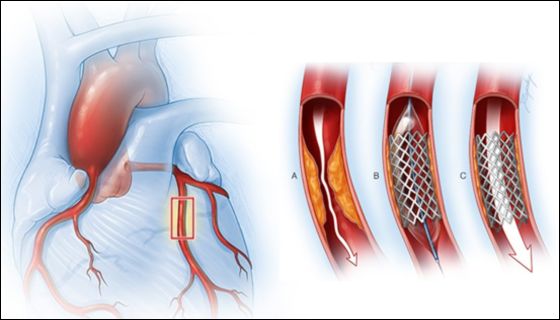
- Coronary Angiography is an invasive imaging test that uses X-rays and a special contrast dye to see how blood flows through the arteries in your heart. It is usually performed as part of a larger group of procedures known as Cardiac Catheterization.
The Procedure Mechanics
- Unlike a CT scan, where the patient simply lies in a tube, a coronary angiogram involves internal access to the vascular system.
- Access Point: A small incision is made, usually in the radial artery (wrist) or the femoral artery (groin). Modern practice favors the radial approach due to lower bleeding risks and faster recovery.
- The Catheter: A long, thin, flexible tube called a catheter is inserted into the artery. Under the guidance of a continuous X-ray (fluoroscopy), a cardiologist carefully threads the catheter up to the opening of the coronary arteries at the base of the aorta.
- Contrast Injection: Once in position, a radio-opaque iodine-based dye is injected through the catheter directly into the coronary arteries.
- Cineangiography: As the dye flows through the vessels, it blocks X-rays, making the arteries appear as dark, flowing silhouettes on a digital screen. These “movies” of the blood flow are called angiograms.
- Assessment: The doctor can see exactly where an artery is narrowed or blocked, the length of the blockage, and the overall health of the vessel walls.
Why Is It Done?
A doctor recommends this procedure when there is a high suspicion of significant heart disease that requires definitive mapping or immediate treatment.
Diagnostic Indications
- Unstable Angina: Chest pain that is new, worsening, or occurring at rest, suggesting an impending heart attack.
- Atypical Chest Pain: When non-invasive tests (like a Stress Test or TMT) yield “inconclusive” or “equivocal” results.
- Heart Valve Disease: To check for underlying coronary artery disease before a patient undergoes valve replacement surgery.
- Congenital Heart Defects: To map abnormal anatomy before corrective surgery.
Emergency Indications
- Acute Myocardial Infarction (Heart Attack): This is the most critical use. “Time is Muscle”—performing an angiogram during a heart attack allows the doctor to find the “culprit lesion” and open it immediately to save heart tissue.
Pre-Surgical Planning
- CABG (Bypass Surgery): Surgeons need a “roadmap” of the arteries to know exactly where to sew the bypass grafts.
Types Of Angiography Techniques
- Digital Subtraction Angiography (DSA): Uses computers to “subtract” the images of bones and soft tissues, leaving only the dye-filled vessels visible for maximum clarity.
- IVUS (Intravascular Ultrasound): During the angiogram, a tiny ultrasound probe is passed into the artery to see the walls from the inside. This helps determine if a plaque is “soft” (likely to rupture) or “hard” (calcified).
- FFR (Fractional Flow Reserve): A specialized wire measures pressure on both sides of a blockage. This tells the doctor if a narrowing is actually restricting blood flow enough to require a stent, or if it can be managed with medicine.
The Procedure Step-By-Step What To Expect
Before The Procedure
- Fasting: Patients are usually asked not to eat or drink for 6–8 hours.
- Blood Tests: Checking kidney function (creatinine) is vital because the kidneys must filter out the contrast dye.
- Shaving/Cleaning: The site (wrist or groin) is cleaned and prepped.
During The Procedure
- The procedure usually takes 30 to 60 minutes.
- You will be awake but may be given a mild sedative to help you relax.
- A local anesthetic numbs the entry site; you will feel pressure but no sharp pain as the catheter moves through your body.
- When the dye is injected, you may feel a “hot flush” or a metallic taste in your mouth, this is normal and lasts only seconds.
After The Procedure
- Compression: Pressure is applied to the entry site to prevent bleeding.
- Recovery: If the entry was through the groin, you must lie flat for several hours. If through the wrist, you can usually sit up immediately.
- Hydration: You will be encouraged to drink plenty of water to flush the dye out of your system.
What Can It Detect?
- Stenosis Percentage: Exactly how much of the artery is blocked (e.g., 70%, 90%).
- Plaque Morphology: Whether the blockage is smooth, irregular, or calcified.
- Collateral Circulation: How well the heart has created its own “detour” vessels.
- Aneurysms: Weakening or bulging of the arterial walls.
The Ayurvedic Perspective Beyond The Blockage
In Ayurveda, a physical blockage in the coronary artery is the end result of a long-term metabolic error. We view the heart as the seat of Ojas (vitality) and Sadhaka Pitta (emotional balance).
Ayurvedic Interpretation Table
| Element | Ayurvedic Interpretation | Modern Correlation |
|---|---|---|
| Ama | Undigested toxic sludge | Cholesterol/Plates |
| Srotas | Channels of circulation | Coronary Arteries |
| Vyan Vata | The force behind blood flow | Blood Pressure/Circulation |
| Agni | Metabolic fire | Lipid Metabolism |
The Ayurvedic Approach Managing The Root Causes
While Coronary Angiography helps in identifying and managing mechanical blockages, Ayurveda emphasizes correcting the internal environment that leads to plaque formation. The primary goal is to restore Agni, eliminate Ama, balance Doshas, and strengthen the Hridaya (heart).
Agni Deepana And Ama Pachana (Improving Digestion And Clearing Toxins)
Impaired Agni (digestive fire) leads to the accumulation of Ama, which circulates in the bloodstream and deposits within the Raktavaha Srotas (blood-carrying channels). Strengthening digestion is therefore the first step.
Helpful Ayurvedic measures include:
- Use of herbs that enhance digestion and metabolism
- Consuming warm, freshly prepared meals
- Avoiding heavy, oily, and processed foods
- Including spices such as dry ginger, black pepper, and cumin to support metabolic activity
Meda Dhatu Management (Regulation Of Lipid Metabolism)
Excess Meda Dhatu (fat tissue) plays a major role in plaque formation. Ayurveda focuses on balancing lipid levels naturally.
Key strategies include:
- Reducing saturated fats and deep-fried foods
- Encouraging light, fiber-rich diets
- Promoting physical activity suitable for age and strength
- Supporting natural fat metabolism through herbal formulations
Strengthening Hridaya (Heart Support)
The Hridaya (heart) is considered the seat of Ojas, which represents vitality and immunity. Supporting heart strength is essential for long-term cardiovascular health.
Ayurvedic support includes:
- Use of cardioprotective herbs
- Maintaining emotional balance
- Ensuring proper sleep
- Practicing stress management techniques
Srotoshodhana (Channel Cleansing)
Srotorodha (blockage of channels) is the Ayurvedic equivalent of arterial obstruction. Cleansing and maintaining the patency of channels is essential.
Methods include:
- Detoxification practices under professional guidance
- Use of herbal preparations that support circulation
- Maintaining hydration
- Practicing regular physical movement
Ayurvedic Lifestyle Support For Heart Health
Dietary Recommendations
Recommended foods:
- Fresh vegetables and fruits
- Whole grains
- Garlic and turmeric
- Light and easily digestible meals
- Warm water throughout the day
Foods to avoid:
- Fried and oily foods
- Excess sugar
- Processed and packaged foods
- Red meat in excess
- Cold and refrigerated foods
- Yoga and Pranayama
Beneficial Practices Include
- Anulom Vilom (Alternate Nasal Breathing) – Improves oxygenation
- Bhramari Pranayama (Humming Bee Breath) – Reduces stress and anxiety
- Walking and mild stretching – Enhances circulation
- Meditation – Supports emotional balance
- Stress Management
Helpful Methods
- Meditation
- Deep breathing exercises
- Spending time in nature
- Maintaining healthy relationships
Ayurvedic Herbs Supporting Heart Health
- Arjuna (Terminalia arjuna): Arjuna is one of the most revered herbs in Ayurveda for cardiovascular wellness and is widely recognized as a powerful Hridya (heart-supportive) herb. It helps strengthen the cardiac muscles, supports healthy blood circulation, and promotes proper functioning of the coronary arteries. Arjuna is traditionally used to maintain healthy cholesterol levels and improve cardiac efficiency, especially in individuals experiencing weakness of the heart or reduced stamina. Its natural antioxidant properties help protect the heart tissues from oxidative stress, while its ability to support vascular tone makes it beneficial in maintaining overall cardiovascular stability.
- Guggul (Commiphora mukul): Guggul is highly valued in Ayurveda for its ability to regulate Meda Dhatu (fat metabolism) and support cardiovascular health. It is known for its Lekhana (scraping) action, which helps reduce excess fat accumulation and supports the maintenance of healthy cholesterol levels. Guggul also promotes proper circulation by helping to clear obstructions in the channels (Srotas), thereby reducing the risk of plaque buildup in arteries. Its warming and metabolism-enhancing properties make it particularly beneficial in conditions associated with sluggish metabolism and lipid imbalance.
- Pushkarmool (Inula racemosa): Pushkarmool is traditionally used in Ayurveda to support both heart and respiratory health, especially in conditions involving chest discomfort or reduced oxygen supply. It helps improve coronary circulation and supports proper oxygen delivery to cardiac tissues, thereby enhancing heart function. Pushkarmool is also known to help relieve mild chest heaviness and improve endurance, making it useful in maintaining overall cardiovascular comfort. Its warming nature supports the smooth movement of Vata in the chest region, which is essential for maintaining rhythmic heart function.
When Should Coronary Angiography Be Considered Urgently?
Immediate medical attention is required if symptoms include:
- Severe chest pain radiating to arm or jaw
- Sudden breathlessness
- Profuse sweating
- Nausea with chest discomfort
- Sudden weakness or dizziness
These symptoms may indicate a heart attack, requiring urgent coronary angiography.
Risks And Considerations
Because it is an invasive procedure, it carries slightly higher risks than a CT scan:
- Bleeding or Bruising: At the site where the catheter was inserted.
- Arrhythmias: Temporary irregular heartbeats during the procedure.
- Dye Reaction: Potential allergic response or kidney strain from the contrast.
- Rare Complications: Blood clots, stroke, or injury to the artery.
Limitations Of Coronary Angiography
Despite its benefits, it has certain limitations:
- It is invasive
- Requires hospitalization
- Involves radiation exposure
- Uses contrast dye that may affect kidneys
- Carries minor procedural risks
Advantages Of Coronary Angiography
- Provides real-time visualization of arteries
- Detects even small blockages
- Allows simultaneous treatment
- Helps plan bypass surgery
- Improves survival in heart attack cases
Conclusion
Coronary Angiography stands as the gold standard for diagnosing coronary artery disease because of its unmatched precision and ability to provide immediate treatment. It plays a critical role in saving lives during heart attacks and guiding surgical interventions. However, the development of arterial blockage is often the result of long-term metabolic imbalance, unhealthy diet, stress, and sedentary lifestyle. From an Ayurvedic perspective, these factors lead to Ama accumulation, Meda imbalance, and Srotorodha, ultimately affecting the Hridaya. While angiography identifies and corrects the physical blockage, Ayurveda addresses the root causes by improving digestion, regulating lipid metabolism, strengthening heart function, and maintaining clear circulation channels. The integration of modern diagnostics with Ayurvedic lifestyle and dietary principles provides a comprehensive pathway toward sustainable cardiovascular health and prevention of future cardiac events.