


What is Event Monitor? Why is It Done? How Ayurveda Can Support Heart Rhythm Health?
Abstract
An Event Monitor is a portable cardiac monitoring device used to record the electrical activity of the heart over an extended period, typically ranging from a few days to several weeks. Unlike continuous monitoring devices, it records heart rhythms only when activated by the patient during symptoms or automatically when abnormal rhythms are detected. It is especially useful in diagnosing intermittent arrhythmias that do not occur daily and may be missed during routine ECG or short-term monitoring. Event monitors play a vital role in evaluating palpitations, dizziness, and unexplained syncope. While modern diagnostics like event monitors help in identifying rhythm disturbances, Ayurveda supports heart rhythm health by balancing doshas, calming the nervous system, improving circulation, and strengthening cardiac function, offering a holistic approach to long-term well-being.
Introduction
The heart maintains its rhythm through a coordinated electrical conduction system. However, certain arrhythmias occur sporadically and may not be detected during routine diagnostic tests. These irregularities can lead to symptoms such as palpitations, dizziness, or fainting. An Event Monitor is designed to capture such intermittent abnormalities by recording heart activity during symptomatic episodes. It is worn externally and allows patients to actively participate in their diagnosis by triggering recordings when symptoms occur. From an Ayurvedic perspective, irregular heart rhythms are associated with imbalances in Vyana Vata, Prana Vata, and Sadhaka Pitta, which regulate circulation, heart rhythm, and emotional stability.
Why Event Monitor Is Done?
An Event Monitor is a specialized cardiac monitoring device used to record the heart’s electrical activity over an extended period, especially when symptoms occur infrequently and are not captured on routine tests like ECG or short-term Holter monitoring. It is particularly recommended for patients who experience occasional but concerning symptoms such as palpitations, dizziness, or fainting spells. One of the primary purposes of an Event Monitor is the diagnosis of intermittent palpitations, helping to identify irregular heart rhythms that may not appear during brief examinations. It is also useful in the evaluation of unexplained dizziness or syncope (fainting), allowing physicians to determine whether these symptoms are related to underlying cardiac issues. Additionally, the device plays a crucial role in detecting occasional arrhythmias, including suspected atrial fibrillation, which can increase the risk of stroke if left undiagnosed. It is also employed to monitor heart rhythm after treatment, such as medication adjustments or procedures, to ensure effectiveness. By correlating symptoms with recorded heart activity, an Event Monitor provides valuable insights for accurate diagnosis and management, offering long-term yet selective monitoring tailored to the patient’s condition.
How Event Monitor Is Used?
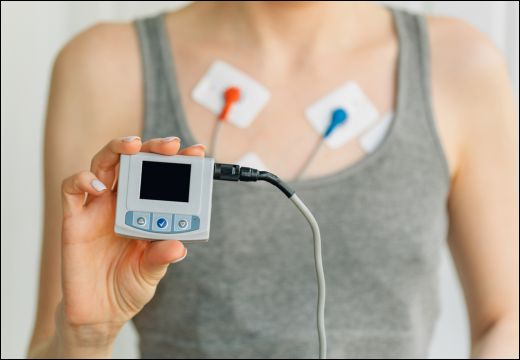
An Event Monitor is a non-invasive, user-friendly device designed for extended cardiac monitoring, especially in patients with infrequent symptoms. It is worn externally on the chest and helps in capturing abnormal heart rhythms when they actually occur.
Procedure
- Small adhesive electrodes are attached to specific areas on the chest to detect electrical activity of the heart
- These electrodes are connected to a portable recording device
- The device is worn continuously for several days to weeks, depending on the physician’s recommendation
- The patient is instructed to activate the monitor by pressing a button whenever symptoms like palpitations, dizziness, or fainting are experienced
- Some advanced event monitors have automatic detection systems that record abnormal heart rhythms without manual activation
- The device records the heart’s electrical activity before, during, and after the event for better analysis
- Patients may also be asked to maintain a symptom diary to note the time and nature of symptoms
- After the monitoring period, the recorded data is transferred to a computer system
- The physician carefully analyzes the data to correlate symptoms with any detected arrhythmias
Key Features
- Completely non-invasive and painless to use
- Compact, portable, and lightweight, allowing routine daily activities
- Records only during symptomatic episodes or when abnormalities are detected
- Suitable for long-term monitoring, especially for intermittent symptoms
- Helps in diagnosing infrequent arrhythmias that may be missed in short-term tests
- Improves accuracy in treatment planning and cardiac evaluation
Understanding Results Of Event Monitor
The Event Monitor records heart activity during symptomatic episodes, making it useful in correlating symptoms with rhythm abnormalities.
Detailed Interpretation
- Normal Rhythm (Sinus Rhythm): Indicates normal electrical activity; symptoms may not be cardiac-related.
- Bradycardia: Slow heart rate episodes detected during symptoms; may indicate conduction issues.
- Tachycardia: Fast heart rate episodes; helps identify supraventricular or ventricular origin.
- Atrial Fibrillation: Irregular rhythm detected during episodes; important for stroke risk evaluation.
- Premature Beats (PACs/PVCs): Extra beats that may cause palpitations; often benign but require evaluation.
- Symptom–Rhythm Correlation: Helps determine whether symptoms are due to cardiac rhythm disturbances or other causes.
Clinical Importance Of Event Monitor
An Event Monitor plays a vital role in modern cardiac diagnostics, especially in patients with intermittent or unexplained symptoms. Since many heart rhythm abnormalities do not occur continuously, this device provides a practical and reliable way to capture such events over an extended period.
Event Monitor helps physicians to:
- Diagnose intermittent arrhythmias that may not be detected during routine ECG or short-duration monitoring
- Correlate symptoms with heart rhythm, helping determine whether complaints like palpitations, dizziness, or fainting are cardiac-related
- Differentiate between benign and serious conditions, ensuring that harmless irregularities are not overtreated while serious arrhythmias are promptly addressed
- Detect silent or asymptomatic arrhythmias, including episodes that the patient may not even notice
- Assess the frequency, duration, and pattern of arrhythmias, which is essential for accurate diagnosis
- Guide appropriate treatment decisions, including medications, lifestyle changes, or interventional procedures
- Monitor the effectiveness of ongoing therapy, such as anti-arrhythmic drugs or post-procedure outcomes
- Evaluate unexplained syncope (fainting episodes) to rule out life-threatening cardiac causes
- Support early detection of conditions like atrial fibrillation, reducing the risk of complications such as stroke
- Improve overall patient management and prognosis through timely and precise diagnosis
Precautions During Monitoring
Proper care and adherence to guidelines during Event Monitor use are essential to ensure accurate recording and reliable diagnosis. Following precautions helps in avoiding technical errors and improves the quality of results.
Before Use
- Carefully follow the healthcare provider’s instructions for correct electrode placement
- Ensure the skin on the chest is clean, dry, and free from sweat before attaching electrodes
- Avoid applying oils, lotions, powders, or creams on the chest, as they may interfere with electrode adhesion and signal quality
- Wear loose and comfortable clothing to prevent displacement of the device
- Understand how to operate the monitor, including how and when to activate it
During Use
- Keep the device dry at all times; avoid bathing, swimming, or exposure to moisture unless advised otherwise
- Activate the monitor immediately whenever symptoms such as palpitations, dizziness, or discomfort occur
- Maintain a detailed symptom diary, noting the time, type, and duration of symptoms for better correlation
- Avoid touching, adjusting, or disturbing the electrodes unnecessarily
- Check regularly that electrodes are properly attached and not loose
- Avoid strong electromagnetic fields or devices that may interfere with recording (if advised by the physician)
- Continue normal daily activities unless specifically restricted, as this helps capture real-life cardiac events
Why This Procedure Is Important?
Event Monitoring is an important diagnostic approach in cardiology, especially when symptoms are occasional and not easily captured through routine tests. Many heart rhythm disturbances occur unpredictably, making short-term monitoring methods less effective in identifying the underlying problem.
Limitations Of Conventional Monitoring
- Standard ECG records the heart’s electrical activity for only a few seconds, which may not capture intermittent abnormalities
- Holter monitoring typically records continuously for 24–48 hours, which is still a limited duration
- Infrequent arrhythmias may not occur during these short monitoring periods, leading to missed diagnoses
- Symptoms like occasional palpitations or fainting may remain unexplained despite normal test results
Advantages Of Event Monitor
- Provides long-term monitoring over days to weeks, increasing the chances of detecting irregular heart rhythms
- Records heart activity specifically during symptoms, allowing precise correlation between symptoms and cardiac events
- Some devices can automatically detect abnormal rhythms even without patient activation
- Non-invasive, safe, and convenient for daily use without significantly affecting routine activities
- Portable and easy to handle, making it suitable for extended wear
- Improves diagnostic accuracy by capturing real-time cardiac events
- Helps in early diagnosis and timely management of potentially serious arrhythmias
Can Heart Rhythm Be Supported Through Ayurveda?
Yes, Ayurveda offers a holistic approach to supporting heart rhythm by addressing the root causes rather than just the symptoms. In Ayurvedic science, irregular heart rhythms are often associated with an imbalance of Vata Dosha, particularly the subtypes that govern cardiac and neurological functions.
Ayurvedic Understanding
Vyana Vata: Responsible for circulation and regulation of heartbeat; imbalance may lead to irregular rhythm
Prana Vata: Controls vital functions including the initiation of heart impulses and breathing
Sadhaka Pitta: Maintains emotional balance and the connection between the heart and mind; disturbances may trigger stress-induced palpitations
Ayurvedic Approach To Support Heart Rhythm
Balancing Vata Dosha
- Intake of warm, freshly prepared, and easily digestible food
- Avoidance of cold, dry, processed, and irregular eating habits
- Following a consistent daily routine (Dinacharya)
- Strengthening Cardiac Function with Herbs
Calming The Nervous System
- Practices like meditation, Pranayama (Anulom Vilom, Bhramari), and Yoga
- Helps stabilize Prana Vata and reduce excitability of the heart
Reducing Stress And Anxiety
- Calm mind through relaxation techniques and proper sleep
- Managing emotional triggers that affect Sadhaka Pitta
Improving Circulation
- Gentle exercise, daily walking, and yoga postures to support Vyana Vata
- Elimination of Ama (Toxins)
- Detoxification through proper digestion (Agni deepana)
- Use of light, digestible diet and herbal support to remove metabolic toxins
Best Ayurvedic Herbs For Heart Rhythm Support
1. Shankhpushpi (Convolvulus pluricaulis)
Shankhpushpi is a well-known brain tonic that helps calm the mind and reduce stress and anxiety. It plays a key role in improving the coordination between mental and cardiac functions. By stabilizing emotional fluctuations and promoting relaxation, it helps in preventing stress-induced palpitations and supports a balanced heart rhythm.
2. Arjuna (Terminalia arjuna)
Arjuna is one of the most important Ayurvedic herbs for heart health, known for its potent cardioprotective properties. It helps strengthen the heart muscles, improve cardiac output, and regulate blood circulation. Arjuna is especially beneficial in stabilizing irregular heart rhythms and managing palpitations. Its antioxidant and anti-inflammatory properties further support overall cardiovascular function and help maintain a healthy heart rhythm.
3. Ashwagandha (Withania somnifera)
Ashwagandha is a powerful adaptogenic herb that helps the body cope with stress and anxiety, which are common triggers for irregular heart rhythms. By calming the nervous system and reducing cortisol levels, it supports balanced heart function. It also enhances overall vitality and improves the body’s resilience, making it beneficial for maintaining a steady and healthy heartbeat.
4. Brahmi (Bacopa monnieri)
Brahmi is well-known for its calming effect on the mind and its ability to enhance cognitive function. It helps reduce mental stress and anxiety, which can often lead to palpitations and irregular heart rhythms. By promoting mental clarity and emotional stability, Brahmi supports the connection between the brain and heart, contributing to a more balanced cardiac rhythm.
5. Jatamansi (Nardostachys jatamansi)
Jatamansi is a highly effective herb for calming the nervous system and balancing aggravated Vata. It acts as a natural sedative, helping to reduce restlessness, anxiety, and stress-related heart disturbances. Its soothing properties make it useful in regulating irregular heartbeats and promoting overall mental and cardiac relaxation.
6. Pushkarmool (Inula racemosa)
Pushkarmool is traditionally used in Ayurveda for supporting heart and respiratory health. It helps improve blood circulation, enhances oxygen supply to the heart, and increases cardiac efficiency. These actions contribute to maintaining a stable heart rhythm and preventing irregularities, especially in individuals with weakened cardiac function.
Holistic Lifestyle For Heart Rhythm Balance
- Eat fresh, warm, and easily digestible food
- Include fruits, vegetables, and whole grains
- Avoid caffeine, processed foods, and stimulants
- Stay well hydrated
- Support proper digestion (Agni)
- Engage in daily walking and light exercise
- Practice Tadasana (Mountain Pose)
- Practice Bhujangasana (Cobra Pose)
- Practice Shavasana (Relaxation Pose)
- Practice Pranayama (deep breathing)
- Do meditation and Yoga Nidra
- Reduce stress and anxiety
- Limit screen exposure
- Maintain emotional balance
- Maintain a consistent sleep schedule
- Sleep before 10 PM
- Avoid screens before bedtime
- Ensure 7–8 hours of sleep
- Follow daily routine (Dinacharya)
Conclusion
An Event Monitor is a valuable, non-invasive diagnostic tool that plays a crucial role in detecting intermittent and symptom-based heart rhythm abnormalities that may not be captured through routine or short-term monitoring methods. By allowing real-time recording during symptomatic episodes, it helps physicians accurately correlate symptoms with cardiac activity and make informed treatment decisions. While modern cardiology provides precise diagnosis and management, Ayurveda complements this approach by addressing the root causes through balancing Vata dosha, calming the nervous system, and strengthening cardiac function. The integration of Ayurvedic herbs, a sattvic diet, stress management, and a disciplined lifestyle supports long-term heart rhythm stability, enhances overall cardiovascular health, and promotes holistic well-being.