

Glomerular Filtration Rate (GFR) Nuclear Scan – Procedure, Results, Advantages & Ayurvedic Support for Kidney Health
Abstract
The Glomerular Filtration Rate (GFR) Nuclear Scan is a specialised diagnostic imaging test used to measure how effectively the kidneys filter blood. It uses a small quantity of a radioactive tracer and a gamma camera to observe kidney function in real time. This method provides a more direct and precise evaluation of renal filtration compared to many routine laboratory tests. The scan can also determine the functional contribution of each kidney separately, which is valuable in diagnosing and monitoring kidney diseases. Due to its accuracy and detailed functional information, the GFR nuclear scan plays an important role in nephrology and urological assessment.
Introduction
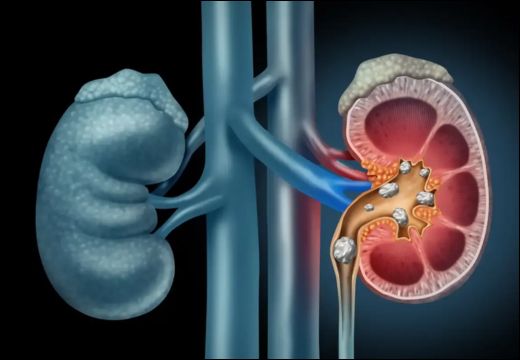
The kidneys maintain the body’s internal balance by removing metabolic waste, regulating electrolyte levels, and controlling fluid volume. A key indicator of kidney performance is the glomerular filtration rate (GFR), which reflects how much blood is filtered by the kidneys each minute. When kidney function declines, toxins accumulate in the body and can lead to serious health complications. While blood tests such as serum creatinine are often used to estimate GFR, they may not always provide a completely accurate picture of kidney function. A GFR Nuclear Scan offers a more direct measurement by tracking the movement of a radiotracer through the kidneys. This imaging technique allows physicians to evaluate filtration efficiency, renal blood flow, and the performance of each kidney individually. As a result, it is widely used in cases where precise assessment of kidney function is required.
What Is The Procedure?
- Preparation: The patient is usually advised to drink adequate water and inform the doctor about any medications or pregnancy before the test.
- IV Line Placement: A small intravenous line is inserted into a vein, usually in the arm.
- Radiotracer Injection: A small dose of a radiotracer, commonly technetium-99m DTPA, is injected into the bloodstream.
- Tracer Reaches Kidneys: The tracer travels through the blood and is filtered by the kidneys.
- Imaging Process: The patient lies on a scanning table while a gamma camera records images of the kidneys and their function.
- Monitoring Kidney Function: The scan tracks how the tracer is taken up and excreted, helping calculate the glomerular filtration rate (GFR).
- Optional Blood Samples: In some cases, blood samples are taken to obtain a more precise GFR measurement.
- Completion: After the scan, the IV line is removed, and the patient can return to normal activities, usually with advice to drink fluids.
Interpretation Of The Test
- Normal Result: Normal GFR is usually 90–120 mL/min/1.73 m². The scan shows quick uptake of the tracer by both kidneys and smooth excretion into the ureters and bladder, indicating healthy kidney filtration.
- Split Renal Function: Each kidney normally contributes about 45–55% of the total kidney function. Nearly equal contribution suggests normal functioning kidneys.
- Mild Reduction in GFR: GFR between 60–89 mL/min/1.73 m² may indicate early or mild kidney dysfunction.
- Moderate Kidney Damage: Values between 30–59 mL/min/1.73 m² suggest moderate loss of kidney function.
- Severe Kidney Impairment: GFR 15–29 mL/min/1.73 m² indicates a severe reduction in kidney filtration capacity.
- Kidney Failure: GFR below 15 mL/min/1.73 m² is considered kidney failure and may require dialysis or transplant.
- Abnormal Scan Patterns: Slow tracer uptake, delayed excretion, or retention of tracer in the kidneys may suggest renal disease, reduced blood flow, or urinary obstruction. Doctors interpret these findings along with other clinical tests.
Scientific Principle Behind The Glomerular Filtration Rate (GFR) Nuclear Scan
- The GFR Nuclear Scan works on the principle of nuclear medicine imaging, which uses small amounts of radioactive tracers to assess organ function.
- Radiotracers such as Tc-99m DTPA circulate in the bloodstream and reach the kidneys.
- These tracers are filtered by the glomeruli in a way similar to natural waste substances in the body.
- As the kidneys filter the tracer, its level in the blood gradually decreases over time.
- A gamma camera detects the radiation emitted by the tracer and records its movement through the kidneys.
- The collected data are converted into graphs and functional images showing renal activity.
- By measuring the rate at which the tracer is cleared from the blood, specialists calculate the GFR value.
- This technique provides a functional evaluation of kidney performance rather than only structural details.
Key Components Of The GFR Nuclear Scan
- Radiotracer: A radioactive substance (commonly Tc-99m DTPA) used to track kidney filtration.
- Injection System: Intravenous line used to introduce the tracer into the bloodstream.
- Gamma Camera: Detects radiation from the tracer and captures sequential kidney images.
- Imaging Computer System: Processes the recorded signals and creates functional images.
- Data Analysis Software: Generates time-activity graphs to calculate GFR and renal function.
- Patient Preparation: Proper hydration and correct positioning improve the accuracy of the test.
- Medical Supervision: Nuclear medicine specialists interpret the results and assess kidney performance.
Advantages Of The Test
One major advantage of the GFR Nuclear Scan is its ability to provide a direct measurement of kidney filtration rather than relying solely on estimated values. This makes it particularly useful in complex clinical situations where precise information is required. Another benefit is the ability to evaluate each kidney independently. This is valuable in cases involving kidney obstruction, congenital abnormalities, or damage to one kidney. The test is minimally invasive, generally safe, and involves only a small amount of radiation exposure. In addition, the scan can detect functional abnormalities earlier than some structural imaging techniques, allowing timely medical intervention and better management of kidney disorders.
Factors Affecting Results Of The GFR Nuclear Scan
- Hydration Status Dehydration can reduce kidney filtration and affect tracer clearance.
- Medications Drugs affecting kidney blood flow or urine production may alter results.
- Patient Movement Movement during imaging can disturb image accuracy.
- Severe Kidney Disease Advanced renal damage may change tracer uptake and excretion patterns.
- Recent Contrast Tests Recent CT or imaging with contrast agents can influence scan findings.
- Underlying Medical Conditions Disorders such as obstruction, infection, or reduced blood supply may affect results.
- Technical Factors Improper positioning or equipment limitations can impact data quality.
- Clinical Correlation Results are interpreted along with medical history and other laboratory tests.
Health Issues Where The GFR Nuclear Scan Is Advised
- Chronic Kidney Disease (CKD) To assess the level of kidney function and disease progression.
- Pre-kidney Surgery Evaluation To determine if the remaining kidney can function adequately.
- Kidney Transplant Assessment To evaluate donor or transplanted kidney function.
- Urinary Tract Obstruction To detect blockage affecting urine flow.
- Congenital Kidney Abnormalities To study functional capacity in structural kidney defects.
- Unexplained Kidney Dysfunction When routine tests show abnormal kidney results.
- Reduced Kidney Function To measure the severity of decreased filtration.
- Monitoring After Treatment To observe kidney recovery or damage after medical therapies.
Ayurvedic Herbs Used For Renal Problems
In Ayurveda, kidney disorders are generally associated with an imbalance of Mutravaha Srotas (urinary channels) and improper functioning of Vata, Pitta, and Kapha doshas. Various Classical Ayurvedic texts describe many herbs that help support kidney function, improve urine flow, and remove accumulated toxins from the body. These herbs often possess diuretic, anti-inflammatory, and detoxifying properties. Regular use of appropriate herbs under guidance may help maintain urinary health and support overall renal function. The following are some important herbs that are used for the management of Renal problems:
1. Crataeva Nurvala (Varuna)
In Ayurveda, Varuna is valued for its Mutrala (diuretic) and Ashmarighna (anti-urolithic – stone dissolving) properties that help maintain healthy urinary flow and reduce strain on the kidneys. It supports the removal of excess Kapha from the urinary tract and assists in clearing obstructions. From a modern perspective, the bark contains bioactive compounds such as lupeol, saponins, and flavonoids, which exhibit anti-inflammatory and nephroprotective effects. Lupeol helps reduce inflammation in renal tissues and may support filtration efficiency. The herb also encourages proper bladder emptying, preventing back pressure on the kidneys. Because of these actions, Varuna is traditionally used in urinary calculi and kidney congestion.
2. Cichorium Intybus (Kasni)
Kasni is considered a gentle Mutravirechaniya (urine-promoting) herb in Ayurveda that helps cleanse the Mutravaha srotas (urinary channels) and supports detoxification of the body. It balances aggravated Pitta that may contribute to inflammatory kidney conditions. In modern phytochemistry, chicory contains inulin, esculetin, and cichoric acid, which contribute to antioxidant and mild diuretic activity. These compounds assist in reducing oxidative stress that can damage kidney cells. Inulin also supports metabolic balance and may indirectly reduce renal burden. The herb’s cooling nature in Ayurveda makes it useful where burning urination or excess heat affects kidney function.
3. Boerhavia Diffusa (Punarnava)
Punarnava is widely described in Ayurveda as Shothahara (anti-inflammatory) and Mutrala (diuretic), helping reduce fluid accumulation and swelling associated with kidney dysfunction. It rejuvenates the Mutravaha srotas (urinary system channels) and supports normal fluid metabolism. Modern studies highlight compounds such as punarnavine alkaloid, boeravinones, and lignans, which show nephroprotective and antioxidant effects. Punarnavine particularly helps regulate fluid balance and supports kidney filtration. These phytochemicals may also reduce inflammatory markers in renal tissues. The herb is traditionally used in oedema and impaired kidney function, where water retention occurs. By improving urine output and reducing inflammation, Punarnava helps maintain renal efficiency.
4. Butea Monosperma (Palash)
Palash is known in Ayurveda for supporting cleansing processes and improving the function of Mutravaha srotas (urinary pathways) while reducing excess Kapha. It possesses Krimighna (antimicrobial) and mild detoxifying properties that help prevent infections that may affect kidney health. Modern analysis shows the presence of butrin, isobutrin, flavonoids, and tannins, which have antioxidant and protective effects on tissues. These compounds may help reduce oxidative stress that can impair kidney filtration units. The herb also supports metabolic waste elimination through improved urinary activity. Traditionally, Palash seeds and flowers are used in formulations addressing urinary disturbances. Its protective phytochemicals may contribute to maintaining kidney tissue integrity.
5. Santalum Album (Chandan)
Chandan is described in Ayurveda as Sheetala (cooling) and Mutrala (diuretic), helping soothe irritation in the urinary tract and supporting kidney comfort. It helps pacify aggravated Pitta (body heat and inflammation) that may lead to burning urination or urinary inflammation. Modern phytochemical research identifies alpha-santalol and beta-santalol as key constituents with anti-inflammatory and antimicrobial effects. These compounds may help reduce irritation and microbial load in the urinary system, indirectly protecting kidney function. Its calming and cooling nature is traditionally used in urinary infections and inflammatory urinary disorders. By reducing heat and irritation, Chandan supports smoother urine flow and renal balance. The herb is therefore valued for maintaining urinary tract health and preventing stress on the kidneys.
Conclusion
The Glomerular Filtration Rate Nuclear Scan is an advanced and reliable method for assessing kidney function. By tracking a radiotracer through the kidneys, it provides a detailed view of how effectively blood is filtered and how each kidney contributes to overall function. Its ability to detect functional changes early, measure split renal performance, and support accurate diagnosis makes it an essential investigation in modern nephrology. When combined with clinical evaluation and laboratory findings, the GFR nuclear scan plays a crucial role in guiding the management of kidney-related conditions.