


Kodo Millet / Paspalum Scrobiculatum – Medicinal Properties, Benefits & Dosage
Abstract
Panicum miliaceum, commonly known as Kodo or Proso Millet, is a nutritious, gluten-free cereal with significant traditional and modern relevance. It is widely cultivated in semi-arid regions, it is drought-resistant and adapts well to harsh climates. The grain is rich in bioactive compounds such as flavonoids, phenolic acids, minerals, and resistant starch, contributing to antioxidant, anti-inflammatory, and gut-supportive effects. Historically, it has served as a staple food in Asia and Europe, and modern research highlights its role in supporting cardiovascular, liver, and metabolic health, reinforcing its importance in both traditional diets and contemporary functional nutrition.
Classical Reference Of Kodo Millet (Paspalum Scrobiculatum)
Bhavprakash Nighantu Dhanya Varga Page No. 645
Scientific Classification Of Kodo Millet (Paspalum Scrobiculatum)
- Kingdom: Plantae
- Division: Tracheophyta (Vascular plants)
- Class: Liliopsida (Monocots)
- Order: Poales
- Family: Poaceae (Grass family)
- Genus: Panicum
- Species: miliaceum
Vernacular Names Of Kodo Millet (Paspalum Scrobiculatum)
- Sanskrit: Varagu, Kodrava, Kodra
- Hindi: Kodra, Varai
- English: Kodo Millet
- Tamil: Varagu
- Telugu: Arikelu, Varagu
- Kannada: Varagu
- Malayalam: Varagu, Kodra
- Marathi: Kodri, Varai
- Bengali: Kodra
- Gujarati: Kodro
- Punjabi: Kodra
Habitat Of Kodo Millet (Paspalum Scrobiculatum)
Kodo millet is a resilient annual cereal that grows well in tropical and subtropical regions, especially where rainfall is inconsistent. It is well adapted to dryland and rainfed farming systems and can thrive in poor, sandy, or marginal soils that are not suitable for more demanding crops. Unlike many other grains, it tolerates drought and high temperatures, making it valuable in areas with limited water availability. In India, kodo millet is widely cultivated across the central and southern states, including regions of Andhra Pradesh, Tamil Nadu, Karnataka, Maharashtra, and Madhya Pradesh. Beyond the Indian subcontinent, this millet is also grown in parts of Africa and Southeast Asia, reflecting its broad ecological adaptability and importance in traditional agriculture.
Morphology Of Kodo Millet (Paspalum Scrobiculatum)
- Roots: Kodo millet has a fibrous root system. The roots are thin, extensively branched, and spread widely in the topsoil, which helps the plant absorb moisture efficiently. This root structure contributes to the crop’s drought tolerance and ability to grow in poor, marginal soils.
- Stem / Culm: The stem of Kodo millet is erect, slender, and round, with nodes and internodes. It can grow up to 1–1.5 meters in height. The culm is solid at the base and becomes slightly hollow towards the upper part. Its rigidity supports the growth of the inflorescence and withstands moderate wind conditions.
- Leaves: The leaves are long, linear, and lanceolate, measuring approximately 20–40 cm in length and 1–2 cm in width. They have parallel venation and a slightly rough surface due to fine hairs. The leaf sheath encloses the stem tightly, while the leaf blade is flexible, aiding in photosynthesis and moisture retention.
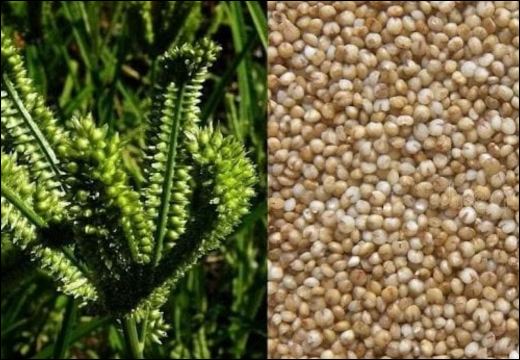
- Inflorescence / Panicle: Kodo millet produces a terminal panicle that is simple or slightly branched, measuring 10–30 cm in length. The panicle consists of several racemes arranged along a central axis, each bearing spikelets. This arrangement helps in efficient seed dispersal and supports high seed yield.
- Spikelets: The spikelets are small, ovate, and arranged in pairs. Each spikelet contains one fertile floret and one sterile floret. They are protected by glumes that are hard and slightly pointed, aiding in protection from pests and environmental stress.
- Seeds / Grains: The grains are small, round, and light brown to golden in color. Each seed is covered by a thin, hard hull that protects it from mechanical damage and pests. The seeds are rich in carbohydrates, protein, and dietary fiber, making them highly nutritious and suitable for human consumption.
Classical Categorisation Of Kodo Millet (Paspalum Scrobiculatum)
- Dhanwanthari Nighantu: Suvarnadi Varga
- Bhavprakash Nighantu: Dhanya Varga
- Raj Nighantu: Shalyadi varga
Ancient Verses For Kodo Millet (Paspalum Scrobiculatum)
Verse No. 1
“कोद्रवः कोरदूषः स्यादुद्दालो वनकोद्रवः ।
कोद्रवः शीतलो ग्राही विषपित्तकफाञ्जयेत् ॥”
Dhanwanthari Nighantu / Suvarnadi Varga / Verse No. 75
According to the above verse Kodo has following synonyms, properties and therapeutic actions:
- Synonyms: Kodrava is also known as Koradusha, Uddalaka, and Vanakodrava (wild variety).
- Properties: It is Shitala (cold in potency) and Grahi (absorbent/styptic).
- Therapeutic Actions: It helps in overcoming Visha (poisoning) and balances the Pitta and Kapha doshas.
Verse No. 2
कोद्रवः कोरदूषः स्यादुद्दालो वनकोद्रवः ।
कोद्रवो वातलो ग्राही हिमः पित्तकफापहः ॥
उद्दालस्तु भवेदुष्णो ग्राही वातकरो भृशम् ॥
Bhavprakash Nighantu Dhanya Varga Verse No. 75
- Names for Kodo: Kodrava and Koradusha are Sanskrit names for Kodo millet.
- Names for Wild Kodo: Uddala and Vanakodrava are Sanskrit names for the wild variety.
- Properties of Kodo: It increases Vata (Vayu-karak), is styptic/absorbent (Grahi), cooling (Shital), and destroys excess Pitta and Kapha.
- Properties of Wild Kodo (Vanakodo): It is warm/hot (Garam), styptic/absorbent (Grahi), and significantly increases Vata (Atyant Vaat-karak).
Verse No. 3
कोद्रवः कोरदूषश्च कुद्दालो मदनाग्रजः । स च देशविशेषेण नानाभेदः प्रकीर्त्तितः ॥
कोद्रवो मधुरस्तिक्तो व्रणिनां पथ्यकारकः । कफपित्तहरो रूक्षो मोहकृद्वातलो गुरुः ॥
Raj Nighantu / Shalyadi varga / Verse No. 128-129
Let’s take a look on the interpretation of the above verse:
- Synonyms: This text adds Kuddala and Madanagraja as additional names for the grain.
- Regional Varieties: It notes that there are many different varieties of this grain depending on the region.
- Taste & Properties: It is sweet (Madhur) and bitter (Tikta) in taste.
- Health Benefits: It is very good (wholesome) for healing people with wounds (Vraninam Pathyakarakah). It helps balance Kapha and Pitta.
- Cautions: It is dry (Ruksha), heavy to digest (Guru), increases Vata, and can be intoxicating (Mohakrit).
Ayurvedic Properties Of Kodo Millet (Paspalum Scrobiculatum)
- Rasa (Taste): Madhur (Sweet), Tikta (Bitter)
- Guna (Qualities): Ruksha (Dry), Laghu (Light to digest)
- Veerya (Potency): Sheeta (Cold)
- Vipaka (Post Digestive Effect): Madhur (Sweet)
Action On Tridosha Of Kodo Millet (Paspalum Scrobiculatum)
Vayukarak (increases vata dosha) and Pitta kaphaapah (balances pitta and kapha dosha).
Therapeutic Indications Of Kodo Millet (Paspalum Scrobiculatum)
- Prameha / Madhumeha (Diabetes / Type-2 Diabetes)
- Raktapitta (Bleeding disorders / Hemorrhage)
- Sthaulya / Atisthaulya (Obesity / Excessive weight gain)
- Vrana (Wounds and ulcers)
- Shotha (Inflammation and swelling)
- Daha (Burning sensation)
- Atisara (Diarrhea / Dysentery)
- Daurbalya (General debility / Physical weakness)
- Santarpana Janya Vyadhi (Metabolic disorders caused by over-nutrition)
- Kleda Shoshana (Absorption of excess body fluids or “moistness”)
- Medo-roga (Diseases of fat tissue)
- Visha (Toxic conditions / Poisoning)
- Udara (Ascites / Enlargement of the abdomen)
- Trishna (Excessive thirst)
- Yonivyapat (Gynecological / Uterine disorders)
Systemic Actions Of Kodo Millet (Paspalum Scrobiculatum)
- Digestive and Metabolic Benefits: The high dietary fiber supports gut motility, bowel regularity, and satiety, which indirectly improves metabolism and may aid in maintaining healthy body weight. Regular consumption can also positively influence lipid profiles, reducing the risk of cardiovascular disorders.
- Immune Modulation: Experimental studies suggest that Kodo millet can influence immune cell activity and cytokine balance, helping modulate immune responses and potentially reducing chronic inflammation in systemic conditions.
- Cardiovascular Health: Through its fiber content and antioxidant properties, Kodo millet may contribute to lower LDL cholesterol levels and improved lipid metabolism, supporting cardiovascular function and reducing systemic inflammatory stress.
Chemical Composition Of Kodo Millet (Paspalum Scrobiculatum)
- Phenolic compounds
- Flavonoids
- Tannins
- Phytic acid
- Glycosides
- Proteins
Actions And Properties Of Various Chemical Constituents Of Kodo Millet (Paspalum Scrobiculatum)
- Phenolic Compounds: Scavenge free radicals, reduce oxidative stress, protect cells from damage.
- Flavonoids: Neutralize reactive oxygen species, reduce inflammation, support immune function.
- Tannins: Provide antioxidant effects, exhibit antimicrobial potential, support gut health.
- Phytic Acid: Acts as an antioxidant, may have anti-cancer effects, modulates mineral absorption.
- Glycosides: Contribute to antioxidant activity, protect organs and tissues.
- Proteins: Support growth and tissue repair, improve metabolic health.
Practical Uses / Health Benefits Of Kodo Millet (Paspalum Scrobiculatum)
- Helps stabilize blood glucose levels, beneficial for diabetic and pre-diabetic individuals.
- Improves gut motility, promotes bowel regularity, and prevents constipation.
- Supports a healthy gut microbiome.
- Promotes satiety, reduces overeating, and aids in maintaining a healthy body weight.
- Lowers cholesterol, improves lipid profiles, and reduces the risk of heart disease.
- Neutralizes free radicals, reduces oxidative stress, and protects organs and tissues.
- Helps reduce systemic inflammation, supporting overall health.
- Supports strong bones, energy metabolism, and hemoglobin synthesis due to minerals like magnesium, phosphorus, calcium, and iron.
- Provides sustained energy through complex carbohydrates, proteins, and essential micronutrients.
- May reduce the risk of certain cancers by protecting cells from oxidative damage.
- Naturally gluten-free, suitable for individuals with celiac disease or gluten sensitivity.
Part(s) Used Of Kodo Millet (Paspalum Scrobiculatum)
Grains
Home Remedies Of Kodo Millet (Paspalum Scrobiculatum)
- Kodo Millet Porridge: Cook kodo millet in water to prepare a light porridge; helps support digestion, regulate blood sugar, and improve satiety.
- Kodo Millet Rice Substitute: Use cooked kodo millet in place of rice for daily meals to help manage diabetes and support weight control.
- Kodo Millet Flour Roti: Prepare rotis using kodo millet flour; beneficial for gut health and provides sustained energy.
- Kodo Millet Upma or Khichdi: A simple preparation with mild spices helps improve digestion and provides nourishment during weakness.
- Kodo Millet Gruel: Thin gruel made with kodo millet is useful during digestive disturbances and for easy assimilation.
- Soaked and Cooked Kodo Millet: Soaking before cooking improves digestibility and nutrient absorption; useful for daily dietary use.
Research On Kodo Millet (Paspalum Scrobiculatum)
- Nutritional and Phytochemical Profile: Scientific investigations describe Kodo millet as a nutritionally rich grain containing complex carbohydrates, significant dietary fiber, moderate protein, and essential minerals. It also possesses bioactive phytochemicals such as phenolic compounds and flavonoids, which are responsible for its antioxidant and health-supporting properties.
- Effect of Processing Techniques on Nutritional Quality: Research confirms that traditional and modern processing techniques improve the quality of Kodo millet. Practices like soaking, sprouting, fermentation, and heat treatment enhance antioxidant levels, increase protein availability, and reduce compounds that hinder mineral absorption, thereby improving digestibility and nutrient utilization.
- Antidiabetic and Glycemic Control Research: Multiple experimental studies indicate that Kodo millet plays a supportive role in blood sugar regulation. Its high fiber content and slow carbohydrate breakdown help prevent sudden rises in blood glucose. Additionally, it has shown the ability to improve insulin response and support healthy lipid metabolism.
- Antioxidant and Anti-Inflammatory Studies: Research findings reveal that the natural antioxidants present in Kodo millet help counteract oxidative stress by neutralizing harmful free radicals. This protective action contributes to reducing inflammation and helps safeguard tissues from long-term cellular damage.
- Cardiometabolic and Lifestyle Disease Management: Dietary studies suggest that regular inclusion of Kodo millet supports heart health by improving cholesterol levels and assisting in weight control. These properties make it suitable for diets aimed at managing lifestyle-related disorders.
- Functional Food Development and Dietary Applications: Kodo millet has been widely studied for its use in value-added food products such as porridges, flours, fermented foods, and baked items. Research shows that these products are nutritionally beneficial while remaining palatable and acceptable for regular consumption.
- Digestibility and Mineral Bioavailability: Studies demonstrate that appropriate processing lowers anti-nutritional factors, leading to better digestion and improved absorption of minerals such as iron, calcium, and magnesium. This supports bone strength, energy production, and overall metabolic function.
- Comparative Studies with Other Cereals and Millets: Comparative research highlights that Kodo millet contains more dietary fiber and minerals than commonly consumed refined cereals. Its lower glycemic impact and richer phytochemical content make it a healthier alternative for regular diets.
- Agricultural and Ecological Research: Research on Kodo millet cultivation shows that it supports beneficial soil microorganisms, improves nutrient cycling, and tolerates environmental stress. These characteristics make it an important crop for sustainable and climate-resilient agriculture.
Conclusion
Kodo millet (Paspalum scrobiculatum) is a resilient, gluten-free cereal recognized in both ancient Ayurvedic texts and modern nutrition for its extensive health benefits. Historically classified as Kodrava or Koradusha, it is valued for its cooling potency and ability to balance Pitta and Kapha doshas while supporting wound healing and detoxification. Scientifically, its rich profile of phenolic compounds, flavonoids, and high dietary fiber contributes to significant antidiabetic, antioxidant, and cardiovascular support. Its adaptability to harsh climates makes it a vital crop for sustainable agriculture. Whether used as a staple rice substitute or in therapeutic porridges, Kodo millet serves as a functional food that effectively manages metabolic disorders, obesity, and systemic inflammation.