


Musa paradisiaca / Kadli / Banana / Plantain / Musa sapientum – Medicinal Properties, Benefits & Dosage
Abstract
Kadli, commonly known as Banana, is one of the most widely used and nutritionally rich fruits in Ayurveda as well as modern nutrition. It is obtained from the plant Musa paradisiaca and is valued for its Balya (strength-promoting), Brimhana (nourishing), and Pittashamak (Pitta-pacifying) properties. Kadli is rich in carbohydrates, potassium, dietary fiber, and essential vitamins, making it highly beneficial for energy, digestion, and overall vitality. It supports healthy bowel movements, helps manage acidity, and promotes tissue nourishment (Dhatu Poshana). Due to its cooling nature, it is particularly useful in conditions like hyperacidity, burning sensation, and weakness. It also plays a role in heart health, muscle function, and maintaining electrolyte balance.
Classical Reference Of Kadli (Musa paradisiaca)
Bhavprakash Nighantu Amradi Phal Varga Page no. 545
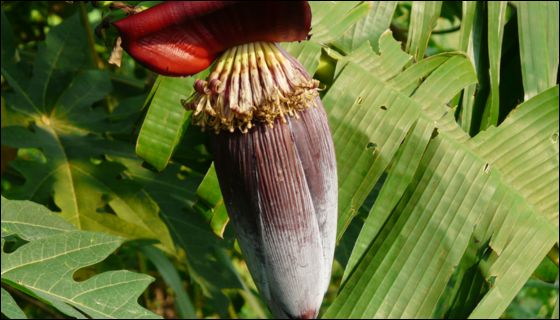
Scientific Classification Of Kadli (Musa paradisiaca)
- Kingdom: Plantae
- Division: Magnoliophyta
- Class: Liliopsida
- Order: Zingiberales
- Family: Musaceae
- Genus: Musa
- Species: paradisiaca
Synonyms Of Kadli (Musa paradisiaca)
- Kadali: The most common name for banana; it refers to the plant’s beauty or its tendency to “quiver” in the wind.
- Varana: Relates to providing a “cover” or “protection,” referring to the large, broad leaves of the plant.
- Mocha: Derived from a root meaning “to release” or “to exude,” likely referring to the plant’s sap or medicinal juice.
- Ambusara: Literally translates to “Essence of Water,” highlighting the high water content and cooling nature of the plant.
- Anshumatiphala: A combination of Anshumati (radiant or fibrous) and Phala (fruit), referring to a fruit that is fibrous or full of nourishing energy.
- Kadali: The standard botanical name for the banana plant.
- Suphala: “Having good fruit”; refers to its high yield and quality.
- Rambha: “Pleasing” or “Beautiful”; also the name of a celestial nymph.
- Sukumara: “Very tender/delicate”; referring to the soft nature of the plant.
- Sakrtphala: “Fruiting once”; the plant dies after producing a single bunch.
- Mocha: “That which releases”; referring to the sap or the way the fruit is shed.
- Gucchaphala: “Cluster-fruit”; because the bananas grow in large bunches.
- Hasti-vishani: “Elephant-tusk like”; referring to the curved shape of the fruit.
- Guccha-dantika: “Cluster of teeth”; referring to the rows of fruit in a bunch.
- Kashthi-rasa: “Woody sap”; referring to the high water content within the stem.
- Nis-sara: “Pithless”; lacking a hard, solid core or heartwood.
- Rajesta: “King’s favorite”; considered a superior or noble fruit.
- Balak-priya: “Dear children”, reflecting its popularity among the young.
- Urustambha: “Thigh-like trunk”; referring to the thickness and shape of the stem.
- Bhanu-phala: “Sun-fruit”; a fruit that ripens and thrives in sunlight.
- Vana-laksmi: “Forest-wealth” or “Beauty of the forest.”
Vernacular Names Of Kadli (Musa paradisiaca)
- Sanskrit: Kadali, Rambha
- Hindi: Kela
- Punjabi: Kela
- Gujarati: Kela
- Marathi: Keli
- Bengali: Kola
- Tamil: Vazhai Pazham
- Telugu: Arati Pandu
- Kannada: Bale Hannu
- Malayalam: Vazhapazham
- English: Banana
Habitat Of Kadli (Musa paradisiaca)
Native Origin
Kadli, botanically known as Musa paradisiaca, is believed to have originated in the tropical regions of Southeast Asia, particularly in areas covering present-day Malaysia, Indonesia, and the Philippines. Historical and archaeological evidence suggests that banana cultivation dates back more than 5,000 years, making it one of the oldest cultivated crops in human civilization. From its place of origin, Kadli gradually spread to other parts of Asia through trade routes and later reached Africa and the Americas. In Ayurveda, Kadli has been recognized since ancient times for its nourishing (Brimhana), cooling (Sheetala), and strengthening properties.
Global Distribution
Today, Kadli is widely cultivated in tropical and subtropical regions across the globe due to its adaptability and high nutritional value. It is grown extensively in countries such as India, Sri Lanka, Indonesia, Philippines, Thailand, Brazil, Ecuador, Kenya, and other parts of Africa and South America. Bananas are considered a staple food in many developing nations and are also a major export commodity worldwide. The plant thrives best in regions close to the equator where environmental conditions remain warm and humid throughout the year. Its ability to produce fruit continuously without a specific season makes it a highly valuable agricultural crop globally.
Climatic Requirements
- Temperature: The ideal temperature range for banana cultivation is between 20°C to 35°C. Growth slows significantly below 15°C, and exposure to temperatures above 40°C can cause stress, leaf damage, and reduced yield.
- Humidity: High humidity (above 60–70%) is essential for healthy vegetative growth. Dry conditions can lead to poor fruit development and leaf dehydration.
- Rainfall: The plant requires adequate and well-distributed rainfall, typically around 1000–2500 mm annually. However, excessive water stagnation should be avoided as it may cause root rot.
- Sunlight: Kadli requires abundant sunlight for photosynthesis and proper fruit maturation. Shaded conditions can reduce yield and affect fruit quality.
- Wind Protection: Banana plants have large, broad leaves that are highly susceptible to wind damage. Strong winds can tear leaves, uproot plants, and negatively impact productivity. Therefore, windbreaks or sheltered cultivation areas are often recommended.
Distribution And Cultivation In India
India is one of the largest producers of bananas in the world, contributing significantly to global production. Kadli is cultivated throughout the country due to its economic importance and year-round demand.
Major banana-producing states include:
- Tamil Nadu: Known for its advanced cultivation techniques and high productivity.
- Maharashtra: A leading exporter of bananas with modern irrigation practices.
- Gujarat: Produces high-quality bananas, especially in regions with fertile alluvial soil.
- Andhra Pradesh: One of the top contributors with large-scale commercial cultivation.
- Karnataka: Cultivation is widespread with diverse banana varieties.
- Kerala: Known for traditional varieties and extensive use in daily diet and rituals.
- Others: In addition to these states, banana cultivation is also prominent in Bihar, West Bengal, Assam, and Uttar Pradesh. The plant is grown both in small-scale farms and large commercial plantations. Tissue culture techniques are increasingly being used to ensure disease-free and uniform planting material.
Soil Requirements
- Soil Type: Well-drained, deep, fertile loamy soil is most suitable. The plant can also grow in sandy loam, alluvial, and volcanic soils if proper care is taken.
- Organic Matter: High organic content enhances soil fertility, improves moisture retention, and supports microbial activity, all of which are beneficial for banana growth.
- Drainage: Proper drainage is crucial, as waterlogged conditions can lead to root diseases such as rhizome rot.
- pH Level: A slightly acidic to neutral pH range of 6.0 to 7.5 is ideal. Highly acidic or alkaline soils can affect nutrient availability and plant health.
- Soil Depth: Deep soils (at least 1 meter) are preferred to accommodate the extensive root system of the plant.
Morphology Of Kadli (Musa paradisiaca)
Habit
Kadli, botanically known as Musa paradisiaca, is a large, fast-growing, herbaceous perennial plant. Unlike woody trees, it lacks a true woody trunk and instead exhibits a soft, succulent structure. The plant typically attains a height of 2 to 6 meters, depending on the variety, climatic conditions, and cultivation practices. It grows in clumps, producing multiple shoots (suckers) from its underground rhizome, which ensures continuous propagation and regeneration. Its lush green appearance and rapid growth make it a prominent feature in tropical landscapes.
Root System
Kadli possesses a fibrous and adventitious root system that arises from the underground rhizome (corm). These roots spread extensively in the upper layers of the soil, generally within a depth of 30–60 cm, allowing efficient absorption of water and nutrients.
- The roots are numerous, thin, and well-branched.
- They provide strong anchorage to the plant despite its large aerial structure.
- The shallow nature of the roots makes the plant sensitive to drought as well as waterlogging.
- Healthy root development is essential for optimal fruit yield and plant vigor.
Stem (Pseudostem)
- The apparent stem of Kadli is not a true stem but a pseudostem, formed by the tightly packed, overlapping bases of leaf sheaths.
- It is cylindrical, fleshy, and succulent in nature.
- The pseudostem serves as the main support structure for the plant.
- Its color varies from light green to reddish or purplish depending on the variety.
- The true stem is actually an underground rhizome that produces the pseudostem above ground.
- After fruiting, the pseudostem dies back, and new shoots arise from the base.
- This unique structure distinguishes Kadli from most other fruit-bearing plants.
Leaves
- The leaves of Kadli are one of its most distinctive morphological features:
- They are large, broad, and elongated, often measuring up to 1.5–3 meters in length and 30–60 cm in width.
- Leaves exhibit parallel venation, characteristic of monocotyledonous plants.
- Each leaf consists of a long petiole and a lamina with a prominent midrib.
- The leaves are bright green and tender but easily torn by wind due to their delicate texture.
- The arrangement of leaves in a spiral manner around the pseudostem helps in maximizing sunlight absorption.
- These large leaves play a vital role in photosynthesis, contributing significantly to the plant’s rapid growth.
Inflorescence
Kadli produces a unique and striking inflorescence:
- It is a large, pendulous (hanging) spike emerging from the top of the pseudostem.
- The inflorescence axis, also known as the peduncle, extends downward bearing multiple clusters of flowers.
- It is covered by large, waxy, purple or reddish bracts, which protect the developing flowers.
- As the inflorescence matures, these bracts gradually lift and fall off, exposing rows of flowers beneath.
- This characteristic flowering structure is commonly referred to as the banana heart.
Flowers
- Female flowers are located at the lower portion of the spike and are the ones that develop into fruits.
- Male flowers are found at the upper portion and usually fall off after shedding pollen.
- Each cluster is subtended by a bract, giving the inflorescence a layered appearance.
- The flowers are typically cream or pale yellow in color.
- The differentiation of flowers into male and female types plays an important role in fruit formation.
Fruits
- Fruits are elongated, slightly curved, and fleshy.
- They develop in clusters known as hands, and each individual fruit is called a finger.
- The outer covering is a peel (pericarp), which changes color from green to yellow (or red in some varieties) upon ripening.
- Inside is a soft, sweet pulp that is easy to digest.
- Cultivated varieties are generally seedless, while wild types may contain hard seeds.
- The fruit is rich in carbohydrates, vitamins (especially Vitamin B6 and C), potassium, and dietary fiber.
Classical Categorisation Of Kadli (Musa paradisiaca)
- Bhavprakash Nighantu: Amradi Phala Varga
- Raj Nighantu: Amradi Varga
- Dhavwanthari Nighantu: Karveeradi Varga
Ancient Verses For Kadli (Musa paradisiaca)
Verse No. 1
कदली वारणा मोचाऽम्बुसारांशुमतीफला ।
मोचाफलं स्वादु शीतं विष्टम्भि कफकृद् गुरु ॥
स्निग्धं पित्तास्रतृड्दाहक्षतक्षयसमीरजित् ।
पक्वं स्वादु हिमं पाके स्वादु वृष्यञ्च बृंहणम् ॥
क्षुत्तृष्णानेत्रगदहन्मेहघ्नं रुचिमांसकृत् ॥
Bhavprakash Nighantu Amradiphala Varga Verse No. 33-34
Verse Interpretation
Synonyms Of Kadali
- Kadali: The most common name for banana; it refers to the plant’s beauty or its tendency to “quiver” in the wind.
- Varana: Relates to providing a “cover” or “protection,” referring to the large, broad leaves of the plant.
- Mocha: Derived from a root meaning “to release” or “to exude,” likely referring to the plant’s sap or medicinal juice.
- Ambusara: Literally translates to “Essence of Water,” highlighting the high water content and cooling nature of the plant.
- Anshumatiphala: A combination of Anshumati (radiant or fibrous) and Phala (fruit), referring to a fruit that is fibrous or full of nourishing energy.
Properties Of Raw And Ripe Banana
Raw Banana
- Taste and Nature: Delicious, cooling (Sheetal), and constipating (Vishtambhak).
- Effect on Humors: Increases Kapha (Kaphakarak), heavy to digest (Guru), and unctuous/oily (Snigdha).
- Benefits: It eliminates or cures Pitta, blood disorders (Raktavikar), excessive thirst, burning sensations (Daah), wounds/injuries (Kshat), wasting diseases (Kshaya), and Vata disorders.
Ripe Banana
- Taste and Nature: Delicious, cooling, and sweet in post-digestive effect (Vipak).
- Nourishment: It is an aphrodisiac (Vrushya/Viryavardhak—improves reproductive health) and bulk-promoting (Bruhan—increases body fluids like plasma and blood).
- Physical Effects: It improves taste/appetite and increases muscle mass (Maans).
- Cures: It acts as a destroyer of (cures) hunger, excessive thirst, eye diseases (Netrarog), and urinary disorders/diabetes (Prameh)
Verse No. 2
कदली सुकुमारा च रम्भा स्वादुफला मता।
दीर्घपत्रा च निःसारा मोचा हस्तिविषाणिका॥
कदली मधुरा शीता रम्या पित्तहरा मृदुः।
कदल्यास्तु फलं स्वादु कषायं नाति शीतलम्॥
Dhanwanthari Nighantu Karveeradi Varga Verse No. 68-69
Verse Interpretation
Synonyms Of Kadali
- Sukumara: Delicate or tender.
- Rambha: Beautiful (named after a famous celestial nymph).
- Svadubhala: A delicious fruit.
- Dirghapatra: Having long leaves.
- Nihsara: Having no solid core (referring to the soft, pithless stem).
- Mocha: Releasing sap or juice.
- Hastivishanika: Shaped like the tusk of an elephant.
Verse No. 3
रक्तपित्तहरं वृष्यं रुच्यं कफकरं गुरु।
कन्दस्तु वातलो रूक्षः शीतोऽसृक्कृमिकुष्ठनुत्॥
Dhanwanthari Nighantu Karveeradi Varga Verse No. 70
Verse Interpretation
Medicinal Actions And Therapeutics
The Entire Plant (Whole Plant)
- Taste and Energy: It is sweet in flavor and has a cooling effect on the body.
- Internal Balance: It effectively calms the Pitta dosha (associated with heat and metabolism) and promotes a soft or gentle (mrudu) internal state.
The Banana Fruit
- Properties: The fruit is characterized as being astringent, sweet, and cooling in nature.
- Vata Connection: Consuming the fruit may increase or aggravate the Vata dosha (associated with air and dryness).
The Rhizome (Root)
- Nature: The root/bulb is naturally cold and dry (ruksha).
- Healing Benefits: Hemorrhage, Worm Infestations and various Skin Conditions
Verse No. 4
कदली सुफला रम्भा सुकुमारा सकृत्फला ।
मोचा गुच्छफला हस्ति-विषाणी गुच्छदन्तिका ।।
काष्ठीरसा च निःसारा राजेष्टा बालकप्रिया ।
ऊरुस्तम्भा भानुफला वनलक्ष्मीश्च षोडश ।।
बालं फलं मधुरमल्पतया कषायं पित्तापहं शिशिररुच्यमथापि नालम् ।
पुष्पं तदप्यनुगुणं क्रिमिहारि कन्दं पर्णञ्च शूलशमकं कदलीभवं स्यात् ।।
रम्भापक्कफलं कषायमधुरं बल्यञ्च शीतं तथा पित्तं चास्त्रविमर्दनं गुरुतरं पथ्यं न मन्दानले ।
सद्यः शुक्रविवृद्धिदं क्लमहरं तृष्णापहं कान्तिदं दीप्ताग्नौ सुखदं कफामयकरं सन्तर्पणं दुर्जरम् ।।
Raj Nighantu Amradi Varga Verse No. 36-39
Verse Interpretation
Synonyms Of Kadali
- Kadali: The standard botanical name for the banana plant.
- Suphala: “Having good fruit”; refers to its high yield and quality.
- Rambha: “Pleasing” or “Beautiful”; also the name of a celestial nymph.
- Sukumara: “Very tender/delicate”; referring to the soft nature of the plant.
- Sakrtphala: “Fruiting once”; the plant dies after producing a single bunch.
- Mocha: “That which releases”; referring to the sap or the way the fruit is shed.
- Gucchaphala: “Cluster-fruit”; because the bananas grow in large bunches.
- Hasti-vishani: “Elephant-tusk like”; referring to the curved shape of the fruit.
- Guccha-dantika: “Cluster of teeth”; referring to the rows of fruit in a bunch.
- Kashthi-rasa: “Woody sap”; referring to the high water content within the stem.
- Nis-sara: “Pithless”; lacking a hard, solid core or heartwood.
- Rajesta: “King’s favorite”; considered a superior or noble fruit.
- Balak-priya: “Dear children”, reflecting its popularity among the young.
- Urustambha: “Thigh-like trunk”; referring to the thickness and shape of the stem.
- Bhanu-phala: “Sun-fruit”; a fruit that ripens and thrives in sunlight.
- Vana-laksmi: “Forest-wealth” or “Beauty of the forest.”
Properties Of The Young Fruit And Plant Parts
- Young Fruit: It is sweet and slightly astringent in taste. It effectively alleviates (balances) pitta.
- Fruit Stem (Nalam): It has cooling properties and acts as an appetizer.
- Flower: The medicinal properties of the flower are similar to those of the fruit stem (Nalam).
- Root or Kanda: It is anthelmintic, meaning it helps in expelling or destroying intestinal worms.
- Leaves: These act as an anodyne (pain reliever) and are used to remove colics (severe abdominal pain).
Properties Of The Ripe Fruit
Taste and Nature: The ripe fruit is sweet and astringent. It is cooling in nature and provides physical strength.
Therapeutic Uses
- It controls ailments related to rakta (blood) and pitta dosha.
- It serves as an aphrodisiac, quickly improving semen quality.
- It helps remove fatigue and satisfies thirst.
- It gives a healthy lustre to the skin.
Digestion Warnings
- The fruit is very heavy to digest.
- It is not advised for people with weak digestive power.
- It can produce kaphaja ailments (issues related to Kapha dosha, like congestion or mucus).
- It is best suited for those with a strong digestive fire (Agni), who can digest it easily to gain its full benefits.
Ayurvedic Properties Of Kadli (Musa paradisiaca)
- Rasa (Taste): Madhura (Sweet), Kashaya (Astringent)
- Guna (Qualities): Guru (Heavy), Snigdha (Unctuous)
- Veerya (Potency): Sheeta (Cold)
- Vipaka (Post-digestive effect): Madhura (Sweet)
Action On Tridosha Of Kadli (Musa paradisiaca)
- Pitta-Vata Shamaka and Kapha Vardhaka
Therapeutic Indications Of Kadli (Musa paradisiaca)
- Burn wounds (external application of pulp and flowers)
- Renal calculi (kidney stones)
- Leucorrhea
- Dysuria (painful urination)
- Skin infections and eczema
- Dry cough (ripe fruit beneficial)
- Burning sensation and dehydration
- Hysteria (as per classical reference)
- Seminal debility and general weakness
- Constipation
- Burning micturition
- Cholera (raw banana)
- Hyperacidity
Systemic Actions Of Kadli (Musa paradisiaca)
Gastrointestinal System (Digestive Support)
- Anti-Ulcerogenic: Unripe banana contains leucocyanidin, which increases the thickness of the gastric mucous membrane, protecting the stomach from acid and ulcers.
- Anti-Diarrheal & Astringent: Due to high tannin and pectin content, the unripe fruit and stem juice “bind” the stool. It is a traditional remedy for dysentery and Grahani (IBS).
- Anthelmintic: The root (Kanda) and the juice of the plant act against intestinal worms and parasites (Krumihari).
- Appetizer (Ruchya): The flower and stem are used to improve taste perception and treat anorexia.
Urinary & Renal System
- Anti-Urolithiatic (Kidney Stones): The juice of the pseudostem is widely used in Ayurveda to dissolve and expel urinary calculi (stones). It reduces markers like glycolic acid oxidase that lead to stone formation.
- Diuretic: It helps in cases of dysuria (painful urination) and urinary retention by promoting healthy urine flow.
Reproductive & Endocrine System
- Aphrodisiac (Vrishya): The ripe fruit is known for Sadyah Shukravivardhanam, instantly increasing the quality and quantity of semen (Shukra).
- Anti-Menorrhagic: The flower juice, often taken with curd, is a potent treatment for excessive menstrual bleeding (Asrigdara) and painful periods.
- Anti-Diabetic: Research on the flower and unripe fruit shows they can inhibit enzymes like alpha-amylase, helping to regulate blood sugar levels.
Cardiovascular & Circulatory System
- Anti-Hypertensive: Ripe bananas are high in potassium and serotonin, which help manage blood pressure and reduce tension in the blood vessels.
- Hemostatic (Raktapittahara): The astringent nature of the plant parts helps stop internal bleeding and manages bleeding disorders (blood in stool, nosebleeds, etc.).
- Hypolipidemic: Extracts from the fruit peel and leaves can help reduce cholesterol and triglycerides in the blood.
Integumentary System (Skin & Wound Healing)
- Vulnerability & Healing: External application of mashed leaves or stem juice promotes rapid skin recovery in burns, blisters, and minor wounds.
- Complexion: Systemically, the ripe fruit is said to provide a healthy glow and luster to the skin.
Nervous System
Traditional uses of the sap include managing hysteria and epilepsy. Modern studies suggest it may have neuroprotective and anticonvulsant properties.
Chemical Composition Of Kadli (Musa paradisiaca)
1. Resistant Starch
Functions as a prebiotic in the colon; it is the primary active compound for treating chronic diarrhea and dysentery by adding bulk and feeding healthy gut flora.
2. Leucocyanidin (Flavonoid)
Increases the thickness of the gastric mucous membrane; it provides a potent anti-ulcer effect by protecting the stomach lining from acid erosion.
3. Potassium
Acts as a natural vasodilator; it regulates blood pressure, prevents muscle cramps, and maintains healthy electrolyte balance for heart function.
4. Tannins & Polyphenols
Provide astringent properties; these chemicals are responsible for the “hemostatic” action, which stops internal bleeding and manages excessive menstrual flow.
5. Serotonin & Dopamine
Act as neurotransmitters; these biogenic amines help in mood regulation and support the nervous system, contributing to the plant’s traditional use in managing anxiety.
6. Pectin (Soluble Fiber)
Binds to bile acids and cholesterol in the gut; it helps lower LDL (bad) cholesterol levels and improves overall lipid metabolism.
7. Vitamin B6 (Pyridoxine)
Essential for amino acid metabolism; it supports brain health and the production of hemoglobin.
8. Vitamin C (Ascorbic Acid)
Functions as a powerful antioxidant; it prevents oxidative stress and is chemically responsible for improving skin luster and wound healing.
9. Allantoin
Found in the leaves and sap; it stimulates cell proliferation, making it chemically effective for healing burns, blisters, and skin rashes.
10. Magnesium
Works alongside potassium to support nerve transmission and muscle relaxation; it is also crucial for bone mineralization.
11. Anthocyanins
Found in the roots; these provide antimicrobial and anthelmintic (anti-worm) properties, helping to clear the digestive tract of parasites.
Practical Uses / Health Benefits Of Kadli (Musa paradisiaca)
- Consuming unripe banana provides a natural coating for the stomach lining, effectively treating peptic ulcers and neutralizing excess acidity.
- The high tannin and pectin content in both the fruit and the stem juice helps bind stools, making it a reliable remedy for acute diarrhea and dysentery.
- Fresh juice from the inner pseudostem acts as a potent lithotriptic agent, helping to dissolve and flush out urinary calculi (stones) by reducing urinary oxalate levels.
- The cooked banana flower or its juice is used to regulate hormones and stop excessive menstrual bleeding (Menorrhagia).
- High potassium levels help the body eliminate excess sodium, which naturally lowers blood pressure and supports heart health.
- Natural sugars in the ripe fruit provide a rapid caloric boost, effectively relieving fatigue and exhaustion.
- Applying banana leaves or mashed pulp topically cools minor burns, reduces inflammation, and improves the skin’s overall texture and glow.
- The root and young fruit possess anthelmintic properties, which help in eliminating parasitic worms from the digestive tract.
- Regular consumption of the ripe fruit is traditionally used as an aphrodisiac to improve the quality and quantity of reproductive fluids.
Part Used Of Kadli (Musa paradisiaca)
- Phala (Fruit): Used in both unripe and ripe stages for digestive, nutritional, and energy-boosting benefits.
- Pushpa (Flower): Primarily used for managing excessive menstrual bleeding and diabetes.
- Kanda (Rhizome/Root): Utilized for its anthelmintic properties to expel intestinal worms.
- Pith (Inner Stem): The juice of the pseudostem is a potent remedy for dissolving kidney and bladder stones.
- Patra (Leaves): Used topically for dressing burns and blisters, and as a natural wrapper for steaming medicinal foods.
- Nala (Stem Pith): Used as an appetizer and to balance Pitta-related disorders.
- Kshara (Water-soluble Ash): Prepared from the dried plant parts, it is used in specialized Ayurvedic treatments for abdominal tumors and urinary stones.
Dosage Of Kadli (Musa paradisiaca)
- Fresh Juice (Swarasa): 10 to 20 ml per day, typically used for the pseudostem juice to treat kidney stones or the flower juice for menstrual health.
- Fruit Pulp: 1 to 2 ripe fruits daily as a general health tonic or energy booster.
- Unripe Fruit Powder (Churna): 3 to 6 grams, often taken with honey or warm water for digestive issues like ulcers or diarrhea.
- Flower Decoction (Kwatha): 30 to 50 ml, prepared by boiling the flower in water until reduced, used for hormonal balance and diabetes.
- Root Powder (Kanda Churna): 1 to 3 grams, specifically used for expelling intestinal worms.
- Alkali (Kadali Kshara): 250 mg to 1 gram, a very potent preparation used only under supervision for severe urinary or abdominal conditions.
Classical Products With Kadli (Musa paradisiaca)
- Kshara taila
- Balamritam
- Panaviraladi bhasma
- Himasagara taila
- Madana Kameshwari lehya
- Vasant kusumakar Rasa
Conclusion
Kadli (Musa paradisiaca), commonly known as Banana, is a highly valuable fruit in Ayurveda due to its nourishing (Brimhana), strengthening (Balya), and cooling (Sheetala) properties. It supports digestive health, improves tissue nourishment (Dhatu Poshana), and helps maintain electrolyte balance due to its rich potassium and fiber content. Various parts of the plant—including fruit, flower, stem, root, and leaves offer significant therapeutic benefits in conditions such as hyperacidity, urinary disorders, menstrual problems, and general weakness. Its Pitta-shamaka and Vrishya (aphrodisiac) properties further enhance its role in maintaining vitality and reproductive health. When consumed according to digestive capacity (Agni), Kadli serves as a wholesome dietary and medicinal support for overall health and well-being.