


Myocardial Perfusion Imaging – What is It? Why is It Done? How Can Ayurveda Support Heart Health?
Abstract
Myocardial Perfusion Imaging (MPI) is an advanced nuclear medicine imaging test used to evaluate the blood flow to the heart muscle (myocardium). This diagnostic technique helps determine whether the heart muscle is receiving adequate oxygen-rich blood during rest and stress conditions. The procedure involves injecting a small amount of radioactive tracer into the bloodstream, which allows specialized cameras to capture detailed images of the heart. By comparing blood flow patterns during physical exercise or medication-induced stress with those at rest, doctors can identify areas of reduced circulation, blocked coronary arteries, or previous heart damage. Myocardial Perfusion Imaging plays a crucial role in diagnosing coronary artery disease, assessing the severity of heart conditions, and determining the effectiveness of treatments such as angioplasty or bypass surgery. It is often recommended when patients experience symptoms such as chest pain, shortness of breath, fatigue, or suspected reduced blood supply to the heart.
What Is Myocardial Perfusion Imaging (MPI)?
Myocardial Perfusion Imaging (MPI) is a specialized diagnostic test designed to evaluate how well blood flows through the heart muscle. It is commonly known as a nuclear stress test because it uses radioactive tracers and stress methods to assess heart function. Unlike routine heart tests such as ECG or echocardiography, MPI provides detailed information about blood supply to different areas of the heart muscle. It helps identify whether any region is receiving insufficient blood due to narrowed or blocked coronary arteries. This test is particularly useful in detecting conditions that may not be visible through other diagnostic methods. It can reveal both temporary and permanent damage to heart tissues.
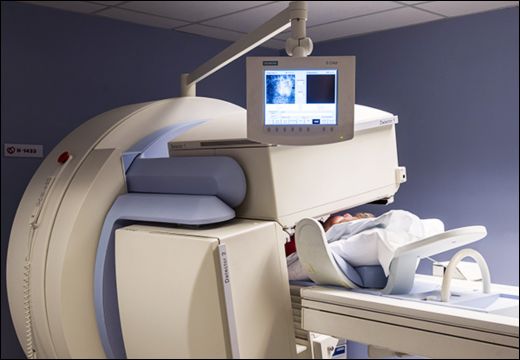
Key Benefits Of MPI Include
- Visualization of blood flow to heart muscle
- Detection of blocked or narrowed coronary arteries
- Identification of damaged heart tissue
- Assessment of heart function under stress
- Evaluation of treatment effectiveness
How Does Myocardial Perfusion Imaging Work?
Myocardial Perfusion Imaging works on the principle of radioactive tracer distribution within the bloodstream. A small amount of radioactive substance is injected into a vein, which travels through the coronary arteries and reaches the heart muscle. Healthy heart tissues absorb the tracer normally, while areas with poor blood supply absorb less tracer. Special gamma cameras detect this tracer and generate images showing blood flow patterns.
The test typically includes two phases:
- Rest Phase: Images are taken while the patient is resting to evaluate baseline blood flow to the heart muscle.
- Stress Phase: Images are taken after exercise or medication-induced stress to assess how well the heart performs when it needs more oxygen.
By comparing rest and stress images, doctors can determine whether reduced blood flow occurs during activity or exists even at rest.
Procedure Of Myocardial Perfusion Imaging
Preparation
- Fasting for at least 4–6 hours before the test
- Avoiding caffeine, tobacco, and alcohol
- Informing the doctor about medications
- Wearing comfortable clothing and shoes
During The Procedure
Step 1- Rest Imaging
- A radioactive tracer is injected into a vein
- The patient rests quietly
- A special camera captures images of the heart
Step 2 – Stress Phase
Stress can be induced in two ways:
Exercise Stress
- The patient walks on a treadmill
- Heart rate gradually increases
- Another tracer injection is given
Medication Stress: If exercise is not possible, medications such as vasodilators are administered to simulate stress.
Step 3 – Stress Imaging
- Additional images are taken
- Doctors compare rest and stress images
The complete procedure usually takes 2–4 hours depending on the protocol used.
Types Of Myocardial Perfusion Imaging
Myocardial Perfusion Imaging includes different techniques based on imaging technology.
- Single Photon Emission Computed Tomography (SPECT): SPECT is the most commonly used method. It provides three-dimensional images of the heart and helps identify areas of reduced blood flow.
- Positron Emission Tomography (PET): PET imaging offers higher resolution images and more precise measurement of blood flow. It is often used in complex cases.
- Stress MPI: This test evaluates blood flow during exercise or medication-induced stress.
- Rest MPI: This test evaluates blood flow when the heart is at rest.
Why Is Myocardial Perfusion Imaging Done?
Myocardial Perfusion Imaging is recommended for several clinical reasons.
Common Reasons Include
- Evaluation of chest pain (angina)
- Detection of coronary artery disease
- Assessment of reduced blood supply to the heart
- Monitoring effectiveness of treatments
- Evaluation after heart attack
- Determining the need for angioplasty or bypass surgery
- Assessing heart function before major surgery
What Can Myocardial Perfusion Imaging Detect?
MPI is capable of detecting a wide range of cardiac abnormalities.
Conditions Detected Include
- Coronary artery blockage
- Reduced blood flow to heart muscle
- Previous heart attack damage
- Areas of scar tissue
- Ischemia (insufficient blood supply)
- Heart muscle weakness
- Risk of future cardiac events
Advantages Of Myocardial Perfusion Imaging
Myocardial Perfusion Imaging offers several advantages in cardiac diagnosis.
- Provides detailed visualization of blood flow
- Detects early coronary artery disease
- Identifies both reversible and irreversible damage
- Helps guide treatment decisions
- Non-invasive compared to surgical tests
- Evaluates heart performance under stress
- Useful in long-term cardiac monitoring
Risks And Safety
Myocardial Perfusion Imaging is generally considered safe.
Common Temporary Effects
- Mild headache
- Fatigue
- Temporary shortness of breath
- Mild chest discomfort
Rare Complications
- Allergic reaction to tracer
- Irregular heartbeat during stress
- Low blood pressure
- Radiation exposure (minimal and controlled)
Who Should Avoid Myocardial Perfusion Imaging?
This test may not be suitable for individuals with:
- Pregnancy
- Severe uncontrolled heart conditions
- Recent heart attack without stabilization
- Severe arrhythmias
- Known allergy to tracers
Preparation And Aftercare
Before The Test
- Avoid caffeine for at least 24 hours
- Do not eat heavy meals before testing
- Follow medication instructions
- Wear comfortable clothing
After The Test
- Drink plenty of fluids to flush out tracer
- Resume normal activities unless advised otherwise
- Report unusual symptoms to the doctor
Clinical Importance Of Myocardial Perfusion Imaging
Myocardial Perfusion Imaging plays a vital role in modern cardiology.
It is widely used for:
- Detecting coronary artery disease
- Evaluating severity of blockages
- Predicting risk of heart attack
- Monitoring recovery after cardiac treatment
- Assessing treatment effectiveness
- Supporting decision-making for interventions
Ayurvedic Perspective On Heart Diseases
According to Ayurveda, heart-related disorders are described under Hridroga (Cardiac Disorders).
Role Of Doshas
- Vata (Movement Principle): Imbalance causes irregular heartbeat, anxiety, and unstable circulation.
- Pitta (Metabolic Heat Principle): Aggravation leads to inflammation, heat, and tissue damage.
- Kapha (Structural Stability Principle): Excess Kapha causes heaviness, blockage, and sluggish circulation.
Dhatu (Tissues) Involvement
- Rasa Dhatu (Circulatory Fluids): Impaired nourishment affects blood flow.
- Rakta Dhatu (Blood Tissue): Circulatory disturbances reduce oxygen supply.
- Ojas (Vital Nectar of life): Reduced Ojas weakens immunity and cardiac vitality.
How Ayurveda Supports Heart Health
- Ayurveda provides a preventive and supportive approach to cardiovascular health by balancing Doshas and nourishing heart tissues.
- While Myocardial Perfusion Imaging helps detect circulation abnormalities, Ayurveda focuses on strengthening heart muscles, improving blood flow, reducing stress, and preventing disease progression.
- The concept of Hridya (Heart-Supportive Herbs) plays an essential role in maintaining cardiac vitality.
Herbal Support
1. Arjuna (Terminalia arjuna)
Arjuna is one of the most important cardioprotective herbs described in Ayurveda. It strengthens heart muscles and improves myocardial function. Scientific studies indicate that Arjuna contains flavonoids and tannins that provide antioxidant and anti-inflammatory effects. It supports healthy blood pressure, improves coronary circulation, and enhances oxygen delivery to heart tissues.
2. Pushkarmool (Inula racemosa)
Pushkarmool is traditionally used in managing chest discomfort and breathlessness. It improves coronary blood flow and reduces symptoms of angina. Its bronchodilatory and circulation-enhancing effects help improve oxygenation and reduce cardiac stress.
3. Brahmi (Bacopa monnieri)
Brahmi supports heart health indirectly by calming the nervous system. Stress is a major risk factor for heart disease, and Brahmi helps reduce anxiety and stabilize heart rhythm. Its antioxidant properties protect heart tissues from oxidative damage.
4. Ashwagandha (Withania somnifera)
Ashwagandha is a powerful adaptogen that helps reduce stress hormones, improve stamina, and enhance cardiac endurance. It supports lipid metabolism, improves circulation, and strengthens overall vitality.
Dietary Guidelines
- Consume freshly prepared warm meals
- Include whole grains like oats and barley
- Eat green leafy vegetables regularly
- Use light pulses such as moong dal
- Reduce salt intake
- Avoid fried and processed foods
- Limit sugar and refined flour
- Maintain regular meal timings
- Avoid overeating
- Stay well hydrated
Lifestyle Recommendations
- Follow regular daily routine (Dinacharya)
- Engage in daily walking
- Practice yoga such as Bhujangasana and Tadasana
- Perform Pranayama like Anulom Vilom
- Manage stress through meditation
- Ensure adequate sleep
- Avoid smoking and alcohol
- Maintain healthy body weight
- Avoid excessive mental stress
Conclusion
Myocardial Perfusion Imaging (MPI) is a highly valuable diagnostic technique that provides detailed information about blood flow to the heart muscle. It plays a critical role in diagnosing coronary artery disease, detecting reduced blood supply, evaluating previous heart damage, and guiding treatment decisions. Its ability to assess heart function under both rest and stress conditions makes it an essential tool in modern cardiology. While advanced diagnostic procedures such as Myocardial Perfusion Imaging enable early detection and accurate diagnosis, Ayurveda offers a holistic approach to maintaining heart health through Dosha balance, herbal support, dietary regulation, and lifestyle management. The integration of modern imaging techniques with Ayurvedic principles supports improved circulation, enhanced cardiac strength, and long-term cardiovascular wellness.