


NT-proBNP Test – What is It? Why is It Done? How Can Ayurveda Support Heart Health?
Abstract
The NT-ProBNP (N-terminal pro–B-type Natriuretic Peptide) Test is an importaNT blood test used to evaluate heart function and diagnose heart failure. This test measures the level of NT-ProBNP, a hormone released into the bloodstream when the heart muscle is stretched or under stress due to increased pressure or fluid overload. Elevated levels of NT-ProBNP indicate that the heart is struggling to pump blood efficieNTly, which may suggest heart failure or other cardiac disorders. The NT-ProBNP Test is commonly recommended for individuals experiencing symptoms such as shortness of breath, fatigue, swelling in legs, or chest discomfort. It is also used to monitor treatmeNT effectiveness in patieNTs already diagnosed with heart disease. This simple yet highly sensitive blood test plays a vital role in early detection, risk assessmeNT, and managemeNT of cardiovascular conditions.
What Is NT-ProBNP Test?
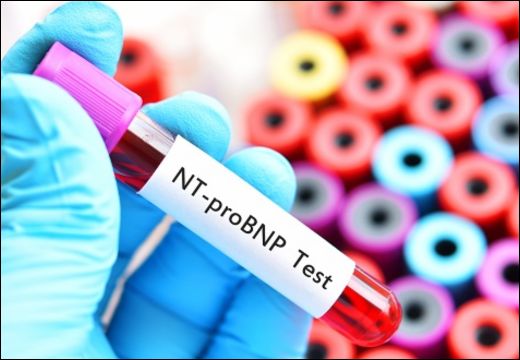
The NT-ProBNP Test is a laboratory blood test that measures the level of a specific protein released by the heart when it experiences strain or increased workload. NT-ProBNP is produced by heart muscle cells in response to stretching caused by excess blood volume or pressure within the heart chambers. Unlike imaging tests, this test provides biochemical evidence of heart stress. It is especially helpful in diagnosing heart failure, evaluating its severity, and distinguishing cardiac causes of breathlessness from lung-related causes.
Key Benefits Of NT-ProBNP Test Include
- Early detection of heart failure
- AssessmeNT of heart stress levels
- DiffereNTiation between cardiac and lung causes of breathlessness
- Monitoring effectiveness of heart failure treatmeNT
- Prediction of risk for future cardiac complications
How Does NT-ProBNP Test Work?
The NT-ProBNP Test works by measuring the conceNTration of N-terminal pro–B-type natriuretic peptide, a hormone released by heart muscle cells when the heart is overloaded with fluid or pressure. When the heart struggles to pump blood efficieNTly, it releases BNP and NT-ProBNP into the bloodstream. The higher the level of NT-ProBNP, the greater the likelihood of heart strain or heart failure.
INTerpretation Of NT-ProBNP Levels
- Normal Levels: Low likelihood of heart failure
- Moderately Elevated Levels: Possible early heart dysfunction
- High Levels: Strong indication of heart failure
- Very High Levels: Severe cardiac stress or advanced heart disease
Procedure Of NT-ProBNP Test
The NT-ProBNP Test is a simple, quick, and minimally invasive diagnostic procedure used to assess heart function. It involves collecting a small blood sample to measure the level of NT-ProBNP, a biomarker associated with heart stress and heart failure. The test is generally safe, convenieNT, and does not require extensive preparation.
Preparation
In most cases, the NT-ProBNP test does not require special preparation. However, following certain basic instructions can help ensure accurate results:
- Fasting is usually not required, and patieNTs can eat and drink normally unless advised otherwise.
- Inform the doctor about all medications you are curreNTly taking, including prescription drugs, over-the-couNTer medicines, and herbal supplemeNTs. Some medications may influence test results.
- Stay well hydrated before the test, as proper hydration helps make blood collection easier.
- Avoid strenuous physical activity or heavy exercise before the test, as iNTense exertion may temporarily affect NT-ProBNP levels.
During The Procedure
The NT-ProBNP test is performed in a clinical laboratory or hospital setting and usually involves the following steps:
Step 1 – Blood Sample Collection
- A trained healthcare professional collects a small sample of blood from a vein, usually from the arm.
- The skin at the collection site is cleaned using an aNTiseptic solution.
- A sterile needle is geNTly inserted into the vein to draw blood into a collection tube.
- The process is quick and typically takes only a few minutes.
- After the sample is collected, the needle is removed, and geNTle pressure is applied to preveNT bleeding.
- This step is minimally invasive and usually causes only mild, brief discomfort.
Step 2 – Laboratory Analysis
- Once collected, the blood sample is seNT to a laboratory for testing.
- Specialized laboratory equipmeNT is used to measure the level of NT-ProBNP preseNT in the blood.
- The test accurately quaNTifies the conceNTration of this biomarker, which reflects the degree of stress on the heart muscle.
Step 3 – Result INTerpretation
- After analysis, the results are reviewed and iNTerpreted by a physician.
- The doctor evaluates the NT-ProBNP level in relation to symptoms, medical history, and other clinical findings.
- If the NT-ProBNP levels are elevated, additional diagnostic tests such as echocardiography or other cardiac investigations may be recommended to determine the underlying cause.
Duration Of The Test
The overall procedure is quick and convenieNT:
- Blood sample collection usually takes 5–10 minutes.
- Laboratory results are typically available within a few hours to one day, depending on the laboratory facilities.
Types Of Natriuretic Peptide Tests
Natriuretic peptide tests are commonly used to evaluate heart function and detect conditions such as heart failure. There are two main types of tests related to natriuretic peptides, both of which measure substances released by the heart in response to increased pressure or stress.
Bnp Test (B-Type Natriuretic Peptide)
- The BNP Test measures the level of active B-type Natriuretic Peptide (BNP) hormone released by the heart.
- BNP is produced primarily by the veNTricles of the heart in response to stretching or increased pressure.
- This test helps assess the severity of heart failure and monitor the effectiveness of treatmeNT.
- Elevated BNP levels often indicate increased cardiac stress or fluid overload in the body.
NT-ProBNP Test (N-Terminal Pro-B-Type Natriuretic Peptide)
- The NT-ProBNP Test measures the level of NT-ProBNP, an inactive fragmeNT released along with BNP.
- NT-ProBNP remains in the bloodstream for a longer duration than BNP, making it more stable and reliable for testing.
- Due to its longer half-life, NT-ProBNP provides more consisteNT and dependable readings in many clinical situations.
- This test is widely used for diagnosing heart failure, assessing its severity, and monitoring treatmeNT response.
Why Is NT-ProBNP Test Done?
The NT-ProBNP Test is recommended in various clinical situations to evaluate heart function and detect cardiac stress. It is commonly done for the following reasons:
- To help diagnose heart failure, especially in individuals with symptoms such as shortness of breath, fatigue, or swelling in the legs.
- To determine whether shortness of breath or breathing difficulty is related to heart problems or other causes such as lung conditions.
- To assess the severity of heart failure and understand how much stress the heart is experiencing.
- To monitor the effectiveness of treatmeNT in patieNTs already diagnosed with heart failure.
- To detect early signs of cardiac stress in individuals at high risk of heart disease, such as those with hypertension, diabetes, or previous heart conditions.
- To evaluate the risk of heart-related complications before major surgical procedures.
What Can Nt-ProBNP Test Detect?
The NT-ProBNP Test helps detect various heart-related conditions and provides important information about the level of stress on the heart. It is commonly used to identify the following conditions:
- Heart failure, which occurs when the heart is unable to pump blood effectively to meet the body’s needs.
- Congestive heart failure, especially when fluid buildup occurs in the lungs, legs, or abdomen.
- Left ventricular dysfunction, a condition in which the main pumping chamber of the heart does not function properly.
- Cardiac stress or strain, even in the early stages before severe symptoms develop.
- Fluid overload conditions, where excess fluid accumulates in the body due to poor heart function.
- Risk of future cardiac complications, particularly in individuals with existing heart disease or those undergoing major surgical procedures.
- Worsening or progression of heart failure, helping doctors monitor disease progression and adjust treatment accordingly.
Advantages Of Nt-ProBNP Test
- Simple blood test
- Rapid results
- High sensitivity for heart failure detection
- Useful for monitoring disease progression
- Helps guide treatment decisions
- Non-invasive and safe
- Suitable for routine monitoring
Risks And Safety
The NT-ProBNP Test is considered a safe and low-risk diagnostic procedure, as it involves only a routine blood sample collection. Most individuals undergo the test without any complications. However, like any blood test, minor risks may occur in some cases.
- Mild pain or discomfort may be felt at the site where the needle is inserted.
- Bruising at the puncture site may occur but usually resolves within a few days.
- Minor bleeding may happen after the needle is removed, especially in individuals with bleeding disorders or those taking blood-thinning medications.
- Dizziness or lightheadedness may occur in some individuals during or after blood collection, particularly in those sensitive to needles.
- Risk of infection is very rare, as sterile equipment and proper antiseptic techniques are used during the procedure.
Rare Complications
The NT-ProBNP Test is generally very safe, and serious complications are uncommon. However, in rare cases, certain complications may occur during or after blood sample collection.
- Excessive bleeding, particularly in individuals with bleeding disorders or those taking anticoagulant (blood-thinning) medications.
- Hematoma formation, where blood collects under the skin at the puncture site, causing swelling or tenderness.
- Infection at the puncture site, although this is extremely rare due to the use of sterile equipment and proper hygiene practices.
- Fainting (vasovagal syncope) in individuals who are highly sensitive to needles or the sight of blood.
- Difficulty in vein access, especially in patients with very small or fragile veins, which may require multiple attempts for blood collection.
Who Should Undergo Nt-ProBNP Test?
This test is especially recommended for individuals with:
- Persistent shortness of breath
- Swelling in legs or ankles
- Chronic fatigue
- Known heart disease
- Suspected heart failure
- Unexplained chest discomfort
- High blood pressure
- Diabetes with cardiac symptoms
Clinical Importance Of Nt-ProBNP Test
It is widely used for:
- Early diagnosis of heart failure
- Monitoring severity of cardiac disease
- Evaluating treatment effectiveness
- Predicting risk of hospitalization
- Guiding medical therapy
- Monitoring chronic heart conditions
Ayurvedic Perspective On Heart Diseases
In Ayurveda, disorders affecting the heart are broadly described under the term Hridroga (cardiac disorders). The heart (Hridaya) is considered a vital organ responsible not only for circulation but also for maintaining vitality, consciousness, and overall balance in the body. According to Ayurvedic principles, disturbances in the Doshas (functional energies), along with impairment of body tissues (Dhatus) and weakening of Ojas (vital essence), play a significant role in the development of heart-related diseases.
Role Of Doshas
The balanced functioning of Vata, Pitta, and Kapha Doshas is essential for maintaining normal cardiac activity. When these Doshas become aggravated or imbalanced, they can disrupt heart function in different ways.
- Vata Dosha: Vata Dosha governs movement, circulation, and nerve impulses within the body. When Vata becomes aggravated, it may lead to irregular heart rhythm, reduced efficiency of circulation, weakness, and a feeling of fatigue. Disturbed Vata can also contribute to instability in heart function and improper flow of nutrients.
- Pitta Dosha: Pitta Dosha is responsible for metabolism, heat production, and transformation processes in the body. Excess Pitta may result in increased heat and inflammation within cardiac tissues, leading to tissue irritation, damage, and stress on the heart. This imbalance may also contribute to inflammatory changes affecting the cardiovascular system.
- Kapha Dosha: Kapha Dosha provides structure, lubrication, and stability to body tissues. When Kapha becomes excessive, it can lead to heaviness, fluid accumulation, and sluggish circulation. Such changes may contribute to congestion, fluid retention, and reduced efficiency of the heart’s pumping function.
Involvement Of Dhatus (Body Tissues)
The health of specific Dhatus plays a crucial role in supporting proper cardiac function. Disturbances in these tissues can weaken the heart and impair circulation.
- Rasa Dhatu (Circulatory Fluids): Rasa Dhatu is responsible for the transport of nutrients and fluids throughout the body. When Rasa Dhatu becomes impaired, the nourishment supply to the heart tissues decreases, leading to weakness and reduced functional capacity of the heart.
- Rakta Dhatu (Blood Tissue): Rakta Dhatu is closely related to oxygen transport and maintenance of vitality. Any disturbance in Rakta Dhatu can affect proper oxygen delivery to cardiac tissues, thereby reducing cardiac efficiency and contributing to cardiovascular dysfunction.
- Ojas (Vital Nectar of Life): Ojas is considered the essence of all Dhatus and represents vitality, immunity, and strength. Depletion of Ojas weakens the body’s defense mechanisms and reduces the strength of the heart, making it more susceptible to disease and functional decline.
How Ayurveda Supports Heart Health
Ayurveda focuses on maintaining the health of the heart through preventive care, nourishment of cardiac tissues, and proper regulation of circulation. The primary goal is not only to manage disease but also to strengthen the heart (Hridaya) and preserve its functional capacity. While modern diagnostic tools such as the NT-ProBNP Test help in the early identification of cardiac stress, Ayurvedic approaches aim to enhance cardiac strength, reduce excess fluid accumulation, and promote overall vitality and resilience. In Ayurvedic science, certain medicinal substances known as Hridya Dravyas (cardio-supportive herbs) are considered highly beneficial for supporting heart health. These herbs help nourish heart tissues, improve circulation, and maintain balanced physiological functions.
1. Arjuna (Terminalia arjuna)
Arjuna is regarded as one of the most important herbs for maintaining heart health in Ayurveda. It is traditionally valued for its ability to strengthen the cardiac muscles and enhance the functional capacity of the heart. This herb supports healthy coronary circulation and improves the efficiency of myocardial activity. Additionally, Arjuna possesses strong antioxidant properties, which help protect heart tissues from oxidative damage and support long-term cardiac wellness.
2. Punarnava (Boerhavia diffusa)
Punarnava is widely recognized for its natural diuretic action, which helps eliminate excess fluid from the body. By reducing fluid accumulation, it supports both kidney and heart function. This herb is particularly useful in managing swelling and water retention commonly associated with cardiac disorders, thereby promoting improved circulation and reducing cardiac burden.
3. Pushkarmool (Inula racemosa)
Pushkarmool is traditionally used to support respiratory and cardiac function. It helps enhance oxygen delivery to heart tissues and promotes efficient blood circulation. This herb is often recommended in conditions involving chest discomfort, heaviness, or breathlessness, as it assists in maintaining proper cardiac and respiratory coordination.
4. Ashwagandha (Withania somnifera)
Ashwagandha is known for its rejuvenating and adaptogenic properties, which help the body cope with stress and fatigue. It supports cardiovascular endurance by improving stamina and promoting balanced energy levels. In addition, Ashwagandha contributes to maintaining healthy lipid levels and strengthens overall vitality, making it beneficial for long-term heart health support.
Conclusion
The NT-ProBNP Test is a highly valuable diagnostic tool used to detect heart failure, assess cardiac stress, and monitor disease progression. Its ability to provide rapid and reliable information about heart function makes it an essential component of modern cardiac care. Early detection through NT-ProBNP testing allows timely treatment and improved outcomes for patients with heart disease. While laboratory tests such as NT-ProBNP enable accurate diagnosis and monitoring, Ayurveda offers a holistic approach to maintaining heart health through herbal support, dietary balance, lifestyle regulation, and stress management. The integration of modern diagnostic tools with Ayurvedic principles supports improved cardiac function, balanced circulation, and long-term cardiovascular wellness.