


Renuka / Piper Aurantiacum – Medicinal Properties, Benefits & Dosage
Abstract
Renuka (Piper aurantiacum) is a medicinal plant belonging to the Piperaceae family and is considered in certain traditional sources as Renuka Beej. It shares pharmacological similarities with other Piper species such as Pippali (Piper longum) and Maricha (Piper nigrum). In Ayurveda, substances of the Piper group are known for their Deepana (digestive stimulant), Pachana (carminative), Kaphaghna (Kapha-reducing), Shothahara (anti-inflammatory), and Vedanasthapana (analgesic) properties. Renuka is traditionally indicated in digestive weakness, Ama accumulation, respiratory congestion, worm infestation, inflammatory conditions, and Vata-Kapha disorders. Due to its Katu Rasa and Ushna Veerya, it stimulates Agni, improves metabolism, and helps clear obstruction in channels (Srotoshodhana). Modern phytochemical studies on Piper species support anti-inflammatory, antioxidant, antimicrobial, bioavailability-enhancing, and hepatoprotective activities, which correlate with its classical applications.
Classical Reference Of Renuka (Piper aurantiacum)
Bhavprakash Nighantu Karpooradi Varga Page no 240
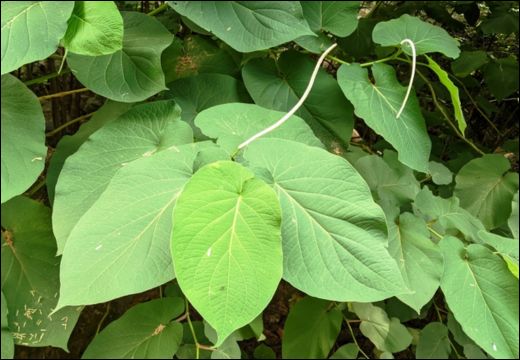
Scientific Classification Of Renuka (Piper aurantiacum)
- Kingdom: Plantae
- Subkingdom: Tracheobionta (Vascular plants)
- Superdivision: Spermatophyta (Seed-bearing plants)
- Division: Magnoliophyta (Flowering plants)
- Class: Magnoliopsida (Dicotyledons)
- Subclass: Magnoliidae
- Order: Piperales
- Family: Piperaceae
- Genus: Piper
- Species: aurantiacum
Synonyms Of Renuka (Piper aurantiacum)
- Renuka: Refers to the seeds being small and fine, like grains of dust or pollen.
- Kapila: Describes the tawny or reddish-brown color of the herb.
- Kanta: Means “lovely” or “desirable,” suggesting its value in treatment.
- Nandini: That which brings delight or a pleasing sensation.
- Mahila: Literally “woman”; it indicates the herb’s strong association with treating feminine health issues.
- Dvija: Meaning “twice-born,” a term of respect implying the plant is sacred or pure.
- Rajaputri: “Daughter of a King,” signifying its noble or superior medicinal qualities.
- Hima: Refers to its “Sheet Virya” or naturally cooling potency.
- Renu: Another term for dust, highlighting the fine, powdery nature of its parts.
- Panduputri: “Daughter of Pandu,” a mythological link often used in ancient nomenclature.
- Harenuka: Describes the specific greenish-grey tint of the seeds.
- Suparni: “Having beautiful leaves,” referring to the plant’s aesthetic foliage.
- Shishira: Deeply cold or freezing; emphasizes its ability to reduce internal heat.
- Shanta: “Peaceful,” referring to its ability to calm aggravated doshas (body humors).
- Kaunti: Another mythological reference, connecting the plant to Kunti.
- Vrtta: Means “round,” describing the physical shape of the seeds.
- Dharmini: “Virtuous,” implying the plant stays true to its medicinal “dharma” or healing purpose.
- Kapiloma: Describes the plant as having tawny-colored fine hairs or fibers.
- Haimavati: Suggests the plant originates from or grows in the snowy Himalayan regions.
- Pandupatni: “Wife of Pandu,” completing the mythological naming conventions used in the Nighantu.
Vernacular Names Of Renuka (Piper aurantiacum)
- Sanskrit: Renuka, Renukabeeja
- Hindi: Renuka, (sometimes identified with wild pepper seeds in regional usage)
- English: Wild Pepper, Renuka Seed
- Marathi: Renuka
- Gujarati: Renuka
- Bengali: Renuka
- Tamil: Renukam (regional identification varies)
- Telugu: Renuka
- Kannada: Renuka Beeja
- Malayalam: Renuka
Habitat Of Renuka (Piper Aurantiacum)
- Natural Habitat: Renuka (Piper aurantiacum) is primarily found growing in natural forest ecosystems. It prefers shaded and humid surroundings and is commonly seen thriving beneath dense forest canopies. The plant is adapted to moist environments and typically grows in protected areas where direct sunlight exposure is limited.
- Geographical Distribution: This species is native to the Himalayan region and extends across parts of South and Southeast Asia. It has been reported from areas including Nepal, northeastern India, Bangladesh, Myanmar, southern regions of China, and neighboring Southeast Asian countries. Its distribution pattern reflects its adaptation to humid forest belts.
- Climatic Preference: Renuka grows well in tropical to subtropical climates characterized by moderate to high rainfall and consistent humidity. It is commonly associated with evergreen and semi-evergreen forest zones where moisture levels remain relatively stable throughout the year.
- Growing Conditions: The plant commonly occurs in forest undergrowth, especially in shaded locations with rich organic matter. It may also grow near tree bases, on moist rocky surfaces, or in areas where natural leaf litter supports soil fertility. Well-drained yet moisture-retentive soil conditions favor its growth.
- Altitudinal Range: In the Himalayan region, Renuka is generally found at moderate elevations. It is commonly recorded from mid-hill forest areas, indicating its adaptability to cooler and moist mountainous environments.
Morphology Of Renuka (Piper Aurantiacum)
- Habit: Renuka (Piper aurantiacum) is a perennial climbing vine belonging to the Piperaceae family. It grows by twining around trees and other supports, commonly occurring in forested environments where it forms part of the understorey vegetation.
- Stem: The stem is slender and distinctly jointed, with visible nodes and internodes. It may appear slightly ridged and can develop a darker coloration upon drying. As a climbing species, it may produce supportive growth from the nodes when in contact with suitable surfaces.
- Leaves: Leaves are simple and arranged alternately along the stem. They are generally ovate to elliptic or lance-shaped, with a pointed (acuminate) tip. The leaf surface is typically smooth on the upper side, while the underside may show slight hairiness. Prominent veins radiate from the base, usually numbering five to seven, which is characteristic of many Piper species.
- Inflorescence: The plant produces spike-like inflorescences that arise opposite the leaves. These elongated spikes are characteristic of the genus Piper. Male and female flowers occur on separate spikes in dioecious forms.
- Flowers: Flowers are minute, greenish, and densely arranged along the spike. They lack showy petals and are structurally simple, which is typical for members of the Piperaceae family.
- Fruits: The fruits are small, rounded drupes that develop along the spike after flowering. Each drupe is compact and may have a slightly uneven or textured surface when mature.
- Seeds: Each fruit contains a single small seed embedded within the fleshy drupe. These seeds contain the bioactive pungent constituents typical of Piper species.
Classical Categorisation Of Renuka (Piper Aurantiacum)
- Bhavprakash Nighantu: Karpooradi Varga
- Raj Nighantu: Pippalyadi Varga
- Dhanwanthari Nighantu: Chandanadi Varga
Ancient Verses For Renuka (Piper Aurantiacum)
1. Verse No. 1
रेणुका कपिला कान्ता नन्दिनी महिला द्विजा ।
राजपुत्री हिमा रेणुः पाण्डुपुत्री हरेणुका ।।
सुपर्णी शिशिरा शान्ता कौन्ती वृत्ता च धर्मिणी ।
कपिलोमा हैमवती पाण्डुपत्नी च विंशतिः ।।
रेणुका तु कटुः शीता खर्जूकण्डूतिहारिणी ।
तृष्णादाहविषघ्नी च मुखवैमल्यकारिणी ।।
Raj Nighantu Pippalyadi Varga Verse No. 111-113
Verse Interpretation
- Synonyms: Renuka, Kapila, Kanta, Nandini, Mahila, Dvija, Rajaputri, Hima, Renu, Panduputri, Harenuka, Suparni, Shishira, Shanta, Kaunti, Vrtta, Dharmini, Kapiloma, Haimavati, Pandupatni
- Properties: Characterized by pungent taste and cooling potency. Highly regarded for skin conditions and internal issues such as excessive thirst, burning sensations, and the harmful effects of poisons, while also refreshing and cleansing the mouth.
2. Verse No. 2
रेणुका राजपुत्री च नन्दिनी कपिला द्विजा ।
कपिलोला पाण्डुपुत्री स्मृता कौन्ती हरेणुका ।।
Dhanwanthari Nighantu Chandanadi Varga Verse No. 49
Verse Interpretation
- Rajaputri: Daughter of a King, implying noble qualities
- Nandini: Delighting or pleasing
- Kapila: Tawny or reddish brown color
- Dvija: Twice born, indicating purity or sacredness
- Kapilola: Having tawny colored hairs or fibers
- Panduputri: Daughter of Pandu, a mythological association
- Kaunti: Related to Kunti, a mythological connection
- Harenuka: Greenish or greyish tint of the seeds
3. Verse No. 3
रेणुका शिशिराऽत्यन्ता तृष्णां कण्डूं च नाशयेत् ।
विषघ्नी दाहदौर्बल्यमुन्मूलयति योजिता ।।
Dhanwanthari Nighantu Chandanadi Varga Verse No. 50
Verse Interpretation
Renuka herb is characterised by its pungent taste and excessively cold potency. It is traditionally used to prevent itching and treat pruritus. Therapeutically, it is effective in curing thirst, alleviating burning sensations, and neutralizing the effects of poisoning. Furthermore, it is beneficial during convalescence, helps eliminate weakness, and acts as a natural agent to refresh the mouth.
4. Verse No. 4
रेणुकाराजपुत्री च नन्दिनी कपिला द्विजा ।
भस्मगन्धा पाण्डुपुत्री स्मृता कौन्ती हरेणुका ॥
रेणुका कटुका पाके तिक्ताऽनुष्णा कटुर्लघु: ।
पित्तला दीपनी मेध्या पाचनी गर्भपातिनी ।
बलासवातकृच्छ्रचैव’ तद्कण्डूविषदाहनुत् ॥
Bhavprakash Nighantu Karpooradi Varga Verse no. 105-106
Verse Interpretation
Synonyms
- Renuka: Dust-like or granular; refers to the small, seed-like appearance of the fruit.
- Rajaputri: Daughter of a King; indicates that the herb is of noble or superior quality.
- Nandini: The Delighter; one that brings health and satisfaction to the body.
- Kapila: Tawny or brownish-grey; describes the specific earthy color of the seeds.
- Dwija: Twice-born; a term used to signify the purity or the special botanical nature of the plant.
- Bhasmagandha: Having the smell of ash; refers to the distinct, smoky, or ash-like aroma of the herb.
- Panduputri: Daughter of Pandu; a traditional name derived from ancient Indian mythology to identify the herb.
- Kaunti: Relating to Kunti; another mythological synonym used as a standard identifier in Ayurvedic texts.
- Harenuka: Small-grained; describes its physical form which resembles small peas or berries.
Therapeutic Properties
- Katu Vipaka: It stays pungent even after digestion.
- Anushna: It is thermally neutral (not excessively hot), which is rare for pungent herbs.
- Medhya: It is a brain tonic that enhances memory and intellect.
- Garbhapatini: It is known to stimulate the uterus (emmenagogue), which is why it must be avoided during pregnancy.
- Kandu-Visha-Dahanut: It destroys itching, toxins, and burning sensations.
Special Note On Renuka (Piper Aurantiacum)
- Renuka may be considered as an unidentified plant of highly controversial opinions.
- Its name as Vitex agnus castus is given according to the decision of the Pharmacopoeia Committee of Govt of India.
- Certain points regarding its appropriate identification proposed by Bapalal (committee member) are noteworthy:
- The Renuka should be:
- Cold
- Should reduce heat
- Pungent in taste
- It removes foul smell from the mouth
- According to Dalhana, it should act as cleanser of mouth
- Cures vitiated pitta and seeds resembling Piper nigrum
- On these parameters, Sheetalchini and Kababchini (Piper cubeba) are recommended as substitutes, fulfilling almost all properties of Renuka.
Ayurvedic Properties Of Renuka (Piper Aurantiacum)
- Rasa (Taste): Katu (Pungent), Tikta (Bitter)
- Guna (Qualities): Laghu (Light), Tikshna (Sharp)
- Veerya (Potency): Anushna (not excessively hot) as per Bhavprakash Nighantu, Sheeta (Cold) as per Dhanwanthari Nighantu and Raj Nighantu
- Vipaka (Post-digestive Effect): Katu (Pungent after digestion)
Action On Tridosha Of Renuka (Piper Aurantiacum)
Renuka (Piper aurantiacum) is primarily Kapha-Vata Shamak.
Therapeutic Indications Of Renuka (Piper Aurantiacum)
- Trishna: Excessive thirst
- Daha: Burning sensations
- Kandu: Itching or pruritus
- Visha: Poisoning or toxic conditions
- Mukha Vaimalya: Foul smell or mouth impurities
- Pitta Roga: Pitta disorders
- Kushtha: Skin diseases
- Jvara: Fever
- Shotha: Inflammation or swelling
- Jalodar: Ascites or abdominal fluid
- Plihavriddhi: Enlargement of the spleen
- Yakrut Roga: Liver disorders
- Hikka: Hiccups
- Bhagandara: Fistula
- Garbhapatini: Abortion induction
- Daurbalya: Weakness or convalescence
- Medha: Intellect enhancement
Systemic Actions Of Renuka (Piper Aurantiacum)
- Digestive System: Renuka acts as a potent Mukhashodhana (mouth cleanser) and Trishnahara (thirst reliever), effectively cleansing the mouth of foul odors and pacifying excessive thirst. It possesses Deepana (carminative) and Pachana (digestive) properties that stimulate the digestive fire and promote toxin metabolism, while its Anulomika (supports downward movement of Apana Vayu) action ensures the regular movement of gases. Furthermore, it functions as a Yakrut-Pliha Uttejhaka (liver and spleen stimulant), specifically targeting these organs to treat enlargement and sluggishness.
- Skin: This herb is primarily recognized for its Kandughna (anti-itching) and Dahaprashamana (burning sensation reliever) effects, which provide relief from persistent itching, rashes, and localized heat. Its Kushthaghna (Manage skin diseases) properties make it effective in managing chronic skin conditions by purifying the tissues. Due to its cooling nature, it acts as a topical and systemic refrigerant to balance inflammatory skin conditions.
- Urinary and Blood Systems: Renuka exhibits strong Shothahara (anti-inflammatory/anti-swelling) and Mutrajanana (diuretic) actions, functioning to reduce body swelling and increase urine output. It is specifically indicated for Jalodara (ascites management), helping the body eliminate excess fluid accumulation in the abdomen. By promoting urine flow, it aids in the detoxification of the blood and reduces the overall burden of fluid retention.
- Nervous System: As a Medhya (intellect-promoting) agent, Renuka serves as a brain tonic that enhances intellectual capacity and mental clarity. It also provides a Pittashamaka (Pitta-calming) effect, which calms the nerves and relieves irritability or stress caused by excessive internal heat. Its soothing properties help in stabilizing neurological functions and aiding the body during recovery from long-term illness.
- Reproductive System: In the reproductive context, Renuka is historically classified as Garbhapatini (abortifacient), meaning it possesses potent properties that can induce uterine contractions and facilitate menstrual flow. Due to this intense action on the uterus, it was traditionally used to clear the uterine cavity and is strictly contraindicated (must be avoided) during pregnancy.
- General Body: Renuka displays broad Vishaghna (anti-toxic) and Jvaraghna (anti-fever) activities, making it useful for neutralizing various toxins and reducing high fevers. It also has Stambhana qualities that help stop excessive secretions or discharges from the body. These actions collectively support recovery from Daurbalya (general weakness), helping the body regain its natural strength and energy levels.
Chemical Constituents Of Renuka (Piper Aurantiacum)
- Piperine: Enhances digestive secretions and improves absorption of nutrients and other herbal compounds by increasing bioavailability; also exhibits anti-inflammatory and antioxidant properties.
- Piperlonguminine: Demonstrates anti-inflammatory and antimicrobial effects, modulating inflammatory pathways and inhibiting microbial growth.
- Pellitorine: An isobutylamide with antibacterial activity; may possess mild analgesic properties, supporting traditional use in infections and discomfort.
- Guineensine: Exhibits anti-inflammatory and analgesic potential; may influence endocannabinoid pathways to modulate pain and reduce inflammation.
- Piperwalliol A: Demonstrated antithrombotic activity in experimental studies; helps reduce platelet aggregation and supports vascular function.
- Piperwalliosides (A–D): Aromatic glycosides with antioxidant and anti-inflammatory properties; contribute to vascular protection and oxidative stress reduction.
- Syringaresinol and Pinoresinol (Lignans): Potent antioxidants that neutralize free radicals, support cardiovascular health, and provide cellular protection.
- Aristolactams (e.g., Piperolactam A): Show antimicrobial activity and cytotoxic properties in experimental models.
- N-trans-Feruloyltyramine: Phenolic amide exhibiting antioxidant and anti-inflammatory effects; contributes to tissue protection and reduces oxidative damage.
Practical Uses / Health Benefits Of Renuka (Piper Aurantiacum)
- Improves digestion and appetite, reduces indigestion, and helps clear Ama (toxins) from the body.
- Relieves gas, bloating, and supports regular bowel movements.
- Clears respiratory congestion and reduces mucus in the lungs.
- Provides relief from itching, rashes, burning sensations, and other skin problems.
- Stimulates the liver and spleen, detoxifies the blood, and reduces swelling in the body.
- Acts as a brain tonic, improving memory, intellect, and calming stress or irritability.
- Regulates uterine function and can act as an abortifacient; should be avoided during pregnancy.
- Has antipyretic (fever-reducing) and anti-toxic properties that support recovery and strengthen the body.
Part(s) Used Of Renuka (Piper Aurantiacum)
- Seeds
- Fruits
- Leaves
Dosage Of Renuka (Piper Aurantiacum)
- Powdered Renuka seeds: 125–250 mg, 1–2 times daily with warm water or honey.
- Decoction (Kwath): 1–2 teaspoons of seed powder boiled in water, taken 1–2 times daily before meals.
- Dosage is generally kept low to moderate because the seeds are pungent and potent.
- Avoid during pregnancy due to its uterine stimulant properties.
Home Remedies With Renuka (Piper Aurantiacum)
- For indigestion and weak appetite: Take a pinch of Renuka seed powder with warm water or honey before meals to stimulate digestion and improve appetite.
- For excessive thirst and mouth odor: Chew a small quantity of Renuka seeds or take 50–100 mg powdered seeds with water to cleanse the mouth and reduce thirst.
- For respiratory congestion: Mix a small pinch of Renuka seed powder in warm water or herbal decoction and drink to help clear mucus and support lung function.
- For skin itching or rashes: Prepare a paste of Renuka seed powder with water or honey and apply topically on affected areas for relief from itching and inflammation.
- For mild liver support or detoxification: Take Renuka seed powder with warm water in small amounts (125–250 mg) to support liver function and reduce mild swelling or fluid retention.
Classical Products With Renuka (Piper Aurantiacum)
- Anu Tail
- Swaraswatarishta
- Mahayograj Guggul
- Balaswagandhadi Thailam
- Bala Tel
- Vasachandanadi Taila
- Mathala Rasayanam
- Tutthadi Lepa Churna
Planet Ayurveda Products With Renuka (Piper Aurantiacum)
Research On Renuka (Piper Aurantiacum)
- Anti-Inflammatory Action: Studies suggest that aurantiamide and related compounds in Renuka can reduce inflammation by modulating immune and inflammatory pathways, supporting its traditional use in conditions involving swelling and irritation.
- Antioxidant and Antimicrobial Action: Research on the Piper genus shows that secondary metabolites, including those in Renuka, have antioxidant and antimicrobial properties. They help neutralize free radicals and inhibit bacterial and fungal growth, which aligns with traditional medicinal applications.
- Digestive and Metabolic Support: Evidence from studies on related Piper species indicates that their compounds stimulate digestion, improve metabolism, and enhance nutrient absorption, validating the traditional use of Renuka for digestive health.
- Neuropharmacological and Reproductive Effects: Experimental studies on related Piper plants show potential effects on neurotransmission and brain function, supporting its use as a tonic for intellect and mental clarity. Some compounds also demonstrate mild uterine-stimulating activity, reflecting its traditional reproductive applications.
Conclusion
Renuka (Piper aurantiacum) is a potent medicinal plant of the Piperaceae family, traditionally valued for its digestive, anti-inflammatory, antimicrobial, and rejuvenating properties. Its bioactive compounds, such as aurantiamide and aurantiamide acetate, support its classical applications in Ayurveda, including improving digestion, stimulating metabolism, reducing inflammation, and enhancing intellect. Research on related Piper species corroborates its efficacy in promoting digestive health, antioxidant protection, antimicrobial action, and neuropharmacological benefits. Renuka’s seeds, fruits, and leaves are primarily used in powdered or decoction form, with careful dosage to avoid uterine stimulation during pregnancy. Overall, both traditional knowledge and modern studies confirm Renuka as a versatile herb that supports systemic health, detoxification, and overall well-being.