


Tambul / Pan / Betel Leaf / Piper Betle – Medicinal Properties, Benefits & Dosage
Abstract
Tambul or Betel leaf (Piper betle) is a widely used medicinal plant in Ayurveda known for its digestive, carminative, and stimulant properties. It contains essential oils, phenols, and flavonoids, which provide antimicrobial, antioxidant, and anti-inflammatory effects. Traditionally, betel leaf is used to improve digestion, enhance appetite, support oral hygiene, promote respiratory health, and aid in wound healing. It is also valued for its detoxifying and mild stimulant action, which helps in maintaining overall health. In Ayurvedic terms, betel leaf is pungent and bitter in taste (Katu, Tikta), warming in potency (Ushna Virya), and balances Kapha and Vata doshas. Its versatility makes it an important herb in daily wellness practices.
Classical Reference Of Tambul (Piper Betle)
Bhavprakash Nighantu Guduchyadi Varga Page no. 260
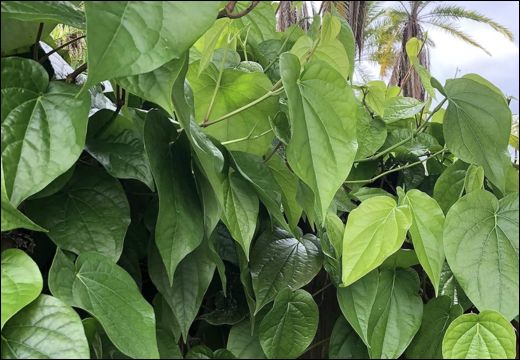
Scientific Classification Of Tambul (Piper Betle)
- Kingdom: Plantae
- Phylum / Division: Angiosperms
- Class: Magnoliopsida
- Order: Piperales
- Family: Piperaceae
- Genus: Piper
- Species: betle
Synonyms Of Tambul (Piper Betle)
- Tambuli: Used for chewing
- Phanilata: Creeper resembling a snake hood
- Saptashira: Having seven distinct veins
- Parnalata: The leaf creeper
- Phanivalli: Serpent like climbing vine
- Bhujagalata: The snake creeper
- Bhakshyapatri: The edible leaf
- Tambulavalli: The betel creeper
- Nagini: The serpent-like vine
- Nagavallari: The snake-like climbing plant
Vernacular Names Of Tambul (Piper Betle)
- Sanskrit: Paan / Nagavalli
- Hindi: Paan
- English: Betel Leaf
- Urdu: Paan
- Tamil: Vellaip Paan
- Telugu: Paanamu
- Kannada: Pana / Nagavalli
- Malayalam: Pellet Ila
- Marathi: Paan
- Bengali: Pata
Habitat Of Tambul (Piper Betle)
Botanical Identity And Growth Nature
Tambul (Piper betle) belongs to the family Piperaceae and is an evergreen, perennial climber. It develops adventitious roots at its nodes, which enable the vine to attach itself to supports such as trees, poles, or trellises. In its natural surroundings, it grows as an understory plant and depends on external support for vertical growth.
Geographical Distribution
Piper betle is considered native to the humid tropical regions of Southeast Asia. Over centuries, it spread widely across South and Southeast Asian countries including India, Sri Lanka, Bangladesh, Myanmar, Malaysia, Thailand, and Indonesia. At present, it is mainly cultivated and is rarely found growing completely wild.
Natural Habitat Conditions
In its natural habitat, betel vine grows beneath forest canopies where filtered sunlight, consistent humidity, and organically rich soil are available. It prefers sheltered environments that protect it from direct intense sunlight and strong winds. The plant thrives in areas with high atmospheric humidity and adequate rainfall. Continuous soil moisture is necessary for proper leaf development; however, stagnant water conditions can damage the roots.
Climatic Requirements
Betel vine grows best in warm tropical climates with minimal temperature fluctuations. Stable and moderate warmth promotes optimal vegetative growth. The plant is sensitive to extreme cold, frost, and prolonged dry heat, which can negatively affect leaf quality and yield. Being shade-loving in nature, Piper betle performs well under partial shade, while exposure to harsh sunlight may cause leaf scorching.
Soil Requirements
The plant prefers deep, fertile, and well-drained soils rich in organic matter. Loamy or clay-loam soils are generally considered ideal for cultivation. Proper drainage and aeration are essential to maintain healthy root systems. Slightly acidic to neutral soil reaction supports effective nutrient uptake. Highly saline, compact, or waterlogged soils are unsuitable for its growth.
Altitude And Topography
Betel vine is predominantly cultivated in lowland tropical regions. It adapts well to plains and gently sloping lands where moisture retention is balanced with good drainage. The plant does not perform well in high-altitude cold areas.
Cultivated Habitat And Growing Systems
Due to its sensitivity to environmental stress, cultivation practices often involve creating controlled shade conditions using thatched structures, shade nets, or bamboo frameworks to maintain humidity and reduce direct sunlight exposure. In many regions, betel vine is intercropped with arecanut or coconut plantations, which provide natural shade and structural support, closely resembling its forest habitat. Commercial propagation is primarily carried out through vegetative methods such as stem cuttings, as seed formation is limited under cultivated conditions.
Ecological Adaptations
Piper betle is adapted to humid microclimates and shaded ecological niches. Its climbing habit allows efficient utilization of vertical space, while its broad leaves are suited to capturing diffused light. However, the plant remains sensitive to drought, frost, and excessive waterlogging, which restrict its cultivation to specific tropical zones.
Morphology Of Tambul (Piper Betle)
Habit And General Appearance
Tambul is a perennial, evergreen climbing vine. It exhibits a creeping and trailing growth habit and requires external support such as trees, poles, or artificial structures for vertical growth. The plant can extend several meters in length under favorable environmental conditions. It is dioecious in nature, meaning male and female flowers occur on separate plants.
Root System
The primary root system is relatively weak. However, the plant develops numerous adventitious roots from the stem nodes. These roots serve important functions in anchorage and absorption of moisture and nutrients. Vegetative propagation through stem cuttings is common, largely due to limited viable seed production.
Stem Morphology
The stem is cylindrical, smooth, and somewhat thickened at the nodes. It is semi-woody in mature stages but remains green and tender in younger parts. Internodes are distinct, and each node is capable of producing leaves and adventitious roots. The surface of the stem is generally glabrous, and branching may occur irregularly depending on cultivation practices.
Leaf Morphology
Leaves are simple, alternate, and ex-stipulate. They are attached to the stem through well-developed petioles that vary in length depending on the cultivar and growing conditions. The leaf blade is typically ovate to broadly cordate (heart-shaped). The base is cordate or slightly oblique, while the apex gradually tapers into a pointed tip (acuminate). Leaves are smooth, glossy, and somewhat leathery in texture. Both surfaces are glabrous. The upper surface appears dark green and shiny, whereas the lower surface is comparatively lighter. Venation is reticulate, usually showing 5–9 prominent primary veins arising from the base. Secretory cells within the leaf tissue produce essential oils responsible for the characteristic aroma and pungent taste.
Inflorescence
The inflorescence is a cylindrical spike that arises from the axillary region of the leaf. It is fleshy and compact in appearance. Because the plant is dioecious, male and female spikes are borne on separate plants and show slight structural differences. Male spikes are generally longer and slender, while female spikes are shorter and comparatively thicker.
Flower Structure
The flowers are minute, sessile, and unisexual, densely arranged along the central axis of the spike. Each flower is subtended by a bract and lacks a distinct perianth. Male flowers possess stamens that produce pollen, whereas female flowers contain a superior ovary with stigmatic surfaces for pollen reception. The reduced nature of the floral parts makes them inconspicuous.
Fruit And Seed
The fruit is small and berry-like, embedded along the fleshy spike. Fruiting is uncommon in cultivated varieties. When fruits develop, they contain small seeds with generally low germination capacity. Therefore, sexual reproduction contributes little to cultivation practices.
Classical Categorisation Of Tambul (Piper Betle)
- Bhavprakash Nighantu: Guduchyadi Varga
- Raj Nighantu: Amradi Varga
Ancient Verses For Tambul (Piper Betle)
Verse No. 1
ताम्बूलवल्ली ताम्बूली नागिनी नागवल्लरी ।
ताम्बूलं विशदं रुच्यं तीक्ष्णोष्णं तुवरं सरम् ॥
वश्यं तिक्तं कटु क्षारं रक्तपित्तकरं लघु ।
बल्यं श्लेष्मास्यदौर्गन्ध्यमलवातश्रमापहम् ॥
Reference: Bhavprakash Nighantu Guduchyadi Varga Verse No. 11-12
Verse Interpretation
Synonyms Of Tambul
- Tambulavalli: The betel creeper
- Tambuli: The plant used for betel chewing
- Nagini: The serpent-like vine
- Nagavallari: The snake-like climbing plant
Qualities And Benefits Of Tambul
- Vishadam: Cleanses the mouth
- Rucyam: Improves taste and appetite
- Tikshnosnam: Sharp and hot in potency
- Tuvaram: Astringent in taste
- Saram: Promotes bowel movement
- Vasyam: Acts as an aphrodisiac or brings charm
- Tiktam: Bitter in taste
- Katu: Pungent in taste
- Ksaram: Alkaline in nature
- Raktapittakaram: May increase bleeding disorders if overused due to heat
- Laghu: Light to digest
- Balyam: Provides strength
- Slesmapaham: Destroys excess phlegm or mucus
- Asyadaurgandhyapaham: Removes bad breath
- Malapaham: Cleanses waste from the body
- Vatapaham: Balances the vata dosha
- Sramapaham: Relieves tiredness and exhaustion
Verse No. 2
नागवल्ली ताम्बूली फणिलता च सप्तशिरा ।
पर्णलता फणिवल्ली भुजगलता भक्ष्यपत्री च ।।
नागवल्ली कटुस्तीक्ष्णा तिक्ता पीनसवातजित् ।
कफकासहरा रुच्या दाहकृद्दीपनो परा ।।
Reference: Raj Nighantu Amradi Varga Verse No. 246-247
Verse Interpretation
Synonyms Of Tambul
- Tambuli: Used for chewing
- Phanilata: Creeper resembling a snake hood
- Saptashira: Having seven distinct veins
- Parnalata: The leaf creeper
- Phanivalli: Serpent like climbing vine
- Bhujagalata: The snake creeper
- Bhakshyapatri: The edible leaf
Medicinal Properties Of Tambul
- Katu Tikta: It has pungent and bitter tastes
- Tikshna: It is sharp and penetrating in its action
- Pinasajit: It cures chronic cold and sinus congestion
- Vatajit: It balances the Vata dosha in the body
- Kaphahara: It removes excess mucus and phlegm
- Kasahara: It acts as a remedy for cough
- Ruchya: It improves the sense of taste and appetite
- Dahakrit: It creates a heating or burning sensation
- Dipani Para: It is an excellent stimulant for digestion
Verse No. 3
सा श्रीवाट्यम्लादिवाटादिनानाग्रामस्तोमस्थानभेदाद् द्विभिन्ना ।
एकाऽप्येषा देशमृत्स्नाविशेषान्नानाकारं याति काये गुणे च ।।
Reference: Raj Nighantu Amradi Varga Verse No. 248
Verse Interpretation
This verse explains how the environment and geography shape the characteristics of plants. It states that even though a plant might belong to a single species, it becomes diverse based on the different villages, gardens, or specific locations where it grows. Essentially, the text highlights that variations in soil quality and regional climate cause a single type of plant to take on different physical forms (appearance) and develop different medicinal or biological properties (qualities). It is an ancient observation of how habitat influences the nature of living things.
Verse No. 4
श्रीवाटी मधुरा तीक्ष्णा वातपित्तकफापहा ।
रसाढ्या सुरसा रुच्या विपाके शिशिरा स्मृता ॥
Reference: Raj Nighantu Amradi Varga Verse No. 249
Verse Interpretation
- Taste And Potency: It is sweet in taste and sharp/potent in its action.
- Dosha Balance: It helps control and balance all three body energies (Vata, Pitta, and Kapha).
- Digestive Benefits: It is full of flavorful juice and acts as an effective appetizer to stimulate hunger.
- After-Effect: Once digested, it has a cooling effect on the body.
Verse No. 5
स्यादम्लवाटी कटुकाम्लतिक्ता तीक्ष्णा तथोष्णा मुखपाककर्त्री।
विदाहपित्तास्त्रविकोषणी च विष्टम्भदा वातनिबर्हणी च॥
Reference: Raj Nighantu Amradi Varga Verse No. 250
Verse Interpretation
The Amlavaati variety is sour, pungent, bitter, hot and sharp. It causes mouth inflammation and vitiates blood (rakta) and pitta dosha, leading to burning sensations. It also slows down bowel movements, resulting in constipation, but it helps remove excess vata.
Verse No. 6
सतसा मधुरा तीक्ष्णा कटुरुष्णा च पाचनी ।
गुल्मोदराध्मानहरा रुचिकृद्दीपिनी परा ॥
Reference: Raj Nighantu Amradi Varga Verse No. 251
Verse Interpretation
Satasa, also known as Satasi, is a specific variety of Naga valli that is described as sweet, sharp, pungent, and hot. It is highly effective at stimulating the digestive process and acting as an appetizer. Beyond its general digestive benefits, it is traditionally used to treat false abdominal lumps caused by excess gas or wind.
Verse No. 7
गुहाग्रे सप्तशिरा प्रसिद्धा सापर्णजूर्णाऽतिरसाऽतिरुच्या ।
सुगन्धि तीक्ष्णा मधुराऽतिहृद्या सन्दीपनी पुंस्त्वकराऽतिबल्या ॥
Reference: Raj Nighantu Amradi Varga Verse No. 252
Verse Interpretation
The Saptasira variety of Nagavalli cultivated in Guhagara is known for its abundant, juicy leaves and superior appetizing qualities. It possesses a pleasant aroma along with a distinctive sharp and mildly sweet taste. This variety is valued for its cardiotonic properties and its ability to stimulate digestion. Additionally, it is traditionally considered beneficial for enhancing libido, sexual vigor, and overall strength.
Verse No. 8
नाम्नाऽन्याऽम्लसिरा सुतीक्ष्णमधुरा रुच्या हिमा दाहनुत् पित्तोद्रेकहरा सुदीपनकरी बल्या मुखामोदिनी ।
स्त्रीसौभाग्यविवर्द्धिनी मदकरी राज्ञां सदा वल्लभा गुल्माध्मानविबन्धजिच्च कथिता सा मालवे तु स्थिता ॥
Reference: Raj Nighantu Amradi Varga Verse No. 253
Verse Interpretation
Another well-known variety of Nagavalli, called Amlasira, is described as having a sharp yet sweet taste. It acts as an appetiser, has cooling properties, and helps relieve burning sensations. It is beneficial in controlling bilious eructations and supports healthy digestion. This variety is considered strengthening and works as a natural mouth freshener. Traditionally, it is also regarded as mildly intoxicating and auspicious for women. Additionally, it is said to alleviate gulma (abdominal lumps), flatulence, and constipation.
Verse No. 9
अन्ध्रे पटुलिका नाम कषायोष्णा कटुस्तथा ।
मलापकर्षा कण्ठस्य पित्तकृद्वातनाशनी ॥
Reference: Raj Nighantu Amradi Varga Verse No. 254
Verse Interpretation
The Patulika Pan variety possesses an astringent and pungent taste along with hot potency. It helps cleanse and remove impure secretions from the throat. This variety is known to pacify Vata while increasing Pitta.
Verse No. 10
ह्रेसणीया कटुस्तीक्ष्णा हृद्या दीर्घदला च सा ।
कफवातहरा रुच्या कटुद्दीपनपाचनी ॥
Reference: Raj Nighantu Amradi Varga Verse No. 255
Verse Interpretation
This variety of betel is pungent and sharp in nature and is regarded as a cardiotonic. It bears large leaves and is known to pacify Kapha and Vata while enhancing the sense of taste. Dominated by Katu (pungent) rasa, it supports digestion, stimulates digestive fire (Agni), and effectively increases appetite.
Ayurvedic Properties Of Tambul (Piper Betle)
- Rasa (Taste): Tikta (Bitter) and Katu (Pungent)
- Guna (Qualities): Kshara (Alkaline), Laghu (Light to digest), and Saram (Flowing nature)
- Virya (Potency): Ushna (Hot)
- Vipaka (Post-digestive effect): Katu (Pungent)
Action On Tridosha Of Tambul (Piper Betle)
Paan acts as a Pittaprakopaka, which means it increases the Pitta dosha. Simultaneously, it works to balance both the Kapha and Vata doshas within the body.
Therapeutic Indications Of Tambul (Piper Betle)
- Sleshma (Kapha disorders / Excess mucus conditions)
- Asya Daurgandhya (Halitosis / Bad breath)
- Mala (Constipation / Improper bowel movement)
- Vata Vikara (Vata disorders)
- Shrama (Fatigue / Exhaustion)
- Pinas (Sinusitis / Chronic rhinitis)
- Kasa (Cough)
- Aruchi (Loss of Appetite)
- Agni Mandhya (Slow digestive fire)
- Krimi Vikara (Worm Infestations)
- Sexual Weakness
Systemic Actions Of Tambul (Piper Betle)
- Gastrointestinal System: Even though it is hot in nature, in small amounts it helps improve digestion, reduces gas and bloating, and protects the stomach lining. Research shows it can increase protective mucus in the stomach and reduce ulcer damage.
- Respiratory System: It helps loosen and remove mucus from the lungs. Its natural germ-killing properties may help in cough, cold, and mild chest infections.
- Cardiovascular System: It contains antioxidants that help protect the heart and blood vessels. Some studies suggest it may help reduce bad cholesterol levels.
- Nervous System: It acts as a mild stimulant and may help relieve certain types of pain. Its antioxidant action may protect brain cells.
- Immune System: It helps reduce inflammation and supports the body’s natural defense mechanism.
- Integumentary System: It has antibacterial and antifungal properties and supports wound healing.
- Oral Cavity: It helps maintain oral hygiene, reduces bad breath, and supports gum health.
Chemical Composition Of Tambul (Piper Betle)
- Hydroxychavicol: Powerful antioxidant; antibacterial; antifungal; anti-inflammatory; chemopreventive potential.
- Eugenol: Anti-inflammatory; analgesic (pain-relieving); antiseptic; dental protective action.
- Chavibetol (Chavicol): Antimicrobial; antioxidant; supports gastric mucosal protection.
- Methyl Eugenol: Antimicrobial; anti-inflammatory (present in essential oil fraction).
- Allylpyrocatechol: Strong antibacterial; anti-plaque; anti-gingivitis activity.
- β-Caryophyllene: Anti-inflammatory; gastroprotective; supports respiratory health.
- α-Pinene: Bronchodilator; antimicrobial; anti-inflammatory.
- 1,8-Cineole: Expectorant; anti-inflammatory; antimicrobial.
- β-Sitosterol: Anti-inflammatory; cholesterol-lowering potential.
- Flavonoids (polyphenols): Antioxidant; cardioprotective; anti-diabetic support.
Practical Uses / Health Benefits Of Tambul (Piper Betle)
- Enhances Appetite & Digestion: Encourages better digestion and helps relieve heaviness after meals
- Reduces Gas & Abdominal Discomfort: Helps in managing bloating and flatulence
- Soothes Respiratory Tract: Useful in clearing phlegm and easing mild cough
- Maintains Oral Cleanliness: Controls oral bacteria, supports healthy gums, and minimizes bad breath
- Supports Metabolic Balance: May assist in maintaining healthy blood sugar and lipid levels
- Promotes Healthy Skin: External application can help in minor skin infections and itching
- Aids Natural Healing: Helps in faster recovery of small cuts and wounds due to antimicrobial action
- Provides Mild Energy Boost: Acts as a natural refresher and mild stimulant
- Helps Reduce Inflammation: May support relief in mild inflammatory conditions
Part(S) Used Of Tambul (Piper Betle)
- Leaves
- Essential Oil from Leaves
Dosage Of Tambul (Piper Betle)
- Fresh Leaves: 1–2 fresh leaves per day
- Leaf Juice (Swarasa): 5–10 ml once or twice daily
- Leaf Paste (External Use): Applied locally as needed for wounds or skin conditions
- Leaf Decoction: 20–30 ml once or twice daily
Home Remedies With Tambul (Piper Betle)
- For Indigestion & Bloating: Chewing one fresh betel leaf after meals helps improve digestion, reduces heaviness, gas, and loss of appetite, and keeps the mouth fresh.
- For Asthma & Cough: Warm a betel leaf, apply a small amount of castor oil, and place it on the chest (especially in children). This may help ease cough and breathing difficulty. Leaf juice is also traditionally used in mild asthma.
- For Sore Throat & Voice Hoarseness: Boil a few leaves in water and use the warm liquid for gargling. This may soothe throat irritation and laryngeal inflammation. Steam inhalation from the decoction can also provide relief.
- For Throat Infections: Fresh leaf juice diluted in warm water can be used for gargling to help reduce throat infections. A few drops of leaf oil in warm water may also be used similarly.
- For Joint Pain & Swelling: Slightly warm the leaves and tie them over painful or swollen joints. This may help reduce inflammation and stiffness.
- To Help Reduce Breast Milk: Warm betel leaves are sometimes placed over the breasts to help gradually reduce milk secretion.
- For Constipation: Cold infusion of betel leaves taken on an empty stomach may help promote bowel movement.
Classical Products With Tambul (Piper Betle)
- Laghu Sutshekhar Ras
- Brihat Vishama Jwarantak Lauh
- Nagavallabha Rasa
- Nardiya Laxmi Vilas Ras
- Swas Kas Chintamani Ras
- Brihat Sarva Jwarahar Lauh
- Chardihara Vati
- Pushpadhanwa Ras
- Makaradhwaj Rasayan
- Astapatra Tailam
Research On Tambul (Piper Betle)
Scientific studies have explored the pharmacological properties of betel leaf and identified several biologically active compounds such as hydroxychavicol, eugenol, and various flavonoids. These constituents are responsible for many of its observed therapeutic effects.
- Antimicrobial Activity: Laboratory studies show that extracts of betel leaf can inhibit the growth of several bacteria and fungi, including organisms commonly involved in oral and skin infections. This supports its traditional use in maintaining oral hygiene and preventing infections.
- Antioxidant Potential: Betel leaf contains high levels of phenolic compounds that help neutralize free radicals. This antioxidant action may reduce oxidative stress, which plays a role in aging and many chronic diseases.
- Anti-Inflammatory and Analgesic Effects: Experimental studies in animal models demonstrate that betel leaf extracts can reduce inflammation and relieve pain. These findings align with its use in joint swelling and inflammatory conditions.
- Gastroprotective Action: Research indicates that betel leaf may help protect the stomach lining by enhancing mucus production and reducing ulcer formation in experimental settings.
- Wound Healing Properties: Topical application of betel leaf extracts has shown faster wound contraction and improved healing in research models, likely due to its antimicrobial and antioxidant effects.
- Metabolic and Cardiovascular Effects: Some animal studies suggest that betel leaf may help lower blood sugar levels and improve lipid profiles, indicating possible benefits in metabolic disorders.
- Neuroprotective and Mood-Related Effects: Preliminary studies suggest certain compounds in betel leaf may have protective effects on nerve cells and may influence mood regulation, although more human research is needed.
- Anti-Cancer Potential: In vitro research has shown that specific phytochemicals from betel leaf may exhibit anti-mutagenic and anti-proliferative effects. However, these findings are early-stage and require further clinical validation.
Conclusion
Piper betle (Tambul) holds an important place in Ayurveda as both a daily wellness herb and a therapeutic agent. Classical texts describe it as Deepana, Ruchya, and Kaphahara, highlighting its role in improving digestion, clearing excess mucus, and maintaining oral hygiene. Modern research supports many of these traditional claims, especially its antimicrobial, antioxidant, anti-inflammatory, and gastroprotective properties. Its rich phytochemical profile, including hydroxychavicol and eugenol, contributes to its wide range of biological activities. Although beneficial in controlled amounts, its Ushna (hot) potency requires mindful use. Overall, Tambul represents a unique example of how traditional wisdom and contemporary scientific research complement each other in understanding medicinal plants.
Tambul Ayurveda, Piper betle benefits, Betel leaf Ayurvedic properties, Tambul tridosha action, Betel leaf health benefits, Ayurvedic digestion herbs, Natural appetite stimulant Ayurveda, Betel leaf for cough and cold, Herbal oral care Ayurveda, Tambul for Kapha disorders, Betel leaf for bad breath, Ayurvedic remedies for Agnimandya, Piper betle chemical composition, Hydroxychavicol benefits, Eugenol natural source, Ayurvedic respiratory support herbs, Natural antimicrobial Ayurvedic plants, Betel leaf for bloating and gas, Traditional uses of Tambul, Ayurvedic metabolism boosters, Herbal immune support Ayurveda, Betel leaf antioxidant properties, Natural wound healing herbs, Tambul for sinusitis relief, Ayurvedic herbs for fatigue, Piper betle pharmacological actions, Herbal care for oral hygiene, Ayurvedic plant for Kapha balance, Betel leaf medicinal uses, Tambul therapeutic indications, Natural digestive fire enhancer, Ayurvedic carminative herbs, Betel leaf for constipation relief, Herbal support for respiratory health, Tambul ethnomedicinal uses, Ayurvedic antibacterial herbs, Betel leaf bioactive compounds, Traditional Ayurvedic stimulants, Natural anti-inflammatory leaves, Piper betle research overview