


Naashpati (Pyrus communis) – Medicinal Properties, Benefits & Dosage
Abstract
Naashpati (Pyrus communis), commonly known as Pear, is a wholesome and cooling fruit valued in Ayurveda for its nourishing, soothing, and digestive-supportive properties. Naashpati helps relieve excessive thirst, burning sensations, constipation, and dryness of tissues, while supporting proper digestion and hydration. Traditionally, it is used in disorders related to heat, urinary discomfort, fatigue, and mild inflammatory conditions. Rich in dietary fiber, natural sugars, vitamins, and antioxidant phytochemicals, Naashpati exhibits mild laxative, detoxifying, and antioxidant actions. Contemporary research also supports its role in improving digestive health, metabolic balance, and cardiovascular well-being. This abstract highlights the Ayurvedic significance, therapeutic potential, and health relevance of Naashpati as both a nutritive fruit and a supportive dietary remedy in classical and modern Ayurvedic practice.
Classical Reference Of Naashpati (Pyrus communis)
Bhavprakash Nighantu Amradiphalvarga Page No. 578
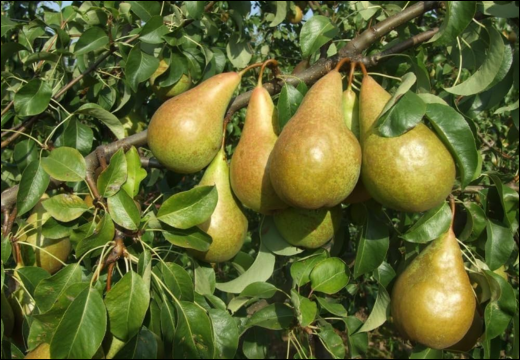
Scientific Classification Of Naashpati (Pyrus communis)
- Kingdom: Plantae
- Subkingdom: Tracheobionta (Vascular plants)
- Superdivision: Spermatophyta (Seed plants)
- Division: Magnoliophyta (Angiosperms)
- Class: Magnoliopsida (Dicotyledons)
- Order: Rosales
- Family: Rosaceae
- Genus: Pyrus
- Species: communis
Vernacular Names Of Naashpati (Pyrus communis)
- Sanskrit: Naashpati, Naashpati
- Hindi: Naashpati
- English: Pear
- Urdu: Nashpati
- Punjabi: Naashpati
- Bengali: Nashpati
- Gujarati: Naashpati
- Marathi: Naashpati
- Tamil: Naashpati
- Telugu: Naashpati
- Kannada: Naashpati
- Malayalam: Naashpatti
- Arabic: Kumathra
- Persian: Golabi
Habitat Of Naashpati (Pyrus communis)
- Natural Distribution: Naashpati (Pyrus communis), commonly known as pear, is native to temperate regions of Europe and Western Asia.
- Climatic Requirement: It grows best in a cool temperate climate with cold winters (required for dormancy) and mild summers.
- Altitude: Commonly cultivated at 1,000–2,500 meters above sea level, especially in hilly and sub-mountainous regions.
- Soil Preference: Prefers deep, well-drained loamy soils rich in organic matter; slightly acidic to neutral pH is ideal.
- Moisture Needs: Requires moderate rainfall and consistent soil moisture but does not tolerate waterlogging.
- Cultivation In India: Mainly grown in Jammu & Kashmir, Himachal Pradesh, Uttarakhand, and parts of North-East India.
- Sunlight: Thrives in full sunlight, which supports proper flowering and fruit development.
Morphology Of Naashpati (Pyrus communis)
- Habit: Naashpati is a deciduous tree, medium to large in size. Typically grows 6–12 meters in height. Exhibits a spreading crown with dense foliage. The tree is long-lived and well-adapted to temperate climates.
- Roots: Possesses a taproot system with lateral roots extending widely. Roots are fibrous near the surface and help in water and nutrient absorption. Adventitious roots may develop in grafted plants.
- Stem / Bark: Bark is grayish-brown, rough, and fissured with age. Young stems are green, smooth, and slightly pubescent. Branching is opposite or sub-opposite, aiding dense canopy formation.
- Leaves: Arrangement: Alternate, simple, and ovate to lanceolate in shape. Size: 5–12 cm long, 3–6 cm wide. Margin: Finely serrated. Texture: Glabrous or slightly pubescent on the underside. Venation: Pinnate. Petiole: Short, 1–2 cm, sometimes with small glands at the base.
- Flowers: Inflorescence: Solitary or in corymbs of 3–5 flowers. Size & Color: Small, 2–3 cm diameter, white or pinkish. Calyx: Cup-shaped with 5 sepals. Corolla: 5 petals, free, spreading. Androecium: 10 stamens. Gynoecium: 1 superior ovary, 2–5 locules. Flowering season: Spring (March–April in temperate regions).
- Fruit: Type: Pome, fleshy, with a core containing seeds. Shape: Oval to pear-shaped, varying with cultivar. Size: 5–12 cm long. Skin: Smooth, thin to moderately thick; color varies from green to yellow, red, or russeted depending on variety. Flesh: Juicy, sweet to slightly acidic, depending on the cultivar. Ripening: Late summer to early autumn.
- Seeds: Number: Usually 5–10 per fruit. Shape: Ovate, brown, smooth, hard. Size: Small, 1–2 cm long. Seed coat: Hard and woody, enclosing the embryo.
- Habit Adaptation / Ecology: Prefers temperate zones, well-drained loamy soils. Requires full sun exposure for optimal flowering and fruiting. Moderately tolerant to drought but sensitive to waterlogging.
Classical Categorisation Of Naashpati (Pyrus communis)
- Bhavprakash Nighantu: Amradi Phal Varga
Ancient Verse For Naashpati (Pyrus Communis)
अमृतफलं लघु वृष्यं सुस्वादु त्रीन्हरेद्दोपान्।
देशेषु मुद्गलानां-बहुलं तल्लभ्यते लोकैः।।
Bhavprakash Nighantu Amradiphalvarga Verse No. 127
The above verse identifies Amrit Phala as the fruit known as Nashpati (Pear). According to the verse this fruit possess:
- Properties: It is described as Laghu (light to digest), Vrishya (aphrodisiac/vitality-enhancing), and Susvadu (very delicious).
- Benefits: It is said to balance or pacify the three Doshas (Vata, Pitta, and Kapha).
- Origin/Availability: The text mentions it is found abundantly in regions like Badakhshan and Kabul (referred to as the land of the Mughals/Mudgals).
Ayurvedic Properties Of Naashpati (Pyrus Communis)
- Taste (Rasa): Sweet (Madhur)
- Properties (Guna): Light to Digest (Laghu)
- Potency (Virya): Cold (Sheeta)
- Post Digestion Effect (Vipaka): Sweet (Madhur)
Action On Tridosha Of Naashpati (Pyrus Communis)
It balances or pacifies the three Doshas (Vata, Pitta, and Kapha).
Therapeutic Indications Of Naashpati (Pyrus Communis)
- Fever (Jwara)
- Vibandha (Constipation)
- Kasa (Cough)
- Mutrakriccha (Dysuria)
Systemic Actions Of Naashpati (Pyrus Communis)
- Digestive System: High dietary fiber content increases stool bulk and improves intestinal transit. Supports bowel regularity and relieves mild constipation.
- Urinary System: High water content and potassium contribute to increased urine output and maintenance of fluid-electrolyte balance. Mild diuretic effect, supports hydration and urinary flow.
- Cardiovascular System: Flavonoids (quercetin, kaempferol) and antioxidants reduce oxidative stress, improve endothelial function, and modulate inflammation.
- Immune System: Vitamin C, phenolic acids, and flavonoids enhance antioxidant capacity and reduce oxidative stress, indirectly supporting immune defenses
- Skin And Tissue Health: Antioxidant and anti-inflammatory effects support tissue health and reduce oxidative damage. Phenolic compounds and flavonoids scavenge free radicals and reduce inflammation in cells and tissues.
Chemical Composition Of Naashpati (Pyrus Communis)
1. Leaves
- Arbutin: Antioxidant, antimicrobial, supports skin and urinary tract health
- Isoquercitrin: Antioxidant, anti-inflammatory, cardiovascular support
- Quercetin 3-O-β-D-glucopyranoside: Antioxidant, anti-inflammatory, cardioprotective
- Kaempferol 3-O-β-D-(6”-O-α-L-rhamnopyranosyl)-glucopyranoside: Antioxidant, anti-inflammatory, supports vascular health
- Astragalin: Antioxidant, anti-inflammatory, cardiovascular support
- Sorbitol: Digestive aid, mild laxative, low glycemic index sweetener
- Ursolic Acid: Anti-inflammatory, antioxidant, hepatoprotective
2. Bark
- Friedelin: Anti-inflammatory, hepatoprotective, antioxidant
- Epifriedelanol: Anti-inflammatory, antioxidant, supports liver function
- Beta-sitosterol: Cholesterol-lowering, cardiovascular protective, immune-modulating
- α-Amyrin: Anti-inflammatory, analgesic, hepatoprotective
3. Stem
- α-Amyrin: Anti-inflammatory, analgesic, hepatoprotective
- Beta-sitosterol: Cholesterol-lowering, cardiovascular protective, immune-supportive
- Triterpenoids (general): Antioxidant, anti-inflammatory, hepatoprotective
4. Flowers
- Chlorogenic Acid: Antioxidant, anti-inflammatory, cardiovascular protective, supports blood sugar regulation
Practical Uses / Health Benefits Of Naashpati (Pyrus Communis)
- The leaves and bark are traditionally used to promote wound healing due to their potent anti-inflammatory properties.
- The flowers serve as key ingredients in pain-relieving and antispasmodic formulations.
- The fruits, being rich in pectin, help maintain a healthy acid-base balance in the body.
- Owing to their low sucrose content, pears are considered suitable for diabetic patients.
- Plant extracts are effective in reducing freckles and blemishes, inhibiting melanin formation, and are widely used in skin-lightening applications. The arbutin present in the plant acts as a natural skin-whitening agent and has applications in urinary therapeutics.
- Traditionally, the plant is also used to alleviate symptoms of alcohol hangovers, as well as to relieve cough and constipation.
Part(S) Used Of Naashpati (Pyrus Communis)
- Fruit
- Leaves
- Bark
- Stem / Stem Bark
- Flowers
- Whole Plant
Dosage Of Nashpati (Pyrus Communis)
- Fresh fruit: 1–2 medium-sized fruits daily (commonly used for digestive support and nutrition)
- Fruit Juice: 30–50 ml once or twice daily
- Decoction / infusion of Leaf: 10–15 g of dried leaves boiled in 200–250 ml water; 1 cup twice daily
- Leaf paste / poultice: Applied externally as needed (for skin or local inflammation)
- Decoction of Bark / Stem Bark: 5–10 g dried bark boiled in 200–250 ml water; 1 cup once or twice daily
- Powdered bark: 1–3 g with honey or warm water once daily
- Infusion / decoction of flowers: 5–10 g dried flowers in 200 ml water; 1 cup once daily
Home Remedies With Naashpati (Pyrus Communis)
- For Digestion: Eat 1–2 fresh pears daily to improve digestion and relieve mild constipation.
- For Throat / Cough: Drink warm pear juice or boil pear leaves in water and sip as tea.
- For Skin Care: Apply mashed pear or leaf paste on minor burns or rashes to soothe the skin.
- For Urinary Health: Drink fresh pear juice daily to support urinary tract and hydration.
- For Blood Sugar Support: Eat pear with peel or drink pear juice to help regulate blood sugar naturally.
Research On Naashpati (Pyrus Communis)
Naashpati (Pyrus communis), commonly known as pear, has been studied for its rich content of bioactive compounds and their health-promoting effects. Modern research highlights the fruit, leaves, bark, and flowers as sources of antioxidants, anti-inflammatory agents, and other biologically active molecules.
- Antioxidant And Bioactive Compounds: Pears contain a variety of polyphenols, flavonoids, carotenoids, and triterpenoids, including quercetin glycosides, kaempferol derivatives, and ursolic acid. These compounds contribute to the fruit’s antioxidant capacity, protecting cells from oxidative damage caused by free radicals. Regular consumption of pears or pear extracts can therefore support overall cellular health.
- Anti-Inflammatory Activity: Several phenolic compounds in pears exhibit anti-inflammatory properties. Laboratory studies indicate that these compounds can modulate inflammatory pathways, including inhibition of COX-1 and COX-2 enzymes, which are involved in the production of pro-inflammatory mediators.
- Anticancer Potential: Pear extracts have demonstrated antiproliferative effects against various cancer cell lines in in vitro studies. Flavonoids such as quercetin, catechins, and chlorogenic acid are thought to contribute to this effect, indicating a possible role in cancer prevention or as complementary support in research settings.
- Antimicrobial Effects: Extracts from pear leaves and fruits show antibacterial activity, largely due to compounds such as arbutin and other phenolics. These bioactive molecules can help inhibit the growth of certain bacterial strains, highlighting the potential of pears in supporting antimicrobial defense.
- Digestive And Metabolic Benefits: Pears are rich in dietary fiber and sorbitol, which aid digestion and promote regular bowel movements. In addition, chlorogenic acid and other polyphenols in pears may support blood sugar regulation, enhance cardiovascular function, and contribute to overall metabolic health.
- Variation Among Cultivars: Research shows that bioactive compound levels differ among pear varieties. Traditional and wild cultivars generally contain higher amounts of polyphenols and flavonoids, resulting in greater antioxidant potential compared to some commercially cultivated varieties.
Conclusion
Naashpati (Pyrus communis), widely recognized as pear, is a nutritionally rich and therapeutically valuable fruit in Ayurveda and modern research. Its fruit, leaves, bark, stem, and flowers are sources of bioactive compounds such as polyphenols, flavonoids, triterpenoids, chlorogenic acid, and arbutin, which confer antioxidant, anti-inflammatory, antimicrobial, and cardiometabolic benefits. Traditionally, Naashpati is used to support digestion, relieve constipation, promote urinary health, soothe respiratory discomfort, and enhance tissue health. Contemporary studies validate its role in regulating blood sugar, improving cardiovascular function, and protecting against oxidative stress. With its wholesome, cooling properties, low glycemic index, and digestive benefits, Naashpati serves as both a nutritive fruit and a supportive dietary remedy, bridging classical Ayurvedic wisdom with evidence-based modern health applications.