


Rabies in India: Causes, Symptoms, Prevention & Vaccination
Abstract
Zoonotic diseases are infections that spread from animals to humans through direct contact, vectors, or contaminated environments. They pose a significant public health risk as they can easily cross species barriers and lead to outbreaks. Rabies is a viral zoonotic disease naturally transmitted between animals and humans, primarily through dog bites. Once the virus reaches the central nervous system, symptoms progress rapidly to fatality, making early intervention crucial. Despite being preventable, rabies remains underreported and affects the most vulnerable populations. Increasing cases in many Indian states highlight the urgency of stronger public health interventions, community participation, and robust vaccination strategies. This article explores the epidemiology, transmission, prevention, and the crucial role of vaccination in eliminating rabies.
Introduction
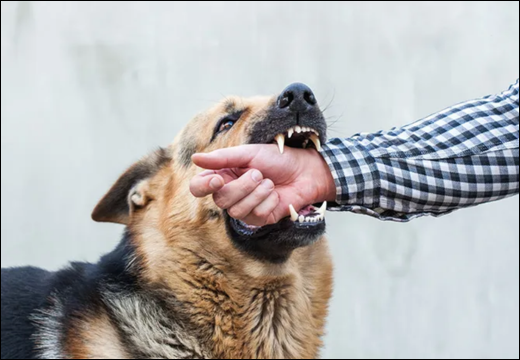
Rabies is one of the oldest and deadliest zoonotic diseases, caused by the Lyssavirus of the Rhabdoviridae family. It is transmitted mainly through bites of infected animals—particularly dogs—and it remains a major public health threat in Asia and Africa. India contributes nearly 36% of global rabies deaths, with children under 15 most vulnerable. Despite its lethality, rabies is entirely preventable through timely vaccination of both animals and humans. Strengthening surveillance, mass dog vaccination, and awareness programs can significantly reduce mortality.
Rabies: Nature, Transmission & Global Impact
Rabies causes an estimated 59,000 deaths worldwide each year, predominantly in Asia and Africa. Over 99% of human cases originate from dog bites, making canines the primary reservoir. The disease progresses from fever and tingling at the bite site to hydrophobia, muscle spasms, paralysis, and death. Children form nearly 40% of rabies victims, due to increased exposure and lack of awareness. India reports over two-thirds of global rabies deaths, with more than 6,000 annual cases, though the actual number is suspected to be higher due to underreporting.
Causes of Rabies (Humans & Animals)
1. Rabies Virus Transmission
Rabies virus (RABV), transmitted primarily through the bite or scratch of an infected (rabid) animal.
2. Saliva Transmission Route
Spread through the saliva of infected animals, entering the body via broken skin or mucous membranes.
3. Rare Transmission Modes
Rarely, transmission can occur through licking of open wounds, transplantation of infected organs, or inhalation in lab settings.
4. Major Animal Carriers
Major carriers: dogs, bats, foxes, raccoons, mongoose, and other wild carnivores.
Symptoms of Rabies in Humans
Early Symptoms (Prodromal Stage)
- Fever, headache, fatigue
- Pain, tingling, or burning at the bite site
- Nausea and irritability
- General weakness
Late Symptoms (Neurological Stage)
- Anxiety, agitation, confusion
- Hydrophobia (fear of water)
- Aerophobia (fear of air drafts)
- Difficulty swallowing, excessive salivation
- Paralysis, seizures
- Coma → death (if untreated)
Symptoms of Rabies in Animals
Early Signs
- Fever, behavioural changes
- Unusual aggression or sudden tameness
- Excessive licking of the bite site
Furious Form
- Aggression and biting
- Restlessness and roaming
- Excessive salivation
- Sensitivity to light and sound
Paralytic Form
- Weakness and paralysis
- Dropped jaw, inability to swallow
- Reduced vocalization
- Coma → death
Diagnosis of Rabies in Humans
1. Clinical Evaluation
- History of animal bite or exposure
- Presence of neurological symptoms (agitation, hydrophobia, confusion)
- Examination of the bite site
2. Laboratory Tests
Multiple samples are tested because the virus may not appear uniformly in all tissues.
a. Saliva Test
- RT-PCR is used to detect rabies viral RNA.
b. Skin Biopsy (Nuchal Skin Biopsy)
- Taken from the back of the neck to detect rabies antigen in hair follicles using the direct fluorescent antibody (DFA) test.
c. Serum and Cerebrospinal Fluid (CSF)
- Detection of rabies antibodies (virus-neutralising antibodies).
- Helpful after the onset of symptoms (antibodies appear late).
d. Corneal Imprint Test
- Detects viral antigen in corneal cells.
Preventive Measures Against Rabies
1. Community-Level Prevention
- Mass dog vaccination drives
- Sterilisation of stray dogs to control the population
- Public awareness of immediate wound cleaning
- Reporting dog bites to health authorities
- Ensuring the availability of PEP in all districts
2. Individual-Level Prevention
- Avoid handling unknown or aggressive animals
- Prompt wound cleaning for 15 minutes with soap and running water
- Seek immediate medical attention for PEP
- Vaccinate pets annually
- Keep pets away from wildlife
Why Rabies Remains a Threat in India
1. Underreporting and Lack of Surveillance: Rabies-related deaths in many rural areas go undocumented, especially among the economically weaker and isolated groups.
2. High Free-Roaming Dog Population: Large numbers of unvaccinated stray dogs act as a reservoir for the virus.
3. Limited Awareness and Late Treatment: Many victims do not seek immediate wound cleaning or post-exposure prophylaxis (PEP), increasing fatality risk.
4. Access Barriers to Human Vaccines: In some regions, rabies vaccines are available but inaccessible due to cost, distance, or delayed delivery.
The Role And Effectiveness Of Rabies Vaccination
1. Vaccination In Animals
The Cornerstone of Control
Mass vaccination of dogs is recognised globally as the most cost-effective strategy to reduce human deaths.
Effectiveness
- Vaccinating 70% of the dog population can break the transmission cycle.
- Cities like Mumbai, Nagpur, Shillong, and Pune have launched major drives covering tens of thousands of stray dogs.
- The Brihanmumbai Municipal Corporation (BMC) vaccinated 70% of Mumbai’s stray dogs by early 2024, significantly reducing bite incidents.
Benefits
- Reduces viral circulation in the environment.
- Prevents dog-to-dog and dog-to-human transmission.
- Supports India’s National Rabies Elimination Plan for 2030.
2. Human Vaccination
Saving Lives After Exposure
Types Of Vaccination
- PrEP (Pre-Exposure Prophylaxis): for high-risk groups—veterinarians, animal handlers, wildlife workers.
- PEP (Post-Exposure Prophylaxis): essential after an animal bite. Includes wound washing, rabies vaccine series, and immunoglobulins for severe exposures.
Effectiveness
- When administered promptly, human vaccination is 100% effective in preventing rabies.
- In India, increased availability of PEP has reduced mortality in urban centres.
Recent Actions In India
Large-Scale Vaccination Drives
- Nagpur vaccinated 20,000 dogs in one month (2025) with support from NGOs and international partners.
- Mumbai (BMC) conducted a massive free-roaming dog immunisation campaign with 25,000+ dogs vaccinated by February 2024.
- Shillong and Meghalaya regions reported vaccination drives following a sudden rise in dog-bite cases.
- Pune expanded sterilisation and vaccination efforts under Animal Birth Control (ABC) programmes to reduce the stray dog population and rabies burden.
Government Policies
- Rabies was declared a notifiable disease in India (September 2023).
- Integration with the National Rabies Control Programme (NRCP).
- Implementation of digital records, dog registration, and microchipping in several cities.
Special Points
1. Hydrophobia—A Hallmark Symptom
The word “rabies” is historically linked to hydrophobia. In later stages, patients struggle to swallow water due to painful throat spasms.
2. 100% Preventable
Rabies is entirely preventable with timely vaccination.
3. One Health Approach
Rabies control requires collaboration between:
- Veterinary departments
- Human healthcare systems
- Municipal bodies
- NGOs
- Community participation
4. India’s Goal Zero Rabies Deaths By 2030
With stronger surveillance, mass vaccination, sterilisation, and awareness drives, India aims to eliminate human rabies deaths within this decade.
Process of Rabies Vaccination
A. Vaccination in Animals (Dogs, Cats, Wildlife)
1. Primary Vaccination
- Given at 3 months of age.
- One dose of an approved rabies vaccine.
2. Booster Dose
- First booster after 1 year.
- Subsequently, annual boosters are recommended.
3. Mass Vaccination of Stray Dogs
Steps include:
- Capture–Vaccinate–Release (CVR) method.
- Identification of vaccinated dogs using collars, tags, or paint marks.
- Registration of data and microchipping in some cities.
- Collaboration between municipal bodies, veterinary teams, and NGOs.
- The aim is to vaccinate at least 70% of the dog population.
4. ABC + Vaccination
Under the Animal Birth Control Program:
- Dogs are sterilised, vaccinated, and then released.
- This controls population and ensures long-term immunity.
B. Rabies Vaccination in Humans
1. Pre-Exposure Prophylaxis (PrEP)
Recommended for high-risk individuals.
Schedule:
- Day 0 and Day 7 (2-dose intramuscular schedule).
Benefits:
- Protects individuals at occupational risk.
- Reduces the need for immunoglobulins after exposure.
2. Post-Exposure Prophylaxis (PEP)
Given after any dog or animal bite, regardless of vaccination status.
Step 1: Immediate Wound Care
- Wash the wound with soap and water for 15 minutes.
- Apply an antiseptic like povidone-iodine.
Step 2: Rabies Vaccine
Schedule:
- Day 0, 3, 7, and 14 (intradermal or intramuscular).
Step 3: Rabies Immunoglobulin (RIG)
Required for Category III bites (deep bites, scratches, licking on broken skin).
- Infiltrated directly into and around the wound.
How Vaccination Works
In Animals
- Creates antibodies that neutralise the virus.
- Prevents virus multiplication if the animal is exposed.
- Reduces the reservoir of infection in communities.
In Humans
- Pre-exposure vaccine develops baseline immunity.
- Post-exposure vaccine immediately activates the immune system to prevent the virus from reaching the brain.
Herbal Remedies for Rabies by Planet Ayurveda
Planet Ayurveda is a globally trusted Ayurvedic wellness brand dedicated to providing pure, herbal, and effective formulations based on classical Ayurvedic principles. The company focuses on using 100% natural, standardised extracts without chemicals or preservatives. Its products are manufactured in GMP-certified units under strict quality control. Planet Ayurveda is known for offering holistic solutions for chronic diseases and promoting Ayurveda worldwide through education, herbal wellness, and authentic healthcare practices. However, vaccination in both animals and humans is important to prevent infection. Along with vaccination, the following medicines can be used for the care of bite marks/ wounds:
- Curcumin Capsules
- Kaishore Guggul Tablets
- Jatyadi Oil
- Marichyadi Oil
Product Description
1. Curcumin Capsules
Planet Ayurveda’s Curcumin Capsules can act as supportive care in rabies-related wound management due to their strong anti-inflammatory, antioxidant, and tissue-healing properties. Curcumin helps reduce swelling, supports skin regeneration, and promotes faster wound recovery after cleaning a dog bite or scratch. It is beneficial in aiding local healing. Proper medical care, immediate wound washing, and timely rabies vaccination (PEP) remain essential and life-saving in all suspected rabies exposures.
Dosage: 1 capsule twice daily with plain water after a meal
2. Kaishore Guggul
Planet Ayurveda’s Kaishore Guggul tablets can serve as supportive care in rabies-related wound management due to their classical blend of herbs like Triphala (Emblica officinalis, Terminalia chebula, Terminalia bellirica), Guggul (Commiphora mukul) and Giloy (Tinospora cordifolia). These ingredients possess anti-inflammatory, detoxifying, and wound-healing properties that help reduce swelling, support tissue repair, and promote faster recovery of bite-related wounds. However, Kaishore Guggul does not prevent or cure rabies; it only aids local healing and boosts overall immunity. Immediate wound washing, rabies vaccination, and proper medical care remain the only life-saving measures after any suspected rabies exposure.
Dosage: 2 tablets twice daily with plain water after a meal
3. Jatyadi Tailam and Marichyadi Oil
Jatyadi Oil by Planet Ayurveda is traditionally used for supportive care in rabies-related wounds and bite injuries due to its potent herbal composition. Ingredients such as Chameli (Jasminum officinale), Neem (Azadirachta indica), Patola patra (Stereospermum chelonoides), Mulethi (Glycyrrhiza glabra), and many more, help in cleansing the wound, reducing inflammation, preventing secondary infection, and promoting natural tissue healing.
Marichyadi Tail by Planet Ayurveda is a classical Ayurvedic medicated oil used as supportive local care for rabies-related wounds and animal bites. It is enriched with herbs such as Triphala—Emblica officinalis, Terminalia chebula, Terminalia bellirica—Haridra (Curcuma longa), and Daruharidra (Berberis aristata), etc. It helps cleanse the wound, reduce inflammation, and control microbial growth. This oil promotes healthy tissue repair and prevents secondary infection.
Dosage: Mix both oils for local application on the wound
Conclusion
Rabies remains a serious yet completely preventable zoonotic disease with devastating consequences when left untreated. The key to breaking its transmission cycle lies in mass dog vaccination, timely human PEP, effective surveillance, and public education. India’s ongoing vaccination campaigns in cities like Mumbai, Nagpur, Shillong, and Pune demonstrate substantial progress toward the national goal of Rabies management. Empowering communities, strengthening veterinary public health, and ensuring easy access to vaccines can turn this vision into reality. Prevention is not only better than a cure—it is the only cure for rabies.