


Ringworm – Causes, Symptoms, Treatment & Herbal Remedies
Abstract
Fungal infections remain a major public health concern worldwide, affecting millions across diverse age groups and climates. These infections thrive especially in warm, humid environments, where they colonize the skin, nails, and mucosal surfaces. The growing misuse of topical steroid preparations, changes in lifestyle, overcrowding, and emerging antifungal resistance have led to more complex, recurrent, and persistent presentations. Among the various superficial fungal infections, ringworm (Dermatophytosis) is particularly notable for its rapid transmissibility and its ability to spread through direct contact with infected individuals, animals, or contaminated surfaces. It commonly presents with circular, scaly lesions and tends to recur when not treated adequately. Given its rising prevalence and the significant discomfort it causes, ringworm warrants closer clinical attention. This article explores ringworm in detail, focusing on its key facts, causes, modes of infection, diagnostic methods, and modern as well as ayurvedic management strategies.
Introduction
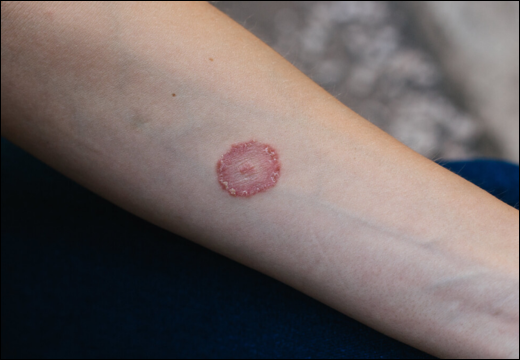
Ringworm, medically called Dermatophytosis, is a contagious fungal infection that affects the keratin-rich tissues of the body, including skin, nails, and hair. Contrary to what the name suggests, it involves no worms or parasites; instead, the characteristic ring-shaped lesion gives rise to the term “ringworm.” The condition is particularly common in warm and humid regions, where excessive moisture and sweating create an environment ideal for fungal growth. In recent years, the infection has gained attention due to several factors such as the widespread misuse of topical steroid combinations, the emergence of drug-resistant dermatophyte strains, and increased transmission in crowded living environments. Children, athletes, people who share personal items, and individuals with compromised immunity remain especially vulnerable.
Causes
Ringworm develops due to infections caused by dermatophytes—fungi that thrive in environments rich in keratin. These organisms survive on dead tissue found in the epidermis, hair shafts, and nails. Their ability to digest keratin allows them to grow, survive, and spread across different regions of the body.
1. Dermatophyte Groups Responsible
Dermatophytes belong to three main genera:
A. Trichophyton
The most frequently encountered group worldwide.
Key species:
- Trichophyton rubrum – responsible for chronic infections.
- T. mentagrophytes – often associated with severe and recurrent cases.
- T. tonsurans – commonly infects the scalp in children.
B. Microsporum
Primarily affects the scalp and skin.
- Microsporum canis – often spread by infected pets.
- Microsporum gypseum – transmitted through soil.
C. Epidermophyton
- Epidermophyton floccosum – less common but known to affect skin and nails.
These fungi survive for long periods on towels, clothing, floors, bedding, and grooming tools, making them highly transmissible.
Mode Of Infection
Ringworm spreads efficiently through direct and indirect exposure. Its ability to persist on surfaces and living hosts makes it highly contagious.
1. Human-To-Human Transmission
Direct skin contact is the most common route. Crowded households, hostels, gyms, and sports environments (wrestling mats, shared equipment) facilitate spread.
2. Animal-To-Human Transmission
Pets like cats, dogs, rabbits, and livestock can carry dermatophytes without showing symptoms. Children and pet owners are particularly prone to this type of transmission, especially from Microsporum canis.
3. Soil-To-Human Transmission
Certain species live naturally in the soil. Infections occur when contaminated soil contacts broken or damaged skin, usually in farmers or individuals who walk barefoot outdoors.
Factors Increasing Susceptibility
- Sweating excessively
- Synthetic clothing that traps moisture
- Poor hygiene practices
- Obesity and deep skin folds
- Diabetes and immunosuppression
- Sharing clothes, linens, or grooming accessories
- Using common bathing areas (pools, locker rooms)
- Application of topical steroid combinations (leading to suppressed local immunity)
Investigations
While ringworm is often identifiable through a simple physical examination, laboratory tests improve accuracy—especially in persistent, atypical, or widespread cases.
- KOH (Potassium Hydroxide) Microscopy
- Fungal Culture
- Dermoscopy
- Wood’s Lamp Examination
- Skin Biopsy
Management
Treatment of ringworm includes both pharmacological and non-pharmacological strategies. The approach depends on the site, severity, and extent of infection as well as patient factors.
A. Topical Antifungal Therapy
Appropriate for mild to moderate cases that are localized and do not involve hair or nails.
Common topical agents:
- Azoles (fungistatic)
- Allylamines (fungicidal)
B. Oral Antifungal Therapy
Major oral agents:
- Terbinafine
- Itraconazole
- Fluconazole
- Griseofulvin
C. Adjunctive Care And Lifestyle Measures
Holistic care improves outcomes and reduces the likelihood of recurrence.
- Hygiene Measures
- Environmental Cleaning
- Sweating Control
- Avoiding Steroid Misuse
Ayurvedic View of Ringworm
There is no direct mention of Ringworm in ayurvedic texts, however, the condition can be correlation with Dadru (or Dāḍru) Kushṭha. In classical Ayurvedic texts, ringworm-like fungal infections are often correlated with Dadru Kushṭha, categorized under minor skin diseases (Kṣudra Kusṭha). The features of Dadru—such as raised circular patches, redness, eruptions, itching, and burning—closely resemble the clinical presentation of dermatophytosis. As it is due to external factors (fungal infection) and can be considered under Aupsargik diseases (contagious diseases) as well. Acharya Sushruta has mentioned that there are diseases that spread through touch, sexual intercourse, sleeping, sharing items and other activities with an infected person. In this condition, blood (Rakta), or flesh (Māṃsa) are vitiated because of infection, producing circular, itchy lesions. Environmental factors such as heat and humidity aggravate supporting microbial growth.
Ayurvedic Management of Ringworm
Management combines internal therapy, external therapy, purification (Shodhana), and lifestyle modifications:
Panchakarma / Shodhana Therapies
- Virechana (therapeutic purgation) and Raktamoṣaṇa (bloodletting) help remove vitiated doshas and toxins from the blood and skin, reducing inflammation and microbial load.
- In severe or recurrent cases, sequential therapies such as Vaman (emesis), Virechana, and medicated enema (Basti) may be recommended.
Shamana (Internal) Ayurvedic Medicines
- Herbal formulations such as Sarivādi Aśava, Chakramarda churna, and Tankana bhasma (for application) are traditionally used.
- Modern practice also uses Neem (Azadirachta indica), Turmeric (Curcuma longa), Aloe vera, and Garlic for their antifungal and anti-inflammatory properties.
Bahirpariṃārjana (External) Therapy
- Herbal pastes (Lepas), such as Vidangādi Lepa, are applied to affected areas to reduce itching and inflammation.
- Medicated oils (Taila) such as neem oil can be used for topical application, especially in persistent cases.
Prevention And Lifestyle/Dietary Measures
- Maintain dryness and hygiene: clean and dry skin, change clothes frequently, avoid tight or synthetic garments.
- Follow a Kapha-Pitta balancing diet: light, dry, and easy-to-digest foods; avoid excessive sweets, dairy, and fried foods.
- Treat household contacts and pets if infected.
- Periodic mild cleansing therapies may be recommended to prevent recurrence.
Herbal Remedies For Ringworm By Planet Ayurveda
Planet Ayurveda is a globally trusted Ayurvedic wellness brand known for offering pure, authentic, and effective herbal formulations. Rooted in the ancient principles of Ayurveda, the brand focuses on promoting holistic health through nature’s finest herbs, minerals, and traditional preparations. Every product is crafted with high-quality ingredients, free from chemicals, preservatives, and artificial additives, ensuring safety and reliability. From classical formulations to modern herbal blends, Planet Ayurveda emphasizes wellness solutions that support the body’s natural healing processes. Its commitment to purity, transparency, and traditional Ayurvedic knowledge has made it a preferred choice for individuals seeking natural ways to maintain health, manage chronic conditions, and restore balance in their daily lives. Planet Ayurveda is pleased to express its range of products for Ringworm management.
Product List
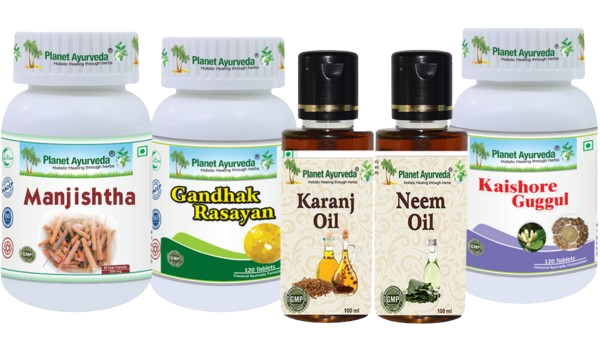
- Gandhak Rasayan
- Manjishtha Capsules
- Kaishore Guggul
- Neem Oil
- Karanj Oil
Product Description
1. Gandhak Rasayan
Gandhak Rasayan is a classical ayurvedic formulation that has a number of health benefits. In the condition of ringworm infestation, it helps with its antifungal, anti-itch and blood-purifying properties. Purified sulphur inhibits fungal growth, reduces inflammation, and relieves itching and burning sensations. By balancing aggravated Pitta and Kapha doshas and cleansing Rakta Dhatu, it prevents recurrence and promotes faster healing. Its Rasayana effect strengthens skin immunity, improves tissue repair, and supports detoxification by enhancing Agni and reducing Ama. Gandhak Rasayan not only clears active fungal lesions but also restores normal skin texture, making it a potent and holistic Ayurvedic remedy for ringworm infestations.
Dosage : Two tablets twice a day.
2. Manjishtha Capsules
Manjistha Capsules are a product of Planet Ayurveda and the capsules are filled with Manjishtha (Rubia cordifolia) extract. This is one of the best Ayurvedic herbs for Ringworm because of its powerful Rakta-Shodhak (blood-purifying), Pitta-pacifying, and anti-inflammatory actions. Ringworm leads to Pitta-Kapha imbalance and Rakta Dushti, and Manjishtha directly corrects these root causes. Its proven antimicrobial and antifungal properties inhibit dermatophytes responsible for Tinea infections, reducing redness, itching, and spread of the lesion. By improving microcirculation, detoxifying the blood, and enhancing lymphatic drainage, Manjishtha prevents recurrence and supports faster skin healing. Its antioxidant compounds like mollugin and purpurin help repair damaged skin and restore normal pigmentation, making it highly effective in chronic and stubborn ringworm infections.
Dosage : One capsule twice a day.
3. Kaishore Guggul
Kaishore Guggul is a classical ayurvedic medicine and composed of amla (Emblica officinale), bibhitaki (Terminalia bellerica), haritaki (Terminalia chebula), guduchi (Tinospora cordifolia), guggul (Commiphora mukul), vidanga (Embelia ribes), marich (Piper nigrim) and other herbs. It has the potent ability to detoxify the blood, reduce inflammation, and balance aggravated Pitta and Kapha, the primary doshas involved in this condition. The formulation purifies Rakta Dhatu, and inhibits fungal growth. Kaishore Guggul reduces itching, redness, and burning while preventing the spread of lesions. Its natural anti-inflammatory and antimicrobial actions suppress dermatophytes and support faster healing. By improving immunity and clearing deep-seated toxins, it prevents recurrence and restores healthy skin, making it a key internal Ayurvedic remedy for ringworm infections.
Dosage : Two tablets twice a day.
4. Neem Oil And Karanj Oil
Neem oil and Karanj oil are oil formulations prepared by Planet Ayurveda. Neem (Azadirachta indica) and Karanj (Pongamia pinnata) are largely known for their antipruritic, anti-inflammatory, wound healing and antimicrobial properties, and are a powerful and effective product in the management of ringworm infestation. Neem’s bioactive compounds like nimbidin and azadirachtin directly inhibit dermatophytes and calm itching, burning, and redness. Karanj’s karanjin and pongamol exfoliate infected skin, reduce scaling, and enhance deeper penetration of medicine. Together, they pacify aggravated Pitta and Kapha, purify the skin, prevent fungal spread, and promote faster healing while minimizing recurrence of ringworm lesions.
How to use : Take the required amount of oils and mix them and apply over the affected area twice a day.
Conclusion
Ringworm is a prevalent superficial fungal infection marked by circular, scaly lesions, itching, and inflammation, which can recur if not properly managed. Modern antifungal therapies provide symptomatic relief but may not address underlying imbalances or prevent recurrence. Ayurveda offers a holistic approach by targeting the root causes, including Pitta-Kapha imbalance, vitiated blood, and weakened immunity. Through internal detoxification, topical therapies, and rejuvenating treatments, the infection can be controlled while promoting tissue repair, reducing inflammation, and preventing spread. Coupled with lifestyle adjustments, hygiene practices, and dietary modifications, Ayurvedic management supports faster recovery, strengthens the body’s natural defenses, and ensures long-term skin health, making it an effective and safe strategy against ringworm. Above mentioned Planet Ayurveda’s products are really beneficial in the management of ringworm and its recurrence.