


Rumex vesicarius Linn./ Chuka/ Chukra/ Chukrika/ Bladder Dock – Medicinal Properties, Benefits & Dosage
Abstract
Rumex vesicarius L., a member of the family Polygonaceae, is an important medicinal plant widely recognised in Unani medicine for its therapeutic potential. The plant is distributed across India and is also abundantly found in Egypt, North Africa, and various regions of Asia, where it grows wild. The seeds of R. vesicarius are traditionally employed in the management of several ailments, including palpitation, jaundice, gastritis, diarrhoea, diabetes, and burning micturition. The genus Rumex comprises over 250 species with a global distribution, many of which are valued for their medicinal as well as nutritional significance. Due to its rich chemical content, including flavonoids, anthraquinones, tannins, and organic acids—R. Vesicarius is known for its antioxidant, hepatoprotective, gastroprotective, and antidiabetic activities. These attributes support its continued use in traditional systems of medicine and highlight its potential for further pharmacological and clinical investigations.
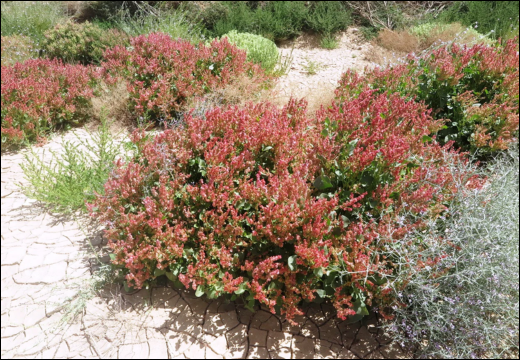
Classical References Of Rumex Vesicarius Linn./ Chuka/ Chukra/ Chukrika/ Bladder Dock
- Bhavprakash Nighantu Haritkyadi and Shaaka varga
- Raj Nighantu Mulakadi varga
Scientific Classification Of Rumex Vesicarius Linn./ Chuka/ Chukra/ Chukrika/ Bladder Dock
- Kingdom: Plantae
- Order: Caryophyllales
- Family: Polygonaceae
- Genus: Rumex L.
- Species: Rumex vesicarius L.
Synonym Of Rumex Vesicarius Linn./ Chuka/ Chukra/ Chukrika/ Bladder Dock
- Amla – Sour in taste
- Amlabhedaka – Intensely sour or piercing sourness
- Sinchamla – Juicy sour taste
- Shuktika – Vinegar-like sourness
- Sahasravedhi – Produces a strong, penetrating sour sensation
- Amlantaki – Ending or predominance of sour taste
- Rajamla – Superior or strong sour variety
- Rasamla – Sourness present in sap or juice
- Vetamla – Sharp, acidic sour taste
- Viramla – Distinct or special type of sourness
- Bhedana – Piercing or splitting in action
- Gulmaha – Useful in abdominal lumps (gulma)
- Beeta – Vinegar-like or fermented sour substance
- Shukta – Acidic, fermented, or sour in nature
- Chanda – Strong, intense, or sharp in action
- Rochni- Appetiser; improves taste perception and stimulates appetite.
- Patramala- Bearing leaves in clusters or having a garland-like arrangement of leaves.
- Shatavedhani- Producing intense, piercing sensations; extremely sharp or acidic in action.
- Chukrika- Sour herb; a plant characterised by a strong acidic (amla) taste.
Vernacular Names Of Rumex Vesicarius Linn./ Chuka/ Chukra/ Chukrika/ Bladder Dock
- English: Bladder dock, Sorrel, Bubble dock, Rosy dock
- Hindi: Ambari, Chuka, Chukekasak
- Kannada: Chukka
- Arabic: Hamaz, Humarbostani, Humbijit
- Assamese: Sukhasag
- Bengali: Chak, Chuk, Chukapalang
- Bombay (Regional): Chuka
- Burmese: Kalakhenbour
- Deccan (Regional): Ambari, Chukka
- Malayalam: Chokkancheera
- Persian: Tursak, Turshah, Turshunuk
- Punjabi: Kattamitha, Khatbiri, Saluni
- Tamil: Chukka
- Telugu: Chukka kura
Habitat Of Rumex Vesicarius Linn./ Chuka/ Chukra/ Chukrika/ Bladder Dock
Rumex vesicarius L., commonly known as bladder dock, is an annual herb adapted to desert and semi-desert climates of North Africa, Southwest Asia, and parts of the Indian subcontinent. It is native to the Arabian Peninsula, the Near East, Northeast Africa, and regions of Asia, including India, Pakistan, and Iran. The plant typically grows during the fall and spring rainy seasons at low to moderate altitudes, ranging from sea level up to about 2000 m, and occasionally higher in arid zones such as the Sahara. It thrives in well-drained, moist to moderately fertile soils and is commonly found in deserts, semi-deserts, waste lands, rocky terrains, ruderal sites, and cultivated fields, preferring open, sunny locations. Due to its adaptability, R. vesicarius is widely used as a wild edible green as well as a traditional medicinal herb in these regions.
Morphology Of Rumex Vesicarius Linn./ Chuka/ Chukra/ Chukrika/ Bladder Dock
Chukra is a small herbaceous plant attaining a height of about 15–30 cm. It is widely distributed across India, occurring both under cultivation and as a garden escape. The plant is commonly found in western Punjab, the Salt Range, Trans-Indus hills, and is especially prevalent in hilly regions and the Himalayan zone, where it grows well under cooler climatic conditions. The seeds are small, triangular, measuring approximately 1.5 mm in length and 1 mm in width. They are dark brown, shining, and albuminous in nature. The embryo is eccentric and nearly straight, with linear cotyledons. The seeds possess an acrid taste and lack a characteristic odour. In transverse section, the seed appears triangular. The testa is well developed, consisting of radially elongated, palisade-like, thick-walled cells, while the tegmen is almost crushed. The endosperm is starchy, and the embryo parenchyma contains prismatic crystals of calcium oxalate, along with oil globules and aleurone grains.
Classical Categorisation Of Rumex Vesicarius Linn./ Chuka/ Chukra/ Chukrika/ Bladder Dock
- According to Kaiyadeva Nighantu: Aushadhi Varga
- According to Bhavprakash Nighantu: Haritkyadi and Shaaka varga
- According to Raj Nighantu: Mulakadi varga
- According to Priya Nighantu: Haritkyadi varga
Ancient Verse Of Rumex Vesicarius Linn./ Chuka/ Chukra/ Chukrika/ Bladder Dock
चुक्रिका स्यात्तु पत्राम्ला रोचनी शतवेधिनी ॥
चुका त्वम्लतरा स्वाद्वी वातघ्नी कफपित्तकृत्।
रुच्या लघुतरा पाके वृन्ताकेनातिरोचनी ॥
(Bhavprakash Nighantu Shaaka varga 25-26)
According to the above shloka, the Sanskrit names of Chuka include Chukrika, Patramla, Rochani, and Shatavedhini. Chuk is characterised by an intensely sour (amla rasa) and palatable taste. It is vata-pacifying, while it aggravates kapha and pitta. The plant is appetising (ruchikari) and is considered very light in digestion (laghu vipaka). It is regarded as especially tasty when cooked and consumed with brinjal (eggplant).
चुक्रम् स्यादम्लपत्रन्तु लघूष्णं वातगुल्मनुत् ।
रुचिकृद्दीपनं पथ्यं ईषत्पित्तकरं परम् ।।१२५।।
(Raj Nighantu Mulkadi varga 125)
According to the above shloka, Cukra possesses sour-tasting leaves and is described as light (laghu) and hot in potency (ushna). It is beneficial in alleviating vata-gulma, acts as an appetiser, and stimulates digestive activity. The plant is considered wholesome for consumption, though it slightly increases pitta.
Ayurvedic Properties Of Rumex Vesicarius Linn./ Chuka/ Chukra/ Chukrika/ Bladder Dock
- Taste (Rasa)- Sweet (Madhur), Sour (Amla)
- Physical property (Guna) – Light (Laghu)
- Potency (Veerya )- Hot Potency (Usna)
- Post-digestion effect (Vipaka)- Sour (Amla)
- Effect on tridosha– Balance Vata dosha and increase Pitta and Kapha Dosha
Therapeutic Indications Of Rumex Vesicarius Linn./ Chuka/ Chukra/ Chukrika/ Bladder Dock
- Pittakrit – Increases Pitta Dosha
- Raktakit – Aggravates blood disorders and bleeding tendencies
- Vatashamana – Pacifies Vata Dosha
- Bastishuddhikara – Cleanses and detoxifies the urinary bladder and kidneys
- Dipana – Kindles and strengthens digestive fire (agni)
- Pachana– Digests Ama and supports metabolism
- Sara – Promotes intestinal mobility; acts as a mild laxative/purgative, relieving constipation
- Shula– Abdominal colic or pain
- Gulma – Abdominal tumours or masses
- Vibandha – Constipation
- Amavata – Rheumatoid arthritis
- Vami – Vomiting
- Trishna– Excessive thirst
- Asyavairasya – Bad taste or foul breath
- Hritpida – Cardiac pain or discomfort
- Vahnimandya – Weak digestive power
Systemic Actions Of Rumex Vesicarius Linn./ Chuka/ Chukra/ Chukrika/ Bladder Dock
- External Use: Mildly cleansing and stimulating when applied locally. Its paste is applied to the swelling.
- Internal uses:
- Digestive System: Acts as an appetiser and digestive, alleviating Vata-gulma (Abdominal lump) and improving agni (Digestive Fire).
- Circulatory System: Supports circulation due to Hot potency, but may aggravate Pitta-Rakta if overused.
- Excretory System: Cleanses the urinary tract and helps relieve burning micturition.
- Skin: Useful in skin conditions associated with toxins, though excess use may increase pitta.
Chemical Composition Of Rumex Vesicarius Linn./ Chuka/ Chukra/ Chukrika/ Bladder Dock
Major Chemical Classes
- Lipids: Rich in fatty acids such as palmitic, oleic, linoleic, linolenic acids, with notable omega-3 content.
- Flavonoids: Includes vitexin, orientin, isovitexin, catechin, epicatechin, and their glycosides.
- Anthraquinones: Contains emodin, chrysophanol, rumicine.
- Phenolic Compounds: Exhibits strong antioxidant activity.
- Other Compounds: Includes carbohydrates, proteins, steroids, saponins, alkaloids, tannins, mucilage, oxalic acid, and minerals (K, Ca, Al).
Key Bioactive Compounds
- Flavonoids: 8-C-glucosyl-apigenin, 6-C-glucosyl-naringenin (major), catechin.
- Fatty Acids: Palmitic, oleic, linoleic, linolenic acids.
- Vitamins: Vitamin C (ascorbic acid), Vitamin E (tocopherol), beta-carotene.
Actions And Properties Of Various Chemical Constituents Of Rumex Vesicarius Linn./ Chuka/ Chukra/ Chukrika/ Bladder Dock
In Ulcerative Colitis
Modern research indicates that Rumex vesicarius Linn. helps manage mucous and inflammation in ulcerative colitis primarily through its rich polyphenol and flavonoid content, including vitexin, isovitexin, orientin, and iso-orientin, along with tannins and anthraquinones like emodin and chrysophanol. Its anti-inflammatory effects reduce the secretion of proinflammatory cytokines (TNF-α, IL-6, IL-1β), limiting colon inflammation and mucosal damage. The plant’s antioxidant compounds, such as phenolics and β-carotene, scavenge free radicals, reducing oxidative stress in intestinal tissues. Tannins and mucilage provide astringent and protective action, soothing the mucosa and forming a protective layer. Additionally, bioactive compounds modulate gut immunity and support beneficial bacteria, stabilising the gut microbiota, while their antibacterial properties inhibit pathogenic microbes, aiding in healing intestinal abrasions. Together, these mechanisms help restore gut health, reduce inflammation, and protect the colon lining.
For Cardiovascular System
The cardioprotective effects of Rumex vesicarius Linn. leaf extract are mainly due to its rich flavonoid and phenolic content, including rutin, quercitrin, emodin, gallic acid, and catechin, along with potassium and saponins. Flavonoids act as potent antioxidants, reducing oxidative stress in heart cells, stabilising membranes, and providing anti-inflammatory, anti-thrombotic, and vasodilatory effects, with quercitrin specifically protecting the heart via the AMPKα pathway. Anthraquinones like emodin regulate inflammatory and apoptotic pathways, preventing myocardial injury, while phenolic acids enhance antioxidant defence. Potassium supports cardiac rhythm, and saponins reduce lipid peroxidation, minimising myocardial damage. The extract also promotes vasorelaxation by acting as a calcium channel blocker, inhibits platelet aggregation, and lowers elevated cardiac markers, collectively protecting the heart and improving cardiovascular function.
Cytotoxic Activity
The anticancer potential of Rumex vesicarius Linn. is attributed to its bioactive flavonoids, anthraquinones, fatty acids, and other phenolic compounds, which collectively exhibit cytotoxic, anti-angiogenic, and anti-proliferative properties. Flavonoids such as rutin and luteolin-C-glycosides act as antioxidants and inhibit tumour-promoting pathways, including PAK4, reducing tumour cell proliferation. Anthraquinones like emodin, chrysophanol, and physcion primarily target the liver and other cancers by lowering tumour markers and normalising enzyme activity. Fatty acids and derivatives, along with compounds like 6-C-glucosyl-naringenin and butane-1,2,3-tris(trimethylsiloxy), promote cancer cell apoptosis, inhibit migration, and reduce inflammation. Methanolic extracts of the plant suppress cancer cell growth (e.g., HepG2) by downregulating survival genes such as Bcl-2 and mTOR, collectively providing multi-targeted anticancer effects.
For Digestive Problems
Rumex vesicarius Linn. (Humaidah or Bladder Dock) supports digestive health through a combination of anthraquinones, flavonoids, tannins, fatty acids, oxalic acid, and prebiotic compounds. Anthraquinones such as emodin and chrysophanol act as mild laxatives, improving bowel motility and relieving constipation. Tannins provide astringent effects, helping manage diarrhoea and intestinal parasites, while flavonoids like quercetin, vitexin, and orientin reduce oxidative stress and inflammation in the digestive tract. Oxalic acid stimulates bile secretion, enhancing digestion, and fatty acids such as linoleic and oleic acids contribute to the plant’s stomachic and tonic effects. Additionally, sugar derivatives and polyphenols act as prebiotics, promoting the growth of beneficial gut bacteria, which helps maintain a healthy intestinal microbiota and overall digestive function.
Practical Uses / Health Benefits Of Rumex Vesicarius Linn./ Chuka/ Chukra/ Chukrika/ Bladder Dock
- A paste of the leaves is applied to the gums and teeth affected by dental caries to relieve pain and inflammation.
- Leaf paste is also applied over scorpion bites to reduce pain and swelling.
- Roasted and powdered seeds are taken orally to manage scorpion bites and diarrhoea.
- A decoction of the plant (30 ml), mixed with the supernatant of curd and pomegranate juice, is used to treat diarrhoea.
- Slightly warmed leaf juice is instilled into the ears to relieve an earache.
- A 50 ml decoction of the whole plant is administered to treat hepatomegaly and piles.
- Fresh leaf juice (10 ml) is taken internally to control vomiting.
- Rice gruel cooked with Chukra and nagakesara (Mesua ferrea) is used for bleeding piles and diarrhoea associated with blood.
Parts Used Of Rumex Vesicarius Linn./ Chuka/ Chukra/ Chukrika/ Bladder Dock
- Whole plant
- Seeds
Dosage Of Rumex Vesicarius Linn./ Chuka/ Chukra/ Chukrika/ Bladder Dock
- Fresh Juice- 10-20 ml
- Powder- 2-3 gm
Conclusion
Rumex vesicarius Linn., commonly known as Bladder Dock or Chukra, is a versatile medicinal and edible plant widely distributed across India, North Africa, and Southwest Asia. It is rich in flavonoids, anthraquinones, tannins, phenolic compounds, fatty acids, and essential vitamins and minerals. The plant exhibits antioxidant, anti-inflammatory, antimicrobial, digestive, hepatoprotective, cardioprotective, and anticancer properties. Traditionally, it has been used to manage a wide range of ailments, including digestive disorders, abdominal tumours, liver problems, bleeding piles, diarrhoea, dental caries, scorpion bites, vomiting, earache, and inflammation.
Frequently Asked Questions (FAQ’s)
-
What are the medicinal uses of Rumex vesicarius?
It is used to manage digestive disorders, diarrhoea, vomiting, dental caries, scorpion bites, bleeding piles, liver enlargement, inflammation, and abdominal lumps, and supports overall digestive, hepatic, and cardioprotective health. -
What is the Tamil name of Rumex vesicarius?
The Tamil name is Chukka. -
What is the common name of Rumex vesicarius?
Common names include Bladder Dock, Sorrel, Bubble Dock, and Rosy Dock. -
What are the benefits of Rumex vesicarius?
It provides antioxidant, anti-inflammatory, antimicrobial, digestive, hepatoprotective, cardioprotective, and anticancer benefits. -
What are the uses of Rumex vesicarius?
It is used internally and externally for digestive disorders, liver ailments, bleeding piles, diarrhoea, dental issues, scorpion bites, earache, vomiting, and abdominal tumours.