


Saraca asoca/ Ashoka – Medicinal Properties, Benefits & Dosage
Abstract
Saraca asoca (Roxb.) De Wilde, belonging to the family Fabaceae (Caesalpiniaceae), has been traditionally revered in Indian medicine as a “uterine tonic” for centuries. Modern phytochemical screening identifies a rich profile of flavonoids (specifically procyanidin B2 and luteolin), tannins, and glycosides that contribute to its multi-targeted therapeutic effects. Recent in vivo and in silico research (2025) suggests that specific bioactive compounds in Ashoka act as natural aromatase inhibitors, helping to normalise hormonal profiles in conditions like Polycystic Ovary Syndrome (PCOS). Its primary pharmacological actions include uterotonic, anti-menorrhagic, and estrogen-modulating activities, making it a potent botanical for managing dysfunctional uterine bleeding, dysmenorrhea, and infertility.
Introduction
The name “Ashoka” translates from Sanskrit as “without sorrow,” a direct reference to the tree’s historical reputation for alleviating the “grief” of women caused by reproductive ailments. In contemporary medicine, the health of the female reproductive system is increasingly compromised by endocrine-disrupting factors, leading to a rise in menstrual irregularities and infertility. Saraca asoca stands out in the “medicinal garden of the world” due to its specific affinity for the Artava Srotas (female reproductive channels). The bark, which is the most pharmacologically active part, contains catechol, ketosterols, and organic calcium compounds that directly influence the uterine musculature and endometrial repair. Beyond its physical effects, research highlights its role in balancing the hypothalamic-pituitary-ovarian (HPO) axis, which is essential for regular ovulation.
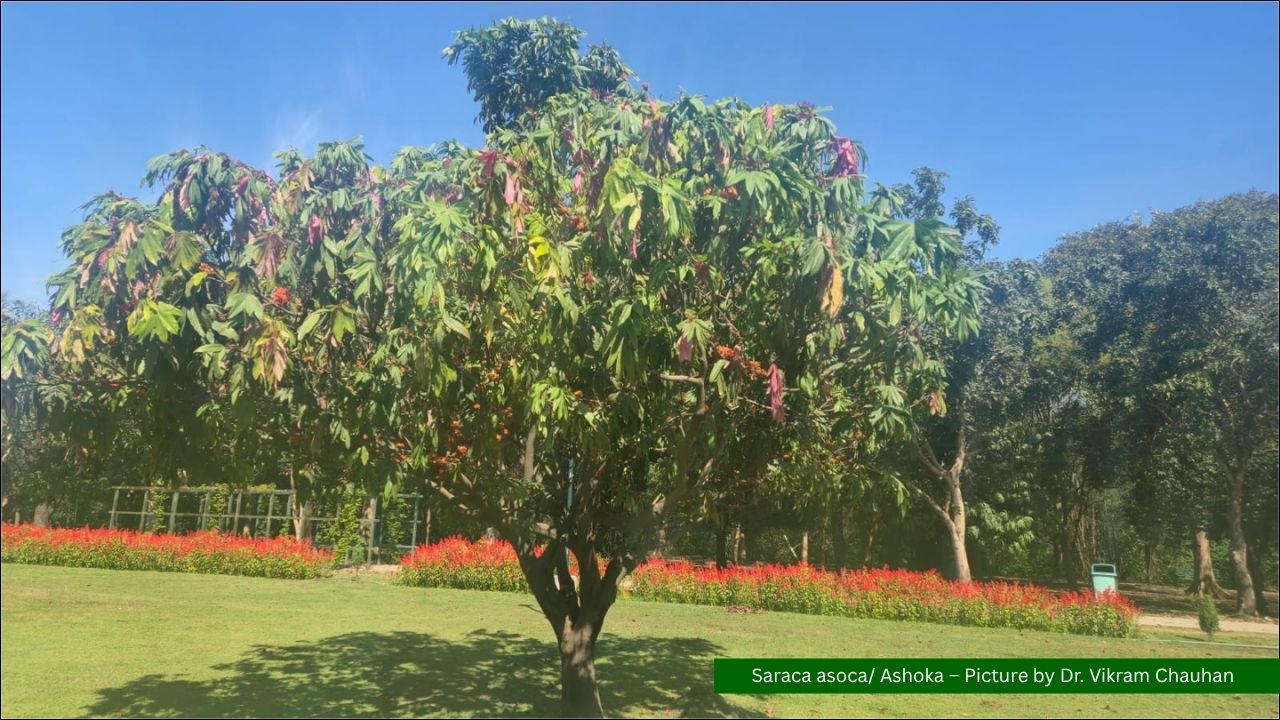
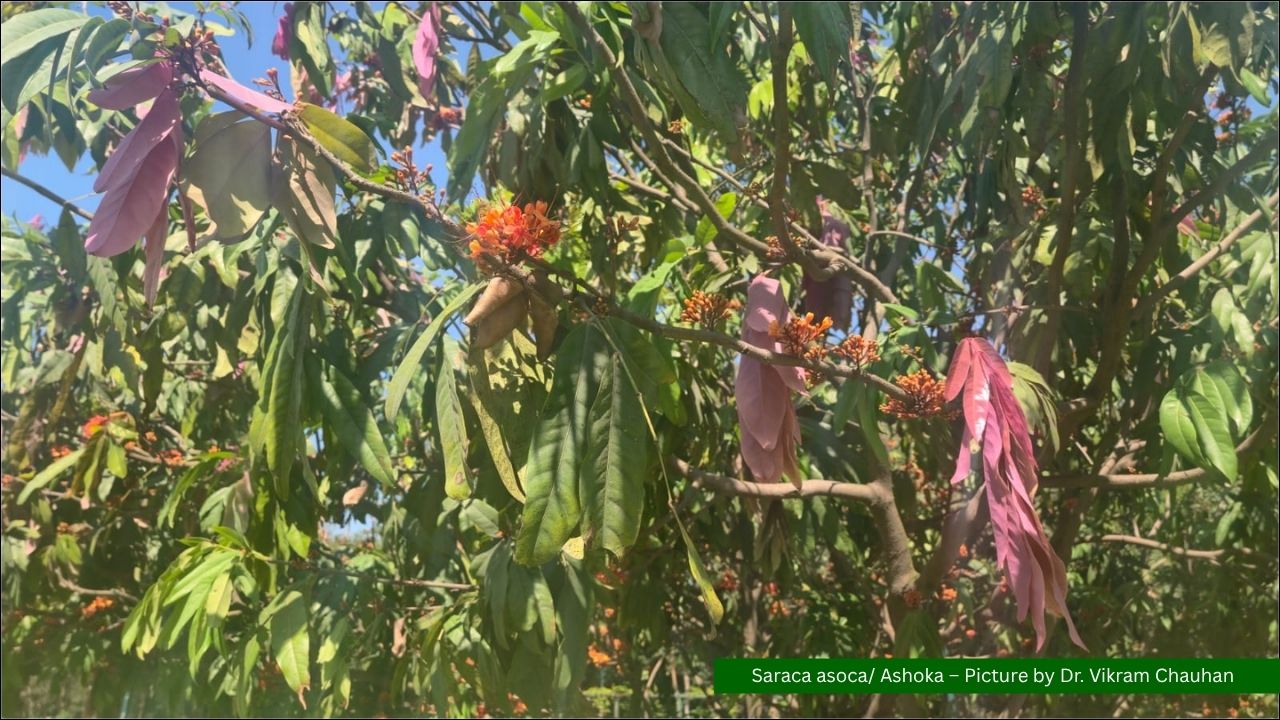
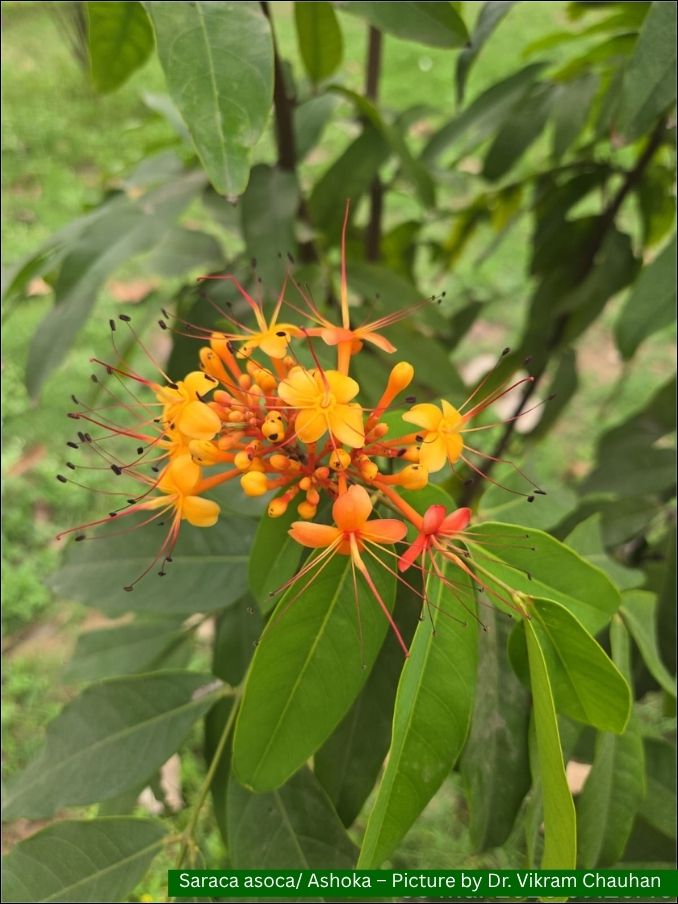
Historical Overview
The historical significance of Saraca asoca is deeply intertwined with the Ramayana, where the Ashoka Vatika (Ashoka Grove) serves as the backdrop for Sita’s resilience during her captivity in Lanka. In the epic, Sita is depicted sitting beneath an Ashoka tree, which was chosen for its ability to provide a “sorrow-less” (a-shoka) sanctuary that shielded her from both environmental heat and emotional distress. This narrative establishes the tree as a sacred protector of womanhood, symbolising a space where female dignity and physical health remain inviolate despite external trauma. Historically, this led to the cultural practice of the Ashoka Dohada, a ritual where it was believed the tree would only burst into its brilliant scarlet blossoms when struck by the foot of a virtuous woman.
Ancient Verse
अशोकः शीतलस्तिक्तो ग्राही वर्ण्यः कषायकः |
दोषापचीतृषादाहकृमिशोषविषास्त्रजित् ||
(Bhavprakash Nighantu Pushpa varga 48)
The above shloka indicates that Ashoka possesses cold potency (Sheeta Virya) along with bitter (Tikta) and astringent (Kashaya) tastes, and exhibits Grahi (absorbent) properties. It is beneficial in enhancing skin complexion, controlling bleeding disorders, and managing conditions such as toxicity, dehydration, indigestion, excessive thirst, burning sensations, and parasitic infestations.
अशोकः शिशिरो हृद्यः पित्तदाहश्रमार्तिनुत्।
गुल्मशूलोदराध्माननाशनः कृमिकारकः ॥
(Raj Nighantu Karviradi varga 56)
According to the above shloka, Ashoka has cold potency and Hridya (cardiotonic/pleasing to the heart). It alleviates Pitta, burning sensations (Daha), fatigue (Shrama), and pain (Arti). It is effective in treating Gulma (abdominal tumours/lumps), colic pain (Shoola), abdominal distension (Adhmana), and Krimikaraka (causes worm proliferation).
अशोकः शीतलस्तिक्तः कृमीन्हन्ति प्रयोजितः।
अपचीं नाशयत्येव सर्वव्रणविनाशनः ॥
अशोको मधुरो हृद्यः सन्धानीयः सुगन्धिकः।
(Dhanwantari Nighantu Amradi varga 147)
According to the above shloka, Ashoka has a cooling (Sheet), bitter (Tikta), and sweet (Madhura) profile that is fundamentally pleasing to the heart (Hridya). Beyond its identity as a “remover of sorrow” (Shokanasha), the text highlights its potent antimicrobial and restorative properties: it is specifically indicated for destroying intestinal worms (Kriminhanti), treating scrofula or chronic lymphatic swelling (Apachi), and acting as a universal healer for all types of wounds and ulcers (Sarvavrana-vinashana). Furthermore, its Sandhaniya property—the ability to “join” or heal fractured and torn tissues—scientifically aligns with its modern use in repairing the endometrial lining of the uterus, while its fragrant nature (Sugandhikah) reflects the presence of the essential oils and secondary metabolites that contribute to its therapeutic efficacy.
Ayurvedic Properties Of Saraca Asoca (Roxb.) De Wilde/ Ashoka
- Taste (Rasa)- Bitter (Tikta), Astringent (Kashaya)
- Physical property (Guna) – Light (Laghu), Dry (Ruksha)
- Potency (Veerya )- Cold Potency (sheet)
- Post-digestion effect (Vipaka)- Katu (Pungent)
- Effect on tridosha– Balance Pitta and Kapha dosha
Therapeutic Properties Of Saraca Asoca (Roxb.) De Wilde/ Ashoka
- Sheetala – provides a cooling effect
- Grahi – has absorbent properties
- Varnya – enhances skin complexion
- Doshahara – acts as a natural detoxifier and cleanser
- Apachihara – helps reduce swellings and abnormal growths
- Trushnahara – alleviates excessive thirst
- Dahahara – relieves burning sensation
- Krumighna – helps eliminate worm infestations
- Shoshahara – helps in reducing emaciation and weakness
- Vishahara – beneficial in conditions of toxicity or poisoning
- Asrajit – useful in managing bleeding disorders
- Hrudya – supports heart health and acts as a cardiac tonic
- Shramaapaha – reduces fatigue and exhaustion
- Gulmahara – helps in managing abdominal masses and bloating
- Shulahara – alleviates abdominal colicky pain
- Udarahara – beneficial in conditions like ascites
- Adhmanahara – relieves abdominal distension and gas
Ashoka For Reproductive Health Issues
- Uterine Tonic: Strengthens and tones the uterus, supporting healthy reproductive function.
- Regulates Menstrual Cycle: Helps normalise irregular periods and promotes balanced menstrual flow.
- Controls Menorrhagia: Reduces excessive bleeding due to its astringent (tannin-rich) action.
- Relieves Dysmenorrhea: Alleviates menstrual pain through mild antispasmodic and anti-inflammatory effects.
- Supports PCOS Management: Helps balance hormones and improve ovulation in Polycystic Ovary Syndrome.
- Useful in Leucorrhoea: Reduces abnormal vaginal discharge and strengthens reproductive tissues.
- Endometrial Health Support: Regulates endometrial thickness and prevents abnormal uterine bleeding.
- Postpartum Uterine Recovery: Aids in uterine involution and recovery after childbirth.
- Helps in Uterine Fibroids: Controls heavy bleeding and supports tissue healing in fibroid conditions.
- Beneficial in Endometriosis: Helps reduce abnormal tissue growth and associated inflammation.
- Phytoestrogenic Action: Provides mild estrogen-like effects, helpful in hormonal imbalance and perimenopause.
Modern Overview
For Hormone Imbalance
The bark of Saraca asoca (Ashoka) contains bioactive compounds such as flavonoids (quercetin, kaempferol), sterols, and phytoestrogens that specifically help correct hormonal imbalance. The compounds like Procyanidin B2 and leucopelargonidin interact with estrogen and androgen receptors, helping to reduce excess androgens and support balanced estrogen activity, especially in Polycystic Ovary Syndrome. The presence of ketosterol and natural phytoestrogens provides mild estrogen-like effects, which aid in regulating disrupted hormonal cycles. These constituents also influence endocrine function by supporting proper signalling between hormones responsible for ovulation and menstrual rhythm. By modulating both estrogen and androgen levels, Ashoka helps restore hormonal equilibrium.
For Heavy Menstrual Bleeding
The stem bark of Saraca asoca (Ashoka) contains key compounds such as tannins, flavonoids (especially catechins and quercetin), glycosides, and ketosterol that are highly effective in managing heavy menstrual bleeding, also known as Menorrhagia. Tannins exert a strong astringent (hemostatic) action by binding to proteins in the endometrial lining, leading to constriction of blood vessels and reduction of excessive bleeding. Catechins further support this effect by strengthening and toning the uterine tissues, ensuring controlled menstrual flow. Flavonoids like quercetin provide anti-inflammatory and antioxidant benefits, helping to reduce uterine irritation and tissue damage. Additionally, ketosterol helps relieve uterine congestion and improves overall uterine function. Together, these compounds stabilise the endometrium and promote efficient control of menstrual bleeding.
For Leucorrhoea
The bark of Saraca asoca (Ashoka) contains important constituents such as tannins, catechins, flavonoids, steroidal glycosides (including ketosterol), and calcium salts that are effective in managing Leucorrhoea. Tannins exhibit strong astringent properties, helping to tighten vaginal tissues and reduce excessive discharge. Catechins and other flavonoids provide antimicrobial and anti-inflammatory actions, which help control infections and irritation commonly associated with abnormal discharge. The steroidal component, ketosterol, supports hormonal regulation by acting on the endometrium and ovarian tissues, thereby addressing the root cause of imbalance. Additionally, calcium salts contribute to uterine toning and stabilisation. These combined actions help reduce secretions, restore tissue integrity, and maintain a healthy reproductive environment.
For Dysmenorrhea
The bark of Saraca asoca (Ashoka) contains bioactive compounds such as tannins, catechins, flavonoids (including epicatechin), glycosides, ketosterol, and Procyanidin B2 that play a key role in relieving Dysmenorrhea. These constituents act as natural antispasmodics and uterine sedatives, helping to relax excessive uterine contractions and reduce cramping pain. Flavonoids and catechins exhibit strong anti-inflammatory effects by inhibiting COX and LOX pathways, thereby lowering prostaglandin levels responsible for menstrual pain. Glycosides contribute additional analgesic and muscle-relaxing actions, further easing discomfort. Ketosterol supports uterine health and reduces congestion-related pelvic pain. Together, these compounds also aid in mild hormonal balancing, ensuring smoother and less painful menstrual cycles.
Planet Ayurveda Capsules Containing Ashoka
Planet Ayurveda is an Ayurvedic herbal company dedicated to preparing authentic Ayurvedic medicines based on classical texts and principles. It was founded by Dr Vikram Chauhan. The company focuses on using pure, standardised herbal extracts to formulate safe and effective remedies. Its products include classical formulations like Powder, tablet, paste, syrup, capsules, and asava-arishta, all designed to balance the three doshas—Vata, Pitta, and Kapha. The medicines are prepared without the use of chemicals, preservatives, or synthetic additives, ensuring natural healing. Planet Ayurveda follows strict quality control standards, such as GMP certification, to maintain purity and efficacy. The company emphasises treating diseases at their root cause through Ayurvedic principles while promoting overall health and wellness. Here, we will discuss Female Health Support Capsules of Planet Ayurveda, which are beneficial for Female Reproductive Health.
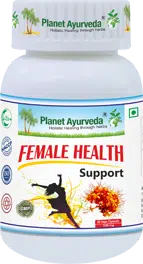
Female Health Support Capsules
These capsules of Planet Ayurveda contain Ashoka (Saraca asoca), Lodhra (Symplocos racemosa), and Shatavari (Asparagus racemosus). These ingredients are effective for female reproductive-related problems in the following ways:
1. Ashoka (Saraca asoca)
Ashoka is rich in flavonoids such as quercetin, kaempferol, and polyphenols like catechins and epicatechin, which exhibit strong phytoestrogenic and antioxidant activity. These compounds help in regulating estrogen levels and stabilising the endometrium, thereby reducing excessive menstrual bleeding. The presence of tannins provides astringent action, supporting uterine tone and controlling discharge. Additionally, its anti-inflammatory components help reduce prostaglandin-mediated uterine pain, making it effective in dysmenorrhea.
2. Lodhra (Symplocos racemosa)
Lodhra contains active constituents such as loturine, colloturine (alkaloids) and flavonoids, along with a high content of tannins. These compounds contribute to its strong astringent and anti-inflammatory properties, which help in tightening uterine tissues and reducing abnormal vaginal discharge and bleeding. The flavonoids also exhibit hormone-modulating effects, supporting estrogen balance. Its antimicrobial phytochemicals further aid in maintaining vaginal health and preventing infections.
3. Shatavari (Asparagus racemosus)
Shatavari is primarily known for its steroidal saponins (Shatavarins I–IV), which act as natural phytoestrogens and help in regulating female hormones. These compounds enhance ovarian function, support follicular development, and improve fertility. It also contains isoflavones, alkaloids, and mucilage, which provide antioxidant and adaptogenic effects, reducing oxidative stress and hormonal imbalance. The presence of these bioactive constituents also supports lactation and nourishes reproductive tissues.
Dosage
1 Capsule twice daily with plain water, after meals
Conclusion
Saraca asoca serves as a potent bio-mechanical regulator that specifically targets the female reproductive system by harmonising the hormonal HPO axis and strengthening uterine tissue. Its rich phytochemical profile of ketosterols and tannins provides a dual-action benefit: it acts as a uterine sedative to alleviate pain while functioning as a natural astringent to control excessive bleeding. By mimicking the body’s own signalling molecules, it offers a sophisticated, plant-based alternative to synthetic stabilisers for conditions like PCOS and endometriosis. Ultimately, the “True Ashoka” facilitates a return to internal equilibrium, validating its ancient reputation through the lens of modern molecular biology.
Was this Page Helpful?