
Spinocerebellar Ataxia Type 12 (SCA12) – Causes, Symptoms, Treatment & Herbal Remedies
Abstract
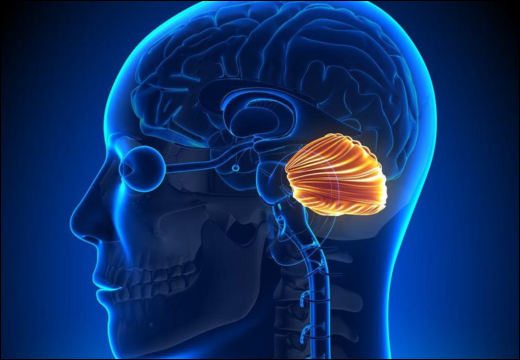
Neurodegenerative disorders affecting coordination and motor control often present diagnostic and therapeutic challenges due to their progressive and inherited nature. Spinocerebellar Ataxia (SCA) is a collective term used for a group of inherited neurodegenerative disorders that primarily affect the cerebellum and its connected neural pathways. The cerebellum is the part of the brain responsible for coordination, balance, precision of movement and fine motor control. In SCA, gradual degeneration of cerebellar neurons leads to progressive dysfunction of these systems over time. The condition is considered progressive that means it worsens gradually over years. So let’s see it in detail and how to manage it.
Introduction
There are over 35 types of spinocerebellar ataxia and one of its types is spinocerebellar ataxia type 12 (SCA12) is a rare, autosomal dominant disorder and progressive neurodegenerative disorder that primarily affects movement and coordination. It stands out among spinocerebellar ataxias due to its early hallmark of action tremor rather than gait instability. The disease is marked by a slowly progressive course and is often dominated by action tremor, particularly of the hands, which may precede gait imbalance by several years. Because of this atypical onset, SCA-12 is frequently misdiagnosed as essential tremor or Parkinsonian tremor in its early stages. It commonly develops in the 30 – 50 years of age.
Causes
It is a genetic disorder inherited in an autosomal dominant pattern and is caused by a CAG trinucleotide repeat expansion in the PPP2R2B gene, located on chromosome 5. This gene plays a regulatory role in neuronal signaling pathways by encoding a subunit of protein phosphatase 2A, an enzyme essential for maintaining neuronal stability and function and expansion beyond the normal range disrupts normal gene regulation leading to altered neuronal communication.
Symptoms
Early Changes Include
- Action tremor of hands (most characteristic feature)
- Tremor during writing, eating, or fine motor tasks
- Mild imbalance or unsteadiness
- Subtle changes in handwriting
Progressive Changes Include
- Gait ataxia (difficulty walking on uneven surfaces)
- Limb incoordination
- Slurred or scanning speech (dysarthria)
- Intention tremor
- Difficulty with precise hand movements
Signs
- Postural and kinetic tremor of the upper limbs.
- Incoordination on finger to nose and heel to shin testing.
- Broad based, cautious gait.
- Difficulty performing rapid alternating movements.
Diagnosis
- The diagnosis of SCA-12 requires a combination of clinical evaluation, family history, neuroimaging and genetic testing.
- Magnetic Resonance Imaging (MRI) may show cerebellar atrophy but can be normal in early stages.
- Genetic testing for PPP2R2B CAG repeats via PCR or Southern blot.
Treatment
Treatment is primarily symptomatic and supportive that focuses on reducing symptom severity, maintaining function and improving quality of life like:
- Physiotherapy to improve balance and coordination
- Occupational therapy for adaptive techniques and assistive devices
- Speech therapy for dysarthria and communication support
- Beta-blockers (e.g. propranolol, primidone) for action tremor
- Antidepressants for mood disorders
- Medications for anxiety when required
Ayurvedic Overview
In Ayurveda naming of each disease is not possible as there are unlimited diseases and we can correlate it on the basis of dosha, dhatu (tissue) involvement. So in this disease it can be seen that there is dominance of vata dosha along with Beej Dushti (gene defects) and that also involves further depletion of dhatu (tissues), especially majja dhatu (bone marrow and nervous system) that is present in the central nervous system. As the age increases vata dominates the body and along with beej dushti (gene defects) it manifests in the 30s and 50s of age and since this is due to beej dushti (gene defects) and as per ayurveda these conditions have no cure but can be very manageable with various herbs and procedure. The treatment protocol is mainly vata shamak (vata pacifying), brihaniya (nourishing) and rasayana (rejuvenation).
Herbs That Can Be Used
- Brahmi (Bacopa monnieri) enhances cognition and coordination via antioxidant effects on brain cells, easing dysarthria and cognitive decline in SCA-12.
- Ashwagandha (Withania somnifera) strengthens nerves and muscles as a Balya Rasayana (strengthening and rejuvenating), countering ataxia progression with its withanolides that protect against oxidative damage.
- Kapikachhu (Mucuna pruriens) supplies natural L-DOPA for motor control mimicking benefits in parkinsonism-like SCA12 features.
- Jatamansi (Nardostachys jatamansi) calms Vata thus is helpful in tremors and stabilizes mood.
- Vacha (Acorus calamus) improves speech clarity and nerve conduction.
- Bala (Sida cordifolia) improves strength of nerves and muscles useful in gait instability.
Panchkarma Procedures
- Shastika Shali Pinda Sweda (rice bolus massage) applies warm herbal rice poultices to bolster muscles and coordination which helps in gait issues.
- Basti (Medicated Enema) is considered the primary treatment for vata disorders. Anuvasana (oil based) and Niruha (decoction based) basti help regulate vata dosha, support nervous tissue, improve gait, reduce tremors and strengthen muscles.
- Abhyanga (Oil Massage) full body massage with Vata pacifying medicated oils (e.g., Bala Taila, Ksheerabala Taila) improves circulation, calms neuromuscular excitability and reduces tremors and stiffness.
- Shirodhara (Continuous pouring of medicated oil on the forehead) stabilizes Vata dosha, improves mental clarity, reduces tremors and supports speech and coordination.
- Marsha Nasya (nasal oil drops) targets brain channels, enhancing speech, cognition and mood stability in SCA-12.
- Sarvanga Parisheka (medicated oil pouring) using Dashamoola Kwath helps in easing hyperreflexia and promoting relaxation.
Herbal Remedies for Spinocerebellar Ataxia by Planet Ayurveda
Planet Ayurveda is an Indian Ayurvedic healthcare company that offers herbal formulations based on classical Ayurvedic principles. Founded with the aim of promoting natural and holistic healing, it combines traditional Ayurvedic knowledge with modern quality standards. The brand provides 100% vegetarian and chemical-free herbal products.
Product List
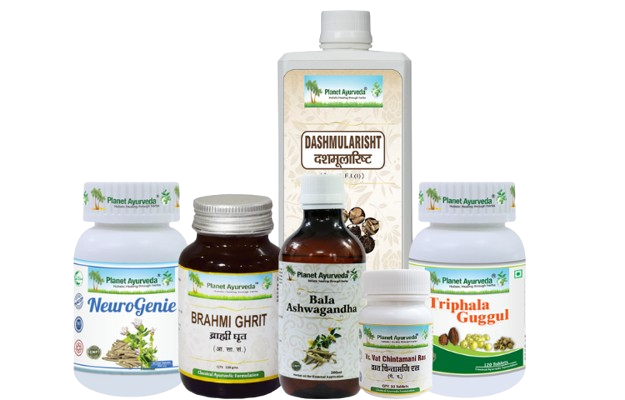
- Vrihat Vatchintamani Ras
- Neurogenie Capsules
- Dashmularisht
- Brahmi Ghrit
- Bala Ashwagandha Tailam
- Triphala Guggul
Product Description
1. Vrihat Vatchintamani Ras
It is a classical tablet herbo-mineral formulation which contains Swarna Bhasma (Gold calx), Rajat Bhasma (Silver calx), Pravala Bhasma (Coral calx), etc. which helps in strengthening dhatu (tissue), improving nerve conduction, reducing Kampa (tremors), enhancing coordination and supporting speech and gait functions. It has Madhura (sweet) and Tikta (bitter) rasa along with Ushna virya (hot potency) that helps to alleviate the aggravated Vata, and Madhura vipaka (Sweet post digestion effects) that supports tissue nourishment and regeneration.
Dosage: 1 tablet twice a day with warm water after meals.
2. Neurogenie Capsules
A capsule formulation which consists of Brahmi (Bacopa monnieri) and Ashwagandha (Withania somnifera). It helps in nourishing the nervous system, calming neuromuscular excitability, supporting coordination, speech and cognitive stability, and reducing stress related to aggravation of Vata dosha.
Dosage: 1 capsule twice daily with warm water after meals.
3. Dashmularisht
A fermented tonic consisting of Bilva (Aegle marmelos), Patla (Stereospermum suaveolens), Shalparni (Desmodium gangeticum), Agnimanth (Premna integrifolia) and others. It has anti-inflammatory and pain relieving properties, beneficial in backache, sciatica and rheumatoid-like joint pains seen in advanced stages. It helps pacify Vata Dosha and boosts overall strength and vitality.
Dosage: 20 mL twice daily after meals with plain water.
4. Brahmi Ghrit
A classical Ayurvedic formulation containing Brahmi (Bacopa monnieri), Vacha (Acorus calamus), Kutha (Saussurea lappa), Shankhpushpi (Convolvulus pluricaulis) and Cow’s Ghee. Its lipophilic nature helps in crossing the blood-brain barrier to deliver neuroprotective bacosides that reduce action tremors, improve gait ataxia, enhance cognitive function and alleviate dysarthria and depression. Improves mental clarity and counters neuropsychiatric issues like anxiety or mild dementia.
Dosage: 1 spoonful with warm water after meals.
5. Bala Ashwagandha Tailam
An oil preparation containing Bala (Sida cordifolia), Ashwagandha (Withania somnifera), and sesame oil. It supports circulation, calms neuromuscular excitability, and strengthens muscles and nerves, contributing to improved functional capacity and quality of life in patients with SCA-12. Helps build muscle tone and nerve strength to counter progressive debility and spasms.
Indications: Take a sufficient amount of taila and apply locally.
6. Triphala Guggul
A classical Ayurvedic tablet formulation consisting of Haritaki (Terminalia chebula), Bibhitaki (Terminalia bellerica), Amalaki (Emblica officinalis) and Guggul (Commiphora mukul). It helps balance Vata and Kapha doshas, reduces inflammation, detoxifies the body to ease joint stiffness and muscle weakness. Its antioxidant properties protect brain cells from degeneration and lower neuroinflammation.
Dosage: 2 tablets twice daily with warm water after meals.
Conclusion
Spinocerebellar Ataxia Type 12 is a rare inherited neurodegenerative disorder with a distinctive tremor dominant presentation and a slowly progressive course. Although the genetic nature of the disease limits the possibility of curative treatment, timely diagnosis and structured management can preserve functional ability and independence. Symptom-based medical care, rehabilitation therapies, and psychological support are important for patient management. According to Ayurvedic perspective, SCA-12 is a Vata dominant disorder affecting Majja Dhatu with underlying Beeja Dushti. Treatment aims to slow progression, reduce tremors and improve coordination through Vata shamana (pacifying Vata dosha) and Brimhana (nourishing) therapies including Abhyanga (massage), Shirodhara (Oil pouring on head) and especially Basti Chikitsa (Enema therapy).