


Tympanometry Test – Ayurvedic Insight, Benefits & Ear Support Herbs
Abstract
Tympanometry is an objective, non-invasive audiological procedure used to evaluate the functional status of the middle ear system, including the tympanic membrane (eardrum) and the ossicular chain. Unlike pure-tone audiometry, which measures a patient’s ability to hear, tympanometry measures the compliance (mobility) of the eardrum in response to varying air pressure. It is the clinical gold standard for identifying middle ear pathologies such as otitis media with effusion, Eustachian tube dysfunction, and ossicular chain discontinuity. This article explores the biophysical basis, procedural methodology, and clinical diagnostic utility of tympanometry.
Introduction
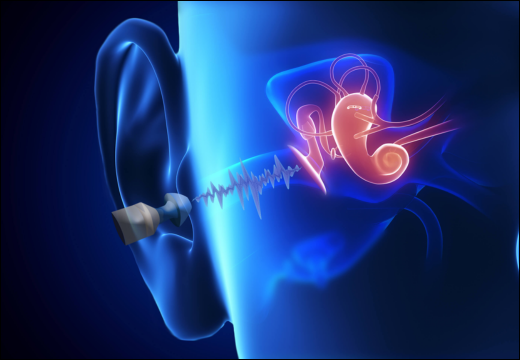
The middle ear is a complex mechanical amplifier. The eardrum and the ossicles must be able to move freely, for sound to be efficiently transferred from the air-filled ear canal to the fluid-filled inner ear. When this system becomes blocked by fluid, scarred by infection, or stiffened by disease, sound energy is reflected back rather than transmitted inward, leading to conductive hearing loss. Tympanometry serves as a mechanical “stress test” for the ear. By applying controlled air pressure to the external ear canal and measuring how much sound energy is accepted by the eardrum, clinicians can map the mechanical health of the middle ear space without requiring the patient to speak or respond.
Scientific Principle Behind The Test
Tympanometry is based on the principles of Acoustic Admittance and Impedance.
- Impedance: This is the opposition to the flow of sound energy. A stiff or fluid-filled eardrum has high impedance, meaning it does not vibrate well.
- Admittance: This is the ease with which sound energy flows through the system. A healthy, mobile eardrum has high admittance.
- Pressure Manipulation: The tympanometer creates an airtight seal in the ear canal. It then varies the air pressure (from positive to negative) while playing a constant low-frequency tone (usually 226 Hz).
- The “Sweep”: When the air pressure in the ear canal equals the pressure in the middle ear, the eardrum is at its most mobile point (maximum compliance). The machine measures how much sound energy is absorbed at this peak.
Key Components Of The Test
A tympanometer consists of three primary components housed within a handheld probe:
- Air Pump: A precise mechanism that creates controlled pressure changes in the ear canal, usually ranging from +200 to -400 decaPascals (daPa).
- Speaker: A sound generator that emits a continuous probe tone.
- Microphone: A sensor that measures the intensity of the sound reflected back from the eardrum.
- Sealing Tip: A soft, disposable rubber or silicone tip that ensures an airtight environment in the ear canal, which is essential for accurate pressure readings.
What Is The Procedure?
Tympanometry is a brief, objective procedure often completed in less than a minute.
- Preparation: The clinician inspects the ear canal with an otoscope to rule out earwax blockage or foreign objects that could interfere with the probe seal.
- Insertion: A soft tip is placed in the ear canal, and the clinician ensures a tight, airtight seal.
- Pressure Sweep: The patient is instructed to remain silent and avoid swallowing or yawning, as these movements can alter middle ear pressure.
- Data Capture: The device automatically varies the pressure and records the eardrum’s “compliance” (movement). The resulting graph is called a Tympanogram.
Interpretation Of The Test
The results are displayed on a graph (Tympanogram) with pressure on the horizontal axis and compliance on the vertical axis. Interpretation follows the Jerger classification system:
- Type A (Normal): A bell-shaped curve with a peak at or near 0 daPa. It indicates a healthy eardrum and clear, air-filled middle ear space.
- Type B (Flat): A flat, horizontal line with no peak. It indicates a stiff, non-compliant system, usually caused by fluid behind the eardrum (otitis media) or a perforation.
- Type C (Negative Pressure): A peak shifted to the left (negative pressure). It indicates a retracted eardrum due to Eustachian Tube Dysfunction, commonly seen during the early or resolving stages of a cold or sinus infection.
- Type As/Ad: “As” represents a shallow peak (stiffness, e.g., otosclerosis), while “Ad” represents an unusually high peak (flaccidity, e.g., ossicular dislocation).
Health Issues Where Tympanometry Is Advised
Tympanometry is essential for diagnosing:
- Otitis Media with Effusion (OME): “Glue ear” or fluid buildup in children.
- Eustachian Tube Dysfunction: Feeling of “popping” or blockage in the ear during altitude changes.
- Tympanic Membrane Perforation: A hole in the eardrum.
- Cholesteatoma: An abnormal growth in the middle ear that can stiffen the system.
- Otosclerosis: A condition where the small bones of the ear fuse together, preventing vibration.
Factors Affecting The Results Of Tympanometry
- Poor Seal: If the rubber tip doesn’t create an airtight seal, the machine cannot adjust pressure, leading to an inaccurate or invalid test.
- Patient Behavior: Swallowing, talking, or crying during the test changes the pressure in the middle ear, distorting the graph.
- Earwax (Cerumen): An accumulation of wax against the eardrum can make the system appear “stiff,” leading to a false Type B or As reading.
- Large Canal Volume: If the ear canal is larger than normal (e.g., due to a perforation), the machine must compensate to get an accurate reading.
Advantages Of The Test
- Objective: It requires zero patient input, making it perfect for toddlers, infants, or non-verbal patients.
- Speed: It provides immediate diagnostic data regarding middle ear health.
- Non-invasive: It requires no needles or medication.
- Differential Diagnosis: It helps distinguish between hearing loss caused by inner ear (nerve) problems versus conductive (mechanical) middle ear problems.
Ayurveda Insight
In Ayurveda, middle ear health is deeply connected to Vata Dosha, which governs all movement, and Kapha Dosha, which governs fluid balance.
- Pathology Of Stagnation: Middle ear fluid (OME) is viewed as Kaphaja Karnashoola, an accumulation of sticky, excessive moisture due to impaired metabolic fire (Agni).
- Eustachian Dysfunction As Vata: The inability of the Eustachian tube to equalise pressure is seen as an imbalance of Prana Vayu and Udana Vayu, which govern the opening and closing of bodily channels.
- Srotorodha (Channel Blockage): The “flat” tympanogram (Type B) represents a complete Srotorodha (channel blockage) in the Karna Srotas.
Herbs Used For The Ear
1. Amla (Emblica officinalis)
Amla is considered Chakshushya (Good for eyes) and Indriya Balya (strengthening sensory organs) in Ayurveda and helps nourish Shravana Indriya (organ of hearing) by improving tissue vitality. It balances Pitta Dosha (metabolic energy) which is responsible for inflammatory conditions affecting ear structures. Amla also supports Rakta Dhatu (blood tissue), promoting proper nourishment to auditory nerves. From a modern perspective, Amla contains vitamin C, emblicanin A and B, and gallic acid which help reduce oxidative stress in cochlear hair cells. These antioxidants protect inner ear tissues from degeneration and noise-induced damage. Amla also helps maintain microcirculation in auditory pathways, supporting hearing clarity.
2. Guggul (Commiphora mukul)
Guggul is known in Ayurveda as Shothahara (anti-inflammatory) and Srotoshodhaka (channel purifier), which helps clear blockages in Karna Srotas (ear channels). It helps reduce Kapha accumulation that may lead to heaviness or blockage sensation in ears. Guggul also supports metabolic activity in auditory tissues and improves nerve communication. From a modern viewpoint, Guggul contains guggulsterones, diterpenoids, and essential oils that help reduce inflammation in middle ear tissues. These compounds may support auditory nerve function and reduce congestion affecting sound transmission. Guggul also promotes circulation, helping maintain proper oxygen supply to ear structures.
3. Ashwagandha (Withania somnifera)
Ashwagandha is described as Balya (strengthening) and Vatashamaka (Vata balancing), supporting Shravana Nadi (auditory nerves) in Ayurveda. It helps stabilise nerve impulses responsible for sound perception and reduces dryness in ear channels caused by Vata imbalance. Ashwagandha also enhances Majja Dhatu (nervous tissue) nourishment, improving auditory processing. From a modern perspective, Ashwagandha contains withanolides, sitoindosides, and alkaloids which provide neuroprotective effects. These compounds support auditory nerve regeneration and reduce stress-related auditory sensitivity. Ashwagandha also helps protect cochlear cells from inflammatory damage.
4. Brahmi (Bacopa monnieri)
Brahmi is categorised as Medhya Rasayana (brain rejuvenator) in Ayurveda and supports Shravana Indriya (hearing organ) by enhancing neural coordination. It helps maintain Tarpaka Kapha (nourishing fluid) which stabilises inner ear function and auditory perception. Brahmi also supports mental processing of sound and auditory adaptation. From a modern perspective, Brahmi contains bacosides, flavonoids, and alkaloids which improve neural signaling in auditory pathways. These compounds help protect inner ear neurons and improve auditory response. Brahmi also supports microvascular circulation, enhancing sound transmission efficiency.
Conclusion
Tympanometry is an indispensable diagnostic tool that provides a precise look at the mechanical health of the middle ear. By objectively measuring eardrum compliance, it allows clinicians to differentiate between fluid, stiffness, and structural integrity with unmatched speed and accuracy. While modern technology excels at measuring these mechanical thresholds, integrating these findings with a holistic understanding of systemic doshic balance ensures that the patient receives care that addresses both the physical blockage and the underlying metabolic environment.