


Embelia ribes Burm. f./ Vidanga/ Vayavidanga/ False Black Pepper
Abstract
Embelia ribes Burm.f., commonly known as Vidanga or Baibidanga, is a large scandent shrub belonging to the family Myrsinaceae and is widely distributed in the hilly regions of India up to an altitude of 1600 meters. It holds a prominent place in Ayurveda and has been described as the best Krimighna (anthelmintic) drug in Charaka Samhita. Vidanga is extensively mentioned in the classical Ayurvedic texts, including Charaka Samhita, Sushruta Samhita, and Ashtanga Hridaya. Besides Ayurveda, it is also utilised in Unani, Siddha, Tibetan, Folk, and Homoeopathic systems of medicine. The fruits of E. ribes were officially recognised as the botanical source of Vidanga in the Indian Pharmacopoeia in 1966. The dried berries are widely employed as ingredients in numerous traditional formulations due to their medicinal significance. Owing to its long history of therapeutic use, Vidanga continues to be valued as an important medicinal plant in traditional healthcare systems.
Classical references of Embelia ribes Burm. f./ Vidanga/ Vayavidanga/ False Black Pepper
- Bhavprakash Nighantu – Haritkyadi Varga
- Raj Nighantu – Pippalyadi Varga
Scientific Classification of Embelia ribes Burm. f./ Vidanga/ Vayavidanga/ False Black Pepper
- Kingdom: Plantae
- Phylum: Streptophyta
- Subphylum: Equisetopsida
- Class: Magnoliidae
- Order: Ericales
- Family: Myrsinaceae
- Genus: Embelia
- Species: Embelia ribes Burm.f.
Synonym of Embelia ribes Burm. f./ Vidanga/ Vayavidanga/ False Black Pepper
- Jantuhantri – Destroyer of parasites and worms; highly effective against worm infestations.
- Krimighna / Krimihara / Jantughni – Possesses potent anthelmintic properties and helps eliminate intestinal worms.
- Chitratandula – Refers to the seeds having a characteristic spotted or streaked appearance resembling marked rice grains.
- Shweta Tandula – Indicates the presence of white spots on the seeds, giving them a rice-like appearance.
- Vata Tandula – The seeds resemble rice grains in shape and appearance.
- Amogha / Anogha – Means “unfailing” or “highly effective,” highlighting its reliable action against parasitic infestations.
- Vella – Denotes the plant’s climbing or scandent nature with slender and delicate branches.
- Kairali – Signifies its widespread use and recognition in the Kerala region.
- Mrigagamini – Traditionally used in veterinary medicine for the treatment of animals.
- Kirita – Indicates that the plant is commonly found in hilly and mountainous regions.
- Vara – Means “excellent” or “superior,” reflecting its esteemed medicinal value.
- Gahvara – Refers to its occurrence in dense forests, secluded places, or deep wooded areas.
Vernacular Names of Embelia ribes Burm. f./ Vidanga/ Vayavidanga/ False Black Pepper
- Sanskrit: Vidanga, Krimighna
- English: Embelia, Embelia Fruit, False Black Pepper, White-Flowered Embelia
- Hindi: Vayavidanga, Vaividang, Bhabhiranga, Baberang, Baibidang
- Bengali: Vidang, Bidang, Biranga
- Assamese: Vidang
- Gujarati: Vavding, Vavading, Vayavadang, Bavadan
- Marathi: Vavading, Vavding, Bavidang, Ambti, Karkunnie
- Punjabi: Bidanga, Vidanga, Bavidang, Babrung
- Oriya (Odia): Vidanga, Bidanga
- Kannada: Vayuvilanga, Vayuvidanga, Vayu-Vilanga, Vayi-Vulanga
- Tamil: Vayuvilangam, Vayu Vidanga, Vilanga, Vellal
- Telugu: Vayuvidangalu, Vidangamu
- Malayalam: Vizhalari, Vizalari, Vijhala
- Kashmiri: Babading
- Urdu: Baobarang, Babrang
Habitat of Embelia ribes Burm. f./ Vidanga/ Vayavidanga/ False Black Pepper
Embelia ribes Burm.f. is a woody climbing shrub commonly found in semi-evergreen and deciduous forests. It grows naturally in the hilly regions of India, particularly in the Central and Lower Himalayas, up to an altitude of about 1,500 meters. The plant is widely distributed across Arunachal Pradesh, Assam, West Bengal, Odisha, Andhra Pradesh, Madhya Pradesh, and other parts of India. Beyond India, its distribution extends to Sri Lanka, Southern China, Singapore, Indonesia, East Africa, and the Malayan region. It thrives in warm, humid environments and is commonly found in forested areas and hill slopes.
Morphology of Embelia ribes Burm. f./ Vidanga/ Vayavidanga/ False Black Pepper
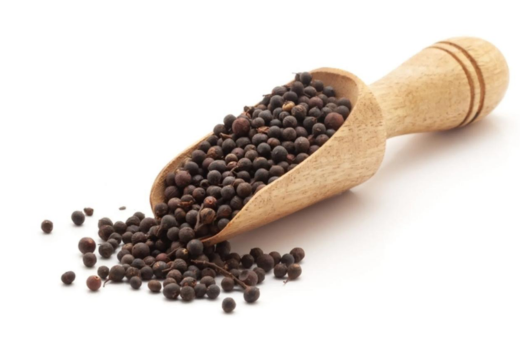
Embelia ribes Burm.f. is a large scandent or climbing shrub with long, slender, flexible branches and bark that is whitish-grey to brownish-grey, marked with numerous lenticels. The roots are brownish-grey with fine reddish rootlets. Its leaves are simple, alternate, coriaceous, elliptic to elliptic-lanceolate, measuring about 5–14 cm in length and 2–4 cm in width, with entire margins, a short acuminate apex, and a glabrous, glossy surface bearing minute reddish glandular dots. The flowers are small, pentamerous, white to greenish-yellow, and borne in terminal or axillary panicled racemes. The fruit is a small globose to sub-globose berry, about 2–4 mm in diameter, smooth and succulent when fresh but becoming wrinkled on drying, with a persistent style at the apex. The seeds are reddish, enclosed within a brittle pericarp and a thin membrane, horny in texture, depressed at the base, and contain a ruminated endosperm. The fruits possess an aromatic, astringent, and slightly pungent taste due to the presence of resinous constituents.
Varieties of Embelia ribes Burm. f./ Vidanga/ Vayavidanga/ False Black Pepper
Embelia tsjeriam-cottam A. DC. is regarded by some authorities as a variety or substitute of Vidanga and is often found mixed with the fruits of Embelia ribes in the herbal market. It possesses properties similar to Vidanga and is considered carminative, anthelmintic, detoxifying, anti-inflammatory, and rejuvenative (Rasayana). The fruits are particularly valued for their ability to destroy intestinal worms. Traditionally, a decoction of the plant along with Anantamoola (Hemidesmus indicus) is administered in cases of cervical lymphadenitis (Gandamala), while a paste prepared with cold water is applied externally over swollen glands. The fruit powder mixed with asafoetida is used to relieve toothache by placing it in the affected tooth cavity, and both the fruit and root bark are incorporated into herbal tooth powders. A decoction of the tender leaves with dry ginger is employed as a gargle for throat inflammation, mouth ulcers, and oral wounds. In pneumonia and other chest disorders, the bark is boiled with rice gruel and administered internally, while a paste of the bark is applied externally to the chest. A paste of the fruits mixed with butter is traditionally applied over the chest in pleurisy and over the forehead in headaches.
Special Note
Another plant, Myrsine africana Linn., is sometimes referred to as Vidanga in certain regions; however, it does not possess the classical properties attributed to true Vidanga in Ayurvedic texts. Considerable confusion exists regarding the authentic source of Vidanga. In traditional markets, small reddish seeds resembling coriander are commonly sold under the name Vayavidanga and are widely used by practitioners. Some modern scholars have suggested that the classical Vidanga described in Ayurvedic literature may actually be a different drug, such as Nadihingu, while others have identified it with the fruits of Kampilla. As a result, Vayavidanga has often been considered a controversial or doubtful drug. Nevertheless, the traditionally used Vidanga continues to exhibit the classical anthelmintic, digestive, and metabolic-enhancing properties described in Ayurveda. Therefore, its continued use in medicinal preparations is considered appropriate, and the synonym “Chitratandula” is regarded as particularly applicable to this commonly used form of Vidanga.
Classical categorisation of Embelia ribes Burm. f./ Vidanga/ Vayavidanga/ False Black Pepper
- According to Charaka Samhita: Krimighna Mahakashaya (antihelminthic group), Kushtaghna Mahakashaya (group beneficial in skin diseases), and Truptighna Mahakashaya (group that alleviates excessive satiation and improves appetite).
- According to Dhanwantari Nighantu: Shatapushpadi Varga.
- According to Bhavprakash Nighantu: Haritkyadi Varga.
- According to Raj Nighantu: Pippalyadi Varga.
- According to Sushruta Samhita: Surasadi Gana and Pippalyadi Gana.
- According to Ashtanga Hridaya (Vagbhata): Surasadi Gana and Pippalyadi Gana.
Ancient Verse of Embelia ribes Burm. f./ Vidanga/ Vayavidanga/ False Black Pepper
पुंसि क्लीबे विडङ्गः स्यात्कृमिघ्नो जन्तुनाशनः ।
तण्डुलश्च तथा वेल्लममोघा चित्रतण्डुलः ॥
विडङ्गं कटु तीक्ष्णोष्णं रूक्षं वह्निकरं लघु ।
शूलाध्मानोदरश्लेष्मकृमिवातविबन्धनुत् ॥ (Bhavprakash Nighantu Haritakyadi varga 111-112)
Vayavidanga is known by several synonyms, including Vidanga, Krimighna, Jantunashana, Tandula, Vella, Amogha, and Chitratandula. The term Vidanga is used in both masculine and neuter genders in Sanskrit literature. According to Ayurveda, Vayavidanga possesses a pungent (Katu) taste, sharp (Tikshna) nature, and hot potency (Ushna Virya). It is dry (Ruksha) in quality and light (Laghu) both in its inherent properties and after digestion. Therapeutically, it is beneficial in relieving abdominal pain (Shoola), abdominal distension (Adhmana), abdominal disorders (Udara Roga), Kapha disorders, intestinal worm infestations (Krimi), Vata disorders, and constipation (Vibandha). It is especially valued for its potent anthelmintic and digestive actions.
विडङ्गं कृमिहा चैत्रातण्डुला तण्डुलीयका ।
वातारिस्तण्डुला प्रोक्ता जन्तुघ्नी मृगगामिनी ॥
कैरली गहराऽमोघा कपाली चित्रतण्डुला ।
वरा सुचित्रबीजा च जन्तुहन्त्री च षोडशा ॥
विडङ्गं कटुरुष्णं च लघुवातकफार्तिनुत् ।
अग्निमान्द्यारुचिभ्रान्ति-कृमिदोषविनाशनी ॥ (Raj Nighantu Pippalyadi varga 48-50)
The Ayurvedic herb Vidanga (Embelia ribes Burm. f., from the family Myrsinaceae) is highly celebrated in classical texts like B.T., Cakradutta, and Vanga Sen, and is known by sixteen distinct synonyms (names) which reflect its identity and therapeutic properties: Vidanga, Krimiha, Caitra, Tandula, Tanduliyaka, Vataris-tandula, Jantughni, Mrigagamini, Kairali, Gahara, Amogha, Kapali, Citratandula, Vara, Sucitrabija, and Jantuhantri. Pharmacologically, Vidanga possesses a Katu (pungent) taste and Ushna (hot) potency. It is Laghu (light to digest) and effectively pacifies imbalances of the Vata and Kapha doshas. Furthermore, it is a potent therapeutic agent used to completely destroy and cure ailments such as Agnimandya (weak digestive fire/dyspepsia), Aruchi (anorexia/loss of appetite), Bhranti (dizziness/vertigo), and Krimi-dosha (intestinal worm infestations or microbial infections).
विडङ्गं जन्तुहन्त्री च कृमिघ्नी चित्रतण्डुला ।
तण्डुली कृमिहाऽमोघा कैरली मृगगामिनी ॥
रूक्षोष्णं कटुकं पाके लघु वातकफापहम् ।
ईषत्तिक्तं विषान् हन्ति विडङ्गं कृमिनाशनम् ॥ (Dhanwantari Nighantu Shatapushpadi varga 11-12)
The Ayurvedic medicinal plant Vidanga (Embelia ribes Burm. f., belonging to the family Myrsinaceae) is recognised in this text by nine distinct synonyms (names) that reflect its identity and actions: Vidanga, Jantuhantri, Krimighni, Citratandula, Tanduli, Krimiha, Amogha, Kairali, and Mrigagamini. In terms of its pharmacological properties and energetics, Vidanga is characterised as being Ruksha (dry), Ushna (hot in potency), Katuka in taste and post-digestive effect (Paka), Laghu (light to digest), and Ishat-tikta (slightly bitter). Due to these potent qualities, it effectively pacifies and removes imbalances of the Vāta and Kapha doshas, acts as a powerful antidote that destroys Viṣa (poisoning), and functions crucially as Kriminashanam, which cures and eradicates worm infestations.
Ayurvedic properties of Embelia ribes Burm. f./ Vidanga/ Vayavidanga/ False Black Pepper
- Taste (Rasa): Pungent (Katu)
- Physical Property (Guna): Light (Laghu), Sharp (Teekshna)
- Potency (Veerya): Hot Potency (Ushna)
- Post-Digestion Effect (Vipaka): Katu (Pungent)
- Effect on Tridosha: Balances Vata and Kapha Dosha
Therapeutic Indications of Embelia ribes Burm. f./ Vidanga/ Vayavidanga/ False Black Pepper
- Sara: Facilitates the smooth movement of intestinal contents and supports bowel evacuation.
- Krimihara: Effective in eliminating intestinal worms and parasitic infestations.
- Krimikushthahara: Beneficial in managing skin disorders associated with infections and parasites.
- Pramehahara: Useful in the management of Prameha, including diabetes and urinary disorders.
- Shirorogahara: Helps alleviate headaches and other disorders of the head.
- Vahnikara: Enhances digestive fire (Agni) and stimulates appetite.
- Shulahara: Relieves abdominal colic and pain.
- Adhmanahara: Reduces bloating, flatulence, and abdominal fullness.
- Udarahara: Beneficial in abdominal enlargement, distension, and ascites.
- Shleshma-Krimihara: Effective against worm infestations associated with aggravated Kapha Dosha.
- Vatahara: Helps pacify and balance aggravated Vata Dosha.
- Vibandhanut: Relieves constipation and promotes regular bowel movements.
- Artinut: Provides relief from various types of pain and discomfort.
- Agnimandyahara: Improves weak digestion and corrects diminished digestive power.
- Aruchihara: Helps overcome loss of appetite and anorexia.
- Vibhrantihara: Assists in reducing dizziness and mental disorientation.
Systemic actions of Embelia ribes Burm. f./ Vidanga/ Vayavidanga/ False Black Pepper
External Use
Possesses antimicrobial properties and helps eliminate aggravated doshas from the head and neck region. The powder is used as Pradhamana Nasya in disorders such as headache, sinusitis, rhinitis, and jaundice. The paste is applied externally in various skin diseases, while a decoction of the seeds is used as a mouthwash for toothache, dental caries, and oral infections.
Internal Uses
- Digestive System: Considered one of the best Krimighna (anthelmintic) herbs. It acts as a carminative, digestive stimulant, and promotes the proper movement of Vata. It is useful in worm infestations, vomiting, abdominal colic, poor digestion, loss of appetite, abdominal distension, flatulence, and constipation.
- Circulatory System: Acts as a blood purifier (Rakta Shodhaka) and is beneficial in conditions such as lymphadenopathy and glandular swellings.
- Excretory System: Useful in dysuria and urinary disorders. It promotes urine flow and helps maintain the normal acidic nature of urine.
- Reproductive System: Exhibits uterine stimulant activity and is traditionally used in postpartum care. It may reduce sperm count and decrease breast milk secretion when used in excess.
- Skin (Tvak): Possesses Varnya and Kushtaghna properties, helping maintain a healthy skin complexion and supporting the management of various skin disorders.
- General Health (Satmikarana): Acts as a rejuvenative (Rasayana) that enhances strength, vitality, and immunity, particularly in children with poor physical development and low resistance to illness.
Chemical composition of Embelia ribes Burm. f./ Vidanga/ Vayavidanga/ False Black Pepper
- Embelin (2,5-dihydroxy-3-undecyl-2,5-cyclohexadiene-1,4-dione): Major bioactive constituent; appears as golden-yellow needle-shaped crystals, insoluble in water but soluble in alcohol, chloroform, and benzene.
- Christembine: Crystalline compounds of embelic acid with soda, potash, and ammonia.
- Embelin Dimer
- Embelin Disalts
- Embelinol
- Embeliaribyl Ester
- Embeliol
- Gomphilactone Derivative
- Homoembelin
- Homorapanone
- Monopotassium Embelate
- Novel Benzoquinone Compounds
- Nitrogen-Containing Alkyl 1,4-Benzoquinone
- Unusual Nitrogen-Containing 3-Alkyl-1,4-Benzoquinone Derivative
- N-(3-Carboxylpropyl)-5-amino-2-hydroxy-3-tridecyl-1,4-benzoquinone
- Quarvital: Approximately 1% of the fruit constituents.
- Quercitol
- Rapanone
- Resins
- Oleic Acid
- Linoleic Acid
- β-Sitosterol
- Fixed (Stable) Oil
- Tannins
- Daucosterol
- Vidangin: A colourless crystalline constituent.
- Vilangine
These phytoconstituents contribute to the anthelmintic, antimicrobial, antioxidant, anti-inflammatory, and digestive properties of Embelia ribes.
Actions and Properties of Various Chemical Constituents of Embelia ribes Burm. f./ Vidanga/ Vayavidanga/ False Black Pepper
Anthelmintic Activity
The potent anthelmintic (Krimighna) activity of Embelia ribes is primarily attributed to embelin, a quinone derivative chemically known as 2,5-dihydroxy-3-undecyl-1,4-benzoquinone. Embelin acts directly on intestinal parasites by disrupting their structural integrity, motility, and energy metabolism, leading to paralysis and eventual death of the worms. Studies have demonstrated its effectiveness against various gastrointestinal parasites, including roundworms and tapeworms. In addition to embelin, other phytoconstituents such as vilangin and christembine contribute to the herb’s antiparasitic and antimicrobial effects. The presence of tannins and volatile oils further supports intestinal health by exerting astringent actions that create an unfavourable environment for the growth and multiplication of parasites. Together, these compounds make Vidanga one of the most valued herbs in Ayurveda for the management of worm infestations.
For Skin Problems
The beneficial effects of Embelia ribes in skin disorders are mainly attributed to embelin, along with other bioactive compounds such as vilangine, flavonoids, and phenolic acids. Embelin exhibits strong antibacterial and antifungal activities against microorganisms associated with acne, folliculitis, and other skin infections. Its anti-inflammatory properties help reduce redness, swelling, itching, and irritation seen in conditions such as eczema, psoriasis, and dermatitis. The herb also promotes wound healing by enhancing epithelialization, tissue repair, and collagen formation, thereby improving the strength and appearance of healed skin. In addition, its antioxidant constituents neutralise free radicals and protect skin cells from oxidative damage, helping to delay premature ageing. Owing to these combined actions, Vidanga is traditionally valued in Ayurveda for maintaining healthy skin and managing a variety of dermatological disorders.
Neuroprotective Activity
The neuroprotective effects of Embelia ribes are primarily attributed to embelin, a phenolic benzoquinone compound, along with other constituents such as quercitol and tannins. Embelin is capable of crossing the blood-brain barrier and exerting direct effects on the central nervous system. It helps protect neurons from oxidative damage by scavenging free radicals and enhancing endogenous antioxidant defences. Studies have demonstrated its potential anticonvulsant activity, where it may help reduce seizure severity and support neurological function. Embelin also exhibits anxiolytic and neuroregulatory properties by influencing neurotransmitters such as serotonin, dopamine, and noradrenaline, thereby promoting mental well-being. Additionally, its anti-inflammatory and antioxidant actions may support cognitive function, memory, and overall brain health, making Vidanga a promising herb for nervous system support.
Anti-diabetic Activity
The anti-diabetic potential of Embelia ribes is mainly attributed to embelin, a bioactive benzoquinone compound, along with related constituents such as vilangin and 6-bromoembelin. Embelin helps regulate blood glucose levels by improving insulin sensitivity and enhancing the uptake of glucose by body tissues. Its potent antioxidant activity protects pancreatic β-cells from oxidative damage and supports their regeneration, thereby promoting normal insulin secretion. The compound also exhibits anti-inflammatory effects by reducing inflammatory mediators associated with insulin resistance and diabetic complications. Additionally, embelin helps regulate carbohydrate metabolism by decreasing hepatic glucose production and promoting glycogen storage in the liver. Through these combined actions, Vidanga may support the management of diabetes and its associated metabolic disorders.
Hepatoprotective Activity
The hepatoprotective activity of Embelia ribes is primarily attributed to embelin (2,5-dihydroxy-3-undecyl-1,4-benzoquinone), its major bioactive constituent. Embelin protects liver cells from oxidative stress by scavenging free radicals, reducing lipid peroxidation, and restoring endogenous antioxidant levels such as glutathione. It also exhibits significant anti-inflammatory effects by regulating inflammatory pathways and reducing liver tissue damage. Experimental studies have shown that embelin helps normalise elevated liver enzymes and supports recovery from toxin-induced liver injury. Additionally, it aids in reducing hepatic inflammation, cellular degeneration, and fatty changes in the liver. Through its antioxidant, anti-inflammatory, and tissue-protective actions, Vidanga may help maintain liver health and support the management of various hepatic disorders.
Anti-Obesity Activity
The anti-obesity effects of Embelia ribes are largely attributed to embelin, a bioactive benzoquinone compound with significant metabolic regulatory properties. Embelin helps prevent excessive fat accumulation by inhibiting the formation and storage of adipose tissue through the regulation of genes involved in fat metabolism. It also improves insulin sensitivity and enhances glucose utilisation by body cells, thereby supporting healthy metabolic function. In addition, embelin reduces chronic inflammation associated with obesity by modulating inflammatory pathways and promoting antioxidant defences. Studies have also shown its ability to lower cholesterol and triglyceride levels while reducing visceral fat deposition. Through these combined actions, Vidanga may contribute to weight management and help prevent obesity-related metabolic disorders.
Practical Uses / Health Benefits of Embelia ribes Burm. f./ Vidanga/ Vayavidanga/ False Black Pepper
Management of Worm Infestations (Krimi Roga)
Vidanga is considered one of the most effective Ayurvedic remedies for intestinal worms. The powder is traditionally administered with honey or curd, followed by a mild purgative such as castor oil to facilitate the expulsion of dead parasites. Its potent anthelmintic activity is mainly attributed to embelin (embelic acid) and related compounds.
Rasayana (Rejuvenative) Therapy
Vidanga is regarded as an excellent rejuvenative herb. Classical texts describe a regimen in which the kernel powder of Vidanga is taken with liquorice (Glycyrrhiza glabra) and cold water for one month. This therapy is believed to improve memory, concentration, digestion, and overall vitality while helping manage chronic disorders such as haemorrhoids, malabsorption syndrome, diabetes, skin diseases, respiratory ailments, ulcers, and recurrent infections.
Pediatric Uses
Vidanga is traditionally used in children for conditions such as abdominal distension, colic, indigestion, and poor appetite. It is often boiled in milk and administered to promote healthy digestion, growth, and general well-being. Combining it with Anantamoola (Hemidesmus indicus) is considered especially beneficial.
Lymph Node Enlargement (Gandamala)
A formulation containing Vidanga, Guggulu, purified Manashila, and Shringa Bhasma administered with honey and ghee has been traditionally used to support the management of glandular swellings and enlarged lymph nodes.
Skin Disorders
Both internal and external use of Vidanga is recommended in various skin diseases. A paste prepared from the herb is traditionally applied in fungal infections such as ringworm and other dermatological conditions.
Neurological Disorders
Vidanga processed with garlic and milk has been used in Ayurvedic practice for neurological conditions, including hemiplegia, convulsions, and epilepsy, owing to its supportive effects on the nervous system.
ENT and Head Disorders
Medicated oil prepared with Vidanga is used as Nasya (nasal administration) in sinusitis, chronic rhinitis, headaches, and migraine. External massage of the forehead with Vidanga-based preparations is also traditionally recommended for headache relief.
Poisonous Bites and Stings
Classical Ayurvedic literature mentions the use of Vidanga in the management of scorpion stings and snake bites as a supportive remedy.
Urinary and Digestive Benefits
The fresh juice of Vidanga is described as cooling, diuretic, and mildly laxative, helping promote proper urination and healthy bowel function.
Parts Used of Embelia ribes Burm. f./ Vidanga/ Vayavidanga/ False Black Pepper
- Fruit
- Root
Dosage of Embelia ribes Burm. f./ Vidanga/ Vayavidanga/ False Black Pepper
- Powder- 4-16 gms
Classical Products of Embelia ribes Burm. f./ Vidanga/ Vayavidanga/ False Black Pepper
- Krimikuthar Ras
- Punarnava Mandur
- Yograj Guggul
- Kaishore Guggul
- Avipattikar Churna
- Chandraprabha Vati
- Abhyarisht
- Medohar Vidangadi Loha
- Tapyadi Loha
- Chavyakarisht
- Mahamanjishthadi Kwath
- Mahakalyanaka Ghrit
- Maha Sudarshan Kwath
- Saptavinshati Guggul
- Sanjivani Vati
- Navayas Loha
- Kumaryasav
- Punarnavadi Guggul
- Kalmegh Navayas Loha
- Vyoshadi Gulgulu Gulika
- Vriddhi Vadhika Vati
- Sarv Jwarhara Loha
- Sarswatarisht
- Vidangarisht
- Agnitundi Vati
- Lohasasav
- Lodhrasav
- Pippalyasav
- Kalyanaka Ghrit
- Mahakhadir Ghrit
- Dashmularisht
Planet Ayurveda Products with Embelia ribes Burm. f./ Vidanga/ Vayavidanga/ False Black Pepper
- Punarnava Mandur
- Yograj Guggul
- Kaishor Guggul
- Avipattikar Churna
- Chandraprabha Vati
- Sarotovahi Capsules
- Abhyarisht
- Sri Anu Thailam
- Medohar Vidangadi Loha
- Tapyadi Loha
- Chavyakarisht
- Ki-Guggul Capsules
- Mahamanjishthadi Kwath
- Krimi Mukti Capsules
- Mahakalyanaka Ghrit
- Maha Sudarshan Kwath
- Weight Gain Formula
- Saptavinshati Guggul
- Sanjivani Vati
- Navayas Loha
- Vidanga Churna
- Kumaryasav
- Punarnavadi Guggul
- Kalmegh Navayas Loha
- Vyoshadi Gulgulu Gulika
- Vriddhi Vadhika Vati
- Sarv Jwarhara Loha
- Stholyantak Churna
- Sarswatarisht
- Vidangarisht
- Agnitundi Vati
- Lohasasav
- Lodhrasav
- Pippalyasav
- Kalyanaka Ghrit
- Mahakhadir Ghrit
- Dashmularisht
To buy our produts, please visit store.planetayurveda.com
Conclusion
Embelia ribes Burm.f. (Vidanga) is a highly valued medicinal plant in Ayurveda, renowned for its potent Krimighna (anthelmintic), Deepana (digestive stimulant), Rasayana (rejuvenative), and Kushtaghna (anti-skin disease) properties. Classical Ayurvedic texts regard it as one of the most effective remedies for eliminating intestinal parasites and improving digestive health. Modern research has identified bioactive compounds such as embelin, vilangin, and christembine, which contribute to its anthelmintic, antimicrobial, antioxidant, anti-inflammatory, hepatoprotective, neuroprotective, antidiabetic, and anti-obesity activities. In addition to its use in digestive and skin disorders, Vidanga has been traditionally employed in the management of neurological, respiratory, urinary, and lymphatic conditions. Due to its broad therapeutic potential and long history of safe traditional use, Vidanga continues to hold an important place in both classical Ayurveda and contemporary herbal medicine.