


Leptadenia reticulata (Retz.) Wight & Arn. / Jivanti / Cork Swallow Wort
Abstract
Leptadenia reticulata (Retz.) Wight & Arn., commonly known as Jivanti, is an important medicinal climber belonging to the family Apocynaceae. It is native to the Indian subcontinent. It is widely distributed in dry and semi-arid regions and has been extensively used in Ayurveda as a Rasayana (rejuvenative) herb. The plant is valued for its restorative, adaptogenic, tonic, and lactogenic properties, making it beneficial in promoting vitality and overall well-being. According to Ayurvedic principles, Jivanti balances all three Doshas (Vata, Pitta, and Kapha) and is traditionally indicated for managing general debility, fatigue, weakness, involuntary seminal discharge, and reduced vitality. It is also regarded as a natural stimulant and has been used in the management of snake bites. Due to its diverse therapeutic potential and rich phytochemical composition, Leptadenia reticulata continues to be an important medicinal plant in traditional and contemporary herbal medicine.
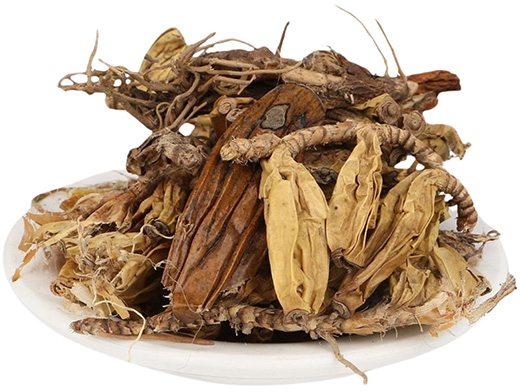
Classical references of Leptadenia reticulata (Retz.) Wight & Arn./ Jivanti/ Cork Swallow Wort
- Bhavprakash Nighantu Guduchyadi varga
- Raj Nighantu Guduchyadi varga
Scientific Classification of Leptadenia reticulata (Retz.) Wight & Arn./ Jivanti/ Cork Swallow Wort
- Kingdom: Plantae
- Class: Magnoliopsida
- Order: Gentianales
- Family: Apocynaceae
- Subfamily: Asclepiadoideae
- Tribe: Ceropegieae
- Subtribe: Leptadeniinae
- Genus: Leptadenia
- Species: Leptadenia reticulata (Retz.) Wight & Arn.
Synonym of Leptadenia reticulata (Retz.) Wight & Arn./ Jivanti/ Cork Swallow Wort
- Shakashresta – Considered an excellent vegetable and valued as a nutritious edible plant.
- Chakshushya – Beneficial for the eyes; helps improve and maintain vision.
- Jeevanti – The life-giving herb that promotes vitality and longevity.
- Jeeva – Bestows life and enhances overall health and strength.
- Jeevaneeya – Rejuvenative; nourishes the body and sustains life.
- Jeevaprushta – Restores vitality and strengthens the body.
- Arkapushpi – Named for its flowers, which resemble those of the Arka plant (Calotropis gigantea).
- Madhushwasa – Possesses a sweet fragrance or sweet-smelling exudate.
- Madhusrava – Produces a sweet-tasting milky latex or exudate.
- Mangalya – Considered auspicious and associated with good fortune.
- Suvarnajeevanti – The “golden Jivanti,” indicating its exceptional medicinal value and life-promoting properties.
- Payasvini – Rich in milky latex; also regarded as a galactagogue that supports lactation.
- Kulya – Promotes nourishment and overall well-being.
- Bhadra – Auspicious, beneficial, and health-promoting.
- Yashaskari – Bestows fame, prosperity, and a good reputation.
- Jivabhadra – Promotes life, health, and well-being.
- Putrabhadra – Traditionally believed to support fertility and healthy progeny.
- Mangalya – Symbolises auspiciousness and is considered beneficial for health and prosperity.
Vernacular Names of Leptadenia reticulata (Retz.) Wight & Arn./ Jivanti/ Cork Swallow Wort
- Sanskrit: Jivanti, Jeevaneeya, Jivaniya, Jivapushpa, Madhusrava
- Hindi: Dodi, Dori, Dodi Shak, Ranimoi, Chirvel
- English: Jivanti, Jeevanti, Leptadenia
- Gujarati: Dodi, Dodi Saka (Dodi Saag), Methidodi, Nahanidodi, Khirkhodi, Raidodi, Radarudi, Shinguti
- Marathi: Hiranvel, Haranvel, Gaganthjuti, Palkhevel
- Kannada: Hiriyahalle, Palatheege Balli
- Tamil: Palaikkodi, Paalaikeerai
- Telugu: Kalasa, Mukkutummu, Palatige
- Malayalam: Atapathiyan, Adapathiyan, Curinil
- Bengali: Bhadjivai
Habitat of Leptadenia reticulata (Retz.) Wight & Arn./ Jivanti/ Cork Swallow Wort
Leptadenia reticulata (Jivanti) is widely distributed throughout the tropical and subtropical regions of the Indian subcontinent. In India, it is found up to an altitude of 2,000 meters above sea level, particularly in Rajasthan, Gujarat, Punjab, the Himalayan foothills, Khasi Hills, Sikkim, the Deccan Plateau, the Konkan region, Karnataka, and Kerala. Outside India, the plant occurs in Nepal, Sri Lanka, Myanmar (Burma), Cambodia, the Malay Peninsula, the Philippines, Mauritius, Madagascar, and several tropical and subtropical regions of Africa. It thrives in areas with moderate rainfall and humidity, but also adapts well to dry and arid environments characterised by sandy soils, low organic matter, and limited rainfall. Field surveys have documented its natural occurrence across several districts of the Thar Desert in western Rajasthan, where it grows on lower hill slopes, open woodlands, hedges, and scrublands. Owing to its high medicinal value and increasing demand, Jivanti is also cultivated commercially in various parts of India.
Morphology of Leptadenia reticulata (Retz.) Wight & Arn./ Jivanti/ Cork Swallow Wort
Leptadenia reticulata (Jivanti) is a much-branched, slender, twining shrub belonging to the family Apocynaceae. It possesses a cylindrical stem measuring 5–10 cm in length and 0.5–2.5 cm in diameter, with a rough, longitudinally ridged, wrinkled, and furrowed surface bearing transverse cracks and elongated lenticels. The stem is whitish-brown externally and pale brown internally, while the bark is yellowish-brown, corky, and deeply fissured. The leaves are simple, ovate to cordate, 4–7.5 cm long and 2–5 cm wide, with an entire margin, acute to mucronate apex, symmetrical base, and a 1–3 cm long petiole; they are glabrous on the upper surface and pubescent beneath. The plant bears small greenish-yellow flowers arranged in many-flowered lateral or subaxillary cymes, which develop into sub-woody, turgid follicles. The roots are rough, white to buff-coloured, with prominent longitudinal ridges and furrows, measuring 3–10 cm in length and 1.5–5 cm in diameter, and show a broad cork and distinct medullary rays in transverse section. Flowering occurs during May and June, while fruiting takes place from October to November.
Special Note
There has long been controversy regarding the correct botanical identity of Jivanti, one of the important herbs described in Ayurveda. Based on the textual evidence presented above, the authors conclude that the herb referred to is the vegetable species known as Shakashreshta. However, different scholars have considered several plants as Jivanti, including Kshirajivanti, Harva, and Dirghajivanti, treating them as distinct varieties. Among these, Leptadenia reticulata W. & A. is considered the most appropriate and widely accepted botanical source of Jivanti. Some authorities have instead identified Dendrobium macraei as Jivanti, particularly the yellow-colored material available in the herbal market. Classical texts such as Ashtanga Sangraha (Su. 7/131) and various Nighantus describe two types of Jivanti. In the Raj Nighantu, one variety is referred to as Hema, while Bhavaprakasha Nighantu mentions it as Svarnavalli. On this basis, another species of Leptadenia may also be regarded as a secondary variety of Jivanti. It has additionally been considered a variety of Prasarini in certain traditional references. Some scholars have identified Dregea volubilis as Jivanti, which is locally known as Lakban in some regions and is occasionally used as its substitute. In Punjab, the name Jivanti has even been applied to Cimicifuga foetida, although botanically it is entirely different from the true Jivanti described in Ayurvedic literature. According to Shri Yadavji, the two accepted Latin botanical names are Leptadenia reticulata and Holostemma annulare, whereas Dr. Desai described Holostemma hirsutum as the authentic botanical source in his publication. These varying opinions reflect the historical differences among Ayurvedic scholars regarding the exact botanical identity of Jivanti.
Classical categorisation of Leptadenia reticulata (Retz.) Wight & Arn./ Jivanti/ Cork Swallow Wort
- According to Charaka Samhita: Harita Varga
- According to Kaiyadeva Nighantu: Aushadhi Varga
- According to Bhavprakash Nighantu: Haritkyadi varga
- According to Raj Nighantu: Mulakadi varga
- According to Charaka Samhita – Jeevaneeya Mahakashaya, Madhura Skandha, Vayasthapana Mahakashaya
- According to Sushruta Samhita – Kakolyadi Gana
- According to Ashtanga Hridaya (Vagbhata) – Jeevaneeya Gana
- According to Bhavaprakash Nighantu – Guduchyadi Varga
- According to Dhanvantari Nighantu – Guduchyadi Varga
- According to Kaiyadeva Nighantu – Aushadhi Varga
- According to Raj Nighantu – Guduchyadi Varga
Ancient Verse of Leptadenia reticulata (Retz.) Wight & Arn./ Jivanti/ Cork Swallow Wort
माङ्गल्यनामधेया च शाकश्रेष्ठा पयस्विनी॥
जीवन्ती शीतला स्वादुः स्निग्धा दोषत्रयापहा।
रसायनी बलकरी चक्षुष्या ग्राहिणी लघुः॥
(Bhavprakash Nighantu Guduchyadi varga 50-51)
Jivanti is known by several synonyms, including Jivani, Jiva, Jivaniya, Madhusrava, Mangalya, Shakashreshtha, and Payasvini. It is a cooling (Shitala), sweet-tasting (Madhura), and unctuous (Snigdha) herb that helps balance all three Doshas—Vata, Pitta, and Kapha. It is revered as a Rasayana (rejuvenative) herb that promotes longevity, enhances strength (Balya), supports eye health (Chakshushya), possesses absorbent (Grahi) properties that help regulate bowel function, and is light to digest (Laghu), making it valuable for maintaining overall health and vitality.
शाकश्रेष्ठा जीवभद्रा च भद्रा मङ्गल्या च क्षुद्रजीवा यशस्या॥
शृङ्गाटी जीवपृष्ठा च कार्शिका शशशिम्बिका।
सुपिङ्गलेति जीवन्ती ज्ञेया द्वादशनामभिः॥
जीवन्ती मधुरा शीता रक्तपित्तानिलापहा।
क्षयदाहज्वरान् हन्ति कफवीर्यविवर्धनी॥
(Raj Nighantu Guduchyadi varga 37-39)
Jivanti is known by various names such as Jivani, Jivaniya, Jiva, Jivya, Jivada, Jivadatri, Shakashrestha, Jivabhadra, Bhadra, Mangalya, Kshudra-jiva, Yashasya, Shringati, Jivapristha, Karshika, Shashashimbika, and Supingala. In terms of its medicinal properties, Jivanti is described as sweet in taste (madhura) and cooling in nature (shita); it effectively pacifies ailments related to vitiated blood, Pitta, and Vata (rakta-pitta-anila-apaha), alleviates wasting or consumption (kshaya), burning sensations (daha), and fevers (jvara), while simultaneously increasing phlegm or lubrication (kapha) and enhancing vitality or reproductive energy (virya-vivardhani).
माङ्गल्यनामधेया च शाकश्रेष्ठा यशस्करी॥
चक्षुष्या सर्वदोषघ्नी जीवन्ती मधुरा हिमा।
शाकानां प्रवरा न्यूना द्वितीया किंचिदेव तु॥
(Dhanwantari Nighantu Guduchyadi varga 136-137)
Jivanti is known by synonyms such as Jivaniya, Jivani, Jivavardhani, Mangalyanamadheya, Shakashrestha, and Yashaskari. Regarding its actions and therapeutic properties, the herb is beneficial for the eyes (chakshushya), pacifies all three doshas (sarva-doshaghni), tastes sweet (madhura), and possesses a cold potency (hima). It is highly celebrated as the best among leafy vegetables (shakanaam pravara), while a second variety exists that is considered slightly inferior in comparison.
Ayurvedic properties of Leptadenia reticulata (Retz.) Wight & Arn./ Jivanti/ Cork Swallow Wort
- Taste (Rasa)– Sweet (Madhur)
- Physical property (Guna) – Light (Laghu), Unctuous (Snigdha)
- Potency (Veerya) – Cold Potency (Sheet)
- Effect on tridosha– Balance Vata, Pitta and Kapha dosha
Therapeutic Indications of Leptadenia reticulata (Retz.) Wight & Arn./ Jivanti/ Cork Swallow Wort
- Rasayana – Promotes longevity and rejuvenation.
- Balya – Enhances strength and vitality.
- Chakshushya – Supports eye health and vision.
- Raktapittahara – Beneficial in bleeding disorders and blood-Pitta imbalance.
- Vatahara – Helps alleviate Vata-related disorders.
- Kshayahara – Useful in wasting and debility.
- Dahahara – Relieves burning sensations.
- Jvarahara – Helps manage fever.
- Grahi – Supports healthy bowel function and reduces excessive stools.
- Viryavardhaka – Enhances vitality and reproductive strength.
Systemic actions of Leptadenia reticulata (Retz.) Wight & Arn./ Jivanti/ Cork Swallow Wort
External Uses
The paste of Jivanti is applied externally to relieve burning sensation, soothe inflamed tissues, and support healing in inflammatory skin conditions.
Internal Uses
- Digestive System – Unctuous (Snigdha) and absorbent (Grahi); supports healthy digestion, helps manage abdominal dryness, abdominal distension, and malabsorption disorders.
- Circulatory System – Supports cardiovascular health and is beneficial in bleeding disorders (Raktapitta).
- Respiratory System – Useful in cough; helps liquefy and expel aggravated Kapha, promoting healthy respiratory function.
- Reproductive System – Acts as an aphrodisiac (Vrishya) and supports healthy breast milk production (Stanyajanana).
- Urinary System – Promotes healthy urine output; beneficial in dysuria, urinary tract infections (UTIs), and burning micturition.
- General Health (Satmikarana) – Acts as a Rasayana (rejuvenative), improves strength, vitality, and helps overcome general debility.
- Fever Management (Tapakrama) – Helps reduce fever and alleviates burning sensations associated with febrile conditions.
- Eye Health – Supports vision and promotes overall eye health (Chakshushya).
Chemical composition of Leptadenia reticulata (Retz.) Wight & Arn./ Jivanti/ Cork Swallow Wort
Phytosterols & Steroids
- β-Sitosterol
- Stigmasterol
- γ-Sitosterol
- Campesterol
- Contribute to anti-inflammatory, adaptogenic, and tissue-protective activities.
Triterpenoids
- α-Amyrin
- β-Amyrin
- Lupeol
- Simiarenol
- Exhibit immunomodulatory, anti-inflammatory, and rejuvenating properties.
Flavonoids & Phenolic Compounds
- Apigenin
- Luteolin
- Rutin
- Diosmetin
- Quercetin
- Ferulic acid
- It provides potent antioxidant and free radical-scavenging effects.
Pregnane Glycosides & Alkaloids
- Reticulin
- Deniculatin
- Leptaculatin
- Leptidine
- Support adaptogenic and pharmacological activities.
Fatty Acid Esters & Aliphatic Compounds
- L-(+)-Ascorbic acid 2,6-dihexadecanoate
- Hentriacontane
- Hentriacontanol
- Hexahydrofarnesol
- Help maintain cellular integrity and contribute to antioxidant activity.
Other Bioactive Constituents
- Saponins
- Resins
- Tocopherols (Vitamin E compounds)
- Proteins and carbohydrates
- Gums
- Calcium oxalate
- Glucose and reducing sugars
- Tartaric acid
Actions and Properties of Various Chemical Constituents of Leptadenia reticulata (Retz.) Wight & Arn./ Jivanti/ Cork Swallow Wort
For Tuberculosis
Leptadenia reticulata (Jivanti) serves as a valuable supportive herb in the management of tuberculosis (TB) owing to its immunomodulatory, antioxidant, and restorative phytochemicals. Flavonoids such as luteolin, apigenin, and rutin help reduce pulmonary inflammation and protect lung tissues from oxidative stress caused by chronic infection. Phytosterols and triterpenoids, including β-sitosterol, α-amyrin, and β-amyrin, enhance immune function and exhibit antimicrobial activity, thereby supporting the body’s natural defence against Mycobacterium tuberculosis. Additionally, pregnane glycosides such as reticulin contribute to the herb’s Rasayana (rejuvenative) effect by promoting tissue repair and improving overall vitality. Through these combined actions, Jivanti supports recovery, enhances immune resilience, and helps reduce weakness associated with tuberculosis when used as an adjunct to standard anti-tubercular therapy.
For Eyes Disorders
Leptadenia reticulata (Jivanti) supports eye health through its rich content of antioxidant flavonoids, phytosterols, and essential micronutrients. Flavonoids such as luteolin, apigenin, and rutin protect retinal cells from oxidative stress and reduce inflammation within ocular tissues, thereby helping maintain healthy vision. Luteolin further supports retinal function by protecting nerve cells involved in visual processing. Phytosterols, including β-sitosterol and stigmasterol, exhibit anti-inflammatory properties that help reduce eye fatigue and support overall ocular health. In addition, the presence of tocopherols (Vitamin E) and trace amounts of Vitamin A-related compounds contributes to maintaining retinal integrity and normal night vision. Collectively, these bioactive constituents help preserve visual function, protect against age-related ocular damage, and support long-term eye health.
For Respiratory Disorders
Leptadenia reticulata (Jivanti) supports the management of respiratory disorders such as asthma and cough through its diverse bioactive constituents. Flavonoids, including luteolin, apigenin, and rutin, help reduce airway inflammation and protect lung tissues from oxidative stress, while β-sitosterol stabilises mast cells, thereby minimising allergic responses and bronchial hypersensitivity. Saponins exhibit natural expectorant properties that help loosen and expel excess mucus from the respiratory tract, improving airway clearance. Additionally, triterpenoids such as α-amyrin and β-amyrin possess anti-inflammatory and soothing effects on the bronchial passages, helping relieve respiratory discomfort. Through its combined bronchodilatory, immunomodulatory, and antioxidant actions, Jivanti supports easier breathing, reduces cough frequency, and promotes overall respiratory health as a complementary herbal remedy.
For Hypertension
Leptadenia reticulata (Jivanti) supports cardiovascular health and may aid in the management of hypertension through its antioxidant, vasoprotective, and mild diuretic properties. Flavonoids such as rutin and luteolin help improve endothelial function, reduce oxidative stress, and promote healthy blood vessel relaxation, thereby supporting normal blood pressure. Ferulic acid protects the heart and blood vessels from oxidative damage, while β-sitosterol helps reduce vascular inflammation and supports healthy lipid metabolism. Additionally, naturally occurring alkaloids and glycosides exhibit mild hypotensive and diuretic effects by promoting the excretion of excess sodium and chloride, helping maintain fluid balance. Together, these bioactive compounds support healthy circulation, improve vascular function, and contribute to overall cardiovascular wellness.
Galactagogue Activity
Leptadenia reticulata (Jivanti) is traditionally recognised as a galactagogue (Stanyajanana) that supports healthy breast milk production through its bioactive phytosterols. β-Sitosterol and stigmasterol help enhance prolactin secretion by modulating dopamine receptor activity, thereby promoting milk synthesis in lactating mothers. These phytosterols also support the oxytocin-mediated milk ejection reflex, facilitating the efficient release of breast milk. Additionally, their mild hormone-supportive and adaptogenic effects help maintain maternal metabolic balance during lactation. Together, these constituents improve both the quantity and flow of breast milk, making Jivanti a valuable herb for supporting breastfeeding mothers.
Practical Uses / Health Benefits of Leptadenia reticulata (Retz.) Wight & Arn./ Jivanti/ Cork Swallow Wort
- A decoction of the root (40–50 ml) mixed with ghee is traditionally administered to help manage fever and fever-associated burning sensation.
- The tender stems and fruits are consumed as vegetables to improve vision and support overall eye health, including night blindness.
- A decoction of the whole plant (40–50 ml) mixed with honey is used to relieve cough and promote respiratory health.
- The fresh paste of Jivanti is applied externally over fresh wounds to promote healing and reduce inflammation.
- The cold infusion (Hima) or fresh juice of the plant is taken regularly as a general health tonic to nourish the body and enhance vitality.
- For mouth ulcers, sesame oil processed with an equal quantity of milk and Jivanti paste, mixed with 1/8th part honey and Sarjarasa, is applied locally to promote healing.
- A cold infusion (30–40 ml) of Jivanti is traditionally used to relieve dysuria, burning micturition, and difficulty in urination.
- The fresh juice or cold infusion is administered to enhance breast milk production in lactating mothers.
- A decoction of the root with ghee is beneficial in managing burning sensations associated with fever (Jwarajanya Daha).
- Jivanti cooked as a vegetable with ghee is traditionally recommended for night blindness (Nyctalopia) and to strengthen vision.
- In diarrhoea (Atisara), Jivanti vegetable prepared with curd, pomegranate, and suitable fats (Sneha) is traditionally considered beneficial for restoring bowel health.
Parts Used of Leptadenia reticulata (Retz.) Wight & Arn./ Jivanti/ Cork Swallow Wort
- Root
Dosage of Leptadenia reticulata (Retz.) Wight & Arn./ Jivanti/ Cork Swallow Wort
- Powder- 3-6 gms
Classical Products of Leptadenia reticulata (Retz.) Wight & Arn./ Jivanti/ Cork Swallow Wort
- Jeevantyadi yamkam
- Jivantyadi Ghrit
- Anu Thailam
Planet Ayurveda Products with Leptadenia reticulata (Retz.) Wight & Arn./ Jivanti/ Cork Swallow Wort
- Plato Plan Capsules
- Plato Plan Syrup
- Immuno Plan Syrup
- Energo Plan Syrup
- Radiant Skin, Hair, Nails Lotion
- Sri Anu Thailam
- Bustonica Oil
- Jivanti Churna
- Jivantyadi Ghrit
- Bony Vet Syrup
- Brahmi Chyawanprash
- Vikramprash
Conclusion
Leptadenia reticulata (Jivanti) is one of the most esteemed Rasayana herbs in Ayurveda, valued for its rejuvenating, nourishing, and restorative properties. Classical Ayurvedic texts describe it as Balya (strength-promoting), Chakshushya (beneficial for the eyes), Stanyajanana (galactagogue), Jivaniya (life-promoting), and Tridoshahara (balancing all three Doshas), making it a versatile therapeutic herb. Modern phytochemical studies have identified numerous bioactive compounds, including flavonoids, phytosterols, triterpenoids, pregnane glycosides, and phenolic compounds, which contribute to its antioxidant, anti-inflammatory, immunomodulatory, antimicrobial, and adaptogenic activities. These pharmacological properties support its traditional use in promoting general health, enhancing immunity, improving vision, supporting respiratory and cardiovascular function, aiding lactation, and accelerating recovery from debility. By integrating centuries of Ayurvedic wisdom with contemporary scientific evidence, Jivanti continues to be recognised as a valuable medicinal plant with significant potential for maintaining health and supporting the management of various chronic conditions.
FAQs
1. What are the uses of Leptadenia reticulata?
Leptadenia reticulata is traditionally used as a Rasayana (rejuvenative) herb to enhance strength, immunity, and vitality. It supports eye health, promotes breast milk production in lactating mothers, helps manage cough, fever, burning sensation, urinary disorders, general debility, wound healing, and digestive disorders. It is also valued for its antioxidant, anti-inflammatory, and immunomodulatory properties.
2. What is the common name of Leptadenia reticulata?
The common names of Leptadenia reticulata are Jivanti, Dodi, and Jivanti Vine.
3. What is the Sanskrit name of Leptadenia reticulata?
The Sanskrit name of Leptadenia reticulata is Jivanti.
4. What is the Tamil name of Leptadenia reticulata?
The Tamil name of Leptadenia reticulata is Palakodi (பாலக்கொடி).
5. What are the benefits of Leptadenia reticulata?
Leptadenia reticulata helps improve immunity, promotes longevity, supports healthy vision, enhances lactation, strengthens the body, protects against oxidative stress, supports respiratory and urinary health, aids digestion, and acts as a natural rejuvenative with anti-inflammatory and antioxidant properties.
6. What is the family name of Leptadenia reticulata?
Leptadenia reticulata belongs to the Apocynaceae family (formerly classified under Asclepiadaceae).