


Badaam / Almond / Prunus Amygdalus – Indications, Properties & Uses
REFERENCE – Bhaishajya Ratnavali, Vataraktarogadhikar Chapter 27 Verse 64-67
Abstract
Badam (Almond), botanically known as Prunus amygdalus (syn. Prunus dulcis), is one of the most valued nuts used as both a nutritious food and a medicinal substance. Belonging to the Rosaceae family, almonds have been cultivated for thousands of years and are widely appreciated for their rich nutritional profile, including healthy fats, proteins, dietary fiber, vitamins, minerals, and antioxidants. In traditional systems of medicine, including Ayurveda, Badam is regarded as a Balya (strength-promoting), Brimhana (body-nourishing), Medhya (brain tonic), and Vrishya (aphrodisiac) substance. It is commonly used to support cognitive functions, improve physical strength, nourish body tissues, promote healthy skin, and enhance overall vitality. Modern scientific studies have also highlighted its beneficial effects on cardiovascular health, blood sugar regulation, weight management, and antioxidant protection. Due to its extensive nutritional and therapeutic properties, almonds continue to be an important component of both dietary and medicinal practices worldwide.
Classical Reference Of Badaam (Prunus Amygdalus)
Bhavprakash Nighantu Amradiphala Varga Page no. 576.
Scientific Classification Of Badaam (Prunus Amygdalus)
- Kingdom: Plantae
- Subkingdom: Tracheobionta (Vascular Plants)
- Division: Magnoliophyta (Flowering Plants)
- Class: Magnoliopsida (Dicotyledons)
- Order: Rosales
- Family: Rosaceae
- Genus: Prunus
- Species: Prunus amygdalus Batsch
Synonyms Of Badaam (Prunus Amygdalus)
- Vataada: That which destroys or pacifies Vata
- Vatavairi: The enemy of Vata
- Netropamaphala: The fruit that resembles an eye
Vernacular Names Of Badaam (Prunus Amygdalus)
- Sanskrit: Vatada, Vatam, Netropama Phala
- Hindi: Badaam, Badam
- English: Almond
- Punjabi: Badam
- Gujarati: Badam
- Marathi: Badam
- Bengali: Kath Badam
- Tamil: Vathumai Paruppu
- Telugu: Badam Pappu
- Kannada: Badami
- Malayalam: Badam Parippu
- Urdu: Badam
- Persian: Badaam
- Arabic: Luz (Lawz)
- French: Amande
- German: Mandel
- Spanish: Almendra
Habitat & Distribution Of Badaam (Prunus Amygdalus)
- Natural Habitat: Research studies describe Badaam (Prunus amygdalus) as a temperate deciduous tree that naturally thrives in regions with Mediterranean-type climatic conditions. It grows best in areas characterized by cool winters, moderate rainfall, and warm, dry summers. The species requires adequate winter chilling for proper dormancy break, flowering, and fruit development, making it well suited to temperate and subtropical mountainous regions.
- Soil Adaptability: Scientific investigations have shown that almond trees can grow in a variety of soil types, including sandy loam, loam, gravelly, and well-drained calcareous soils. The species exhibits moderate tolerance to drought due to its extensive root system; however, it is sensitive to waterlogging and poorly drained soils. Studies indicate that optimum growth and nut production occur in fertile soils with good drainage and a slightly acidic to neutral pH.
- Distribution in India: Research reports indicate that Badaam is primarily cultivated in the northwestern Himalayan regions of India. The major almond-growing areas include Jammu and Kashmir, Himachal Pradesh, and parts of Uttarakhand. Among these regions, Jammu and Kashmir contributes the largest share of the country’s almond production due to its favorable climatic and geographical conditions.
- Global Distribution: Studies suggest that almonds originated in Southwest Asia, particularly in regions extending from Iran and Afghanistan to neighboring countries. Over time, its cultivation spread throughout the Mediterranean basin and other temperate regions of the world. Today, it is extensively cultivated in the United States, Spain, Australia, Iran, Turkey, Italy, Morocco, China, and Chile. California is recognized as the leading almond-producing region globally.
- Ecological Importance: Ecological studies have highlighted the role of almond trees in supporting biodiversity within orchard ecosystems. The early spring blossoms provide an important source of nectar and pollen for bees and other pollinating insects. Pollination by these insects is essential for fruit production and contributes to the maintenance of ecological balance in cultivated landscapes.
- Importance in Horticultural Systems: Research has demonstrated that almond is one of the most economically significant nut crops worldwide. The tree is widely cultivated in commercial orchards due to its high-value nuts, adaptability to dry climates, and relatively long productive lifespan. Modern horticultural practices have further enhanced its cultivation and productivity across different agro-climatic regions.
- Contribution to Sustainable Agriculture: Several studies have emphasized the role of almond cultivation in sustainable agricultural systems. The species exhibits efficient water utilization compared to many other fruit crops and contributes to rural livelihoods through nut production and processing industries. Additionally, almond orchards help improve land use efficiency and support agricultural economies in temperate and semi-arid regions.
- Commercial and Nutritional Significance: Scientific research has established almond as one of the most valuable tree nuts owing to its rich content of proteins, healthy fats, vitamins, minerals, dietary fiber, and antioxidants. Its widespread cultivation across diverse geographical regions is driven by increasing global demand for nutritious foods and plant-based health products.
Morphology Of Badaam (Prunus Amygdalus)
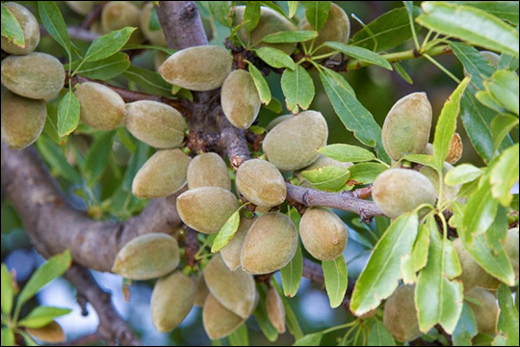
- Habit: Badaam (Prunus amygdalus) is a small to medium-sized deciduous tree belonging to the family Rosaceae. Under favorable conditions, it generally attains a height of 4–10 meters with a broad, spreading crown and numerous branches.
- Root System: The tree possesses a strong and well-developed taproot system accompanied by extensive lateral roots. This deep root network enables the plant to absorb water and nutrients efficiently and provides moderate drought tolerance.
- Stem and Bark: The stem is erect, woody, and highly branched. Young branches are smooth and greenish in color, while mature bark becomes grayish-brown to dark brown, rough, and fissured with age.
- Leaves: The leaves are simple, alternate, and borne on short petioles. They are lanceolate to elliptic-lanceolate in shape, measuring approximately 5–13 cm in length. The leaf margins are finely serrated, and the surface is smooth and glossy green. Leaves are shed annually during the dormant season.
- Flowers: The flowers are solitary or borne in pairs and appear before the emergence of leaves in early spring. They are white to pale pink in color, fragrant, and bisexual. Each flower consists of five petals, numerous stamens, and a single pistil. The blossoms are highly attractive to bees and other pollinating insects.
- Fruit: The fruit is a drupe, oval to oblong in shape, measuring about 3–6 cm in length. The outer covering consists of a green, leathery hull that dries and splits open upon maturity. Beneath the hull lies a hard, woody shell enclosing the edible seed.
- Seed: The seed, commonly known as almond or Badaam, is elongated, flattened, and covered with a thin brown seed coat. The kernel is cream-colored, rich in fixed oils, proteins, vitamins, minerals, and bioactive compounds. It may have a sweet or bitter taste depending on the variety.
- Inflorescence and Pollination: Flowers are produced singly or in pairs on short spurs. Pollination is primarily carried out by bees and other insects, making entomophily an important characteristic of the species. Successful pollination is essential for fruit and seed development.
- Distinctive Morphological Features: Research descriptions identify Prunus amygdalus by its early spring flowering habit, pinkish-white blossoms, lance-shaped serrated leaves, drupe-type fruits, and edible oil-rich seeds. These characteristics distinguish it from many other members of the genus Prunus.
Classical Categorisation Of Badaam (Prunus Amygdalus)
Bhavprakash Nighantu: Amradiphala Varga.
Ancient Verses For Badaam (Prunus Amygdalus)
वातादो वातवैरी स्याच्छ्रोत्रोपमफलस्तथा।
वातादः उष्णः सुस्निग्धो वातघ्नः शुक्रकृद् गुरुः॥
वातादमज्जा मधुरो वृष्यः पित्तानिलापहः।
स्निग्धोष्णः कफकृच्छ्रेष्ठो रक्तपित्तविकारिणाम्॥ Bhavprakash Nighantu Amradi Phala Varga Verse No. 123-124
Verse Interpretation
Synonyms of Badaam
- Vataada: That which destroys or pacifies Vata
- Vatavairi: The enemy of Vata
- Netropamaphala: The fruit that resembles an eye
Properties And Benefits Of Badaam
It is hot (Ushna), unctuous/oily (Snigdha), aphrodisiac (Shukrakara), heavy to digest (Guru), and destroys Vata (Vatanashaka). Almond Kernel (Bheengi) is sweet (Madhur), increases strength/semen (Viryavardhak), unctuous/oily (Snigdha), hot (Ushna), increases Kapha (Kaphakarak), and is not beneficial for patients with Pitta and bleeding disorders (Raktapitta).
Ayurvedic Properties Of Badaam (Prunus Amygdalus)
- Rasa (Taste): Madhura (Sweet)
- Guna (Qualities): Guru (Heavy), Snigdha (Unctuous/Oily)
- Virya (Potency): Ushna (Hot)
- Vipaka (Post-digestive Effect): Madhura (Sweet)
Action On Tridosha Of Badaam (Prunus Amygdalus)
Pacifies Vata Dosha and may increase Kapha when consumed in excess.
Therapeutic Indications Of Badaam (Prunus Amygdalus)
- Respiratory diseases
- Urinary tract disorders
- Diabetes
- Lumbago / Lower back pain
- Leucorrhea
- Strength-promoting
- Vata-pacifying
- Nerve-strengthening
Systemic Actions Of Badaam (Prunus Amygdalus)
- Nervous System: Badaam (Prunus amygdalus) is widely recognized for its beneficial effects on the nervous system. It contains healthy unsaturated fats, vitamin E, riboflavin, and various antioxidants that support brain function and neuronal health. Research suggests that regular almond consumption may help improve cognitive performance, memory, and learning ability by protecting nerve cells from oxidative stress and age-related damage. Its nutrient-rich composition also contributes to maintaining normal neurological function and mental well-being.
- Cardiovascular System: Almonds exert protective effects on the cardiovascular system due to their abundance of monounsaturated fatty acids, magnesium, potassium, and antioxidant compounds. Studies have demonstrated that almond consumption may help reduce low-density lipoprotein (LDL) cholesterol while supporting healthy levels of high-density lipoprotein (HDL) cholesterol. Additionally, the antioxidants present in almonds help combat oxidative stress, thereby contributing to vascular health and reducing the risk of cardiovascular disorders.
- Digestive System: Badaam supports digestive health through its significant dietary fiber content and bioactive compounds. Dietary fiber aids in maintaining regular bowel movements and promotes a healthy gastrointestinal environment. Research indicates that almonds may act as prebiotics, encouraging the growth of beneficial gut microorganisms, which in turn support digestion, nutrient absorption, and overall gut health. Their nutrient density also makes them a nourishing food for maintaining digestive wellness.
- Musculoskeletal System: The presence of protein, calcium, phosphorus, magnesium, and other essential nutrients makes almonds beneficial for the musculoskeletal system. These nutrients play important roles in maintaining bone mineral density, supporting muscle function, and promoting tissue repair. Regular consumption of almonds may contribute to stronger bones and improved muscular endurance, making them a valuable dietary component for overall musculoskeletal health.
- Immune System: Almonds contain vitamin E, polyphenols, and other antioxidant compounds that support immune function by protecting cells against oxidative damage. Research suggests that these bioactive constituents help strengthen the body’s natural defense mechanisms and reduce inflammation associated with oxidative stress. By providing essential nutrients and antioxidants, almonds contribute to maintaining a healthy and responsive immune system.
- Endocrine and Metabolic System: Badaam has been shown to positively influence metabolic health. The combination of healthy fats, fiber, protein, and micronutrients helps regulate blood glucose levels and promotes satiety. Several studies indicate that almond consumption may improve insulin sensitivity and support healthy glucose metabolism, making it beneficial as part of a balanced diet aimed at maintaining metabolic homeostasis and reducing the risk of metabolic disorders.
- Reproductive System: Research suggests that almonds provide nutrients essential for reproductive health, including vitamin E, zinc, healthy fats, and protein. These nutrients contribute to hormonal balance, cellular protection, and tissue nourishment. Traditionally, almonds have been regarded as a nourishing food that enhances vitality and supports reproductive function by promoting overall physical strength and nutritional well-being.
- Integumentary System (Skin and Hair): Almonds are highly valued for their beneficial effects on the skin and hair. Their rich vitamin E content helps protect skin cells from oxidative stress and environmental damage while supporting skin hydration and elasticity. The healthy fats and antioxidants present in almonds also contribute to maintaining healthy hair follicles, improving hair quality, and promoting overall integumentary health.
- Respiratory System: Although primarily known as a nutritive food, almonds have traditionally been used to support respiratory wellness. Their emollient and nourishing properties may help soothe irritated mucosal tissues and support normal respiratory function. The antioxidant compounds present in almonds may further assist in reducing oxidative stress associated with various respiratory conditions.
Chemical Composition Of Badaam (Prunus Amygdalus)
- Oleic Acid: Oleic acid is the principal fatty acid found in almonds, accounting for a significant proportion of the kernel oil. It is a monounsaturated fatty acid known for its cardioprotective effects. Research suggests that oleic acid helps reduce low-density lipoprotein (LDL) cholesterol while maintaining healthy levels of high-density lipoprotein (HDL) cholesterol. It also contributes to anti-inflammatory activity and supports overall cardiovascular health.
- Linoleic Acid: Linoleic acid is the major polyunsaturated fatty acid present in almonds. It plays an essential role in maintaining cell membrane structure and function. Studies indicate that linoleic acid supports skin health, immune function, and normal metabolic processes. It also contributes to the regulation of inflammatory responses within the body.
- α-Tocopherol (Vitamin E): α-Tocopherol is the predominant form of vitamin E found in almonds and is considered one of their most important bioactive constituents. It acts as a powerful antioxidant that protects cells from oxidative damage caused by free radicals. Research has demonstrated its beneficial effects on cardiovascular health, skin protection, immune support, and healthy aging.
- β-Sitosterol: β-Sitosterol is the major phytosterol present in almonds. It has a chemical structure similar to cholesterol and helps reduce cholesterol absorption in the intestine. Clinical studies have shown that β-sitosterol contributes to lowering blood cholesterol levels and supports cardiovascular health. It is also associated with anti-inflammatory and antioxidant activities.
- Catechin: Catechin is a prominent flavonoid found in almond skins. It possesses strong antioxidant properties and helps neutralize harmful free radicals. Research suggests that catechin may contribute to cardiovascular protection, reduced oxidative stress, and improved vascular function.
- Quercetin: Quercetin is an important flavonoid present mainly in the almond seed coat. It exhibits potent antioxidant and anti-inflammatory activities. Studies indicate that quercetin may help protect cells from oxidative damage, support immune function, and contribute to the prevention of chronic inflammatory conditions.
- Chlorogenic Acid: Chlorogenic acid is one of the principal phenolic acids identified in almonds. Research has shown that it possesses antioxidant and metabolic regulatory properties. It may help support glucose metabolism, reduce oxidative stress, and contribute to cardiovascular protection.
- Arginine: Arginine is one of the major amino acids found in almond proteins. It serves as a precursor for nitric oxide, a molecule involved in blood vessel relaxation and circulation. Studies suggest that arginine supports cardiovascular function, improves blood flow, and contributes to healthy endothelial activity.
- Magnesium: Although a mineral rather than a phytochemical, magnesium is one of the most abundant bioactive nutrients in almonds. It plays essential roles in muscle function, nerve transmission, energy production, and glucose metabolism. Adequate magnesium intake has been associated with improved cardiovascular and metabolic health.
- Amygdalin: Amygdalin is a cyanogenic glycoside primarily found in bitter almonds and is present only in trace amounts in sweet almonds. It has attracted scientific interest due to its biological activities; however, excessive intake can release toxic hydrogen cyanide. Therefore, its presence is mainly of phytochemical significance rather than nutritional importance in edible sweet almonds.
Practical Uses / Health Benefits Of Badaam (Prunus Amygdalus)
- Badaam (Prunus amygdalus) is widely recognized for its beneficial effects on cardiovascular health. It is rich in monounsaturated fatty acids, vitamin E, magnesium, and phytosterols, which help maintain healthy cholesterol levels and support normal blood vessel function. Research suggests that regular almond consumption may reduce the risk of cardiovascular diseases by improving lipid profiles and decreasing oxidative stress.
- Almonds are considered an excellent brain-nourishing food due to their content of healthy fats, vitamin E, riboflavin, and antioxidant compounds. Studies indicate that these nutrients support cognitive function, memory, learning ability, and neuronal health. Regular intake may help protect brain cells from oxidative damage and contribute to long-term cognitive well-being.
- The combination of dietary fiber, protein, healthy fats, and magnesium in almonds supports healthy glucose metabolism. Research has shown that almonds may improve insulin sensitivity and help regulate postprandial blood sugar levels, making them a valuable dietary component for maintaining metabolic balance.
- Despite their high caloric value, almonds may aid in healthy weight management. Their protein and fiber content promotes satiety, reduces hunger, and helps control overall calorie intake. Clinical studies have demonstrated that incorporating almonds into a balanced diet can support healthy body weight and improve appetite regulation.
- Almonds provide important nutrients such as calcium, phosphorus, magnesium, and protein, which are essential for maintaining bone strength and muscle function. Regular consumption contributes to skeletal health, supports muscle recovery, and promotes overall physical performance and endurance.
- The dietary fiber present in almonds plays an important role in digestive health. It promotes regular bowel movements and supports a healthy intestinal environment. Research also suggests that almonds act as prebiotics, encouraging the growth of beneficial gut bacteria and improving gastrointestinal function.
- The high concentration of vitamin E and antioxidant compounds in almonds supports skin health by protecting cells from oxidative damage and environmental stressors. Regular consumption may help maintain skin hydration, elasticity, and a youthful appearance while reducing signs of premature aging.
- Almonds also contribute to healthy hair growth and scalp health. Their content of protein, healthy fats, vitamin E, zinc, and other micronutrients helps nourish hair follicles, strengthen hair structure, and support overall hair quality.
- The antioxidants, vitamins, minerals, and polyphenols found in almonds support the immune system by protecting immune cells from oxidative stress. Research indicates that these bioactive compounds help strengthen the body’s natural defense mechanisms and contribute to overall immune resilience.
- As a nutrient-dense food, almonds provide sustained energy and vitality. Their balanced composition of healthy fats, protein, vitamins, and minerals helps reduce fatigue, improve stamina, and support both physical and mental performance. Regular consumption contributes to overall wellness and long-term health maintenance.
- Research has also highlighted the role of almonds in promoting healthy aging. Their antioxidant-rich profile helps combat oxidative stress, a key factor involved in age-related cellular damage. Regular intake may support cognitive health, cardiovascular function, and overall vitality during aging.
- Due to their high nutritional value, almonds are frequently recommended during periods of recovery and physical weakness. Their rich supply of protein, healthy fats, vitamins, and minerals supports tissue repair, restores strength, and assists in recovery from illness, fatigue, or nutritional deficiencies.
Home Remedies With Badaam (Prunus Amygdalus)
- Badaam Milk for Memory and Brain Health: Take 5–10 almonds and soak them overnight in water. In the morning, remove the skins and grind the almonds into a smooth paste. Add this paste to a glass of warm milk and mix well. Consume once daily, preferably in the morning. This traditional preparation is rich in healthy fats, vitamin E, and essential nutrients that support cognitive function, memory, and overall brain health.
- Badaam Tonic for General Weakness: Soak 8–10 almonds overnight and peel them the next morning. Grind them into a fine paste and add to a glass of warm milk. Drink this preparation daily to provide nourishment, improve stamina, and support recovery from physical weakness and fatigue. The proteins, healthy fats, and minerals present in almonds help restore energy and vitality.
- Badaam Oil Massage for Dry Skin: Take a small quantity of pure almond oil and warm it slightly. Gently massage the oil onto dry or rough areas of the skin for several minutes, preferably before bedtime. Leave it overnight and wash if desired the following morning. This remedy helps moisturize the skin, improve softness, and maintain skin elasticity due to the emollient properties of almond oil.
- Badaam Oil Treatment for Hair Health: Warm 1–2 tablespoons of almond oil and apply it evenly to the scalp and hair roots. Massage gently for 5–10 minutes and leave it on for at least one hour or overnight before washing with a mild shampoo. Regular use helps nourish the scalp, strengthen hair roots, and improve hair texture and shine.
- Badaam Remedy for Constipation: Soak 6–8 almonds overnight and consume them in the morning along with a glass of warm water. The fiber and healthy fats present in almonds help support bowel regularity and promote healthy digestion. Regular consumption may assist in relieving mild constipation and maintaining gastrointestinal health.
- Badaam Drink for Recovery and Strength: Take 10 soaked and peeled almonds and blend them with a glass of milk until smooth. Consume this nourishing drink once daily during periods of recovery from illness, physical exhaustion, or weakness. The preparation provides energy, protein, vitamins, and minerals that support tissue repair and restoration of strength.
- Badaam Snack for Heart Health: Consume a handful (about 20–25 g) of raw or lightly roasted almonds daily as a nutritious snack. Regular intake provides monounsaturated fats, vitamin E, and phytosterols that help support healthy cholesterol levels and overall cardiovascular function.
- Badaam Face Pack for Skin Glow: Soak 5–6 almonds overnight and grind them into a smooth paste with a small amount of milk. Apply the paste evenly to the face and neck and leave it for 15–20 minutes before rinsing with lukewarm water. This traditional face pack helps nourish the skin, improve texture, and promote a healthy complexion.
- Badaam Shake for Healthy Weight Gain: Blend 10 soaked almonds with a glass of milk and a few dates until a smooth shake is formed. Consume once daily between meals. This nutrient-dense preparation provides healthy fats, proteins, and calories that may help support healthy weight gain and improve nutritional status.
- Daily Soaked Badaam for Healthy Aging: Soak 5–7 almonds overnight and consume them every morning after removing the skins. Regular consumption supplies antioxidants, vitamin E, and beneficial fatty acids that help protect cells from oxidative stress and support overall vitality and healthy aging.
Part(S) Used Of Badaam (Prunus Amygdalus)
- Seed (Kernel)
- Almond Oil
- Seed Coat (Skin)
- Gum
Dosage Of Badaam (Prunus Amygdalus)
- Almond Kernel (Seed): 10–20 g daily (approximately 8–15 almonds)
- Almond Oil (Internal Use): 5–10 mL daily
- Almond Oil (External Use): As required for massage or topical application
- Almond Paste: 5–10 g, usually mixed with milk or other preparations
- Almond Milk Preparation: Prepared from 5–10 soaked almonds, once daily
Note: The dosage may vary depending on age, nutritional requirements, and the intended therapeutic use. Sweet almonds are commonly used for dietary and medicinal purposes.
Planet Ayurveda’s Products With Badaam (Prunus Amygdalus)
Research On Badaam (Prunus Amygdalus)
- Cardiovascular Health: Numerous clinical studies have demonstrated that regular almond consumption can improve cardiovascular health. Research has shown that almonds help reduce low-density lipoprotein (LDL) cholesterol levels while maintaining or improving high-density lipoprotein (HDL) cholesterol. These effects are primarily attributed to their high content of monounsaturated fatty acids, phytosterols, fiber, and antioxidants, which collectively contribute to a reduced risk of cardiovascular diseases.
- Glycemic Control and Diabetes Management: Scientific investigations have reported that almonds may improve glycemic control and insulin sensitivity. Studies involving individuals with prediabetes and type 2 diabetes have shown that incorporating almonds into the diet can help reduce postprandial blood glucose levels and improve metabolic parameters. The combination of healthy fats, protein, fiber, and magnesium is believed to play a significant role in these beneficial effects.
- Antioxidant Activity: Research has confirmed that almonds possess substantial antioxidant activity due to the presence of vitamin E, flavonoids, phenolic acids, and polyphenols concentrated mainly in the skin. These compounds help neutralize free radicals, reduce oxidative stress, and protect cellular structures from damage associated with aging and chronic diseases.
- Weight Management: Several randomized controlled trials have demonstrated that almond consumption may support healthy weight management. Despite being calorie-dense, almonds promote satiety because of their protein, fiber, and healthy fat content. Studies have found that individuals consuming almonds as part of a balanced diet often experience improved appetite control and favorable body composition outcomes.
- Gut Health and Prebiotic Effects: Emerging research suggests that almonds positively influence gut microbiota composition. The fiber and polyphenols present in almonds act as prebiotic substrates, supporting the growth of beneficial intestinal bacteria. This may contribute to improved digestive health, enhanced gut barrier function, and better metabolic regulation.
- Cognitive Function and Neuroprotection: Experimental and nutritional studies indicate that almonds may support brain health and cognitive performance. The presence of vitamin E, healthy fats, and antioxidant compounds has been associated with protection against oxidative damage in neural tissues. Research suggests potential benefits in memory support, learning ability, and age-related cognitive decline.
- Bone Health: Almonds provide significant amounts of calcium, phosphorus, magnesium, and protein, all of which are essential for bone maintenance. Studies have highlighted the potential role of almond consumption in supporting bone mineral density and overall skeletal health, particularly when included as part of a nutrient-rich diet.
- Anti-Inflammatory Effects: Research has shown that almond-derived polyphenols, flavonoids, and unsaturated fatty acids exhibit anti-inflammatory properties. These compounds may help reduce inflammatory markers and protect tissues from chronic low-grade inflammation associated with metabolic and cardiovascular disorders.
- Skin Health and Anti-Aging Potential: Studies investigating almond oil and almond-derived antioxidants have reported beneficial effects on skin hydration, elasticity, and protection against oxidative damage. Vitamin E and polyphenolic compounds contribute to maintaining skin integrity and may help reduce signs of premature aging.
- Nutritional and Functional Food Value: Modern nutritional research recognizes almonds as a functional food due to their dense concentration of proteins, healthy fats, dietary fiber, vitamins, minerals, and bioactive phytochemicals. Regular consumption has been associated with improvements in overall nutritional status, metabolic health, cardiovascular function, and long-term wellness.
Conclusion
Badaam (Prunus amygdalus) is a highly nutritious and therapeutically valuable nut that has been appreciated in both traditional medicine and modern nutrition for centuries. Rich in healthy fats, proteins, dietary fiber, vitamins, minerals, and antioxidant compounds, it offers a wide range of health benefits. Research supports its role in promoting cardiovascular health, cognitive function, metabolic balance, digestive wellness, immune support, and healthy aging. In Ayurveda, Badaam is regarded as a nourishing, strength-promoting, and rejuvenating food that enhances vitality and supports overall well-being. Its versatility allows it to be used as a food, medicinal ingredient, and cosmetic agent. Owing to its excellent nutritional profile and scientifically validated health benefits, Badaam remains an important functional food for maintaining long-term health and wellness.