


Cardiac Troponin Test – What Is It? Why Is It Done? How Can Ayurveda Support Heart Health?
Abstract
The Cardiac Troponin Test is one of the most sensitive and reliable blood tests used to detect injury to the heart muscle. Cardiac troponins are specialized proteins found within heart muscle cells, and their levels rise in the bloodstream when heart tissue is damaged. This test plays a crucial role in diagnosing heart attacks (myocardial infarction) and evaluating individuals presenting with symptoms such as chest pain, breathlessness, dizziness, or unexplained fatigue. Even minor injury to the heart muscle can cause measurable changes in troponin levels, making this test highly valuable in early detection of cardiac damage. The Cardiac Troponin Test also helps monitor ongoing heart conditions, evaluate treatment effectiveness, and assess recovery after cardiac events. Due to its high accuracy and sensitivity, the troponin test has become a cornerstone of modern cardiac diagnostics, enabling healthcare professionals to make prompt decisions and improve patient outcomes.
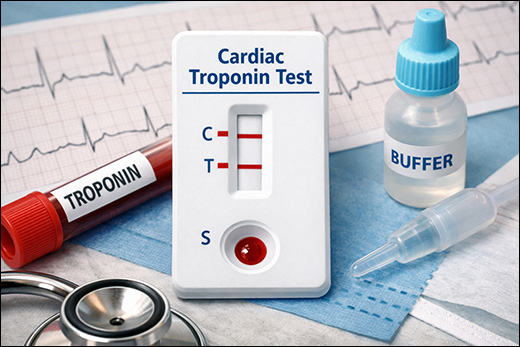
What Is Cardiac Troponin Test?
The Cardiac Troponin Test is a laboratory blood test that measures the level of troponin proteins in the bloodstream. Troponins are structural proteins that help heart muscles contract and maintain proper cardiac function. There are different types of troponins, but cardiac-specific troponins—Troponin I (cTnI) and Troponin T (cTnT)—are most commonly measured because they are found almost exclusively in heart muscle cells. Under normal circumstances, troponin levels in the blood remain extremely low. However, when heart muscle cells become damaged due to reduced blood supply, blockage in coronary arteries, inflammation, or trauma, troponin proteins leak into the bloodstream. Measuring these levels helps doctors identify whether heart muscle injury has occurred. This test is widely used alongside other diagnostic methods such as electrocardiograms (ECG) and imaging studies to confirm heart attacks and evaluate other heart-related conditions.
Key Benefits Of Cardiac Troponin Test Include
- Detection of even minor heart muscle injury
- Early diagnosis of heart attack
- Monitoring progression of cardiac damage
- Evaluation of treatment effectiveness
- Assessment of chest pain causes
- Identification of heart injury after surgery or trauma
How Does Cardiac Troponin Test Work?
The Cardiac Troponin Test works by detecting the presence and concentration of cardiac-specific troponin proteins released into the bloodstream after heart muscle injury. Troponins are normally present within heart cells and are released only when these cells are damaged.
The Test Functions Through The Following Mechanism
- When heart muscle cells are injured due to reduced oxygen supply or blockage of arteries, troponins are released into the bloodstream.
- Troponin levels typically begin to rise within a few hours after heart injury and may remain elevated for several days.
- Blood samples are analyzed using highly sensitive laboratory techniques to measure troponin concentrations.
- The pattern of rising and falling troponin levels helps determine the timing and severity of heart muscle injury.
- Higher troponin levels generally indicate greater damage, while stabilizing or declining levels suggest improvement.
Procedure Of Cardiac Troponin Test
The Cardiac Troponin Test is a simple blood test commonly performed in hospitals and diagnostic centers. It requires minimal preparation and provides quick and reliable results.
Preparation
- Fasting is usually not necessary before the test.
- Inform the healthcare provider about medications being taken, including supplements or herbal products.
- Avoid heavy physical activity before testing, as extreme exertion may influence certain test results.
- Remain calm and relaxed before the procedure to ensure smooth blood collection.
During The Procedure
- A trained healthcare professional collects a small blood sample from a vein, usually in the arm.
- The skin is cleaned with an antiseptic to reduce infection risk.
- A sterile needle is inserted into the vein to collect blood into a sample tube.
- After collection, the needle is removed and pressure is applied to prevent bleeding.
- The blood sample is sent to the laboratory for troponin level analysis.
Duration Of The Test
- Blood collection usually takes about 5–10 minutes.
- Results are often available within a few hours, especially in emergency settings.
Why Is Cardiac Troponin Test Done?
The Cardiac Troponin Test is performed to evaluate heart muscle health and detect cardiac injury. It is particularly useful in emergency situations where rapid diagnosis is required.
The Test Is Done For The Following Reasons
- To diagnose heart attacks in individuals experiencing chest pain or related symptoms
- To detect damage to the heart muscle caused by reduced blood supply
- To evaluate unexplained symptoms such as breathlessness or fatigue
- To monitor patients with known heart disease
- To assess heart injury following major surgeries or trauma
- To evaluate the effectiveness of treatments used in cardiac care
Advantages Of Cardiac Troponin Test
The Cardiac Troponin Test provides several important benefits and is widely recognized as a highly sensitive diagnostic tool.
- Helps detect heart muscle injury at an early stage
- Highly specific to heart muscle damage
- Provides reliable information about severity of cardiac injury
- Useful in emergency diagnosis of heart attacks
- Allows monitoring of heart damage over time
- Requires only a small blood sample
- Supports accurate clinical decision-making
Clinical Importance Of Cardiac Troponin Test
The Cardiac Troponin Test plays a vital role in identifying and managing heart-related disorders. It is considered the gold standard test for diagnosing myocardial infarction (heart attack).
- Helps confirm myocardial infarction with high accuracy
- Assists in early detection of cardiac injury
- Supports evaluation of patients with chest pain
- Guides treatment planning and medical management
- Useful in monitoring recovery following heart damage
- Helps assess complications following cardiac procedures
- Provides valuable prognostic information regarding heart health
Ayurvedic View Of Dosha And Dhatu Involvement In Heart Health
In Ayurveda, heart health is maintained through the balanced functioning of Vata, Pitta, and Kapha Doshas, along with proper nourishment of tissues (Dhatus) and preservation of Ojas (vital essence). Vata Dosha, responsible for movement and circulation, plays a key role in regulating the rhythmic contraction of the heart. When Vata becomes aggravated, irregular circulation and instability in cardiac function may occur. Pitta Dosha, associated with metabolic processes and heat, supports transformation and cellular activity. Excess Pitta may create inflammatory tendencies within blood vessels and cardiac tissues, affecting their integrity and function. Kapha Dosha, responsible for structure and stability, provides strength to tissues. However, excess Kapha may lead to stagnation and obstruction in circulatory pathways, increasing the workload on the heart. Among Dhatus, Rasa Dhatu (nutritive fluid) supports nourishment of cardiac tissues, while Rakta Dhatu (blood tissue) ensures oxygen delivery throughout the body. Weakness in these Dhatus may impair cardiac efficiency. Ojas, the essence of vitality, supports endurance, immunity, and resilience. Depletion of Ojas may weaken heart strength and reduce resistance to stress and disease.
Ayurvedic Management Approach For Supporting Heart Health
Ayurveda supports cardiac wellness through herbal remedies, dietary balance, and healthy lifestyle practices that strengthen cardiac tissues, maintain proper circulation, and support overall cardiovascular endurance.
Herbal Support
- Arjuna (Terminalia arjuna): Arjuna is regarded as one of the most important cardiotonic herbs in Ayurveda. It helps strengthen heart muscles, supports healthy cardiac output, and promotes proper functioning of the circulatory system. It is traditionally used to maintain cardiac tone and endurance.
- Sarpagandha (Rauwolfia serpentina): Sarpagandha supports regulation of blood pressure and helps calm excessive cardiac activity. It is traditionally valued for maintaining cardiovascular stability and reducing stress-related cardiac strain.
- Jatamansi (Nardostachys jatamansi): Jatamansi supports nervous system balance and helps reduce stress-induced strain on the heart. It promotes relaxation and supports stable cardiac rhythm.
- Lasuna (Allium sativum): Lasuna is traditionally known for supporting healthy lipid balance and promoting smooth blood circulation. It helps maintain vascular flexibility and supports cardiovascular wellness.
- Guggulu (Commiphora mukul): Guggulu helps maintain healthy lipid metabolism and supports the removal of excess accumulations from circulatory channels. It contributes to maintaining unobstructed blood flow.
- Tulsi (Ocimum sanctum): Tulsi supports metabolic balance and helps reduce oxidative stress. It promotes circulation and enhances overall cardiovascular resilience.
Heart-Friendly Dietary Tips
Your heart thrives on foods that nourish, energize, and maintain smooth circulation. Follow these simple, practical steps for optimal cardiovascular health:
- Favor fresh over processed: Opt for meals cooked from scratch; fresh ingredients deliver maximum nutrients and support better digestion.
- Go for whole grains: Include oats, brown rice, millets, and other fiber-rich foods to keep blood sugar and cholesterol in check.
- Load up on greens: Spinach, fenugreek, kale, and other leafy vegetables provide vital vitamins, minerals, and antioxidants for a strong heart.
- Mind the salt: Use salt sparingly; excess sodium can raise blood pressure and cause fluid retention.
- Limit fried and greasy foods: Heavy oils and deep-fried foods strain the heart and slow digestion, choose light, wholesome cooking methods.
- Cut down refined sugar: Too many sweets can spike blood sugar and harm your metabolic health; prefer natural sweeteners or fruits.
- Eat on time: Regular meal timings help maintain steady energy, avoid bloating, and support healthy metabolism.
- Hydrate smartly: Drink plenty of water and natural fluids to keep your circulation smooth and tissues nourished.
Lifestyle Habits For A Strong Heart
A healthy heart is built through consistent daily habits, gentle activity, and mindful self-care:
- Stick to a routine: A structured daily schedule stabilizes your body clock, digestion, and energy levels.
- Move your body daily: Gentle walks, stretching, or yoga keep blood flowing and strengthen the heart without overexertion.
- Breathe deeply (Pranayama): Practice Anulom Vilom (Alternate Nostril Breathing), Bhramari (Bee Breath), and Kapalabhati to increase oxygen supply, calm the nervous system, and reduce stress on the heart.
- Practice yoga and posture care: Incorporate heart-friendly postures such as Tadasana (Mountain Pose), Bhujangasana (Cobra Pose), Setu Bandhasana (Bridge Pose), and Ardha Matsyendrasana (Half Spinal Twist) to open the chest, improve circulation, and enhance cardiac efficiency.
- Maintain ideal weight: Keeping body weight in check reduces the heart’s workload and supports overall health.
- Manage stress wisely: Meditation, mindfulness, or relaxation techniques prevent emotional strain on your heart.
- Prioritize sleep: Deep, restful sleep rejuvenates the heart and restores vitality.
- Say no to toxins: Avoid alcohol and smoking as they compromise circulation, weaken heart muscles, and reduce resilience.
Conclusion
The Cardiac Troponin Test is a vital diagnostic tool for detecting heart muscle injury and diagnosing heart attacks early. By measuring cardiac-specific troponins in the blood, it helps doctors assess the severity of damage, monitor recovery, and make timely treatment decisions, improving patient outcomes. Complementing modern diagnostics, a balanced diet rich in fresh whole foods and greens, combined with Pranayama, yoga postures, stress management, and adequate sleep, enhances heart function and vitality. Integrating the Cardiac Troponin Test with Ayurvedic lifestyle and herbal support ensures both precise assessment and long-term strengthening of the heart, promoting optimal cardiovascular health and overall wellness.