

Why Your Doctor Recommends Cerebral Angiography? Everything You Should Know
Abstract
Imagine the brain as a vibrant city where every street is a blood vessel keeping the lights on. A stroke is a sudden, silent blackout—a broken road that cuts off the city’s power and freezes the life within. To fix the darkness, we need a high-tech map of the damage. Cerebral angiography is the ultimate solution. It acts like a digital flare sent into the brain’s plumbing, lighting up every twist and turn to find exactly where the flow has stopped. By visualizing these hidden paths, doctors can clear the way and turn the lights back on. Let’s discuss it in detail!
Introduction
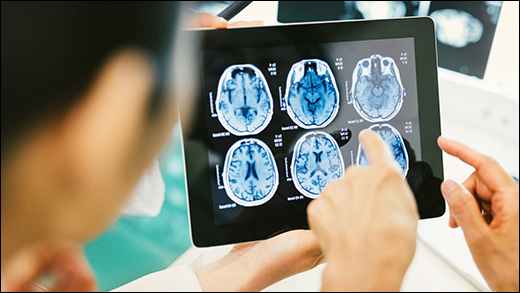
Cerebral angiography is a sophisticated diagnostic procedure that provides a high-resolution, real-time map of the brain’s complex vascular network. By threading a thin, flexible catheter through the arterial system and releasing a specialized contrast dye, physicians can illuminate the blood vessels under X-ray imaging with unparalleled clarity. This "digital blueprint" allows for the precise detection of life-threatening anomalies such as aneurysms, blood clots, and arterial narrowing that standard scans might overlook. Beyond simple diagnosis, it serves as a critical tactical guide for surgeons, enabling them to navigate the brain’s delicate pathways to deliver life-saving treatments like stenting or embolization. Ultimately, it is the most definitive tool available for visualizing the internal lifelines of the mind, ensuring that any disruption to the brain’s vital blood supply is identified and addressed with surgical precision.
What Happens During The Procedure?
A cerebral angiography is a precise, "live-action" X-ray of your brain’s blood vessels. Here is exactly what happens:
- Preparation: You lie on a flat X-ray table. While you are usually awake, you may receive a mild sedative to help you relax. The entry site—typically the groin (femoral artery) or sometimes the wrist (radial artery)—is cleaned and numbed with a local anesthetic.
- Insertion: The doctor makes a tiny nick in the skin and inserts a thin, hollow tube called a catheter into the artery. You won’t feel the tube moving through your blood vessels because the insides of arteries don’t have pain nerves.
- Navigation: Using real-time X-ray guidance (fluoroscopy), the specialist carefully threads the catheter up through the body, into the neck, and toward the brain’s blood supply.
- The Contrast Dye: Once the catheter is in position, a special iodine-based dye is injected. You might feel a brief, warm "flush" or a metallic taste in your mouth for a few seconds—this is completely normal.
- Imaging: As the dye flows, a rapid series of X-rays are taken. These images show the "road map" of your brain’s arteries, highlighting any blockages, leaks, or narrow spots.
- Completion: The catheter is removed. Since no stitches are usually needed, the medical team applies firm pressure to the entry site for about 15–20 minutes to prevent bleeding and ensure the artery closes properly.
Why Is It Recommended?
Doctors recommend cerebral angiography when they need a more detailed look at the brain’s blood vessels than standard scans (like a regular CT or MRI) can provide. It is considered the "gold standard" for vascular imaging. Here are the primary reasons why it is recommended:
- Pinpoint Hidden Issues: It can find very small aneurysms, tiny blood clots, or subtle narrowing of the arteries that other tests might miss.
- Confirm a Diagnosis: If a previous scan showed something suspicious, an angiogram is used to confirm exactly what it is (e.g distinguishing a tumor from a vascular malformation).
- Surgical Roadmap: Surgeons use these high-definition images as a "blueprint" to plan brain surgery or minimally invasive procedures, ensuring they know the exact path of every blood vessel.
- Stroke Evaluation: It helps to identify the root cause of a stroke or "mini-stroke" (TIA) by showing exactly where blood flow is blocked or restricted.
- Evaluate Blood Flow: It allows doctors to see "live" how blood moves through the brain, which is critical for checking how well a bypass is working or how a tumor is being "fed" by blood vessels.
- Treating the Problem: One of the biggest reasons it’s recommended is that it can transition from a test to a treatment. During the same procedure, doctors can often fix the issue (like placing a stent or "coiling" an aneurysm) without needing a second surgery.
What Does Abnormal Results Mean?
When a doctor identifies abnormal results on a cerebral angiogram, it means the "road map" of your brain’s blood vessels shows irregularities in shape, flow, or structure. Here is what those specific findings usually signify:
- Aneurysm: A weak, bulging spot in an artery wall that looks like a small balloon. If left untreated, it could potentially leak or rupture.
- Stenosis (Narrowing): This indicates a buildup of plaque or inflammation inside the vessel, which restricts blood flow and increases the risk of a stroke.
- Occlusion (Blockage): A complete "dead end" in an artery, usually caused by a blood clot. This is often the primary cause of an ischemic stroke.
- Arteriovenous Malformation (AVM): An abnormal, tangled "nest" of blood vessels where arteries connect directly to veins without the normal filter of smaller capillaries.
- Vasospasm: A sudden narrowing of the blood vessels, often as a reaction to bleeding in the brain, which can dangerously reduce oxygen delivery.
- Tumor "Blush": An unusual pattern of blood vessels that suggests a tumor is drawing a large blood supply to grow.
Risks Of Cerebral Angiography
- Stroke (Rare)
- Bleeding or hematoma at insertion site
- Allergic reaction to contrast dye
- Kidney injury (contrast-related)
- Blood vessel damage or spasm
- Infection (Rare)
- Radiation exposure
- Temporary headache, nausea, or dizziness
Ayurveda’s Insight!
In Ayurveda, a stroke is primarily understood as Pakshaghata, a condition triggered by a severe aggravation of Vata Dosha, the bio-energy governing the nervous system and movement. From this ancient perspective, the brain’s blood vessels are seen as Srotas (vital channels) that must remain clear for the harmonious flow of Prana (life force) and Rakta (blood). When these channels become obstructed by Ama (metabolic toxins) or excess Kapha (fatty deposits)—a state known as Srotorodha—the resulting blockage mirrors the modern clinical definition of an ischemic stroke. While Ayurveda historically relied on pulse diagnosis to sense these disruptions, Cerebral Angiography is viewed as a modern extension of Srotas Pariksha (channel examination). It provides a literal "visual map" of the Vata imbalance, pinpointing exactly where the "wind" of the nervous system has been trapped or where the "fire" of Pitta has caused a vessel to rupture.
Ayurvedic Herbs For Managing Stroke And Aneurysms!
1. Arjuna (Terminalia arjuna)
In Ayurveda, Arjuna is the supreme Hridaya (cardiac tonic), prized for strengthening the "Sira" (vessel walls) and balancing Pitta-induced inflammation. It is traditionally used to provide structural integrity to the circulatory system. It is rich in arjunolic acid and flavonoids, which exert a cardiotonic effect. Research suggests it improves myocardial function and possesses significant antioxidant properties, helping to strengthen the vascular endothelium and manage blood pressure, making it a critical ally for those with weakened arterial walls or aneurysms.
2. Punarnava (Boerhavia diffusa)
Literally meaning "the renewer," Punarnava is used in Ayurveda to balance Kapha and reduce Shotha (swelling or edema) by clearing excess fluids from the body’s channels. It acts as a natural diuretic that protects the kidneys and heart. As per modern science it has punarnavine as its primary alkaloid, which exhibits potent anti-inflammatory and diuretic properties. It helps manage systemic blood pressure and reduces the fluid load on the heart and brain, which is essential for preventing the internal pressure that can aggravate a stroke or aneurysm.
3. Gotu Kola (Centella asiatica)
Ayurveda classifies Gotu Kola as a Medhya Rasayana (brain rejuvenator) that specifically improves the "Vyan Vata," which governs circulation. It is highly regarded for its ability to heal skin and connective tissues. Scientifically, it contains triterpenoids (like asiaticoside) that stimulate collagen synthesis and strengthen the connective tissue of the vascular sheath. This makes it unique in its ability to improve microcirculation and maintain the elasticity of cerebral blood vessels, potentially reducing the fragility that leads to ruptures.
4. Brahmi (Bacopa monnieri)
Brahmi is Ayurveda’s premier herb for the nervous system, used to enhance Dhi (intelligence), Dhriti (retention), and Smriti (memory) while calming Vata. It is often prescribed post-stroke to restore neural pathways. Modern research focuses on bacosides, which help repair damaged neurons by enhancing kinase activity and neuronal synthesis. It also acts as a potent antioxidant in the brain, protecting the delicate cerebral tissue from the oxidative stress that occurs during and after an ischemic event.
5. Ashwagandha (Withania somnifera)
As a powerful Balya (strength-giver), Ashwagandha is used in Ayurveda to treat "Vata-vyadhi" (neurological disorders) and exhaustion. It helps the body resist the physical stress of illness. Scientifically, its active withanolides act as neuroprotective agents that can reduce brain cell death following a stroke. It modulates the GABAergic system to reduce anxiety and blood pressure, creating a stable environment for the brain to heal while preventing the physiological "shocks" that can trigger vascular crises.
6. Lashuna (Garlic)
Ayurveda views Garlic as a potent "Ushna" (heating) herb that is excellent for piercing through Ama (toxins) and clearing blockages in the Srotas. It is a natural Vata-balancer for the circulatory system. Modern science confirms its role as a natural anticoagulant and vasodilator. The sulfur compound allicin inhibits platelet aggregation (blood clotting) and lowers cholesterol. This dual action helps keep the blood thin and the "pipes" clear, directly addressing the primary causes of ischemic stroke.
Conclusion
In conclusion, the management of stroke and aneurysms requires a sophisticated bridge between rapid modern intervention and time-tested holistic wisdom. Cerebral angiography stands as the indispensable "gold standard" for real-time visualization, providing the surgical precision necessary to map and repair life-threatening vascular disruptions. When integrated with the principles of Ayurveda, recovery transcends physical repair to include deep cellular rejuvenation. By utilizing potent herbs like Arjuna, Brahmi, and Ashwagandha, patients can strengthen vessel integrity and restore neural pathways. This synergistic approach—combining high-tech diagnostic clarity with natural neuroprotective support—offers the most comprehensive path toward reclaiming neurological health and preventing future vascular crises.