


Why Your Doctor Recommends A Colonoscopy Test? Everything You Should Know
Abstract
Colonoscopy is a procedure that uses a flexible endoscope to examine the large intestine (colon) for abnormalities, colonoscopy can be useful for diagnostic evaluation, tissue biopsy, removal of polyps or other lesions, and therapeutic interventions as well as screening and early detection of colorectal cancer, however proper bowel preparation and skilled endoscopic techniques are essential for optimal visualization and accurate diagnosis.
Introduction
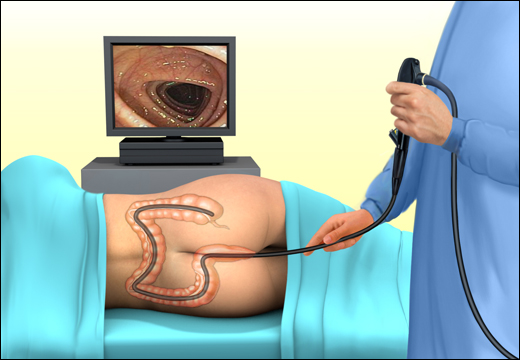
Colonoscopy is a medical procedure where a doctor uses a flexible tube called a colonoscope, equipped with a tiny camera and light at its tip, to examine the inside of the rectum and entire colon (large intestine) by inserting it through the anus, allowing the doctor to visualize the lining of the colon for abnormalities like polyps, ulcers, or signs of cancer, and if necessary, to remove tissue samples (biopsy) or even small polyps during the procedure itself. This procedure is typically performed while the patient is lightly sedated to minimize discomfort.
What Is The Importance Of Colonoscopy?
There are multiple uses of colonoscopy that allow the doctor to see the condition of the colon lining, the presence of cancerous growths, polyps, abscesses, ulcerations, and any signs of internal bleeding. It’s important because through colonoscopy a doctor can detect diseases or cancer early and perform a biopsy if needed. It also helps in examining the inner lining of the colon.
What Does It Diagnose?
Colonoscopy is used to diagnose multiple medical conditions like gastrointestinal hemorrhage, unexplained changes in bowel habits, and suspicion of malignancy. It can also diagnose colon polyps, colorectal cancer, and is frequently used to diagnose inflammatory bowel diseases (IBD). Colonoscopy is commonly indicated for iron deficiency with or without anemia to examine the colon and rule out lesions causing blood loss. It helps in diagnosing Hemorrhoids, IBD, Crohn’s Disease, and Ulcerative Colitis.
When Colonoscopy Is Recommended?
Colonoscopy is advised for several reasons:
- Colorectal Cancer Screening: Colonoscopy is advised if there is a possibility of the presence of cancerous growths, abscesses, or abnormal tissue growth in the colon, sigmoid colon, or rectum of the large intestine.
- Investigate Symptoms: Helps determine the cause of abdominal pain, rectal bleeding, chronic diarrhea, and other issues in the large intestine.
- Further Evaluation: Colonoscopy helps in the evaluation of diseases and their causes, like polyps, diverticulitis, tumors, and foreign objects.
- For Treatment: Colonoscopy can also be used to treat issues like placing a stent, removing an object from the colon, or removing polyps.
- Another type of colonoscopy is virtual colonoscopy, also called CT colonography (screening CT colonoscopy), which means it can provide a complete picture of the colon but cannot remove polyps during the test.
Examining Which Body Part In Colonoscopy?
Colonoscopy is a medical procedure involving endoscopic examination of the large intestine (colon), which can include the anus, rectum, sigmoid colon, and in some cases, the terminal ileum (last part of the small intestine).
Preparation To Be Done Or Preoperative Measures
The patient is likely administered MAC (Monitored Anesthesia Care) through deep IV sedation (intravenous medication). The patient is advised to take laxatives to empty the bowel. Sometimes, if the bowel is not clear, an enema may be given through the rectal route, and if after the enema there is no proper evacuation, then PEG (Polyethylene Glycol) solution may be given before colonoscopy. If the patient was under general anesthesia, they may feel confused or groggy after waking up.
Procedure
During the procedure, the patient is advised to lie on the examination table while the doctor inserts a colonoscope through the anus and rectum. The colonoscope has a camera that sends images to a monitor where the doctor examines the colon. The doctor will inflate the colon with air or carbon dioxide to straighten the folds and make it easier to examine the colon lining. The doctor may also remove polyps or take tissue samples (biopsy), if required.
Complications After The Procedure
The complications after the procedure are rare, but sometimes patients may experience mild side effects after sedation or anesthesia. If the patient is under general anesthesia, they might feel confused or groggy after waking up. Some rare complications include:
- Bleeding: After polyp removal or biopsy, there can be bleeding from the site. In some cases, delayed bleeding may occur after the procedure or during the first bowel movement. Minor bleeding is usually temporary but can rarely become severe.
- Perforation: A tear in the wall of the colon, rectum, or sigmoid colon that may allow intestinal fluids to leak.
- Reaction To Sedation: Feeling groggy, confused, and shaky when the patient wakes up due to the medications used for sedation or anesthesia. After the procedure, the patient can experience gas, bloating, cramping, or nausea. Other complications include vomiting or rectal irritation.
- Approximate Cost: The cost of a colonoscopy varies according to the location, city, and facility where the patient is going for the procedure. Colonoscopy cost in India is between ₹3,000 and ₹20,000.
FAQ’s (Frequently Asked Questions)
1. What Is A Colonoscopy And Why Is It Performed?
Colonoscopy is a procedure that examines the colon and rectum to diagnose diseases, perform biopsies, remove polyps, and investigate bleeding or other abnormalities in the colon.
2. How To Prepare For A Colonoscopy?
A person should follow the doctor’s instructions regarding bowel preparation, which usually includes a clear liquid diet and prescribed laxatives or PEG solution to clean the bowel before colonoscopy. In some cases, an enema may be recommended.
3. Can A Person Eat After Colonoscopy?
Yes a person can eat but after the sedation of the substance that was given for the procedure should be subsided. After that one should take water first if there is no vomiting or nausea a person can eat food after half an hour of drinking water.
4. Will A Person Be Sedated For A Colonoscopy?
The patient receives conscious sedation for this procedure. An intravenous (IV) line is placed in the arm or hand to administer medication. This is usually not general anesthesia, and the patient remains relaxed but not fully unconscious.
5. How Long Does The Procedure Take?
The colonoscopy procedure itself usually takes 15 to 60 minutes.
6. Is Colonoscopy Painful Or Not?
No colonoscopy is usually painful, the person can feel bloating, and cramping, but receiving sedation helps to relax.
7. When Should Colonoscopy Be Contraindicated?
Colonoscopy may be contraindicated in patients with recent myocardial infarction (MI), hemodynamic instability, peritonitis, recent colonic surgery or anastomosis, gastrointestinal perforation, or severe intestinal conditions.
Conclusion
In this article, we discussed the colonoscopy procedure, its importance, uses, and approximate cost. Colonoscopy is a safe and effective method for diagnosing various diseases, inflammation, and abnormalities of the colon. It plays an important role in detecting colorectal conditions early and allows doctors to perform biopsies and certain treatments when needed. Although mild discomfort may occur, colonoscopy is generally not a painful procedure and remains an important diagnostic tool for colon health.