


Shaival (Ceratophyllum demersum): Properties, Indications, Uses & Dosage
Abstract
Shaival, botanically known as Ceratophyllum demersum, is a submerged aquatic medicinal plant widely distributed in freshwater ecosystems across the world. It is traditionally valued for its cooling, detoxifying, antimicrobial, and antioxidant properties. Due to its soothing and Pitta-pacifying nature, Shaival has been used in various traditional systems of medicine for managing inflammation, skin disorders, urinary disturbances, wounds, and fever. Modern scientific studies also highlight its significant antioxidant, hepatoprotective, antimicrobial, and environmental detoxifying potential. Rich in flavonoids, tannins, alkaloids, and phenolic compounds, this aquatic herb contributes both medicinally and ecologically by helping maintain water purity and reducing aquatic pollutants. Its therapeutic importance and growing scientific interest make Shaival an important medicinal aquatic herb with promising health benefits.
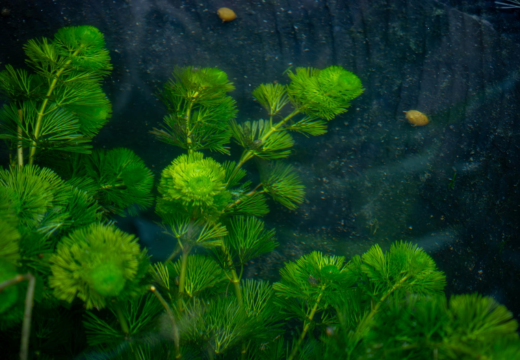
Classical Reference Of Shaival (Ceratophyllum Demersum)
Bhavprakash Nighantu Pushpa Varga Page No. 483
Scientific Classification Of Shaival (Ceratophyllum Demersum)
- Kingdom: Plantae
- Division: Angiosperms
- Class: Magnoliopsida
- Order: Ceratophyllales
- Family: Ceratophyllaceae
- Genus: Ceratophyllum
- Species: demersum
Synonyms Of Shaival (Ceratophyllum Demersum)
- Jalnili: Water blue or indigo of the water. This refers to the vibrant blue-green color of algae mats on the water surface.
- Saivalam: Slimy water plant or aquatic moss. This is the foundational name used to describe its natural texture and habitat.
- Jalaja: Water born or originated from water. This signifies that the plant grows and thrives entirely within an aquatic environment.
Vernacular Names Of Shaival (Ceratophyllum Demersum)
- Sanskrit: Shaival
- Hindi: Jal Seenghada Ghaas / Shaival
- Punjabi: Pani Booti
- Bengali: Shaola
- Gujarati: Jal Sheval
- Marathi: Sheval
- Tamil: Neer Pasi
- Telugu: Neeti Mokka
- English: Hornwort / Coontail
- Latin Name: Ceratophyllum demersum
Habitat & Distribution Of Shaival (Ceratophyllum Demersum)
Native Origin
Shaival, botanically known as Ceratophyllum demersum, is an ancient submerged aquatic plant believed to have originated in temperate and tropical freshwater ecosystems. It naturally inhabits ponds, lakes, reservoirs, marshes, canals, wetlands, and slow-moving rivers. Due to its exceptional adaptability and rapid vegetative growth, the plant has successfully spread across diverse climatic regions throughout the world. In Ayurveda and traditional aquatic ecology, Shaival is recognized as an important freshwater herb that contributes significantly to maintaining aquatic balance and water purity.
Global Distribution
Ceratophyllum demersum has an almost cosmopolitan distribution and is widely found across Asia, Europe, Africa, North America, South America, and Australia. It is regarded as one of the most widespread submerged aquatic plants due to its remarkable tolerance to varying environmental conditions. The species can flourish in both tropical and temperate zones and survives in waters ranging from shallow ponds to deep freshwater lakes. In many regions, it forms dense underwater colonies that provide shelter and breeding habitats for aquatic organisms such as fish, insects, and amphibians.
Distribution in India
In India, Shaival is abundantly distributed in freshwater bodies throughout the plains, foothills, and some hilly regions. It is commonly observed in village ponds, irrigation canals, wetlands, rice fields, reservoirs, and lakes. States with abundant freshwater ecosystems such as Punjab, Haryana, Uttar Pradesh, Bihar, West Bengal, Assam, Madhya Pradesh, Kerala, and Tamil Nadu commonly report its presence. The plant grows extensively during warmer months when nutrient-rich stagnant water supports rapid multiplication.
Climatic Requirements
Shaival thrives best in moderate to warm climatic conditions with sufficient sunlight penetration into the water. The ideal temperature range for its growth is approximately 15°C–30°C. However, the plant exhibits extraordinary adaptability and can survive seasonal fluctuations in temperature and water quality. It prefers still or slow-moving freshwater habitats because strong currents may damage its delicate submerged stems and leaves. Adequate sunlight enhances photosynthesis and supports vigorous vegetative growth.
Water and Soil Conditions
Being a free-floating submerged aquatic herb, Ceratophyllum demersum does not require attachment to soil through roots. Instead, it absorbs nutrients directly from surrounding water through its stems and leaves. The plant thrives best in nutrient-rich freshwater containing organic matter, nitrates, phosphates, and dissolved minerals. It prefers neutral to slightly alkaline water conditions but can also tolerate mildly acidic environments. Shaival is capable of surviving in shallow as well as moderately deep water bodies where sunlight reaches underwater vegetation.
Ecological Adaptability
One of the most remarkable features of Shaival is its excellent ecological adaptability. The plant can tolerate fluctuations in nutrient availability, water pH, temperature, and dissolved oxygen levels. Research studies indicate that Ceratophyllum demersum possesses phytoremediation properties, meaning it can absorb pollutants, heavy metals, and excess nutrients from contaminated water bodies. Due to this capability, it is considered environmentally beneficial for improving water quality naturally. It also helps reduce algal blooms by competing for nutrients and releasing allelopathic compounds that inhibit excessive algae growth.
Ecological Importance
Shaival plays a crucial ecological role in freshwater ecosystems. Dense underwater vegetation formed by the plant provides shelter, breeding grounds, and protection for small fish, aquatic insects, mollusks, and amphibians. It also contributes to oxygenation of water through photosynthesis, thereby supporting aquatic biodiversity. Additionally, the plant helps stabilize aquatic ecosystems by reducing water turbidity and minimizing sediment disturbance.
Morphology Of Shaival (Ceratophyllum Demersum)
Plant Habit
Ceratophyllum demersum is a submerged, rootless, perennial aquatic herb characterized by long, slender, freely branching stems. The plant remains entirely underwater and floats beneath the water surface without anchoring to the soil. It often forms thick underwater mats or colonies that may cover large portions of ponds and lakes. Its soft yet flexible structure allows it to move freely with water currents while remaining intact.
Stems
The stems are elongated, cylindrical, green, and highly branched with a delicate but flexible texture. Under favorable environmental conditions, the stems may attain lengths ranging from 1–3 meters or even longer. Nodes and internodes are clearly visible, and branching occurs profusely, giving the plant a bushy underwater appearance. The stem tissues contain air spaces that aid buoyancy and help maintain the plant’s submerged floating habit.
Leaves
Leaves are arranged in characteristic whorls around the stem, usually with 5–12 leaves per node. Each leaf is repeatedly forked and finely dissected into narrow thread-like segments, giving a horn-like appearance, which is the reason for its common name “Hornwort.” The leaf margins possess minute teeth or spines that make them rough to touch. This finely divided structure increases the surface area for absorption of dissolved nutrients and gases from water.
Flowers
The flowers of Ceratophyllum demersum are extremely small, inconspicuous, and greenish or brownish-green in color. The plant is monoecious, meaning both male and female flowers occur separately on the same plant. Pollination takes place underwater, a rare adaptation among flowering plants known as hydrophily. Male flowers release pollen directly into water currents, which eventually reach female flowers for fertilization.
Fruits
The fruit is a small, oval, hard nutlet with characteristic spiny projections or horns. These spines assist in dispersal by allowing attachment to aquatic animals, birds, or floating debris. Fruits develop underwater after fertilization and contribute to long-distance distribution of the species across freshwater ecosystems.
Seeds
Seeds are tiny, hard, and highly durable. They possess the ability to remain viable under aquatic conditions for prolonged periods. Natural propagation occurs through both seeds and vegetative fragmentation of stems. Even small stem fragments can regenerate into complete plants under favorable conditions, contributing to the rapid spread and colonization ability of Shaival.
Anatomical Adaptations
Research studies reveal that Ceratophyllum demersum possesses specialized anatomical adaptations suitable for aquatic life. The plant lacks true roots and contains reduced vascular tissues because water and nutrients are directly absorbed from the surrounding environment. Large intercellular air spaces within tissues enhance buoyancy and facilitate gaseous exchange underwater. Its thin cuticle and highly dissected leaves further improve nutrient absorption efficiency.
Reproductive Characteristics
Apart from seed formation, vegetative reproduction is the primary method of multiplication in Shaival. Stem fragmentation caused by water movement, animals, or human activity can generate new plants rapidly. This characteristic enables the plant to colonize freshwater habitats efficiently and sometimes become highly dominant in nutrient-rich waters.
Classical Categorisation Of Shaival (Ceratophyllum Demersum)
- Bhavprakash Nighantu: Pushpa Varga
- Raj Nighantu: Shalmalayadi Varga
Ancient Verses For Shaival (Ceratophyllum Demersum)
शैवालं जलनीली स्यात् शैवलं जलजञ्च तत् ।
शैवालं शीतलं स्निग्धं सन्तापव्रणनाशनम् ॥Raj Nighantu Shalmalayadi Varga Verse No. 156
Verse Interpretation
- Synonyms of Saivala: Saivala is also commonly referred to by three alternative names: Jalnili, Saivalam, and Jalaja.
- Medicinal Properties and Health Benefits: This substance possesses natural cooling effects and acts as an excellent unctuous or lubricating agent. Furthermore, it is highly effective in bringing down fevers and accelerating the healing process of physical wounds.
Ayurvedic Properties Of Shaival (Ceratophyllum Demersum)
- Rasa (Taste): Tikta (Bitter), Kashaya (Astringent), Madhur (Sweet)
- Guna (Quality): Laghu (Light), Snigdha (Unctuous)
- Virya (Potency): Sheeta (Cold)
- Vipaka (Post-Digestive Effect): Katu (Pungent)
Action On Tridosha Of Shaival (Ceratophyllum Demersum)
Shaival primarily pacifies Pitta Dosha and helps balance Kapha Dosha due to its cooling and detoxifying properties.
Therapeutic Indications Of Shaival (Ceratophyllum Demersum)
- Skin Disorders
- Inflammatory Conditions
- Burning Sensation
- Piles
- Excessive Thirst
- Fever
- Urinary Disorders
- Wounds and Ulcers
- Liver Disorders
- Oxidative Stress Conditions
- Waterborne Infections
- General Detoxification
Systemic Actions Of Shaival (Ceratophyllum Demersum)
Digestive System
Shaival possesses cooling and detoxifying properties that help balance excess heat in the digestive tract. Its antioxidant compounds may protect gastrointestinal tissues from oxidative stress and inflammation. Traditionally, it is considered supportive for healthy digestion, acidity, and metabolic balance. The herb may also assist in removing toxins from the body and maintaining proper digestive function through its soothing and cleansing effects.
Urinary System
Ceratophyllum demersum is known for its soothing action on the urinary system. Its cooling nature may help reduce urinary irritation, burning sensation, and inflammation. The plant’s detoxifying and antimicrobial properties support natural cleansing of the urinary tract and help maintain urinary health. Antioxidant constituents may further protect urinary tissues from oxidative damage and support proper elimination of metabolic waste products.
Integumentary System (Skin)
Shaival exhibits anti-inflammatory, antioxidant, and antimicrobial activities beneficial for skin health. Its bioactive compounds may help soothe irritated skin, minor wounds, redness, and inflammatory conditions. The antioxidant activity protects skin cells from free radical damage, while antimicrobial properties may help reduce microbial growth. Traditionally, cooling aquatic herbs like Shaival are valued for maintaining healthy, calm, and naturally balanced skin tissues.
Circulatory System
The antioxidant constituents present in Shaival may support healthy circulation by reducing oxidative stress within blood vessels and tissues. Flavonoids and phenolic compounds help neutralize harmful free radicals that contribute to vascular damage. Its detoxifying nature may assist in maintaining blood purity and proper circulation. Research also suggests that antioxidant-rich aquatic plants may help support microcirculation and healthy oxygen supply to body tissues.
Hepatic System
Research studies suggest that Ceratophyllum demersum possesses hepatoprotective properties due to its antioxidant and detoxifying compounds. These phytochemicals may help protect liver cells from oxidative stress and toxin-induced damage. The herb may also support normal liver metabolism and detoxification processes. Traditional herbal practices value cooling and cleansing plants like Shaival for maintaining healthy liver function and promoting internal purification naturally.
Immune System
Shaival contains flavonoids, tannins, phenolic compounds, and other phytochemicals that contribute to antimicrobial and immune-supportive activities. Its antioxidant properties help reduce cellular damage caused by free radicals, thereby supporting immune balance. Experimental studies indicate that plant extracts may inhibit certain microorganisms and reduce inflammation. By protecting tissues and minimizing oxidative stress, Shaival may help strengthen the body’s natural defense mechanisms.
Chemical Composition Of Shaival (Ceratophyllum Demersum)
Flavonoids
Flavonoids help neutralize harmful free radicals and reduce oxidative stress in the body. They support liver protection, immune health, and healthy circulation. Research also suggests antimicrobial and anti-inflammatory activities beneficial for overall wellness.
Phenolic Compounds
Phenolic compounds protect cells and tissues from oxidative damage. They help reduce inflammation and may support healthy aging processes. Research indicates potential antimicrobial and hepatoprotective activities.
Terpenoids and Triterpenes
These compounds possess strong anti-inflammatory and antimicrobial activities. Studies suggest hepatoprotective and anticancer potential in experimental models. They may also help regulate metabolic and cellular protective mechanisms.
Fatty Acids and Lipids
Fatty acids help maintain healthy cellular membranes and metabolic balance. Phytol exhibits antioxidant and antimicrobial properties. These compounds may support immune function and tissue protection.
Sterols
Sterols may help support healthy cholesterol and lipid metabolism. They possess anti-inflammatory and immune-supportive properties. Research suggests cardioprotective and cellular protective actions.
Glycosides
Glycosides exhibit antioxidant and antimicrobial activities. They may help reduce inflammation and protect body tissues. Research also suggests supportive effects on detoxification and cellular defense.
Alkaloids
Alkaloids are known for antimicrobial and protective biological actions. They may contribute to pain-relieving and defense-supportive properties. These compounds enhance the therapeutic potential of the plant.
Tannins
Tannins help protect tissues against microbial infection and oxidative stress. They possess natural astringent and wound-healing properties. Research supports their role in reducing inflammation and tissue irritation.
Volatile Compounds
Volatile compounds contribute to antimicrobial and antioxidant activities. They help the plant resist environmental and microbial stress naturally. These constituents may support protective and detoxifying actions in the body.
Proteins, Amino Acids, and Carbohydrates
Amino acids support tissue repair and enzymatic activities in the body. Proteins contribute to cellular nourishment and metabolic balance. Carbohydrates provide energy and support overall physiological functioning.
Practical Uses / Health Benefits Of Shaival (Ceratophyllum Demersum)
- Cools the Body: Shaival has natural cooling properties that help reduce excess body heat and burning sensations. It is helpful during hot weather conditions and supports internal body balance.
- Helps Digestion: The plant may help support healthy digestion and reduce stomach irritation caused by heat. Its soothing nature helps maintain digestive comfort naturally.
- Supports Urinary Health: Shaival may help reduce urinary burning and irritation. Its cooling and cleansing properties support healthy urinary function and comfort.
- Good for Skin: The herb has anti-inflammatory and antimicrobial properties that may help soothe skin irritation, redness, and minor wounds. It also helps protect the skin from damage.
- Supports Liver Health: Research suggests that Shaival may help protect liver cells and support healthy liver function. Its antioxidant compounds assist in natural detoxification.
- Boosts Immunity: Shaival contains natural compounds that help support the immune system. These compounds may help protect the body from harmful microbes and stress.
- Reduces Inflammation: The plant may help reduce swelling, redness, and irritation in the body. Its anti-inflammatory properties support overall tissue health.
- Helps Clean Water: One important use of Shaival is its ability to absorb pollutants and toxins from water. It naturally helps improve water quality.
- Supports Aquatic Life: Shaival provides shelter and protection for fish and small water animals. It also helps increase oxygen levels in water bodies.
Home Remedies With Shaival (Ceratophyllum Demersum)
Shaival Water
- Boil a small amount of dried Shaival in water.
- Strain and drink in small quantities.
- Traditionally used for body cooling and reducing heat.
Shaival Paste for Skin
- Make a paste of Shaival with water.
- Apply on minor skin irritation or itching.
- Wash after 10–15 minutes.
Shaival Herbal Wash
- Boil Shaival in water and let it cool.
- Use the water to wash the skin.
- May help soothe and refresh the skin.
Cooling Drink
- Soak a small amount of dried Shaival in water overnight.
- Strain and drink in limited quantities.
- Traditionally used in summer for cooling effects.
Part(S) Used Of Shaival (Ceratophyllum Demersum)
- Whole Plant
- Leaves
- Stem
Dosage Of Shaival (Ceratophyllum Demersum)
- Fresh Juice (Swarasa): 10–20 ml once or twice daily.
- Cold Infusion (Hima): 50–60 ml daily.
- Decoction (Kwath): 50–100 ml daily.
- Powder (Churna): 1–3 grams daily with lukewarm water.
Note: The dosage may vary according to age, body constitution, and health condition. It is advised to use clean and properly identified Shaival under expert supervision for safe use.
Research On Shaival (Ceratophyllum Demersum)
Ceratophyllum demersum is an aquatic medicinal herb that has attracted scientific attention due to its rich phytochemical composition and possible therapeutic actions. Various experimental studies suggest that the plant contains biologically active compounds that may contribute to antioxidant, antimicrobial, anti-inflammatory, and protective activities. Although traditional systems have recognized aquatic herbs for cooling and healing purposes, modern research on Shaival is still developing.
Antioxidant Activity
Research studies suggest that Shaival possesses strong antioxidant properties due to the presence of flavonoids and phenolic compounds. Antioxidants help neutralize harmful free radicals in the body, which may reduce oxidative stress and support cellular health. Oxidative stress is associated with aging, inflammation, and several chronic disorders, making antioxidant-rich herbs important for overall wellness.
Antimicrobial Properties
Scientific investigations have shown that extracts of Ceratophyllum demersum may exhibit antibacterial and antifungal effects against certain microorganisms. Researchers believe that phytochemicals present in the plant may help inhibit microbial growth. Due to these properties, Shaival has been explored for its potential role in maintaining skin health and supporting protection against minor microbial infections.
Anti-inflammatory Potential
Some research indicates that Shaival may possess anti-inflammatory properties because of its bioactive compounds. Inflammation is a natural response of the body, but excessive or chronic inflammation can affect overall health. Preliminary studies suggest that plant extracts may help reduce inflammatory activity, although more detailed human studies are still required.
Blood Sugar Supporting Effects
Experimental studies suggest that Ceratophyllum demersum may support healthy glucose metabolism. Certain compounds found in the plant have shown activity related to carbohydrate digestion and glucose regulation in laboratory studies. However, clinical research in humans remains limited, and the herb should not replace medical treatment.
Rich Phytochemical Composition
Researchers have identified several beneficial compounds in Shaival, including flavonoids, tannins, alkaloids, terpenoids, and phenolic substances. These compounds are believed to be responsible for many of the herb’s potential medicinal actions. The presence of such phytochemicals supports its importance in herbal and natural medicine research.
Potential Hepatoprotective Effects
Some studies suggest that aquatic medicinal plants rich in antioxidants may help protect cells from toxin-induced stress. Shaival has been explored for its protective properties in experimental models, indicating possible benefits for maintaining normal cellular function and tissue protection.
Environmental Purification Property
One of the unique research findings about Shaival is its ability to absorb heavy metals and pollutants from water bodies. Scientists have used Ceratophyllum demersum in environmental studies for water purification and phytoremediation. However, because the plant can absorb contaminants, medicinal use should only involve clean and properly sourced material.
Cooling and Protective Nature
Traditional observations and early research suggest that Shaival may possess cooling properties, making it useful in conditions associated with excessive body heat. Its soothing and protective nature has encouraged further interest in its therapeutic possibilities.
Conclusion
Shaival (Ceratophyllum demersum) is an important aquatic medicinal herb valued in both traditional medicine and modern scientific research for its cooling, detoxifying, antioxidant, and antimicrobial properties. In Ayurveda, it is recognized for balancing Pitta dosha and supporting conditions related to heat, inflammation, urinary disturbances, skin disorders, and wounds. Its rich phytochemical composition, including flavonoids, tannins, alkaloids, and phenolic compounds, contributes to its therapeutic potential. Scientific studies further suggest its possible hepatoprotective, anti-inflammatory, and blood sugar-supporting effects, though more human clinical research is still needed. Ecologically, Shaival plays a significant role in maintaining freshwater balance by oxygenating water, supporting aquatic biodiversity, and absorbing pollutants and heavy metals. Due to its medicinal and environmental importance, Shaival continues to attract growing research interest as a promising herb for natural health support and ecological sustainability.