


Anjbaar (Polygonum viviparum): Properties, Indications, Uses & Dosage
Abstract
Anjbaar, botanically identified as Polygonum viviparum and belonging to the family Polygonaceae, is an important medicinal herb described in traditional Ayurvedic literature. It is primarily found in the Himalayan regions ranging from Kashmir to Sikkim and is regarded as a Kashaya (astringent) herb with strong Rakta-stambhaka (haemostatic) properties. Classical Ayurvedic texts describe its usefulness in conditions such as inflammation, bleeding disorders, wounds, and excessive discharge. The herb is traditionally employed for cleansing and healing wounds through decoction washes and is especially valued in disorders involving Rakta-pitta and Rakta-atisara. Due to its cooling and absorbent nature, Anjbaar helps in balancing aggravated Pitta and Kapha doshas while promoting tissue healing and reducing inflammation. Modern phytochemical investigations reveal the presence of tannins, flavonoids, glycosides, and phenolic compounds contributing to its antioxidant, anti-inflammatory, antimicrobial, and haemostatic activities. Its traditional significance and therapeutic versatility make it an important Himalayan medicinal plant in Ayurveda and folk medicine.
Classical Reference Of Anjbaar (Polygonum Viviparum)
Bhavprakash Nighantu / Parishisht Varga
Scientific Classification Of Anjbaar (Polygonum Viviparum)
- Kingdom: Plantae
- Division: Angiosperms
- Class: Eudicots
- Order: Caryophyllales
- Family: Polygonaceae
- Genus: Polygonum
- Species: viviparum
Vernacular Names Of Anjbaar (Polygonum Viviparum)
- Sanskrit: Anjbaar
- Hindi: Anjbar
- Punjabi: Anjbar
- Kashmiri: Anjbar
- English: Alpine Bistort / Viviparous Knotweed
- Latin Name: Polygonum viviparum
Habitat & Distribution Of Anjbaar (Polygonum Viviparum)
Native Origin
Anjbaar, botanically identified as Polygonum viviparum, is a perennial herbaceous plant belonging to the family Polygonaceae. It is considered native to the cold alpine and subalpine regions of the Northern Hemisphere, particularly the Himalayan mountain ranges and Arctic-temperate zones. The plant has evolved naturally in harsh mountainous ecosystems where low temperatures, short growing seasons, and rocky soils dominate. Due to its remarkable adaptability, it survives in elevations where only specialized alpine vegetation can flourish.
Distribution in India
In India, Polygonum viviparum is predominantly distributed throughout the higher Himalayan belt extending from Jammu and Kashmir and Himachal Pradesh to Uttarakhand, Sikkim, and parts of Arunachal Pradesh. It is commonly found at altitudes ranging between 2,500 to 5,000 meters above sea level. The herb grows abundantly in alpine meadows, moist grasslands, glacial valleys, rocky slopes, and near melting snow zones. In traditional Himalayan medicine, the plant is collected from wild habitats by local communities for medicinal purposes.
Global Distribution
Globally, Polygonum viviparum has a circumboreal and alpine distribution. It occurs naturally in high-altitude and cold temperate regions of India, Nepal, Bhutan, China, and Tibet. The species is also widely distributed across northern and central Europe, including Scandinavian alpine zones, and extends into North America, especially Alaska, Canada, and mountainous regions of the United States. Its widespread occurrence in Arctic and alpine ecosystems reflects its strong ecological tolerance to extreme cold climates.
Climatic Requirements
Polygonum viviparum thrives best under cool, humid, and temperate to alpine climatic conditions. The plant prefers environments characterized by:
- Low annual temperatures
- High atmospheric humidity
- Moderate rainfall or snow precipitation
- Short summer growing periods
- Prolonged winter dormancy
Research observations indicate that the species demonstrates optimal growth in regions where temperatures remain mild during summer and significantly low during winter. Snow cover during winter acts as an insulating layer, protecting underground rhizomes from freezing injury.
Soil Requirements
The plant prefers moist, fertile, humus-rich, and well-drained soils commonly present in alpine terrains. It flourishes in slightly acidic to neutral soils rich in organic matter formed from decomposed mountain vegetation. Polygonum viviparum is frequently observed growing in:
- Rocky crevices
- Moss-covered alpine soils
- Meadow grasslands
- Glacial moraine deposits
- Moist mountain slopes
Its underground rhizomatous system helps the plant absorb nutrients efficiently even in nutrient-poor alpine environments.
Ecological Adaptability
Polygonum viviparum possesses remarkable ecological adaptability that enables survival in severe alpine habitats. Several morphological and physiological adaptations contribute to its resilience, including:
- Rhizomatous root system for nutrient storage
- Viviparous bulbils aiding vegetative reproduction
- Compact growth habit reducing moisture loss
- High cold tolerance and frost resistance
- Ability to survive under low oxygen conditions at high altitude
The plant is considered an important component of alpine biodiversity and plays a role in stabilizing fragile mountain ecosystems. Studies suggest that its reproductive strategy through bulbils allows rapid colonization in unstable rocky terrains where seed germination may be difficult. Additionally, the species contributes to soil conservation and supports alpine grazing ecology in Himalayan regions.
Morphology Of Anjbaar (Polygonum Viviparum)
Plant (Habit)
Polygonum viviparumis a small perennial alpine herb belonging to the family Polygonaceae. The plant generally grows up to 10–40 cm in height depending upon environmental and climatic conditions. It possesses an erect, slender, smooth, and mostly unbranched stem arising from an underground rhizome. The compact growth habit of the herb helps it withstand strong alpine winds, freezing temperatures, and harsh mountain conditions. It commonly grows in moist alpine meadows, rocky slopes, and grasslands of high-altitude Himalayan regions.
Roots
The plant possesses a thick, creeping rhizomatous rootstock that acts as a storage organ for nutrients and energy. The rhizome is cylindrical, hard, and brown externally with a pale yellowish-white inner surface. It is rich in tannins, starch, and various polyphenolic compounds responsible for its medicinal importance. Numerous fibrous adventitious roots arise from the rhizome and help anchor the plant firmly in rocky mountain soils. The underground rhizome also enables the plant to survive long snow-covered winters and regenerate during the short alpine growing season.
Leaves
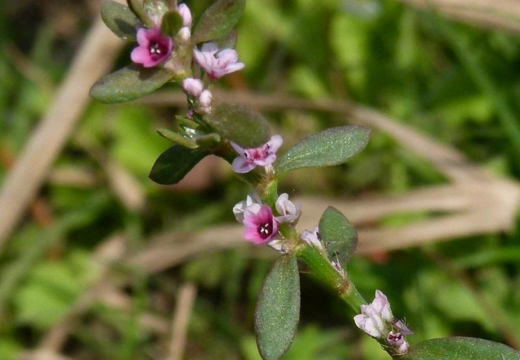
The leaves of Polygonum viviparum are simple, alternate, and lanceolate to oblong in shape. Basal leaves are comparatively larger, long-petioled, and arranged in a rosette form near the base of the plant, whereas upper leaves are smaller, narrow, and sessile or shortly stalked. The upper surface of the leaves appears dark green and smooth, while the lower surface is pale green or greyish. The leaves possess entire or slightly wavy margins and a leathery texture that helps reduce moisture loss and protects the plant from frost injury and desiccation in cold climates.
Flowers
The flowers are small, bisexual, and arranged in dense terminal spike-like inflorescences borne at the apex of the stem. Individual flowers are pinkish-white, pale red, or greenish in color depending on their stage of maturity. The floral structure consists of petaloid perianth segments surrounding the reproductive organs. A characteristic feature of the plant is the development of bulbils in the lower portion of the inflorescence, often replacing some flowers. This phenomenon, known as vivipary, supports vegetative propagation and allows rapid multiplication in alpine habitats where seed germination is often difficult.
Fruits
The fruit of Polygonum viviparum is a small, dry, triangular achene enclosed within persistent floral parts. The fruits develop during the short summer season after successful fertilization. Mature achenes are smooth, shiny, and dark brown to black in appearance. Their lightweight structure supports limited dispersal through wind and water movement in mountainous terrains.
Seeds
Seeds are minute, smooth, and dark brown or black in color with a hard protective outer coat. This seed coat helps protect the embryo from adverse environmental conditions such as freezing temperatures and moisture stress. Seed germination in natural alpine habitats is usually slow because of low temperatures and short growing periods. Therefore, vegetative propagation through bulbils is considered a more efficient reproductive strategy for the survival of the species in high-altitude ecosystems.
Classical Categorisation Of Anjbaar (Polygonum Viviparum)
- Bhavprakash Nighantu: Parishisht Varga
Ayurvedic Properties Of Anjbaar (Polygonum Viviparum)
- Rasa (Taste): Kashaya (Astringent)
- Guna (Quality): Laghu (Light), Ruksha (Dry)
- Virya (Potency): Sheeta (Cold)
- Vipaka (Post-Digestive Effect): Katu (Pungent)
Action On Tridosha Of Anjbaar (Polygonum Viviparum)
Anjbaar mainly pacifies Pitta and Kapha doshas due to its cooling and astringent properties. Excessive use may aggravate Vata because of its drying nature.
Therapeutic Indications Of Anjbaar (Polygonum Viviparum)
- Rakta-pitta (Bleeding Disorders):
- Rakta-atisara (Bloody Diarrhea):
- Rakta-Pradara (Menorrhagia):
- Inflammation:
- Wounds and Ulcers:
- Swelling (Edema):
- Skin Irritations:
- Joint pain:
- Postpartum recovery:
Systemic Actions Of Anjbaar (Polygonum Viviparum)
Digestive System
Polygonum viviparum supports digestive health through its astringent, antioxidant, and soothing properties. The tannin-rich rhizome helps reduce excessive intestinal secretions and provides relief in diarrhea, dysentery, and intestinal irritation. Its polyphenolic compounds help protect the intestinal mucosa from inflammation and oxidative stress, thereby supporting gut integrity and digestive comfort. The herb is also beneficial in calming gastric irritation and maintaining healthy bowel function.
Circulatory System
The herb supports healthy circulation and vascular function due to the presence of flavonoids and antioxidant constituents. These bioactive compounds help protect blood vessels from oxidative damage and promote smooth blood flow. Its traditional haemostatic action helps reduce minor abnormal bleeding and supports tissue stability. The plant also exhibits mild anti-inflammatory effects that contribute to maintaining healthy circulatory activity.
Reproductive System
Polygonum viviparum is traditionally used in conditions associated with excessive menstrual flow and abnormal vaginal discharge. Its cooling and absorbent nature helps maintain balance within the reproductive system and supports tissue tone. The herb also contains natural anti-inflammatory compounds that help soothe irritation and discomfort. In traditional practices, the rhizome has additionally been valued for restoring strength and vitality after childbirth.
Integumentary System (Skin)
The rhizome and herbal decoction are beneficial for skin health and external healing applications. The plant contains antimicrobial, antioxidant, and soothing compounds that help cleanse wounds, ulcers, bruises, and inflamed skin conditions. Its astringent action supports tissue contraction and reduces local swelling, while its protective phytochemicals assist in tissue repair and maintenance of healthy skin integrity.
Excretory System
The herb supports the excretory system by helping reduce inflammatory discharges and soothing irritated tissues. Its antioxidant constituents help protect cells from oxidative stress and promote healthy tissue recovery. Traditional usage also indicates its supportive role in maintaining urinary comfort and reducing irritation associated with inflammatory conditions affecting the urinary pathways.
Chemical Constituents Of Anjbaar (Polygonum Viviparum)
- Tannins: Help reduce diarrhea, control excessive secretions, support wound healing, and provide astringent action.
- Quercetin: Exhibits antioxidant and anti-inflammatory properties that help protect body tissues.
- Kaempferol: Supports immune function and protects cells from oxidative damage.
- Luteolin: Helps reduce inflammation and supports tissue protection.
- Gallic Acid: Possesses antioxidant, antimicrobial, and protective biological activities.
- Chlorogenic Acid: Supports metabolic balance and helps reduce oxidative stress.
- Caffeic Acid: Contributes to anti-inflammatory and antioxidant effects.
- Ferulic Acid: Helps protect tissues from cellular damage and supports vascular health.
- Phenolic Compounds: Provide antioxidant protection and support healing activities.
- Flavonoids: Support vascular stability, reduce oxidative stress, and maintain healthy inflammatory responses.
- Terpenoids: Exhibit protective and anti-inflammatory actions beneficial for various body systems.
- Polysaccharides: Support tissue nourishment, repair, and immune health.
Practical Uses / Health Benefits Of Anjbaar (Polygonum Viviparum)
- Polygonum viviparum possesses strong astringent properties due to its tannin-rich rhizome, which helps reduce excessive bleeding and intestinal secretions.
- The herb is traditionally used in bloody diarrhea, intestinal irritation, and inflammatory bowel conditions to support healthy bowel function.
- Its antioxidant compounds help protect body tissues from oxidative stress and cellular damage.
- Flavonoids and phenolic constituents present in the plant support healthy inflammatory responses and reduce tissue swelling.
- The decoction of the rhizome is traditionally applied externally for cleansing wounds, ulcers, bruises, and inflamed skin conditions.
- Antimicrobial and tissue-protective constituents help support wound healing and maintain skin integrity.
- The herb helps soothe irritated mucosal tissues and supports recovery in inflammatory conditions.
- Its cooling and soothing nature helps relieve burning sensations and heat-associated discomfort within the body.
- Traditional applications also include support in excessive vaginal discharge and abnormal uterine bleeding due to its absorbent action.
- The plant supports tissue repair and recovery by promoting protection of damaged cells and healthy regeneration.
- Bioactive compounds present in the herb contribute to vascular protection and maintenance of normal circulation.
- The rhizome is also valued in traditional mountain medicine for improving physical recovery and restoring vitality after weakness.
Home Remedies With Anjbaar (Polygonum Viviparum)
- For Wound Cleansing: Polygonum viviparum rhizome decoction can be used externally for washing minor wounds, ulcers, and inflamed skin areas. The tannins and phenolic compounds present in the herb help cleanse the affected area, support tissue contraction, and promote healthy healing. Its antimicrobial and soothing properties also help reduce local irritation and support skin recovery.
- For Bloody Diarrhea and Intestinal Irritation: A mild rhizome decoction is traditionally used in intestinal irritation, loose stools, and bloody diarrhea under proper Ayurvedic guidance. The astringent constituents help reduce excessive intestinal secretions and support protection of the intestinal lining. Antioxidant compounds present in the herb also help soothe inflamed intestinal tissues.
- For Excessive Vaginal Discharge: The diluted decoction has traditionally been used externally as a cleansing wash in excessive vaginal discharge and local irritation. Its absorbent and tissue-supportive properties help maintain healthy mucosal tissues and reduce discomfort. The cooling nature of the herb also helps soothe burning sensations and local inflammation.
- For Swelling and Local Inflammation: A paste prepared from the rhizome may be applied externally over swollen or inflamed areas. The herb contains anti-inflammatory and antioxidant compounds that help reduce local swelling and tissue irritation. Its soothing action supports comfort and recovery in minor inflammatory conditions.
Part Used Of Anjbaar (Polygonum Viviparum)
- Rhizome
- Root
- Whole Plant
Dosage Of Anjbaar (Polygonum Viviparum)
- Powder: 1–3 grams twice daily
- Decoction: 30–50 ml
Research On Anjbaar (Polygonum Viviparum)
Antioxidant Activity
Polygonum viviparum contains a rich variety of antioxidant phytochemicals including flavonoids, tannins, and phenolic acids. Compounds such as quercetin, gallic acid, and chlorogenic acid help neutralize harmful free radicals and protect body tissues from oxidative stress. These antioxidant effects support cellular protection, tissue stability, and overall recovery from inflammatory and metabolic stress conditions.
Anti-inflammatory Activity
The herb possesses significant anti-inflammatory properties due to the presence of flavonoids and polyphenolic compounds. These constituents help regulate inflammatory responses within the body and reduce swelling, irritation, and tissue discomfort. The soothing action of the rhizome is beneficial in inflammatory conditions affecting the skin, intestines, and vascular tissues.
Antimicrobial Activity
Extracts of Polygonum viviparum exhibit inhibitory effects against certain bacterial and fungal microorganisms. The antimicrobial action is mainly associated with tannins and phenolic compounds present in the rhizome. These constituents help protect tissues from microbial contamination and support the traditional use of the herb in wound cleansing and external inflammatory conditions.
Wound Healing Potential
The rhizome of the plant supports wound healing through its astringent, antimicrobial, and tissue-protective properties. Tannins help promote tissue contraction and assist in the regeneration of damaged tissues. Antioxidant compounds present in the herb further help protect healing tissues from oxidative injury and support faster recovery in minor wounds, ulcers, and skin irritation.
Haemostatic Activity
The tannin-rich composition of Polygonum viviparum contributes to its haemostatic and absorbent properties. These constituents help reduce excessive bleeding by supporting tissue tightening and vascular stability. Traditional applications of the herb include its use in intestinal bleeding, excessive discharges, and other minor bleeding conditions.
Gastroprotective Activity
Phenolic compounds and flavonoids present in the herb help protect the gastric and intestinal mucosa from irritation and inflammatory damage. The herb supports digestive comfort and helps maintain healthy bowel function by soothing inflamed tissues and reducing excessive intestinal secretions. Its protective action contributes to maintaining the integrity of the digestive lining.
Vasoprotective Activity
The flavonoids and antioxidant constituents present in Polygonum viviparum support healthy vascular function and circulation. These compounds help protect blood vessels from oxidative stress and maintain tissue nourishment. The herb also contributes to vascular stability and supports smooth blood flow within the circulatory system.
The Sacred Role Of White Sage (Salvia Apiana) In Indigenous Cultures
For Indigenous communities of California, including the Chumash, Tongva, Kumeyaay, Cahuilla, and Luiseno peoples, white sage is considered a sacred medicine and spiritual ally rather than merely an herb. For thousands of years, these communities have used white sage in ceremonies, prayers, healing practices, and rites of passage. The plant is traditionally harvested with gratitude and intention, reflecting a respectful relationship between people and nature.
Contraindications And Safety Guidelines For Anjbaar (Polygonum Viviparum)
- Excessive use: May aggravate Vata dosha due to its drying nature.
- Caution in constipation: Use cautiously in individuals with severe constipation.
- Pregnancy and lactation: Pregnant and lactating women should use it only under medical supervision.
- Long-term use: Long-term unsupervised use is not recommended.
- Chronic illness: Patients with chronic illness should consult a qualified Ayurvedic physician before use.
Conclusion
Anjbaar (Polygonum viviparum) is a valuable Himalayan medicinal herb recognized in Ayurveda for its potent astringent, cooling, and haemostatic properties. Traditionally used in bleeding disorders, wound management, inflammation, and excessive discharges, the herb demonstrates significant therapeutic relevance in both classical and folk medicine. Its rich phytochemical composition, including tannins and flavonoids, supports its antioxidant, anti-inflammatory, antimicrobial, and wound-healing actions. The herb’s ability to arrest bleeding, reduce swelling, and promote tissue repair makes it particularly beneficial in Rakta-pitta, wounds, and inflammatory conditions. Although generally considered safe in therapeutic doses, it should be used judiciously under professional guidance due to its drying effects on the body. Overall, Anjbaar represents an important alpine medicinal plant that bridges traditional Ayurvedic knowledge with modern phytopharmacological research.