


White Sage (Salvia apiana): Indications, Composition, Uses & Properties
Abstract
White sage (Salvia apiana) is a sacred medicinal plant known for its powerful aroma, spiritual significance, and traditional healing applications. Native to the dry coastal landscapes of Southern California and Baja California, this evergreen shrub has been valued for centuries by Indigenous communities for purification, ceremonies, and herbal wellness. In modern times, white sage has gained popularity in wellness practices for meditation, relaxation, and creating peaceful environments. This article explores the botanical profile, traditional significance, aromatic properties, scientific relevance, methods of use, and fascinating facts surrounding white sage while emphasizing respectful and mindful appreciation of this culturally important plant.
Introduction
Nature has long offered plants that support both physical and spiritual well-being, and among these, white sage holds a unique place. Recognized for its silvery leaves, strong herbal fragrance, and ceremonial importance, white sage has been treasured for generations as a plant of purification, healing, and connection. Native to Southern California and Baja California, white sage has deep roots in Indigenous traditions where it has been used in sacred ceremonies, medicine, and prayer. Today, it is widely appreciated in wellness spaces for its calming aroma and grounding qualities. However, understanding the history and cultural importance of white sage helps foster respectful use and deeper appreciation for this remarkable herb.
Scientific Classification Of White Sage (Salvia Apiana)
- Kingdom: Plantae
- Subkingdom: Tracheobionta (Vascular plants)
- Superdivision: Spermatophyta (Seed-producing plants)
- Division: Magnoliophyta (Flowering plants)
- Class: Magnoliopsida (Dicotyledons)
- Subclass: Asteridae
- Order: Lamiales
- Family: Lamiaceae (Mint family)
- Genus: Salvia
- Species: Salvia apiana
Vernacular Names Of White Sage (Salvia Apiana)
- English: White Sage, California White Sage, Sacred Sage, Bee Sage
- Spanish: Salvia Blanca
- French: Sauge Blanche
- German: Weißer Salbei (White Sage)
- Italian: Salvia Bianca
Habitat Of White Sage (Salvia Apiana)
White sage (Salvia apiana) is a drought-resistant evergreen shrub native to Southern California, USA, and Baja California, Mexico. It naturally grows in warm, dry environments and is well adapted to Mediterranean climatic conditions characterized by hot, dry summers and mild, wet winters.
Natural Distribution and Growing Environment
White sage is commonly found in coastal sage scrub, chaparral regions, dry hillsides, rocky slopes, canyons, and open valleys. It grows best in areas receiving abundant sunlight and limited rainfall, making it highly tolerant to drought conditions.
Soil and Climate Requirements
The plant thrives in well-drained sandy, rocky, or gravelly soils and does not tolerate excessive moisture or waterlogged conditions. White sage prefers dry climates with good sunlight exposure and can grow from coastal regions to elevations of approximately 1,500 meters (4,900 feet).
Ecological Importance and Conservation
White sage supports biodiversity by attracting bees and other pollinators. Due to increasing demand and habitat pressure, researchers emphasize the importance of sustainable harvesting and cultivation to preserve natural populations of this sacred medicinal plant.
Morphology Of White Sage (Salvia Apiana)
Habit
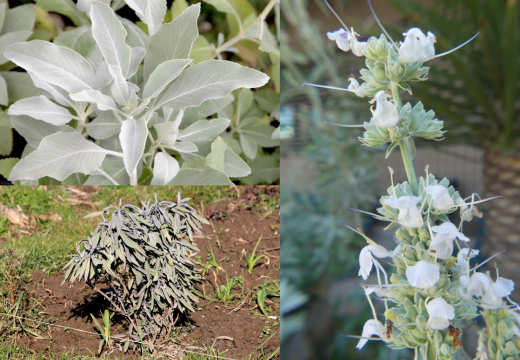
White sage (Salvia apiana) is a perennial, evergreen, and aromatic shrub belonging to the mint family. It survives for many years and retains its foliage throughout different seasons. The plant usually grows up to 1–1.5 meters in height and exhibits a bushy, highly branched growth pattern, which helps it thrive in dry and open habitats.
Root
White sage possesses a deep taproot system that allows it to absorb moisture from deeper layers of soil. This root structure plays an important role in helping the plant survive in dry and drought-prone environments. The extensive root network also provides stability and supports long-term growth.
Stem
The stem of white sage is woody at the base, while the younger parts remain softer and more flexible. It is covered with fine hairs that provide protection against harsh environmental conditions. The stem is also aromatic because of the presence of essential oils, which contribute to the plant’s characteristic fragrance.
Leaves
The leaves of white sage are long, narrow, and lance-shaped, giving the plant a distinctive appearance. They are silvery-white to gray-green in color due to the presence of dense fine hairs on the surface. These leaves are soft, hairy, and release a strong fragrance when crushed. Their structure helps reduce water loss, making the plant suitable for arid conditions.
Inflorescence
White sage produces flowers arranged in elongated clusters that grow on tall flowering stalks. These stalks rise prominently above the leaves, making the flowers more visible to pollinators. The arrangement of flowers supports efficient pollination and reproductive success.
Flowers
The flowers of white sage are generally white to pale lavender in color and possess a two-lipped structure, which is a characteristic feature of plants belonging to the mint family. These flowers are rich in nectar and attract pollinators such as bees and butterflies, playing an essential role in the plant’s reproduction.
Fruit and Seeds
The plant produces dry fruits containing small, hard seeds. These seeds are important for reproduction and help in the natural propagation of the species. Their hard structure provides protection and supports successful dispersal in natural habitats.
Surface Features
The surface of white sage is densely covered with fine hairs, which protect the plant from excessive heat and reduce water loss through evaporation. The plant also contains oil glands that produce aromatic compounds, giving white sage its distinctive scent and medicinal importance.
Therapeutic Indications Of White Sage (Salvia Apiana)
- Common Cold
- Sore Throat
- Fever
- Headache
- Digestive Issues
- Stress and Anxiety
- Emotional Disturbance / Negative Mood
- Postpartum Recovery Support
- Labor Support (Traditional Use)
- Airborne Microbial Exposure
- Mild Inflammation
- Minor Skin Problems (via poultice use)
- Respiratory Discomfort
- Mental Relaxation and Mindfulness Support
- General Wellness and Purification Practices
Systemic Actions Of White Sage (Salvia Apiana)
- Respiratory System: White sage may support respiratory health by helping soothe throat irritation, mild congestion, and breathing discomfort. Its aromatic compounds are traditionally used to promote respiratory comfort.
- Digestive System: It may aid digestive wellness by helping relieve mild digestive discomfort, bloating, and indigestion. Traditional use suggests a supportive effect on normal digestion.
- Nervous System: White sage is known for its calming aroma, which may help reduce stress, promote relaxation, and support emotional balance and mental well-being.
- Immune System: Due to its antimicrobial and antioxidant properties, white sage may help support the body’s natural defense mechanisms and overall immune wellness.
- Integumentary System (Skin): Traditional topical use may help soothe minor skin irritation, wounds, and discomfort while supporting healthy skin recovery.
- Reproductive System: White sage has traditionally been used in women’s health, particularly to support labor and postpartum recovery.
- Musculoskeletal System: Its mild anti-inflammatory and soothing properties may help ease minor pain, discomfort, and inflammation in the body.
Chemical Composition Of White Sage (Salvia Apiana)
- 1,8-Cineole (Eucalyptol): Expectorant, antimicrobial, respiratory support.
- Camphor: Antimicrobial, analgesic, stimulant.
- α-Pinene: Anti-inflammatory, bronchodilator.
- β-Pinene: Antimicrobial, antioxidant.
- Limonene: Antioxidant, calming effect.
- Borneol: Analgesic, anti-inflammatory.
- Rosmarinic Acid: Strong antioxidant and anti-inflammatory compound.
- Caffeic Acid: Antioxidant and protective effects.
- Carnosic Acid: Neuroprotective and antioxidant activity.
- Carnosol: Anti-inflammatory and antimicrobial.
- Ursolic Acid: Anti-inflammatory, antimicrobial.
- Oleanolic Acid: Hepatoprotective and anti-inflammatory.
- Flavonoids (Apigenin, Luteolin, Quercetin Derivatives): Antioxidant and immune-supportive actions.
- Thujone (Trace Amounts): Neuroactive compound; medicinal in very low amounts but toxic in excess.
Ayurvedic Properties Of Gathivan (Polygonum Aviculare)
- Rasa (Taste): Tikta (bitter) and Katu (pungent).
- Virya (Potency): Ushna (hot), indicating a warming effect on the body.
- Guna (Qualities): Teekshna (sharp) and Laghu (light to digest), which support efficient digestion and metabolism.
- Vipaka (Post-Digestive Effect): Katu (pungent), reflecting its influence on the body after digestion.
Practical Uses / Health Benefits Of White Sage (Salvia Apiana)
- Respiratory Support: Traditionally used for colds, cough, sinus congestion, and breathing discomfort due to eucalyptol-rich volatile oils.
- Antimicrobial Action: Helps inhibit certain bacteria and fungi; traditionally used for cleansing and wound care.
- Anti-inflammatory Effects: Compounds like rosmarinic acid and ursolic acid may help reduce inflammation and body aches.
- Antioxidant Protection: Flavonoids and phenolic acids help protect cells from oxidative stress.
- Stress Relief & Relaxation: Aromatic smoke or herbal infusion may promote calming and mental relaxation.
- Digestive Support: Mild tea preparations are traditionally used for bloating, indigestion, and stomach discomfort.
- Pain Relief: Camphor and borneol contribute mild analgesic effects for headaches and muscular discomfort.
- Immune Support: Antioxidant and antimicrobial compounds may support natural immune defense.
- Insect Repellent: Smoke and essential oils help repel insects naturally.
- Traditional Purification Use: Widely used in Indigenous traditions for ceremonial cleansing and spiritual practices.
Part Used Of White Sage (Salvia Apiana)
- Leaves: Most commonly used medicinal and aromatic part.
- Young Aerial Parts: Stems with leaves used in herbal preparations.
- Flowering Tops: Sometimes used for aromatic and traditional medicinal purposes.
- Essential Oil: Extracted mainly from leaves and aerial parts.
Systemic Actions Of Gathivan (Polygonum Aviculare)
- Urinary System: It acts as a diuretic, helps in breaking or removing stones, and assists in the downward movement of suppressed urine.
- Digestive System: It helps in blood clotting and reducing excessive secretions. It is commonly used in cases of chronic diarrhea and abdominal discomfort associated with mucus accumulation or amoebiasis.
- Respiratory System: It is used to support respiratory health, particularly in conditions such as bronchitis and whooping cough. It also acts as an expectorant, helping to loosen and expel excess phlegm from the respiratory tract.
- Thermoregulation: It possesses antipyretic properties, making it beneficial in managing fevers, especially intermittent fevers.
Dosage Of White Sage (Salvia Apiana)
- Herbal Tea / Infusion: 1–2 grams dried leaves in 150–200 mL hot water, 1–2 times daily.
- Powdered Leaf: 250–500 mg once or twice daily.
- Tincture (1:5): 1–2 mL, up to 2 times daily.
- Essential Oil: External use only after proper dilution (1–2% in carrier oil).
- Smudging / Aromatic Use: Small quantity of dried leaves burned occasionally for inhalation/aromatic purposes.
Home Remedies Of White Sage (Salvia Apiana)
White Sage Tea for Cold & Congestion
- Add 1 teaspoon dried white sage leaves to 1 cup hot water.
- Steep for 5–10 minutes.
- Drink warm once or twice daily.
- Traditionally used for cough, sore throat, sinus congestion, and mild fever.
Gargle for Sore Throat
- Prepare mild white sage tea.
- Let it cool slightly.
- Gargle 2–3 times daily.
- May help with throat irritation and mouth discomfort.
Steam Inhalation
- Add a few leaves to hot water.
- Inhale steam carefully for 5 minutes.
- Traditionally used for blocked nose and breathing discomfort.
Herbal Wash for Minor Skin Issues
- Prepare cooled infusion of white sage.
- Apply gently with clean cotton.
- Traditionally used for minor cuts, itching, and skin irritation.
Aromatic Relaxation / Smudging
- Burn small amount of dried leaves in ventilated area.
- Traditionally used for calming atmosphere, relaxation, and odor purification.
Foot Soak
- Add white sage infusion to warm water.
- Soak feet for 10–15 minutes.
- Traditionally used for tired feet and mild odor control.
The Distinctive Aroma Of White Sage (Salvia Apiana)
- White sage has a strong, sharp, herbaceous, earthy, and camphorous fragrance.
- The leaves release aroma even when lightly touched or crushed.
- Its scent is much stronger and more medicinal than common culinary sage.
- The fragrance comes from natural oil glands present on the leaf surface.
- When burned, the aroma becomes deeper, smokier, and more intense.
- The smoke is traditionally associated with cleansing and spiritual rituals.
- The powerful aroma also contributes to its natural insect-repellent and antimicrobial properties.
The Sacred Role Of White Sage (Salvia Apiana) In Indigenous Cultures
For Indigenous communities of California, including the Chumash, Tongva, Kumeyaay, Cahuilla, and Luiseno peoples, white sage is considered a sacred medicine and spiritual ally rather than merely an herb. For thousands of years, these communities have used white sage in ceremonies, prayers, healing practices, and rites of passage. The plant is traditionally harvested with gratitude and intention, reflecting a respectful relationship between people and nature.
Traditional uses of white sage include:
- Spiritual Purification: White sage is often burned during ceremonies to cleanse people, objects, and spaces before significant events or healing rituals.
- Medicinal Uses: Traditionally, white sage has been used as teas, poultices, and herbal preparations to support respiratory health, sore throats, headaches, fevers, and digestive discomfort.
- Ceremonial Offerings: The herb has been gifted and offered during prayers and spiritual ceremonies as a symbol of respect and blessing.
- Women’s Health Support: Some Indigenous traditions have used white sage to support women during childbirth and postpartum recovery.
Understanding The True Meaning Of Smudging
- Smudging is a sacred purification practice used by many Indigenous North American communities.
- It is more than simply burning herbs and carries deep spiritual and cultural meaning.
- Traditional smudging involves prayer, intention, and spiritual connection.
- White sage smoke is traditionally used to cleanse people, places, and ceremonial spaces.
- The practice is believed to help remove negativity and restore harmony.
- Smudging is often performed before prayer, healing rituals, or important ceremonies.
- The smoke is traditionally viewed as carrying prayers upward.
- White sage holds important spiritual significance in many Indigenous traditions.
- Understanding the cultural context encourages respectful appreciation of white sage practices.
White Sage (Salvia Apiana) In Modern Wellness Practices
In recent years, white sage has become popular within wellness communities and mindfulness practices. Many people use it to create calming environments and intentional spaces for relaxation and emotional clarity.
Common modern uses include:
- Cleansing the atmosphere of a new home or workspace.
- Creating a peaceful environment after emotional stress or illness.
- Supporting meditation, mindfulness, and yoga practices.
- Promoting a sense of grounding and relaxation through its aroma.
Scientific Interest In White Sage (Salvia Apiana)
Modern scientific research has explored several of the medicinal properties associated with white sage. Studies examining herbal smoke suggest that burning certain medicinal plants may temporarily reduce airborne microbes in enclosed spaces. Additionally, white sage essential oils have demonstrated antimicrobial, anti-inflammatory, and mood-supportive properties in laboratory settings. While traditional practices remain culturally significant, modern science continues exploring the therapeutic compounds found in this remarkable plant.
How To Use White Sage (Salvia Apiana) Smoke Responsibly
Steps for Use
- Create Ventilation: Open windows or doors to allow airflow and maintain a fresh environment.
- Light the Bundle Carefully: Hold the sage bundle at a slight angle and ignite one end.
- Allow Embers to Form: Let the flame burn briefly before gently blowing it out so the bundle produces smoke.
- Move Through the Space Mindfully: Guide the smoke gently around your room or desired area with calm intention.
- Focus on Corners and Enclosed Areas: Some people pay special attention to corners, furniture, and enclosed spaces.
- Extinguish Safely: Place the sage bundle in a heatproof bowl or container until completely extinguished.
- Some individuals also incorporate gentle sounds such as bells or hand clapping to create a peaceful atmosphere during the process.
Interesting Facts About White Sage (Salvia Apiana)
- White Sage Is Native to a Small Region: White sage naturally grows only in Southern California and Baja California, making it one of the region’s most distinctive native medicinal plants.
- Its Pale Leaves Help It Survive Heat: The silvery appearance of white sage is actually a survival adaptation that reflects sunlight and helps conserve moisture.
- Bees Are Highly Attracted to White Sage: Its delicate flowers attract pollinators, particularly bees, and white sage honey is valued for its unique aroma.
- It Releases Aroma Without Burning: Even gently touching the leaves releases aromatic oils, making the plant naturally fragrant.
- White Sage Can Grow Taller Than Expected: In its natural habitat, mature white sage plants can grow up to 5 feet tall and spread widely.
- It Has Been Used for Thousands of Years: White sage has been preserved in Indigenous traditions for generations and remains culturally significant today.
- Sustainable Harvesting Is Important: Growing global demand has raised concerns about overharvesting, making ethically sourced or cultivated white sage increasingly important.
- It Is Stronger Than Culinary Sage: White sage contains higher concentrations of aromatic compounds than common kitchen sage, resulting in a sharper and more resinous fragrance.
Conclusion
White Sage (Salvia apiana) is a sacred and medicinally important herb valued for its aromatic, therapeutic, and spiritual significance. Traditionally used by Indigenous communities for purification ceremonies, healing practices, and prayer, white sage continues to hold deep cultural importance. Its rich content of essential oils and bioactive compounds contributes to its traditional use in supporting respiratory comfort, relaxation, digestion, emotional balance, and general wellness. Modern scientific studies have also explored its antimicrobial, antioxidant, and anti-inflammatory properties, supporting several traditional applications. Beyond its medicinal value, white sage plays an important ecological role by supporting pollinators and biodiversity in its native habitat. As global interest in white sage continues to grow, respectful appreciation and sustainable harvesting are essential. Understanding its cultural roots and traditional significance helps preserve the heritage connected to this sacred plant while encouraging responsible and mindful use in modern wellness practices.