


Trigonella foenum-graecum Linn./ Fenugreek/ Methi/ Methika – Medicinal Properties, Benefits & Dosage
Abstract
Trigonella foenum-graecum (Fenugreek), commonly known as methi, is an important medicinal herb and seed spice belonging to the family Fabaceae. It has been widely used for centuries in traditional medicine for managing various health conditions such as diabetes, inflammation, cancer, hypercholesterolemia, reproductive disorders, and neurodegenerative diseases. Fenugreek seeds are traditionally valued for their carminative, demulcent, expectorant, laxative, and stomachic properties. The plant is rich in bioactive phytochemicals, including flavonoids, alkaloids, coumarins, vitamins, carbohydrates such as galactomannan, saponins, trigonelline, diosgenin, and soluble fibers, which contribute to its pharmacological activities. Although believed to have originated in Eastern Europe, fenugreek is now cultivated worldwide, with India being the largest producer, followed by countries such as China, Pakistan, Iran, Afghanistan, Russia, Australia, Canada, the USA, and parts of Europe. Fenugreek is considered one of the most significant seed spices globally and ranks third after coriander and cumin, highlighting its culinary as well as medicinal importance.
Classical References Of Trigonella foenum-graecum Linn./ Fenugreek/ Methi/ Methika
- Bhavprakash Nighantu Haritkyadi varga
- Raj Nighantu Pippalyadi varga
Scientific Classification Of Trigonella foenum-graecum Linn./ Fenugreek/ Methi/ Methika
- Kingdom: Plantae
- Division: Magnoliophyta
- Class: Magnoliopsida
- Order: Fabales
- Family: Fabaceae
- Genus: Trigonella
- Species: Trigonella foenum-graecum Linn.
Synonym Of Trigonella foenum-graecum Linn./ Fenugreek/ Methi/ Methika
- Methika, Methini, Methi, Vallari, Chandrika, Mantha, Mishrapushpa, Kairavi – Commonly used Sanskrit names
- Kunchika / Bahuparni / Bahupatrika – Plant having numerous leaves and branches
- Peetabeeja – Seeds are yellow in colour
- Bahubeeja – Contains numerous seeds
- Gandhaphala – Possesses a characteristic aroma
- Deepani, Bodhani, Ugra – Enhances taste and improves digestion
- Methika – Helps in improving intellect (Medhya) and reduces fever
- Kunchika – Fruits are curved in shape
- Chandrika – Flowers are white or yellowish in colour
- Jatigandhaphala – Fruits are aromatic
- Deepani – Stimulates appetite and digestion
- Peetabeeja – Seeds are yellow colored
Vernacular Names Of Trigonella foenum-graecum Linn./ Fenugreek/ Methi/ Methika
- Hindi – Methi
- English – Fenugreek
- Kannada – Menthya, Menthe
- Telugu – Mentulu (seed), Mentikura (plant), Menthikoora
- Malayalam – Ventiyam, Vendiyam, Uluva
- Punjabi – Metha, Shamli, Methi, Methini
- Bengali – Methis, Methi-shak, Methuka
- Gujarati – Methi, Methini, Bhaji
- Marathi – Methi
- Oriya – Methi
- Tamil – Venthaayam, Vendayam
- Urdu – Methi
Habitat Of Trigonella foenum-graecum Linn./ Fenugreek/ Methi/ Methika
Trigonella foenum-graecum (fenugreek) is an annual herb native to the Mediterranean region, Western Asia, and Southern Europe, where it commonly grows in uncultivated lands, field margins, dry grasslands, and stony areas. It thrives as a cool-season crop in semi-arid climates and prefers well-drained loamy soils with a pH range of 5.3 to 8.2, while tolerating low to moderate rainfall. The plant is naturally distributed in regions such as the Eastern Mediterranean, Iran, North Africa, and parts of Punjab and Kashmir. Fenugreek grows best in cooler temperatures and adapts well to climates with a rainy season followed by a dry, cool period. It is widely cultivated in countries including India, China, Turkey, Canada, and various parts of Europe, where it is typically grown as a winter crop in India and Egypt and as a spring or summer crop in cooler regions.
Morphology Of Trigonella foenum-graecum Linn./ Fenugreek/ Methi/ Methika
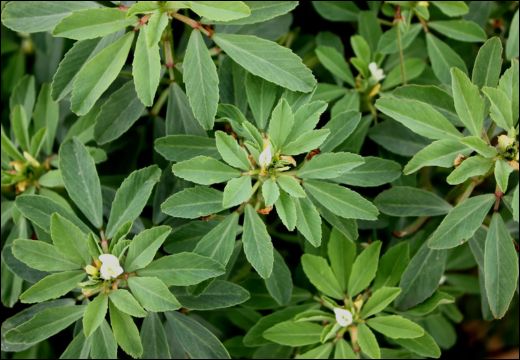
Trigonella foenum-graecum (fenugreek) is an erect, hairy annual herb belonging to the bean family, typically growing to a height of 30–60 cm and sometimes reaching up to three feet. The plant has slender stems bearing trifoliate, grey-green leaves with toothed margins, each leaflet measuring about 2–5 cm in length. The stipules are triangular and lanceolate, while the root system consists of numerous finger-like structures. The flowers are small, axillary, sessile, and usually white or pale yellow, appearing singly or in pairs, and bloom during midsummer, generally from June to July. The plant produces long, thin, sword-shaped pods measuring about 10–15 cm in length, with a curved beak-like tip, each containing 10–20 seeds. Fenugreek emits a characteristic spicy aroma that persists even after handling.
The seeds are small, hard, and brownish-yellow in colour, measuring around 5 mm in length, and are flattened with a distinctive rhomboidal shape. A small depression is present near the hilum and micropyle, forming a furrow that divides the seed into two unequal lobes. The larger lobe contains two yellowish cotyledons, while the smaller lobe contains the radicle, both surrounded by a translucent, horny endosperm. When soaked in water, the endosperm swells and releases mucilage, causing the seed coat to burst and revealing the internal structure. Fenugreek grows best in mild Mediterranean climates and usually matures within four months.
History Of Fenugreek Usage
Fenugreek (Trigonella foenum-graecum) is a versatile plant that can be cultivated throughout the year and has been valued for its medicinal properties since ancient times. Various parts of the plant, including seeds, leaves, and stems, are used for culinary and therapeutic purposes. The seeds, commonly known as methi dana, are widely used as a spice in Indian cuisine, particularly in curries and pickles, and also serve as a flavouring agent in bread, cheese, and syrups. The fresh leaves and tender plants are often cooked as seasonal winter vegetables. Historically, fenugreek was used by the Romans and Greeks as animal fodder. In ancient Egypt, it was utilised to ease childbirth, promote lactation, and reduce menstrual discomfort among women. The medicinal benefits of fenugreek have been well documented in traditional systems of medicine such as Ayurveda, Chinese, Arabic, Greek, and Latin pharmacopoeias.
Varieties Of Trigonella foenum-graecum Linn./ Fenugreek/ Methi/ Methika
Vana Methi / Sweet-cloves (Trifolium indicum Linn. / Melilotus parviflora) is a small perennial herb that grows naturally in regions such as the West Peninsula, Bengal, and Uttar Pradesh. The plant typically reaches a height of about 30–45 cm. It bears compound trifoliate leaves with leaflets measuring approximately 12–16 mm in length, which are serrated and semi-lanceolate or semi-oval in shape. The flowers are small, yellow in colour, and arranged in clusters. The pods are elliptical, compressed, tapering at both ends, and usually contain a single seed measuring around 2.5 mm in length.
Properties And Uses
The seeds possess absorbent properties and are beneficial in conditions such as abdominal pain, diarrhoea, and intestinal disorders. The herb is also traditionally used in dysmenorrhoea, rheumatism, and goitre, and is considered useful for blood purification. Additionally, its porridge is commonly given to children for managing diarrhoea.
Special Note
The name “Methi” is not mentioned in classical Ayurvedic texts. The term “Arakvala” appears in Sushruta, which some scholars consider to refer to Methi. Pandit Vapalalji identified Arakvala as Medicago sativa Linn., commonly known as Lucerne or Alfalfa grass. Some experts also consider “Kalusari”, mentioned in classical texts as a type of Methi. Another variety of Methi (T. corniculata Linn.) is also described, which is known as Kasturi Methi and is characterised by its small seeds.
Classical Categorisation Of Trigonella foenum-graecum Linn./ Fenugreek/ Methi/ Methika
- According to Dhanwantari Nighantu: Suvarnadi Varga
- According to Bhavprakash Nighantu: Haritkyadi varga
- According to Raj Nighantu: Pippalyadi varga
Ancient Verse Of Trigonella foenum-graecum Linn./ Fenugreek/ Methi/ Methika
मेथिका मेथिनी मेथी दीपनी बहुपत्रिका।
बोधिनी बहुबीजा च ज्योतिर्गन्धफला’ तथा ॥
वल्लरी चन्द्रिका मन्था मिश्रपुष्पा च कैरवी।
कुञ्चिका बहुपर्णी च पीतबीजा मुनिच्छदा ॥
मेथिकावातशमनी श्लेष्मघ्नीज्वरनाशिनी।
ततः स्वल्पगुणावन्या वाजिनां सा तु पूजिता ॥
The verses describe the various names and medicinal attributes of Methi (Fenugreek) and its wild variety, Vanemethi. Methi is identified by several synonyms, including Methika, Deepani (the digestive stimulant), Bahupatrika (having many leaves), Bahubeeja (having many seeds), and Peetabeeja (having yellow seeds), among others like Gandhaphala and Chandrika. Medicinally, Methi is highly valued for its ability to balance the Vata dosha and alleviate conditions related to excess Kapha. It is also specifically noted for its efficacy in treating and reducing fever. While the common variety is used for human health, the text notes that Vanemethi (Wild Fenugreek), though possessing fewer medicinal qualities than the standard variety, is considered exceptionally beneficial and “worshipped” (highly prized) for the health of horses. Ultimately, the root meaning of the name Methika implies a plant that has the power to destroy or cure a wide variety of diseases.
मेथिका मेथिना मेथो दीपनी बहुपत्रिका।
वेधनी गन्धवीजा च ज्योतिर्गन्धफला तथा ॥
वल्लरी चन्द्रिका मेथा मिश्रपुष्पा च कैरवी।
कुञ्चिका बहुपर्णी च पीतबीजा मुनीन्द्रा ॥
मेथिका कटुरुष्णा च रक्तपित्तप्रकोपणी।
अरोचकहरा दीप्तिकरा वातघ्नदीपनी ॥
These verses collectively define the identity and therapeutic profile of Methi (Trigonella foenum-graecum). Methi is known by many descriptive synonyms that highlight its physical characteristics, such as Bahupatrika (having many leaves), Bahubeeja (having numerous seeds), Peetabeeja (possessing yellow seeds), and Gandhaphala (referring to its distinct aromatic fruits). From a medicinal perspective. Methi has a pungent (katu) and heating (ushna) potency. It is highly regarded as a Deepani (appetiser) that stimulates digestion and effectively helps in alleviating symptoms of Vata and Kapha imbalances. Furthermore, it is described as being useful in treating fevers and combating arochaka (loss of appetite/anorexia). While the standard variety is praised for human health, the text also distinguishes Vanemethi (Wild Fenugreek), noting that although it possesses fewer medicinal properties than the cultivated variety, it is considered particularly beneficial and well-regarded for the health of horses. Ultimately, the term Methika suggests a plant that effectively acts to destroy or remedy a wide range of diseases.
मेथिका दीपनी चोग्रा कुञ्जिका बहुपत्रिका।
मल्लिका शीतवीर्या च ज्योतिषका वल्लरी शिखी ॥
मेथिका कटुरुष्णा च रक्तपित्तप्रकोपणी।
अरोचकहरा दीप्तिकरा वातप्रणाशिनी ॥
मेथिका कटुरुष्णा च रक्तपित्तप्रकोपणी।
अरोचकहरा दीप्तिकरी वातप्रणाशिनी ॥
According to the above shloka, Methika (Fenugreek) is described through various synonyms like Deepani, Ugra, and Bahupatrika, which highlight its physical and medicinal traits. It possesses a pungent taste (katu) and a hot potency (ushna). Medicinally, it is highly effective as an appetiser (deepani) and digestive stimulant that cures anorexia (arochaka). While it is excellent for pacifying Vata disorders (vatapranashini), its heating nature can aggravate bleeding conditions (raktapitta).
Vanamethika
मेथिका वास्तिका सेलु: हिस्फित्थो वनमेथिका।
हिस्फित्योऽल्पगुणस्तस्या वाजिनां स तु पूजित: ॥
Vanmethika (Wild Fenugreek) is noted to be less potent than the common variety for human use. However, it is highly valued and considered especially beneficial for the health of horses.
Ayurvedic Properties Of Trigonella foenum-graecum Linn./ Fenugreek/ Methi/ Methika
- Taste (Rasa)- Pungent (Katu)
- Potency (Veerya )- Hot Potency (Usna)
- Post-digestion effect (Vipaka)- Katu (Pungent)
- Effect on tridosha– Balance Vata and Kapha dosha
Therapeutic Indications Of Trigonella foenum-graecum Linn./ Fenugreek/ Methi/ Methika
- Deepani – Enhances digestive fire and improves metabolism
- Pachani – Aids digestion and reduces indigestion
- Vatahara – Helps manage Vata disorders such as paralysis, neuralgia, constipation, and bloating
- Kaphahara – Useful in Kapha disorders, including asthma, bronchitis, cough, and chest congestion
- Jwaraghna – Helps in reducing fever and associated symptoms
- Pramehaghna – Beneficial in managing type 2 diabetes and urinary disorders
- Aruchi Nashak – Improves appetite and helps with anorexia
- Shoolahara – Relieves abdominal pain and discomfort
- Shothahara – Helps reduce inflammation and swelling
- Balya – Provides strength and nourishment to the body
- Rasayana – Supports overall health and rejuvenation
- Vatanulomana – Helps regulate bowel movements and relieve gas
- Kasa-Shwasahara – Useful in cough and respiratory issues
- Ashwashthya Hitakari – Wild fenugreek (Vanamethi) is considered beneficial for animal health, particularly horses
Systemic Actions Of Trigonella foenum-graecum Linn./ Fenugreek/ Methi/ Methika
External Uses
- The paste possesses anti-inflammatory and analgesic properties. Applying it as a hot paste on abscesses helps reduce swelling (edema) and inflammation.
Internal Uses
- Nervous System: It is recommended for managing neurological disorders and serves to strengthen the overall nervous system.
- Digestive System: This herb acts as a carminative and digestant, aiding in the healthy movement of doshas. It is specifically used for conditions like colic pain and low digestive fire (mandagni).
- Circulatory System: It should be avoided in bleeding disorders, as it can cause the vitiation of rakta (blood) and pitta.
- Reproductive System: It is effective at enhancing breast milk production (galactagogue) and is often administered post-delivery for this purpose.
- Satmikarana (General Health): It promotes overall body strength and is indicated for relieving body aches or pain caused by general physical weakness.
Chemical Composition Of Trigonella foenum-graecum Linn./ Fenugreek/ Methi/ Methika
1. Alkaloids
- Trigonelline – Antidiabetic, neuroprotective, improves insulin secretion
- Choline – Supports liver function and metabolism
- Gentianine – Anti-inflammatory and antioxidant
- Carpaine – Cardioprotective and antimicrobial
- Trimethylamine – Supports metabolic activity
- Betaine – Liver protective and antioxidant
2. Saponins & Steroidal Compounds
- Diosgenin – Anti-cancer, cholesterol-lowering
- Yamogenin – Anti-inflammatory and hormonal support
- Tigogenin – Hypocholesterolemic effect
- Protodioscin – Improves testosterone and vitality
- Fenugreekine – Antidiabetic and lipid-lowering
3. Flavonoids
- Quercetin – Antioxidant and anti-inflammatory
- Vitexin – Cardioprotective and antioxidant
- Isovitexin – Anti-diabetic and anti-inflammatory
- Apigenin – Anti-cancer and neuroprotective
- Luteolin – Anti-allergic and anti-inflammatory
- Orientin – Antioxidant and immune boosting
- Rutin – Improves blood circulation
4. Amino Acids
- 4-Hydroxyisoleucine – Stimulates insulin secretion
- Arginine – Improves blood flow
- Lysine – Supports tissue repair
- Histidine – Anti-inflammatory
- Tryptophan – Improves mood and sleep
5. Fiber Components
- Galactomannan – Controls blood sugar and cholesterol
- Mucilage – Soothes the digestive tract
- Dietary Fiber – Improves digestion and relieves constipation
6. Lipids & Fatty Acids
- Triacylglycerols – Energy source
- Sterols – Reduce cholesterol
- Tocopherols – Antioxidant (Vitamin E activity)
7. Volatile Oils
- Caryophyllene – Anti-inflammatory and analgesic
- Sesquiterpenes – Antioxidant and antimicrobial
8. Other Bioactive Compounds
- Phytol – Antioxidant and anti-inflammatory
- Quinoline – Antiasthmatic and antibacterial
- Tetradecane – Antimicrobial properties
9. Vitamins
- Vitamin A – Supports vision and immunity
- Vitamin B1 – Improves metabolism
- Vitamin C – Antioxidant and immunity booster
- Nicotinic Acid – Improves cholesterol levels
10. Minerals
- Calcium – Strengthens bones
- Iron – Improves haemoglobin
- Magnesium – Supports nerve function
- Potassium – Regulates blood pressure
Actions And Properties Of Various Chemical Constituents Of Trigonella foenum-graecum Linn./ Fenugreek/ Methi/ Methika
Anti-Diabetic Activity
Trigonella foenum-graecum (fenugreek) exhibits significant antidiabetic and antihyperglycemic effects due to the presence of key bioactive compounds such as 4-hydroxyisoleucine, galactomannan, diosgenin, trigonelline, and flavonoids. These constituents work through multiple mechanisms to regulate blood glucose levels and improve metabolic health. 4-Hydroxyisoleucine stimulates insulin secretion from pancreatic beta cells, while trigonelline enhances insulin sensitivity and promotes glucose uptake by cells. Galactomannan, a soluble fiber, slows gastric emptying and carbohydrate absorption, thereby preventing sudden spikes in blood sugar after meals. Diosgenin supports the regeneration of pancreatic cells and improves lipid metabolism. Additionally, flavonoids like quercetin and vitexin provide antioxidant protection to pancreatic tissues. Together, these mechanisms help improve glucose tolerance, reduce hepatic glucose production, and support overall diabetes management.
Anticancer Activity
Trigonella foenum-graecum (fenugreek) demonstrates notable anticancer activity due to its rich phytochemical composition, particularly compounds such as diosgenin, trigonelline, protodioscin, and flavonoids. Diosgenin is considered the most active component, as it inhibits cancer cell proliferation and promotes apoptosis by activating caspase enzymes and regulating signalling pathways like PI3K/AKT and NF-κB. Trigonelline contributes by reducing oxidative stress and enhancing cytotoxic effects against tumour cells. Protodioscin induces programmed cell death in cancer cells, while flavonoids such as quercetin and vitexin act as antioxidants and help arrest abnormal cell growth. These compounds also suppress metastasis by inhibiting proteins involved in tumour spread. Additionally, fenugreek extracts modulate cellular signalling pathways, reduce inflammation, and protect normal cells, thereby supporting cancer management through multiple synergistic mechanisms.
For Obesity
Trigonella foenum-graecum (fenugreek) helps in the management of obesity due to the presence of bioactive compounds such as galactomannan, 4-hydroxyisoleucine, steroidal saponins, trigonelline, and flavonoids. Galactomannan, a soluble fiber, forms a gel-like substance in the stomach that slows gastric emptying, promotes satiety, and reduces overall food intake. The amino acid 4-hydroxyisoleucine improves insulin sensitivity and helps regulate blood glucose levels, thereby preventing excess fat accumulation. Steroidal saponins like diosgenin help lower cholesterol levels and reduce fat absorption in the intestine. Trigonelline further supports glucose control and metabolic balance, while flavonoids provide antioxidant protection and reduce obesity-related inflammation. Together, these compounds decrease lipid levels, inhibit fat digestion, and reduce fat synthesis, ultimately supporting healthy weight management.
Cardiovascular Activity
Trigonella foenum-graecum (fenugreek) seeds help manage heart problems due to their rich content of steroidal saponins, soluble fiber, alkaloids, amino acids, and antioxidants. Steroidal saponins like diosgenin support heart health by lowering cholesterol, triglycerides, and LDL levels while promoting cholesterol excretion through bile acids. The soluble fiber galactomannan forms a gel-like substance in the intestine, reducing the absorption of fats and sugars, thereby helping control both cholesterol and blood glucose levels. Alkaloids such as trigonelline provide antioxidant protection and help prevent damage to heart tissues. The amino acid 4-hydroxyisoleucine improves insulin sensitivity, reducing diabetes-related cardiac risks. Additionally, flavonoids and polyphenols like quercetin and rutin reduce inflammation, protect blood vessels, and enhance antioxidant enzyme activity, collectively supporting cardiovascular health.
Hepatoprotective Activity
The hepatoprotective effects of Trigonella foenum-graecum (fenugreek) are mainly due to its rich content of polyphenols, flavonoids, steroidal saponins, alkaloids, and soluble fiber. Antioxidants such as quercetin, rutin, and vitexin help neutralise free radicals, reduce oxidative stress, and protect liver cells from toxin-induced damage. Diosgenin, a major steroidal saponin, helps lower fat accumulation in the liver and supports healthy lipid metabolism. Alkaloid trigonelline improves insulin sensitivity and helps reduce fatty liver changes. Soluble fiber galactomannan binds bile acids and promotes cholesterol elimination, reducing liver burden. Additionally, 4-hydroxyisoleucine supports insulin signalling and decreases triglyceride buildup, while overall these compounds enhance liver antioxidant enzymes and protect against inflammation and liver damage.
Practical Uses / Health Benefits Of Trigonella foenum-graecum Linn./ Fenugreek/ Methi/ Methika
- Fenugreek seed paste applied locally helps reduce pain, swelling, boils, and abscesses.
- Warm fenugreek powder applied externally relieves inflammation and localised pain.
- Fenugreek powder applied on skin acts as a natural cosmetic and improves complexion.
- Fenugreek paste applied on the scalp helps reduce hair fall and promotes hair growth.
- Fenugreek pessaries are used traditionally in leucorrhoea for vaginal support.
- Fenugreek leaves used internally and externally provide cooling effects.
- Sprouted fenugreek seed paste with aloe gel helps remove dandruff and nourish the scalp.
- Fenugreek powder mixed with beeswax, applied locally, helps relieve chest pain.
- Fenugreek leaf infusion used as a gargle helps with mouth ulcers.
- Fenugreek seed decoction used as a gargle helps relieve a sore throat.
- Fenugreek powder with warm water helps reduce cholesterol levels.
- Fenugreek powder taken twice daily helps manage lipid levels.
- Equal parts of fenugreek and turmeric powder help manage diabetes when taken daily.
- Soaked fenugreek seed paste helps relieve gastritis and acidity.
- Fenugreek mucilage soothes the stomach lining and reduces reflux.
- Fenugreek herbal milk improves digestion and strengthens the intestines.
- Fenugreek seeds cooked with milk help increase breast milk in lactating mothers.
- Fenugreek decoction with ghee helps relieve constipation and haemorrhoids.
- Fenugreek oil prepared with coconut or sesame oil helps reduce hair fall.
- Fenugreek paste applied as a hair mask works as a natural hair conditioner.
- Fenugreek laddus prepared from seeds help increase strength after delivery.
- Roasted fenugreek seeds with buttermilk help manage diarrhoea.
- Fenugreek seeds taken in small doses help relieve body pain and weakness.
- Fenugreek paste applied on swelling helps reduce inflammation.
- Fenugreek seeds, soaked overnight, improve digestion and metabolism.
- Fenugreek tea helps strengthen gut health.
- Fenugreek seed powder with warm water helps improve appetite.
- Fenugreek leaves paste applied externally reduces the burning sensation.
- Fenugreek seeds help reduce excessive thirst and body heat.
- Fenugreek paste applied on the scalp helps strengthen hair roots.
Parts Used Of Trigonella foenum-graecum Linn./ Fenugreek/ Methi/ Methika
- Seeds
- Whole Plant
Dosage Of Trigonella foenum-graecum Linn./ Fenugreek/ Methi/ Methika
- Seed powder- 2.5-5 gms
Classical Products Of Trigonella foenum-graecum Linn./ Fenugreek/ Methi/ Methika
- Prabhanjanam Kuzhambu
- Mustakarisht
Planet Ayurveda Products With Trigonella foenum-graecum Linn./ Fenugreek/ Methi/ Methika
- Diab salacia capsules
- Aamvatantak churna
- Hakam churna
- Mustakarisht
- Madhumehantak churna
- Slimolina tea
- Diableen capsules
- Fenugreek capsules
- Methika churna
- Diaplan tea
Conclusion
Fenugreek (Trigonella foenum-graecum) is a highly valued medicinal herb known for its wide range of therapeutic benefits in both traditional Ayurveda and modern medicine. It is rich in bioactive compounds such as saponins, flavonoids, alkaloids, fiber, and essential nutrients that support digestion, heart health, liver function, and metabolic balance. Fenugreek is also beneficial in managing diabetes, cholesterol, inflammation, and hormonal balance, while promoting lactation and improving skin and hair health. Its seeds, leaves, and sprouts are used in various home remedies for both internal and external applications. Due to its nourishing, strengthening, and healing properties, fenugreek remains an important natural remedy for maintaining overall health and well-being.
Frequently Asked Questions (FAQ’s)
1. What is the local name of Trigonella foenum-graecum?
The local name of Trigonella foenum-graecum is Methi.
2. What are the Chemical Constituents of Trigonella foenum-graecum?
It contains saponins (diosgenin), alkaloids (trigonelline), flavonoids, galactomannan fiber, proteins, and 4-hydroxyisoleucine.
3. What are the uses Of Trigonella foenum-graecum?
It is used for digestion, diabetes, cholesterol control, inflammation, lactation, and hair and skin health.
4. What is the family name Of Trigonella foenum-graecum?
The family name of Trigonella foenum-graecum is Fabaceae (Leguminosae).
5. What are the benefits Of Fenugreek for Females?
Fenugreek helps regulate hormones, improve lactation, relieve menstrual discomfort, and support reproductive health.
6. What is the hindi name Of Fenugreek?
The Hindi name of Fenugreek is Methi.
7. What are the uses of Fenugreek?
Fenugreek is used to improve digestion, control blood sugar, reduce cholesterol, promote hair growth, and enhance overall health.