


The Tree That Refuses to End: Myth, Medicine, and the Eternal Philosophy of The Banyan
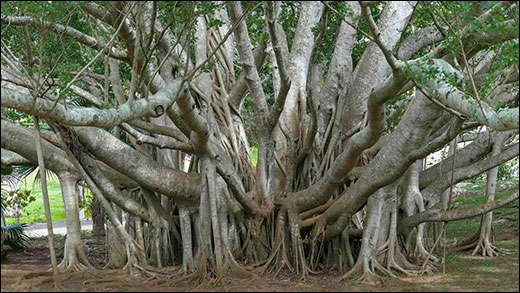
The Banyan tree, botanically known as Ficus bengalensis, does something no other living organism quite manages: it grows downward before it grows outward. To look upon a mature Banyan is to look not at a solitary organism, but at an entire ecosystem that has forgotten how to stop. Its sweeping branches send slender, rope-like aerial roots back toward the earth. Over decades and centuries, these roots anchor themselves into the soil, thicken into massive woody pillars, and transform into new trunks. These secondary trunks hold up heavier branches, which in turn drop more roots. This unique botanical architecture creates a living monument—a forest birthed from a single seed. Known to elders and ancient seers as Akshaya Vat, the tree that never exhausts itself, the Banyan stands as an eternal bridge between the metaphysical realms of Hindu mythology and the profound pharmacological wisdom of Ayurveda. It is an emblem of resilience, a sanctuary for spiritual contemplation, and a sophisticated biochemical laboratory capable of healing both the human spirit and the physical body.
The Architecture Of Eternity: Botanical And Mythological Foundations
To understand the Banyan is to understand a unique philosophy of growth. Most trees compete vertically, racing toward the canopy to claim their share of sunlight. The Banyan plays a longer, more patient game. It expands horizontally, anchoring its survival not to a single, vulnerable trunk, but to a collective web of support. If the original parent trunk decays or is severed by disease or disaster, the daughter trunks continue to thrive. The tree survives its own center. This structural immortality is why the Banyan is deeply woven into the spiritual fabric of India. Beneath the sacred Banyan at Prayaga, at the confluence of the holy rivers Ganges, Yamuna, and the mythical Saraswati, pilgrims have gathered for millennia. They pray before the Akshaya Vat, believing it to be a living entity that cannot be destroyed by time or cosmic dissolution. When the rest of the world is submerged in the cyclical waters of cosmic destruction, myth holds that the Supreme Consciousness rests upon a leaf of the Banyan tree, surviving the void.
Across the Indian subcontinent, the Banyan serves as the literal and figurative center of community life. Under its vast shade, village councils have gathered for generations to arbitrate disputes, travelers have rested, and children have played. For hopeful couples facing the quiet grief of infertility, the Banyan has long held a sacred significance. Men and women tie raw cotton threads around its deeply furrowed trunks. This practice persists not because the tree grants wishes by magic, but because its sheer endurance feels like a living permission to keep hoping. The Banyan offers a tangible manifestation of continuity; its physical presence whispers that life, when met with hard ground, can always find a way to reinvent itself and sprout anew.
Dakshinamurthy And The Doctrine Of Stillness
In the pantheon of Hindu iconography, the Banyan is the chosen seat of Lord Shiva in his form as Dakshinamurthy—the primordial, cosmic guru. Unlike other manifestations of divinity that hold court on golden thrones or display weapons of cosmic warfare, Dakshinamurthy chooses a simple seat beneath the spreading branches of a Banyan tree. He sits facing south, the direction associated with change, transition, and Lord Yama, the ruler of death and the ultimate unknown. The choice of the Banyan as Dakshinamurthy’s ashram is deeply deliberate. The tree represents the ultimate expansion of life, yet at its base, there is absolute stillness.
According to scriptural lore, elderly sages journeyed to sit at the feet of this youthful preceptor, seeking answers to the deepest paradoxes of existence. Instead of delivering long discourses, reciting verses, or parsing complex grammar, Dakshinamurthy taught through silence and presence. This mythic silence is not a mere absence of noise; it is a profound, active state of being. The Banyan mirrors this teaching perfectly. It builds an entire universe of shade, drops thousands of roots, provides shelter to birds, insects, and humans, and does so without a single sound. It does not demand attention, nor does it ask whether its efforts are seen or celebrated. It simply exists, fully and selflessly. When the human mind feels like it is unyielding or unravelling under the pressures of modern life, the archetype of Dakshinamurthy beneath the Banyan serves as a spiritual anchor. It teaches a quiet kind of faith: that continuance is its own form of grace. To survive, to keep sending new roots into difficult, unyielding ground season after season, is the highest form of spiritual practice. The deepest truths do not always arrive packaged in words; they grow in the quiet spaces of a stilled heart.
The Ayurvedic Landscape: A Holistic Materia Medica
While mythology honors the Banyan as a vessel for the soul, Ayurveda—the ancient Indian science of life—honors it as a peerless physical healer. In the classical texts of Ayurveda, such as the Charaka Samhita and the Sushruta Samhita, the Banyan is classified under groups of herbs known for their astringent, cooling, and stabilizing properties. Ayurveda operates on the principle of the three Doshas: Vata, Pitta, and Kapha. Health is defined as the harmonious equilibrium of these forces. The Banyan, with its immense grounding nature, is primarily used to pacify aggravated Pitta and Kapha doshas. Its inherent qualities are described as heavy and dry, with a taste that is predominantly astringent.
In the Ayurveda, no part of the Banyan goes to waste. Every layer of the tree contains specific healing energies. The bark is used to prepare decoctions for clearing internal heat and managing metabolic conditions. The leaves are applied warm to alleviate localized pain and skin conditions. The aerial roots are celebrated for their strengthening properties, particularly for hair health and structural integrity. Finally, the latex is used drop by drop for targeted applications like toothaches, joint swelling, and complex skin lesions.
The Modern Biochemical Laboratory: Phytochemical Constituents
Modern pharmacognosy and phytochemistry have unveiled the exact molecular mechanisms behind the Banyan’s ancient reputation. The therapeutic efficacy of Ficus bengalensis is not a matter of placebo or folklore; it is driven by a complex, dense profile of secondary plant metabolites. The tree synthesized these chemicals over evolutionary time scales to protect itself from pests, solar radiation, and environmental stress. When harvested and processed correctly, these same molecules interface beautifully with human biology.
Among the key chemical constituents are flavonoids, such as quercetin-3-galactoside and rutin. These are powerful polyphenolic compounds known for their exceptional ability to neutralize free radicals, reduce systemic inflammation, and protect cellular integrity. The tree also contains beta-sitosterol, a plant sterol with a chemical structure remarkably similar to cholesterol. It plays a critical role in modulating the human immune response, reducing cardiovascular stress, and acting as an anti-inflammatory agent. Additionally, bioactive peroxides provide unique oxygen-rich molecules that display robust antimicrobial, cytotoxic, and anti-parasitic profiles. Tannins and phenolic compounds are responsible for the characteristic astringent taste of the Banyan bark; these molecules precipitate proteins, tighten tissues, and create a protective barrier over wounds.
The concentration and distribution of these chemical constituents are never uniform. The alchemy of the Banyan is dynamic. The precise percentage of quercetin, rutin, or beta-sitosterol varies significantly depending on the specific cultivar, geographical location, soil type, local weather patterns, and the pH of the soil in which the tree grows. A Banyan growing in arid regions will yield a slightly different biochemical signature than one thriving in fertile, humid plains. This variation underscores the importance of the Ayurvedic concept of geography when sourcing medicinal plants. To truly appreciate the bridge between ancient intuition and modern science, we must examine the specific pharmacological actions of Ficus bengalensis that have been verified through contemporary laboratory research.
Metabolic Regulation: The Antidiabetic And Hypoglycemic Powerhouse
One of the most vital, historically consistent applications of the Banyan tree in Ayurveda is its role as a remedy for diabetes. For thousands of years, practitioners prescribed a simple cold infusion or warm decoction of Banyan bark to manage sweet urine and systemic lethargy. Modern clinical evaluations have rigorously validated this practice. Studies evaluating the hypoglycemic consequences of the bark were first demonstrated successfully in laboratory settings and subsequently confirmed in human trials.
Interestingly, research shows that different aerial parts of the tree exert varying degrees of influence on blood glucose down-regulation. When compared head-to-head, the fruits of Ficus bengalensis lower blood glucose concentrations more efficiently than either the isolated roots or the bare bark. However, the aqueous extract of the aerial roots possesses a unique mechanism of its own: its profound antidiabetic effect is tied directly to the presence of specific glycemic elements—namely calcium and magnesium—concentrated in highly bioavailable forms. These minerals play a pivotal role in intracellular signaling pathways, helping to restore insulin sensitivity and facilitate glucose uptake at the cellular level.
Radical Scavenging: Advanced Antioxidant Capabilities
At the root of almost all chronic human illness lies oxidative stress. Oxidative stress occurs when unstable free radicals outnumber the body’s natural antioxidant defenses, causing structural damage to cellular membranes, proteins, and DNA. Ficus compounds show magnificent antioxidant effects, which are attributed directly to their dense polyphenolic and flavonoid content. Researchers have put Banyan extracts through a battery of rigorous antioxidant testing methodologies, including hydrogen peroxide scavenging activity, hydroxyl radical scavenging assays, reducing power evaluations, and the definitive DPPH radical scavenging assay. The results of these studies are striking. Aqueous extracts of Ficus bengalensis demonstrate a maximum scavenging of the highly stable DPPH radical at an impressive 96.07 percent at a concentration of just 250 micrograms per milliliter. To put this in perspective, its radical scavenging activity against hydrogen peroxide stands at 69.23 percent at a concentration of 1000 micrograms per milliliter. When compared directly against standard laboratory benchmarks such as Vitamin C, the natural extract of the Banyan tree routinely shows equivalent or superior outcomes, proving itself an exceptional shield against cellular oxidation.
Cellular Defense: Antitumor And Cytotoxic Actions
In traditional folk medicine across the tropics, preparations of the Banyan plant have also been deployed as alternative remedies for internal growths, tumors, and hard inflammatory swellings. Modern screening of Ficus fruit and bark extracts has shed light on these historical protocols. In controlled laboratory settings, fruit extracts from confirmed Ficus species have exhibited clear antitumor actions. These experiments reveal that while these specific Ficus extracts possess potent antibacterial and tumor-inhibiting properties, they demonstrate no significant antifungal effect. This narrow, targeted antimicrobial spectrum supports their traditional classification in folk medicine as highly specialized remedies rather than generic, non-specific agents. The bioactive peroxides and flavonoids within the plant appear to selectively target compromised or rapidly dividing abnormal animal cells while leaving healthy fungal structures unaffected.
Systemic Relief: Anti-Inflammatory And Analgesic Profiles
Inflammation is the body’s natural response to injury or infection, but when it becomes chronic, it transforms into a destructive force. In Ayurveda, chronic painful inflammation is viewed as a blockage of internal energies mixed with a burning accumulation of heat. To test this scientifically, researchers measured the anti-inflammatory effects of ethanolic and petroleum ether extracts of Banyan bark across various models. The subjects were given oral doses ranging from 300 to 600 milligrams per kilogram of body weight per day. The study compared the dietary fiber content and therapeutic efficacy of several revered trees in the Indian ecology, including Khejri, Peepal Banti, Banyan, Gular, and Tents. The total dietary fiber content among these medicinal foods ranged from 38.5 percent to 55.7 percent. When these fibers were incorporated at a 10 percent dietary level, the results conclusively demonstrated that the Banyan extract possessed a uniquely high-potential anti-inflammatory activity. Simultaneously, evaluating the bark extracts through specialized pain models revealed strong analgesic and antipyretic capabilities. This multi-pronged relief is attributed directly to the systemic action of the tree’s flavonoids, which inhibit inflammatory pathways much like modern conventional non-steroidal anti-inflammatory drugs, but without the associated internal toxicity.
Immune Modulation: Balancing The Defenses
An immunomodulator is a substance that does not simply kick the immune system into overdrive, but rather calibrates it—boosting it when it is sluggish and calming it when it is hyperactive. The aerial parts and roots of Ficus bengalensis are premier natural immunomodulators. Research into the methanolic extracts of Banyan aerial roots has demonstrated a profound effect on both specific adaptive and non-specific innate immunity. In human clinical isolation, the extract brought about a significant, measurable increase in the percentage of phagocytosis within human neutrophils. This means that the presence of the Banyan’s active principles significantly accelerates the speed and efficiency with which white blood cells engulf and destroy invading bacteria and cellular debris. Furthermore, the extract was shown to elevate hypersensitivity reactions in a precise, dose-dependent manner, culminating in a noticeable elevation of the body’s antibody defense values. This suggests that the Banyan acts as an invisible training ground for the human immune system, sharpening its defensive readiness.
Tissue Regeneration: The Mechanics Of Wound Healing
For centuries, Ayurvedic surgeons used the milky latex and bark pastes of the Banyan to treat deep wounds, stubborn ulcers, and post-surgical incisions. For a long time, the exact underlying reasons for this rapid tissue regeneration remained entirely unknown. The chemical components responsible for pulling tissue edges together and preventing infection were shrouded in empirical mystery. However, recent chromatographic isolation has identified the exact chemical toolkit responsible for this action. The bark and latex of Ficus bengalensis are rich in specialized phytosterols and wound-knitting resins. When applied to injured skin, these compounds do three things simultaneously: they create an immediate, sterile astringent seal over the exposed areas, preventing secondary bacterial infection; they stimulate the proliferation of cells responsible for manufacturing collagen; and they accelerate the formation of new blood vessels across the damaged tissue bed. This biochemical trifecta dramatically shortens the inflammatory phase of wound healing, leading to cleaner closure and minimal scar formation.
Respiratory And Psychological Support: Antistress And Antiallergic Therapy
In the harsh, pollen-heavy cycles of changing seasons, respiratory vulnerabilities like allergic asthma can trap individuals in an exhausting cycle of breathlessness and systemic stress. Ayurveda views asthma as an imbalance where excess heavy humors block the flow of life force in the lungs. To investigate the efficacy of the Banyan tree in managing respiratory distress, researchers administered different extracts of Ficus bengalensis bark to patients suffering from asthma, delivering the treatment traditionally suspended in milk. Asthma attacks are characteristically accompanied by leucocytosis and eosinophilia, which reflect the body’s panicked, hyper-allergic state. The clinical findings clarified the exact therapeutic pathways. The aqueous and ethanolic extracts of the bark revealed a prominent, measurable decrease in the total amount of leukocytes and eosinophils, returning the immune system to a state of calm. Conversely, the petroleum ether and chloroform extracts of the bark proved to be completely inactive. This distinct variation proves that the anti-stress and anti-allergic properties of the Banyan are anchored specifically to its water- and alcohol-soluble compounds. When extracted correctly, these compounds effectively soothe the hyper-responsive bronchial tree, reducing both physical airway restriction and the systemic stress that accompanies chronic breathlessness.
Eradicating Parasites: Potent Anthelmintic Actions
Gastrointestinal parasite infestations have plagued human populations for millennia, causing chronic malnutrition, anemia, and digestive stagnation. In traditional medicine, root infusions of the Banyan were frequently administered to clear internal organisms and restore gut vitality. Pharmacological evaluations comparing the methanolic, chloroform, and ether extracts of Ficus bengalensis roots against conventional, synthetically manufactured medications yielded highly definitive data. The root extracts demonstrated an aggressive, effective clearing action. The paralytic and lethal effects of the Banyan root extracts on parasites were found to be completely analogous to typical, first-line conventional treatments. The high concentration of localized tannins in the roots binds directly to the surface proteins of the organisms, paralyzing their pathways and forcing their expulsion from the host without irritating the human intestinal lining.
The Syncretic Vision: Synthesis Of Spirit And Science
When we step back and view the Banyan tree through both lenses simultaneously—the ancient spiritual and the modern chemical—a remarkable symmetry emerges. The ancient sages did not have access to high-performance liquid chromatography or spectrophotometers, yet their intuitive classification of the Banyan as a source of universal protection aligns with contemporary data. Consider the metaphor of protection. In mythology, the Banyan is a refuge where Lord Shiva protects the supreme secrets of life from the corrosive passage of time. In medicine, the bioactive peroxides, flavonols, and plant sterols extracted from its bark and roots perform a parallel function. They shield the human body’s core organs, exerting verified cardio-protective, hepato-protective, and neuroprotective effects. The tree protects the human physiology from cellular degradation in the exact same way its wide canopy protects the weary traveler from the midday sun.
Consider, too, the concept of equilibrium. Dakshinamurthy sits in perfect stillness to restore order to the restless minds of his disciples. In the body, the Banyan’s immunomodulatory properties restore order to a chaotic immune system, dampening allergic reactions while upgrading the clearing power of white blood cells to fend off infection. The message remains consistent across thousands of years: true health is a state of balanced, anchored stillness.
The Lesson Of The Living Forest
The Banyan tree remains a premier marvel of the natural world. As a perennial member of the Moraceae family, it continues to be cultivated globally, serving as an ornamental wonder and a pillar of traditional medicine. Its chemical makeup—featuring quercetin-3-galactoside, beta-sitosterol, rutin, and custom bioactive peroxides—varies beautifully with the earth beneath it, reminding us that all life is intimately connected to its soil, weather, and surroundings.
Ultimately, the Banyan challenges our understanding of boundaries. Where does one tree end and the next begin? In its world, individual identity fades into a collective web of survival. It stands as a living demonstration that true strength does not lie in standing isolated and unyielding, but in our willingness to bend, drop new roots into unfamiliar soil, and support the branches above us. It is a monument to survival, an active pharmacy for the body, and an invitation to sit quietly beneath its shade, breathe deeply, and begin again.