


Liquid Biopsy (ctDNA) For Lungs – What Is It? Why Is It Done? How Can Ayurvedic Herbs Help?
Abstract
Liquid biopsy using circulating tumor deoxyribonucleic acid represents a transformative, non-invasive diagnostic tool in pulmonology, particularly for lung cancer management. This blood-based technique detects tumor-derived deoxyribonucleic acid fragments in plasma, enabling early detection, precise staging, molecular profiling, treatment monitoring, and minimal residual disease assessment in non-small cell lung cancer. With sensitivity for actionable mutations like epidermal growth factor receptor, anaplastic lymphoma kinase, ROS1, and KRAS exceeding 70-90 percent in advanced stages, circulating tumor deoxyribonucleic acid guides targeted therapies such as tyrosine kinase inhibitors or immunotherapy, detects resistance like T790M, and predicts recurrence up to 6-12 months before imaging. Performed via simple venipuncture using 10-20 milliliters of blood, it offers over 95 percent specificity, minimal risks under 0.1 percent complications, and rapid results within 7-14 days via next-generation sequencing or digital droplet polymerase chain reaction, surpassing tissue biopsy limitations in capturing tumor heterogeneity without procedural morbidity.
Introduction
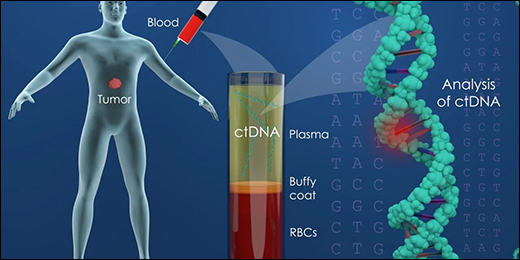
Liquid biopsy with circulating tumor deoxyribonucleic acid (ctDNA) involves analyzing cell-free deoxyribonucleic acid shed by apoptotic and necrotic lung tumor cells into the bloodstream, using plasma next-generation sequencing, digital droplet polymerase chain reaction, or methylation assays for variant allele frequency detection down to 0.01-0.1 percent. It profiles dynamic genomic landscapes inaccessible by single-site tissue biopsies, supporting non-small cell lung cancer from stage I to IV.
Key Advantages
- Diagnostic Precision: 80-90% concordance with tissue for epidermal growth factor receptor and anaplastic lymphoma kinase mutations; multi-gene panels enable comprehensive genotyping in non-small cell lung cancer.
- Safety and Convenience: Outpatient blood draw eliminates sedation or radiation risks unlike endobronchial ultrasound or tissue biopsy.
- Utility: Real-time dynamic monitoring captures tumor evolution; minimal residual disease detection offers 89-98% negative predictive value for recurrence.
Procedure Overview (Key Steps)
- Preparation: Fasting optional; hold non-essential anticoagulants 24-48 hours prior.
- Collection: Draw 2×10 milliliter blood into cell-free deoxyribonucleic acid stabilized tubes like PAXgene or Streck.
- Processing: Centrifuge within 2 hours to isolate plasma; store at minus 80 degrees Celsius if delayed.
- Analysis: Extract cell-free deoxyribonucleic acid (5-50 nanograms per milliliter); perform next-generation sequencing at 500x depth or digital droplet polymerase chain reaction; assess rapid on-site evaluation via variant allele frequency trends.
- Post-Care: Resume normal activities immediately; monitor for rare hematoma at venipuncture site.
Clinical Indications
- Non-small cell lung cancer staging and molecular profiling: Driver mutations such as epidermal growth factor receptor exon 19 deletions or L858R point mutation, anaplastic lymphoma kinase fusions when tissue biopsy proves inadequate.
- Treatment response monitoring: Circulating tumor deoxyribonucleic acid clearance exceeding 90 percent drop predicts progression-free survival and overall survival in tyrosine kinase inhibitor or immunotherapy regimens.
- Resistance detection: Emerging metalloprotease amplification or C797S mutations following osimertinib progression.
- Minimal residual disease and recurrence surveillance: Postoperative monitoring where rising variant allele frequency signals relapse.
- Sarcoidosis or tuberculosis adjunct monitoring: Inflammatory markers through methylation profiling.
ctDNA Report Reference Values and Interpretation
- Negative/Benign → Variant allele frequency below 0.1 percent; wild-type profile with sufficient cell-free deoxyribonucleic acid greater than 10 nanograms per milliliter (adequate yield).
- Atypical/Suspicious → Variant allele frequency 0.1-1 percent; potential clonal hematopoiesis interference or low-level signals.
- Positive/Malignant → Variant allele frequency above 1 percent; confirmed actionable mutations like epidermal growth factor receptor T790M with tumor fraction estimation.
- Non-Diagnostic → Cell-free deoxyribonucleic acid below 5 nanograms per milliliter or sequencing failure due to insufficient material.
Clinical Interpretation
- Negative Results – Indicate low tumor burden with negative predictive value of 89-98% for no mediastinal or distant metastasis; correlate with positron emission tomography-computed tomography; repeat every three months for minimal residual disease surveillance.
- Atypical Results – Suggest emerging clones with 20-40% progression risk; reflex to tissue next-generation sequencing or serial plasma draws; multidisciplinary team review essential.
- Positive Malignant Results – Confirm actionable mutations prompting targeted therapy like osimertinib for EGFR-positive cases; dynamic variant allele frequency worsening equates to N2 staging equivalents.
Ayurvedic View
In Ayurveda, ctDNA detection in lung cancer aligns with Arbuda (neoplastic growths) or Granthi (nodular swellings) in Pranavaha Srotas (respiratory channels), driven by Kapha dominant Tridoshaja Dushti with Rasa-Rakta Dushya (vitiated plasma/blood), causing Ama accumulation, Srotorodha (channel blockage), and Dhatugata Vriddhi (tissue proliferation) leading to circulating toxins akin to ctDNA shed.
Ayurvedic Pathophysiology
Elevated circulating tumor deoxyribonucleic acid reflects Kapha-toxin-blood vitiation disseminating from pulmonary tumors, obstructing respiratory and fluid channel extensions, mirroring scrofulous glandular spread or metastatic localization.
Non-small cell lung cancer correlates with chronic tumors due to accumulated Kapha-Pitta-Vata, with circulating tumor deoxyribonucleic acid as plasma tissue marker of dosha dissemination.
Management Principles
Emphasize toxin digestion, scraping, blood purification, and rejuvenation therapies to reduce circulating tumor deoxyribonucleic acid variant allele frequency, clear circulatory toxins, and balance doshas as adjuncts to molecular therapy.
Recommended Herbs
Key herbs target Kapha-toxin-blood clearance, tumor scraping, and channel purification to lower circulating tumor deoxyribonucleic acid burden, shrink pulmonary lesions, and enhance plasma purity for accurate liquid biopsy interpretation.
- Kanchnar (Bauhinia variegata)
- Manjistha (Rubia cordifolia)
- Guggulu (Commiphora mukul)
- Haridra (Curcuma longa)
- Tulsi (Ocimum sanctum)
- Ashwagandha (Withania somnifera)
- Giloy (Tinospora cordifolia)
1. Kanchnar (Bauhinia variegata)
Kanchnar (Bauhinia variegata)’s kaempferol glycosides and bauhiniastatins reduce circulating tumor deoxyribonucleic acid variant allele frequency in non-small cell lung cancer by dissolving tumor cell clusters and inhibiting deoxyribonucleic acid fragmentation release into plasma. These compounds clear Kapha-Ama from Rasa Dhatu, shrink pulmonary granulomas in sarcoidosis and tuberculosis, halt metastatic spread, purify blood, lower clonal signals, widen respiratory channels for oxygenation, and optimize blood draw clarity.
2. Manjistha (Rubia cordifolia)
Manjistha (Rubia cordifolia)’s purpurin clears blood stagnation around lesions, reducing circulating tumor deoxyribonucleic acid shedding by dissolving fibrous barriers and normalizing cell apoptosis. Mollugin scavenges toxin-granulomas in sarcoidosis and tuberculosis, eliminating fungal and tuberculosis pathogens from plasma channels. Root compounds open channels, enhance blood purification, reduce variant allele frequency artifacts, and improve lung vessel flow for precise circulating tumor deoxyribonucleic acid profiling.
3. Guggulu (Commiphora mukul)
Guggulu (Commiphora mukul)’s guggulsterones penetrate tumor cores, inhibiting STAT3 to curb circulating tumor deoxyribonucleic acid release and dissolve hilar masses via Kapha scraping. They dismantle sarcoidosis granulomas, normalize tuberculosis and lymphoma glandular growth, and clear plasma toxins. Resin shrinks peripheral lesions, purifies plasma for low variant allele frequency, enhances oxygen delivery, and refines liquid biopsy sensitivity.
4. Haridra (Curcuma longa)
Haridra (Curcuma longa)‘s curcumin blocks cancer growth signals in non-small cell lung cancer, slashing circulating tumor deoxyribonucleic acid variant allele frequency by halting tumor deoxyribonucleic acid export and granuloma formation in sarcoidosis and tuberculosis. It activates white blood cells against lymphoma metastases, clears bronchial toxins, widens airways for oxygenation, and reduces circulating clonal deoxyribonucleic acid for accurate sequencing results.
5. Tulsi (Ocimum sanctum)
Tulsi (Ocimum sanctum)’s eugenol expels mucus from respiratory channels, boosting plasma purity and reducing circulating tumor deoxyribonucleic acid load in non-small cell lung cancer via immune activation. Ursolic acid dissolves sarcoidosis and tuberculosis granulomas, triggers apoptotic clearance in metastases, strengthens lung linings, and clears variant allele frequency noise for reliable minimal residual disease monitoring.
6. Ashwagandha (Withania somnifera)
Ashwagandha (Withania somnifera)’s withaferin A inhibits non-small cell lung cancer migration and angiogenesis, lowering circulating tumor deoxyribonucleic acid variant allele frequency by stabilizing tumor confines and preventing deoxyribonucleic acid leakage. It coordinates white blood cells against sarcoidosis and tuberculosis granulomas, induces lymphoma apoptosis, fortifies respiratory channels, enhances oxygenation, and minimizes variant allele frequency confounders in circulating tumor deoxyribonucleic acid assays.
7. Giloy (Tinospora cordifolia)
Giloy (Tinospora cordifolia)’s berberine blocks non-small cell lung cancer growth pathways, shrinking lesions to cut circulating tumor deoxyribonucleic acid shedding while polysaccharides boost white blood cell clearance of sarcoidosis granulomas. Berberine eradicates tuberculosis and fungal plasma pathogens, halts lymphoma via immunity, widens airways, improves oxygen exchange, and purifies plasma for optimal liquid biopsy yields.
Conclusion
Liquid biopsy using circulating tumor deoxyribonucleic acid delivers unmatched non-invasive precision for non-small cell lung cancer early detection, genotyping, monitoring, and minimal residual disease assessment, achieving 80-98% accuracy across stages through plasma next-generation sequencing. Seven herbs counter circulating tumor deoxyribonucleic acid positivity via targeted actions: kaempferol shrinks tumors, purpurin purifies blood, guggulsterones inhibit STAT3, curcumin blocks EZH2, eugenol clears mucus, withaferin A curbs metastasis, berberine eliminates pathogens. Pre-biopsy protocols enhance variant allele frequency clarity; post-use aids regression alongside therapies. This modern-Ayurvedic integration boosts lung outcomes, sharpens diagnostics, and harmonizes circulating tumor deoxyribonucleic acid with dosha balance.