


Herbal Remedies for Mucormycosis – Symptoms, Causes, Diagnosis & Treatment
Abstract
Deadly fungal infections of the lungs are increasingly recognized as life-threatening complications, particularly in immunocompromised individuals. Fungi such as mucormycosis (black fungus), aspergillosis, cryptococcosis, and histoplasmosis can silently invade lung tissue, causing severe respiratory distress and systemic spread. These infections often progress rapidly, with tissue necrosis and vascular invasion contributing to poor prognosis if not detected early. Clinical outcomes depend heavily on timely diagnosis, antifungal therapy, and restoration of immune function. The stealthy, aggressive nature of these pathogens highlights the critical importance of awareness, preventive care, and prompt medical intervention to reduce morbidity and mortality. In this article we will talk in detail about Mucormycosis.
Introduction
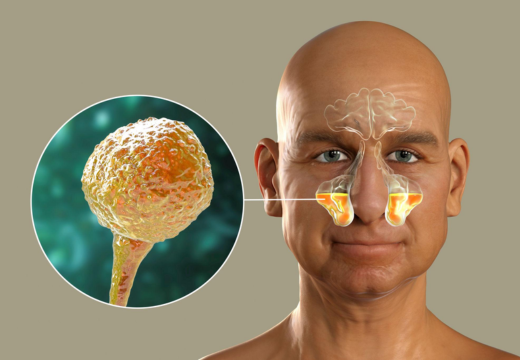
Black fungus, medically known as mucormycosis, is a rare but aggressive fungal infection caused by molds belonging to the order Mucorales. These fungi normally exist harmlessly in soil, decaying organic matter, and air, yet they become pathogenic when the body’s internal defenses weaken. The infection invades blood vessels, causing tissue ischemia and necrosis, which gives rise to its characteristic black discoloration. Clinically, it affects sinuses, lungs, skin, and brain, progressing rapidly if untreated. From an integrative perspective, compromised immunity, altered metabolism, and prolonged steroid use create a fertile ground for its growth, highlighting the importance of immune resilience and early intervention. In this write up we will discuss about Black fungus and its ayurvedic management in detail.
Causes
Black fungus is an opportunistic infection caused when fungi invade a weakened host. Major contributors include uncontrolled diabetes, prolonged steroid use, post-COVID immune suppression, and immunosuppressive therapies like chemotherapy or organ transplants. Skin injuries, burns, or trauma can also provide entry points for fungal spores. Environmental exposure to soil, dust, and decaying organic matter increases risk, while conditions like ketoacidosis or iron overload promote fungal growth.
Clinical Features
Mucormycosis presents in at least six clinical forms:
- Rhino-orbital-cerebral: This is the most common form, primarily affecting diabetic or immunocompromised patients. It starts with facial or eye pain, headache, nasal congestion, black lesions in the nose or mouth, and fever. The fungus spreads from the sinuses to the orbit and brain, impairing extraocular muscles, causing proptosis, and potentially reaching the cavernous sinus.
- Pulmonary: The fungus infects the lungs, causing fever, cough, chest pain, and difficulty breathing. Angioinvasion leads to tissue necrosis, cavitation, and hemoptysis. High-resolution CT detects early infarcts and nodules.
- Cutaneous: The fungus invades skin through wounds or bloodstream, forming black ulcers or blisters. It penetrates deep tissues, causing pain, redness, swelling, and tissue necrosis.
- Gastrointestinal: The fungus infects the stomach or intestines, often after contaminated medical instruments. It produces abdominal pain, distension, nausea, vomiting, bleeding, and may perforate the viscera.
- Disseminated/Miscellaneous: The fungus spreads from the primary site to the brain, bones, kidneys, or other organs. Cerebral involvement can cause mental changes or coma.
Diagnosis
Diagnosing mucormycosis requires a combination of clinical evaluation, imaging, and laboratory confirmation:
- Clinical Assessment: Doctors identify risk factors such as diabetes, immunosuppression, COVID-19 history, or steroid use. Symptoms vary by site: facial pain, nasal congestion, black lesions, cough, chest pain, abdominal discomfort, or skin necrosis.
- Imaging:
- CT Scan / MRI: Detects sinus, orbital, cerebral, or pulmonary involvement.
- High-Resolution Chest CT: Identifies early lung infarcts, nodules, or cavitation.
- Laboratory Tests:
- Histopathology & Biopsy: Confirms fungal hyphae in tissue.
- Culture: Identifies Mucorales species.
- Molecular Tests (PCR): Detect fungal DNA for rapid diagnosis.
- Endoscopy: Nasal or gastrointestinal endoscopy may reveal black necrotic tissue.
- Oral Hygiene: Regular tongue scraping removes anaerobic bacteria and prevents microbial growth. Use of Neem (Azadirachta indica), Tulasi (Ocimum sanctum), Turmeric (Curcuma longa), Clove (Lavanga), and Nagvelli leaves (Adhatoda vasica) helps maintain oral antimicrobial protection.
- Pratimarsha Nasya: Instillation of Anu Taila (medicated herbal oil) in the nostrils kills microorganisms and blocks fungal spore entry.
- Anjana (medicated collyrium): Application of Rasanjana or Srotanjana to the inner eyelids prevents ocular infection.
- Krimihara Chikitsa (antimicrobial therapy): Herbs like Vidanga and Shigru (Moringa oleifera) help inhibit fungal growth.
- Shodhana (Cleansing procedures): Shirovirechana (nasal detoxification) using Vidanga Taila or Shigru Taila and Vairechanika Dhooma (herbal medicated fumigation) enhances immunity and clears channels.
- Eye Care: Eye drops prepared from Tankana (Borax), Sphatika (Alum), Yashada (Zinc), Panchavalkala (bark of five trees), and Shirisha (Albizia lebbeck) help manage ocular involvement.
- Panchanimba Gulika / Panchanimba Churna
- Gandhaka Rasayana
- Madhusnuhi Rasayana
- Amrita Bhallataka Leha
- Talakeshwara Rasa
- Rasamanikya
- Talasindhura
- Mallasindhura
- Triphala Kvatha
- Panchavalkala Kashaya
- Gandhak Rasayan
- Kaishore Guggul
- Neem Capsules
- Tulsi Capsules
- Mahamanjishtha Ghan Vati
- Giloy Ghan vati
Modern Treatment
Modern management of mucormycosis combines rapid antifungal therapy, surgical intervention, and supportive care. Doctors primarily use intravenous liposomal Amphotericin B, with posaconazole or isavuconazole as alternatives. Surgical debridement removes necrotic tissue from sinuses, orbit, lungs, or skin to prevent fungal spread, sometimes requiring multiple procedures. Clinicians also focus on controlling underlying conditions like diabetes or immunosuppression, minimizing steroid use, and providing nutritional and organ support.
Ayurvedic Overview
In Ayurveda, mucormycosis can be classified as an Agantuja Vyadhi (external or exogenous disease) with rapid progression and severe tissue involvement. The infection primarily manifests in sites corresponding to Pranavaha Srotas (respiratory system), Shakha Srotas (extremities), and Rasavaha Srotas (circulatory system). Its aggressive tissue necrosis, black discoloration, and rapid spread resemble Dushta Vrana and Vidradhi, indicating aggravated Kapha and Pitta doshas with secondary involvement of Rakta Dhatu. Predisposing factors such as immunosuppression, uncontrolled diabetes, steroid use, and metabolic imbalance align with Ayurvedic concepts of weakened Ojas and impaired Agni, creating a fertile environment for pathogenic invasion
Ayurveda provides a comprehensive framework to prevent and manage mucormycosis (black fungus), combining hygiene, immunity support, herbal medicines, and lifestyle measures. The preventive and therapeutic strategies include:
Maintenance Of Personal Hygiene
Mucormycosis commonly enters through the nose, mouth, and eyes. Ayurvedic practices focus on nasal, oral, and ocular hygiene:
Environmental Hygiene
Fungal spores are airborne, and Ayurveda emphasizes Dhupana Karma (fumigation) to purify the environment. Herbs like Guggulu, Vacha, Neem, Turmeric, Kustha (Saussurea lappa), Jatamansi, Sarjarasa, Vidanga (Embelia ribes), and Khadira (Acacia catechu) act as antimicrobial and antifungal agents. Studies show fumigation with Aparajita Dhuma Churna significantly reduces airborne microbes including Aspergillus species.
Role Of Diet And Agni (Digestive Fire)
Maintaining Agni Dipana (digestive fire) is critical for immunity and homeostasis. Light (Laghu) diet and Agni Dipaka herbs support digestion and prevent post-COVID complications like mucormycosis.
Use Of Preventive And Anti-Fungal Herbal Medicines
Some Classical Formulations Useful In Mucormycosis
Herbal Remedies For Mucormycosis By Planet Ayurveda
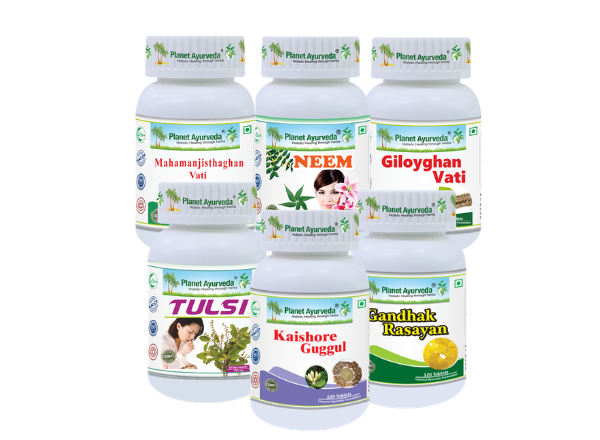
Planet Ayurveda is a trusted Ayurvedic company dedicated to promoting holistic health through natural, authentic, and high-quality herbal products. Drawing on centuries of Ayurvedic wisdom, it offers a wide range of herbal formulations, powders, tablets, and oils designed to support wellness, immunity, and balance. All products are made from 100% pure, natural herbs, free from chemicals, additives, and preservatives, and are manufactured under GMP-certified facilities to ensure safety and efficacy. For mucormycosis Planet Ayurveda has the following formulations
Product Description
1. Gandhak Rasayan
Planet Ayurveda’s Gandhak Rasayan is an Ayurvedic formulation made from purified sulfur (Gandhak). Gandhak Rasayan acts as a Krimighna (antifungal agent), helping to inhibit fungal growth, while purifying blood and tissues (Raktaprasadaka) to reduce infection risk. It also balances Kapha and Pitta doshas and enhances the body’s natural defenses.
Dosage- 2 tablets twice daily with plain water after a meal.
2. Kaishore Guggul
Planet Ayurveda’s Kaishore Guggul is a time-tested classical Ayurvedic formulation combining Guggul (Commiphora mukul) with potent herbs like Triphala, Guduchi (Tinospora cordifolia), and Haritaki (Terminalia chebula). Its antimicrobial and antioxidant actions support the body in combating infections, including opportunistic fungal infections like mucormycosis.
Dosage- 2 tablets twice daily with plain water after meals.
3. Neem capsules
Planet Ayurveda’s Neem Capsules are prepared from standardised Neem (Azadirachta indica) leaf extract, maintaining all its natural bioactive compounds. Neem contains key alkaloids such as Nimbin, Nimbidin, and Azadirachtin, which exhibit strong antifungal and antimicrobial effects by disrupting fungal cell membranes and inhibiting spore germination. These compounds also modulate the immune system, enhancing the body’s natural defenses.
Dosage- 2 capsules twice daily with plain water after meals.
4. Tulsi capsules
Tulsi capsules are prepared using standardised extract of Tulsi (Ocimum sanctum).Tulsi is rich in bioactive compounds such as eugenol, ursolic acid, rosmarinic acid, luteolin, and apigenin, which exhibit antimicrobial, antifungal, anti‑inflammatory, and immunomodulatory effects. These compounds help inhibit fungal growth, disrupt pathogen cell membranes, and support the body’s immune defenses.
Dosage- 1 cap twice daily plain water after meals.
5. Mahamanjishtha Ghan vati
Planet Ayurveda’s Mahamanjisthaghan Vati is a classical Ayurvedic formulation made from concentrated Mahamanjishtha (Rubia cordifolia)extract, renowned for its blood-purifying, detoxifying, and anti-inflammatory properties. By supporting Raktaprasadaka (blood purification), balancing Kapha and Pitta doshas, and enhancing immune response, Mahamanjisthaghan Vati helps the body resist infections like mucormycosis, promotes tissue healing, and supports overall systemic health as an adjunct to conventional antifungal therapy.
Dosage- 2 tablets twice daily with plain water after meals.
6. Giloy ghan vati
Planet Ayurveda’s Giloy Ghan Vati is a classical Ayurvedic formulation made from pure Giloy (Tinospora cordifolia) extract. Giloy contains specific alkaloids such as tinosporine, berberine, magnoflorine, palmatine, and jatrorrhizine, along with diterpenoid lactones and polysaccharides. These compounds exhibit immunomodulatory, antioxidant, and antimicrobial properties, enhancing the body’s defense against opportunistic infections like mucormycosis.
Dosage – 2 tablets twice daily with plain water after meals.
Conclusion
Mucormycosis is a rapidly progressing fungal infection that primarily affects individuals with weakened immunity, diabetes, or post-COVID conditions. Early detection of warning signs like facial pain, black nasal lesions, respiratory issues, or necrotic skin changes is crucial to prevent serious complications. Herbal formulations like Gandhak Rasayan, Kaishore Guggul, Giloy, Neem, Tulsi, and Mahamanjisthaghan Vati not only inhibit fungal growth but also strengthen immunity, detoxify blood, restore dosha balance, and promote tissue healing. This integrative approach enhances recovery while minimizing side effects, making Ayurveda a superior adjunct for managing mucormycosis. “Ayurveda Empowers Immunity, Defeats Infection, Heals Naturally.”