


Role Of Haritaki In Pineal Gland Function
Abstract
Haritaki (Terminalia chebula) is one of the most respected herbs in Ayurveda, known for its rejuvenating (Rasayana) properties and wide range of health benefits. It supports digestion, detoxification, brain health, and overall vitality. In modern wellness discussions, Haritaki is often linked to the pineal gland—a small but important gland in the brain responsible for regulating sleep cycles through melatonin production and often associated with the concept of the “third eye.” This article presents a balanced and easy-to-understand exploration of Haritaki’s effects on the pineal gland by combining Ayurvedic wisdom with modern scientific insights. It also addresses common myths such as pineal gland “detox” or “decalcification” and explains what Haritaki can realistically do for brain and hormonal health.
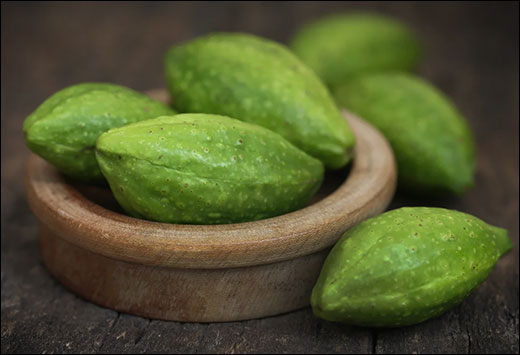
Ayurvedic Actions Of Haritaki
Haritaki is considered a powerful and versatile herb in Ayurveda due to its ability to support multiple body systems.
- Rasayana (Rejuvenation): Haritaki promotes longevity, strength, and overall wellness. It helps maintain balance in the body and slows down the aging process.
- Improves Digestion (Agni Deepana): It strengthens digestive fire (Agni), ensuring proper digestion and absorption of nutrients.
- Detoxification (Ama Pachana): Haritaki helps remove toxins (Ama) from the body and keeps body channels (Srotas) clean and functional.
- Tridosha Balancing: It balances all three Doshas: Vata, Pitta, and Kapha with a particularly strong effect on calming Vata.
- Nervous System Support: By stabilizing Vata, Haritaki supports brain function, nerve health, and mental stability.
- Enhances Mental Clarity: It improves alertness, focus, and emotional balance.
- Boosts Memory and Intellect: Traditionally known to improve learning capacity, memory, and intelligence.
- Medhya (Brain Tonic): Acts as a supportive herb for cognitive strength and mental performance.
Biological Actions Of Haritaki
Haritaki is often called the King of Medicines because its chemical complexity is unmatched by most other botanicals. Scientifically known as Terminalia chebula, its efficacy stems from a diverse array of secondary metabolites that work synergistically to protect the body at a cellular level.
Bioactive Compounds
- Chebulinic and Chebulagic Acids: These are the signature molecules of Haritaki. They are potent inhibitors of oxidative enzymes and have been studied for their ability to prevent cellular mutations.
- Gallic and Ellagic Acids: These phenolic acids are renowned for their “radical scavenging” abilities, meaning they seek out and neutralize unstable molecules before they can damage DNA.
- Anthraquinones: These compounds assist in the digestive process, ensuring that the body can actually absorb the other nutrients effectively.
Neuroprotection And The Blood-Brain Barrier
The brain is highly susceptible to lipid peroxidation because of its high fat content and oxygen consumption. Haritaki provides a defense shield through two primary pathways:
- Microglial Regulation: It helps modulate microglia, which are the immune cells of the brain. When these cells are overactive, they cause chronic neuro-inflammation. Haritaki helps keep them in a balanced state.
- Neurotransmitter Support: Research suggests that extracts from the fruit can inhibit acetylcholinesterase. By doing so, it maintains higher levels of acetylcholine, the chemical responsible for memory, focus, and rapid cognitive processing.
Impact On The Endocrine System
- Stress Modulation (Cortisol): As an adaptogen, Haritaki helps the body return to a state of homeostasis after a stress event. This prevents the “cortisol dump” that often leads to burnout and hormonal imbalances.
- Glycemic Control: By inhibiting alpha-glucosidase (an enzyme that breaks down starch into sugar), Haritaki prevents sharp spikes in blood glucose. Stable blood sugar is critical for maintaining the health of the pancreas and preventing insulin resistance.
The Gut-Brain Connection: A significant portion of the body’s hormonal signaling originates in the gut. Haritaki is a prokinetic agent, meaning it improves the frequency and strength of digestive contractions. By cleansing the digestive tract and promoting a healthy microbiome, it indirectly supports brain health. A healthy gut lining prevents “leaky gut,” a condition where toxins enter the bloodstream and trigger systemic inflammation that eventually reaches the brain.
Cellular Longevity and Anti-Aging: At the most fundamental level, Haritaki promotes “autophagy”—the body’s way of cleaning out damaged cells to make way for new, healthy ones. By reducing the overall oxidative load on the mitochondria (the power plants of your cells), it helps slow down the biological aging process of both the skin and internal organs.
About The Pineal Gland
The pineal gland is a tiny organ deep in your brain that acts like a master clock. Its main job is to create melatonin, the hormone that tells your body when to sleep and when to wake up.
- How It Works: The gland responds to light. During the day, sunlight tells the gland to stay quiet so you feel alert. At night, darkness triggers the gland to release melatonin, which helps you fall into a deep, healing sleep. This cycle is vital because your brain uses sleep to “clean” itself and repair damaged cells.
- Keeping It Healthy: As we age, this gland can become less active or hardened by calcium deposits. When this happens, you might struggle with insomnia, low energy, or brain fog.
Pineal Gland Calcification
What Is It?
Calcification is simply the buildup of calcium in the pineal gland. Think of it like “stiffening” of the gland. This is very common and usually happens naturally as people get older.
Does It Affect Health?
While most people have some calcium in their pineal gland without feeling any different, a heavy buildup can sometimes mean the gland produces less melatonin. This can lead to lighter sleep or feeling less rested in the morning.
Debunking The Detox Myths
You may hear many claims about “decalsifying” or “detoxing” the gland, but science views them differently:
- Fluoride: Some believe fluoride causes this buildup. While the gland does absorb minerals, there isn’t enough scientific proof to say fluoride is the main villain.
- Herbal Reversal: There is no proven way to “melt away” calcium once it is there. However, herbs like Haritaki are still very helpful. Instead of removing calcium, they provide antioxidants that protect the surrounding brain tissue from damage.
Effects Of Haritaki On The Pineal Gland
Although classical Ayurvedic texts do not explicitly describe the pineal gland as understood in modern anatomy, its functional attributes can be closely correlated with key Ayurvedic concepts governing neurological and mental functions. The pineal gland, being a regulator of circadian rhythm and hormonal balance, aligns with subtle regulatory systems described in Ayurveda.
- Correlation with Majja Dhatu (Nervous System): Majja Dhatu represents the nervous tissue and includes the brain and spinal cord. It governs higher neurological functions, cognition, and mental stability. Any imbalance in Majja Dhatu may lead to symptoms such as confusion, insomnia, and memory disturbances. Haritaki, being a Rasayana, nourishes Majja Dhatu indirectly by improving digestion and nutrient assimilation, thereby ensuring proper tissue formation.
- Role of Prana Vata in Neuroregulation: Prana Vata is responsible for higher cerebral activities, sensory perception, and regulation of mental processes. Since the pineal gland plays a role in sleep-wake cycles and neuroendocrine signaling, it can be functionally linked with Prana Vata. Haritaki stabilizes Vata Dosha, thereby supporting optimal neurological communication and rhythmic biological functions.
- Influence on Sadhaka Pitta (Cognitive and Emotional Processing): Sadhaka Pitta governs intellect, emotions, and decision-making ability. The pineal gland’s influence on mood and sleep cycles resonates with Sadhaka Pitta functions. By balancing Pitta and enhancing mental clarity, Haritaki contributes to improved cognitive performance and emotional balance.
Potential Mechanisms Underlying Haritaki’s Action
- Antioxidant Defense and Cellular Protection: One of the most significant mechanisms through which Haritaki may support pineal gland function is its potent antioxidant activity. The pineal gland is highly sensitive to oxidative stress due to its rich blood supply and metabolic activity. Reactive oxygen species (ROS) can damage pinealocytes (melatonin-producing cells), leading to impaired melatonin secretion. Haritaki contains bioactive compounds such as chebulagic acid and gallic acid, which neutralize free radicals and reduce oxidative damage. This protective action helps maintain the structural and functional integrity of pineal cells.
- Support of Circadian Rhythm Regulation: The pineal gland is central to maintaining circadian rhythm through melatonin secretion. Haritaki does not directly act on the gland but supports circadian balance indirectly by improving overall physiological harmony. By enhancing digestion (Agni) and reducing toxin accumulation (Ama), Haritaki ensures that metabolic processes remain synchronized. This systemic balance contributes to better sleep quality, which in turn supports natural melatonin cycles and circadian rhythm stability.
- Vata Modulation and Neurological Stability: Vata Dosha, particularly Prana Vata, governs nervous system activity and biological rhythms. Imbalance in Vata often manifests as insomnia, anxiety, and mental instability. Haritaki is especially known for its Vata-pacifying properties. By stabilizing Vata, it promotes improved sleep, a calm mental state, and balanced neurological functioning. This indirectly enhances the functional efficiency of the pineal gland.
- Detoxification and Metabolic Clearance (Ama Reduction): Ama, or metabolic toxins, is considered a root cause of many systemic disorders in Ayurveda. Accumulation of Ama leads to blockage of microchannels (Srotas), impairing nutrient delivery and waste removal. Haritaki acts as a mild laxative and detoxifier, cleansing the gastrointestinal tract and promoting efficient elimination. This ensures optimal circulation, improved nutrient delivery, and reduced toxic load on neural tissues, thereby supporting pineal health.
- Stress Adaptation and Cortisol Regulation: Chronic stress significantly affects pineal gland function. Elevated cortisol levels interfere with melatonin production, leading to disturbed sleep patterns and hormonal imbalance. Haritaki exhibits adaptogenic properties, helping the body cope with stress more effectively. By modulating the hypothalamic-pituitary-adrenal (HPA) axis, it reduces cortisol levels and restores hormonal balance, contributing to improved sleep quality and neuroendocrine coordination.
Ayurvedic And Yogic Perspective On The “Third Eye”
In yogic philosophy, the pineal gland is often associated with the Ajna Chakra, commonly referred to as the “third eye.”
Significance Of Ajna Chakra
- Center of intuition and perception
- Governs awareness and insight
- Associated with higher mental clarity
Haritaki, as a Medhya Rasayana, supports higher cognitive functions and may contribute to enhanced awareness, focus, and emotional balance. However, such interpretations should be approached with both symbolic and scientific understanding.
Conclusion
Haritaki (Terminalia chebula) is a powerful Ayurvedic Rasayana that supports overall health through its effects on digestion, detoxification, and nervous system balance. Although it does not directly act on or “decalcify” the pineal gland, it plays an important indirect role in maintaining its function. By reducing oxidative stress, supporting circadian rhythm, balancing Vata, and improving sleep quality, Haritaki helps create an internal environment that favors healthy melatonin regulation. Its impact on gut health, stress response, and hormonal balance further strengthens this connection. When understood scientifically and Ayurvedically, Haritaki can be seen as a supportive herb for neuroendocrine harmony rather than a direct stimulant of the pineal gland.







What’s the best Hotaki I can take?
Please share your disease information to herbalremedies123@yahoo.com or call us at +91 6209123456 you will be guided with the proper medications and diet by our top Ayurveda Experts Team.
Greetings from Cameroon/ central Africa. I’m Redemption Godlove lives in Bamenda Cameroon. I’m grateful for coming across your explanation on Haritaki. Please how can I have a good quantity of it, if possible as dry nuts which I can powder them myself?
Thanku for the feedback. Let us know if you have any health concern or you want to use it in general. You can use https://store.planetayurveda.com/products/haritaki-powder