


Coronary Artery Calcium (CAC) Scan – What Is It? Why Is It Done? How Can Ayurveda Support Heart Health?
Abstract
The Coronary Artery Calcium (CAC) Scan is a specialized imaging test that measures the amount of calcium deposits in the coronary arteries. Calcium buildup in these arteries is a sign of atherosclerosis, a condition that can lead to heart attacks or other cardiovascular problems. By detecting calcification early, the CAC scan helps assess the risk of coronary artery disease even before symptoms appear. The test provides valuable information for preventive cardiology, enabling healthcare professionals to recommend lifestyle changes, medications, or interventions to reduce cardiovascular risk. When combined with Ayurvedic principles, early detection can be complemented with natural strategies to improve circulation, reduce inflammation, and strengthen heart function.
What Is A Coronary Artery Calcium Scan?
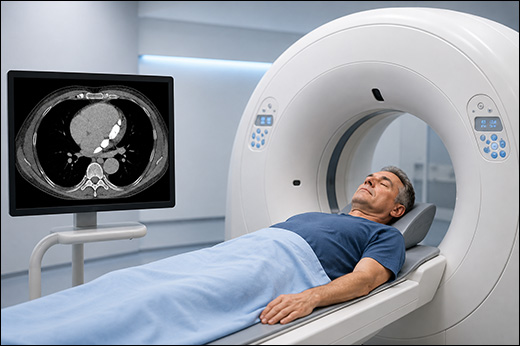
A CAC scan is a non-invasive imaging technique that uses a low-dose CT (computed tomography) scan to detect calcium deposits in the coronary arteries. These deposits form as part of atherosclerosis, which narrows arteries and reduces blood flow to the heart. The scan generates a calcium score, which helps predict the risk of future heart attacks and guides personalized preventive strategies. Higher calcium scores indicate greater plaque buildup and higher cardiovascular risk, while a score of zero suggests minimal risk. This test is particularly useful for individuals with risk factors such as high cholesterol, diabetes, hypertension, or a family history of heart disease, even if they do not experience symptoms.
How Does The CAC Scan Work?
The CAC scan works by using a specialized CT scanner to take detailed images of the heart and coronary arteries:
- The patient lies on a table that slides into the CT machine.
- Electrodes are attached to monitor heart rhythm during the scan.
- The scanner takes rapid X-ray images of the coronary arteries.
- Computer software calculates the coronary calcium score, reflecting the extent of calcified plaque.
- The test is quick, painless, and does not require injections or contrast dye. The results help doctors evaluate cardiovascular risk and determine the need for further testing or preventive interventions.
Procedure Of CAC Scan
Preparation
- Usually no fasting is required.
- Inform the technician about any medications or medical devices.
- Avoid caffeine and nicotine before the test to reduce heart rate variability.
During The Scan
- The patient lies still on the scanner table.
- Electrodes monitor the heart rhythm.
- The scan takes only a few minutes.
After The Scan
- Normal activities can be resumed immediately.
- The radiologist evaluates the images and calculates the calcium score.
Why Is CAC Scan Done?
Calcium buildup is an early sign of atherosclerosis, which can lead to heart attacks or other heart problems.
Here’s why it’s done:
- Evaluate early risk of heart disease: Even if you feel healthy, calcium in the arteries can show hidden heart disease before symptoms appear.
- Check high-risk individuals: People with high cholesterol, diabetes, or a family history of heart disease have a higher chance of artery problems. The scan helps see if they’re affected.
- Guide prevention: If the scan shows calcium, doctors can suggest lifestyle changes (like diet and exercise) or medications to prevent heart attacks.
- Monitor progression: Over time, repeating the scan can show if calcium is increasing or stable, helping doctors adjust treatment.
- Support other tests: It works alongside cholesterol tests, stress tests, and other risk assessments to give a complete picture of heart health.
Advantages Of CAC Scan
- Non-invasive and painless: The scan is done from outside the body, like a regular CT scan, so no needles or surgery are needed.
- Early detection: It can find heart artery problems before you feel any symptoms, which helps prevent serious issues later.
- Quantitative calcium score: The scan gives a number (CAC score) that shows how much calcium is in your heart arteries, helping doctors understand your personal risk.
- Guide early interventions: If calcium is detected, doctors can suggest lifestyle changes, diet, exercise, or medications to reduce the chance of a heart attack.
- Quick and simple: The test usually takes just a few minutes, with minimal preparation.
- Safe and accessible: It’s a widely available test in modern diagnostic centers and involves low radiation, making it a safe option for heart risk assessment.
Clinical Importance Of CAC Scan
The CAC scan is very useful for preventing heart disease because it gives doctors a clear look at the calcium buildup in your heart arteries. Its main importance includes:
- Detects early plaque: It can find artery blockages even before you feel any symptoms, helping prevent future heart problems.
- Guides medication decisions: Doctors can use your calcium score to decide if you need medications like statins to lower cholesterol and protect your heart.
- Tailors lifestyle plans: Based on the results, doctors can suggest specific diet changes, exercise routines, and habits to reduce heart disease risk.
- Reassurance or alert: A low score reassures low-risk individuals, while a high score alerts high-risk individuals to take early action.
Understanding Coronary Calcification Through The Ayurvedic Perspective
- Dhatu Dushti (Tissue Imbalance): In Ayurveda, the Rasa Dhatu (Circulatory Fluid) and Rakta Dhatu (Blood Tissue) are primarily responsible for nourishing the heart (Hridaya) and blood vessels. When these are imbalanced, it can lead to Srotorodha (channel blockage), which is analogous to plaque buildup in arteries.
- Ama (Toxins) Accumulation: Ama, the toxic byproduct of improper digestion (Mandagni), can deposit in vessels and tissues. This can correlate with calcium and fatty deposits in modern terms, sticky, obstructive material in arteries.
- Vata and Kapha Imbalance: Vata Dosha governs circulation and movement of nutrients/blood. Kapha Dosha, when aggravated, can contribute to thickening or obstruction of channels, similar to stiff arteries due to calcification.
Ayurvedic Management Of Coronary Artery Calcification (CAC)
In Ayurveda, calcium deposits in coronary arteries (atherosclerosis) can be correlated with Kapha-Vata aggravation, Ama accumulation, Medo Dhatu Dushti (fat tissue imbalance), and Srotorodha (channel obstruction). Management focuses on removing Ama, improving Agni (digestion), clearing channels, balancing Doshas, and strengthening the heart (Hridaya).
Nidana Parivarjana (Avoidance Of Causes)
The first step in Ayurvedic management is removing causative factors that contribute to Ama formation and Kapha accumulation.
Avoid
- Heavy, oily, fried foods
- Excess sweets and refined sugar
- Processed and junk foods
- Sedentary lifestyle
- Smoking and alcohol
- Excessive stress and irregular eating habits
Adopt
- Light, warm, freshly prepared meals
- Regular meal timings
- Daily physical activity
- Stress reduction techniques
Ahara (Dietary Management)
Diet plays a major role in reducing Medo Dhatu Dushti and preventing further calcification.
Recommended Foods
- Whole grains (barley, millet, oats)
- Green leafy vegetables
- Garlic and ginger
- Turmeric
- Bottle gourd and ridge gourd
- Pomegranate
- Warm water throughout the day
Foods To Limit
- Red meat
- Deep-fried foods
- Excess dairy products
- Cold and refrigerated foods
- Excess salt and sugar
Vihara (Lifestyle Management)
Lifestyle correction helps improve circulation and metabolic health.
Recommended Practices
- Daily walking (30–45 minutes)
- Pranayama (especially Anulom Vilom)
- Meditation
- Gentle stretching exercises
- Maintain healthy body weight
- Adequate sleep (7–8 hours daily)
Herbal Management
Herbal medicines help strengthen the heart, improve circulation, reduce lipid accumulation, and support vascular health.
Commonly Used Ayurvedic Herbs
- Arjuna (Terminalia arjuna): Supports heart strength and improves cardiac function.
- Guggulu (Commiphora mukul): Helps reduce lipid accumulation and supports healthy arteries.
- Pushkarmool (Inula racemosa): Improves oxygen supply to heart tissues.
- Punarnava (Boerhavia diffusa): Supports fluid balance and circulation.
- Lasuna (Allium sativum): Helps reduce cholesterol and supports vascular health.
- Ashwagandha (Withania somnifera): Helps manage stress and supports cardiovascular endurance.
Conclusion
The Coronary Artery Calcium (CAC) Scan is a valuable preventive tool that helps detect early calcium buildup in the coronary arteries before symptoms of heart disease appear. By providing a measurable calcium score, it allows timely risk assessment and supports decisions regarding lifestyle changes and medical management. Early detection plays a key role in preventing serious complications such as heart attacks and improving long-term cardiovascular health. From an Ayurvedic perspective, coronary calcification can be linked to Ama accumulation, Kapha-Vata imbalance, and Srotorodha (channel obstruction). Through proper diet, healthy lifestyle practices, stress management, and the use of heart-supportive herbs, Ayurveda offers supportive strategies to promote circulation, maintain vascular health, and strengthen overall heart function alongside modern preventive care.